
2026 Best Pp Honeycomb Panel Extrusion Line for Buyers?

Time:2026-08-29 Author:Aria
0%

The demand for lightweight materials is on the rise, especially in the construction and automotive sectors. The Pp Honeycomb Panel Extrusion Line plays a vital role in meeting this demand. According to a 2022 industry report, the global market for honeycomb panels is expected to grow significantly, projected to reach $3 billion by 2026. This growth is driven by their unique properties, including high strength-to-weight ratio and thermal insulation.

Investing in the right Pp Honeycomb Panel Extrusion Line can enhance production efficiency. Many manufacturers struggle with outdated technology, impacting product quality and output. Upgrading to advanced extrusion lines could reduce waste and improve consistency. Experts suggest that businesses should focus on automation and precision to stay competitive.

The success of a Pp Honeycomb Panel Extrusion Line also depends on reliable suppliers and materials. It's crucial to choose high-quality polypropylene resins to ensure durability. However, many buyers overlook the significance of supplier reputation, leading to potential setbacks. In this evolving landscape, making informed decisions is essential for long-term success in producing high-quality honeycomb panels.
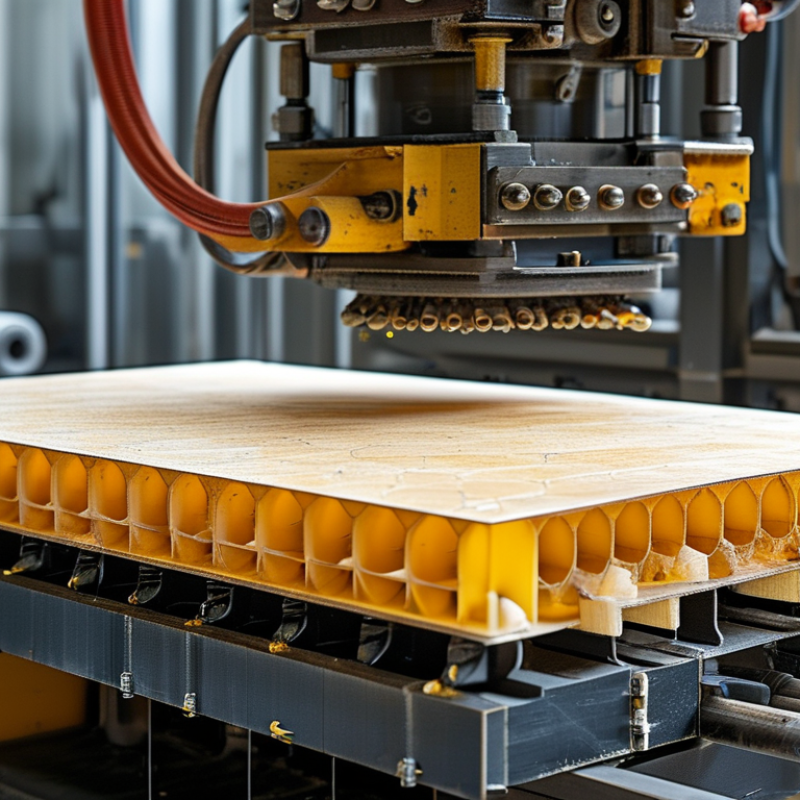
2026 Best Pp Honeycomb Panel Extrusion Line for Buyers?

Overview of PP Honeycomb Panels and Their Applications

PP honeycomb panels are lightweight yet strong materials that find applications across various industries. They are mainly used in construction, transportation, and packaging. These panels consist of a core sandwiched between two outer layers, offering superior strength-to-weight ratios. Their versatility makes them a popular choice for designers and manufacturers.

When considering the use of PP honeycomb panels, it’s essential to assess your specific needs. The thickness of the panels can affect their performance. Thicker panels generally offer more strength, but they may be heavier and less cost-effective. Think about the balance between weight and strength.

Another point to consider is the environmental impact. Despite their advantages, the production of PP panels can contribute to plastic waste. Reflecting on sustainable choices can guide your decisions. Think about recycling options and life cycles. A responsible approach ensures that your use of PP honeycomb panels aligns with eco-friendly practices.

PP Honeycomb Panels Production Overview

This bar chart illustrates key properties of PP honeycomb panels, including their density, thermal conductivity, compressive strength, and flexural strength. Understanding these properties is crucial for buyers looking to evaluate their application in various industries.

Key Features of the 2026 Best PP Honeycomb Panel Extrusion Line

When considering the best PP honeycomb panel extrusion line in 2026, buyers should focus on key features that enhance functionality. A robust and efficient machine is essential for producing high-quality panels. The extrusion line should support different thicknesses and sizes. This flexibility caters to diverse consumer needs. Additionally, a user-friendly interface simplifies operation, reducing the learning curve for staff.

Another important aspect is energy efficiency. An optimal extrusion line should minimize energy consumption while maximizing output. Advanced technologies, like regenerative drives, can play a significant role here. Real-time monitoring systems are also beneficial, providing instant feedback on the operating conditions. However, buyers must evaluate the maintenance requirements as well. Some systems may look appealing but could come with complex upkeep procedures.

Investing in a PP honeycomb panel extrusion line requires careful assessment. It's crucial to analyze the manufacturer's support and availability of spare parts. A reliable supply chain impacts the longevity of equipment. Reflecting on these details can significantly influence production efficiency and cost-effectiveness. Often, overlooking these factors may lead to unexpected challenges down the road.

Top Manufacturers and Brands in the PP Honeycomb Panel Market

The PP honeycomb panel market has seen significant growth in recent years. This is largely due to the increasing demand for lightweight and durable materials. Buyers are looking for efficient extrusion lines that can deliver high-quality panels. Understanding the top manufacturers in this space is crucial for making informed decisions.

Several key players dominate the PP honeycomb panel market. They offer various extrusion technologies that enhance production efficiency. Most of these manufacturers focus on innovative solutions to meet diverse customer needs. However, not all products are created equal. Buyers should thoroughly evaluate specifications and performance reports before committing.

While expert reviews can guide buyer decisions, it’s essential to consider real-world applications. Some manufacturers have received mixed feedback regarding customer support and product reliability. These insights often emerge after long-term use, revealing potential areas for improvement. Engaging with user experiences can provide valuable wisdom for prospective buyers navigating this competitive landscape.

Guidelines for Selecting the Right Extrusion Line for Your Needs

When choosing the right PP honeycomb panel extrusion line, consider your specific needs and production volume. A recent industry report highlighted that companies producing over 1,000 tons of honeycomb panels annually benefit from high-capacity machines. These machines typically offer optimized energy consumption, reducing operational costs significantly. The right extrusion line can enhance your product’s quality and consistency.

Evaluate the technical specifications carefully. The extrusion temperature, cooling systems, and die design are crucial factors. Inexperience can lead to choosing a line that underperforms. A standard report shows that 30% of manufacturers faced issues due to improper machine selection. Look for features that allow for easy adjustments and maintenance.

Monitoring real-time data can improve efficiency. Advanced extrusion lines now offer digital monitoring systems. These systems help detect irregularities during production. You can foresee issues before they lead to downtimes. Investing in training for your staff can ensure efficient use of the machinery. Understanding its capabilities can lead to better productivity and waste reduction.

2026 Best PP Honeycomb Panel Extrusion Line for Buyers

Feature Value
Production Capacity 200-500 kg/h
Panel Thickness 5-25 mm
Maximum Width 1,200 mm
Extruder Type Single/Screw Extruder
Heating System Electrical/Indirect Heating
Control System PLC Control
Weight Approx. 5,000 kg
Energy Consumption 50-100 kW
Materials Used PP/PE
Maintenance Frequency Every 3-6 months

Future Trends and Innovations in PP Honeycomb Panel Extrusion Technology

The future of PP honeycomb panel extrusion technology is rapidly evolving. Innovations in materials and techniques promise to enhance performance and sustainability. For instance, engineers are exploring bio-based resins that reduce environmental impact. These alternative materials could lead to more eco-friendly panels, appealing to environmentally conscious buyers.

Automation is another critical trend in extrusion lines. Advanced robotics can significantly speed up production. They also improve precision, reducing waste. However, integration can be challenging for some manufacturers. Training staff to work alongside new technologies is essential but often overlooked. Investing in workforce education can lead to better results.

Additionally, the demand for customized solutions is rising. Buyers are seeking tailored panel specifications to meet unique project requirements. This shift drives manufacturers to innovate continuously. However, scalability remains a concern. Balancing mass production with customization is a complex challenge. Improvements in data analytics may help manufacturers optimize their processes, making it a focal point for future development.

FAQS

: What are PP honeycomb panels?

: PP honeycomb panels are lightweight yet strong materials used in construction and packaging. They have a core between two layers.

Why should I consider the thickness of PP honeycomb panels?

Thickness affects performance; thicker panels provide strength but can be heavier and less cost-effective.

What environmental concerns are associated with PP honeycomb panels?

Their production contributes to plastic waste. Reflecting on recycling and sustainability is crucial when using these panels.

How can I evaluate different manufacturers of PP honeycomb panels?

Look for performance reports and consider user feedback. Not all products are equally reliable or supported.

What innovations are shaping the future of PP honeycomb panels?

Engineers are exploring bio-based resins and automation to improve sustainability and production efficiency.

Why is customization important in PP honeycomb panel production?

Buyers often need tailored solutions for specific projects, driving demand for innovative and flexible manufacturing processes.

What challenges come with integrating new technologies in production?

Training staff on advanced robotics and automation processes can be overlooked, leading to potential efficiency issues.

Are there any risks to consider when choosing PP honeycomb panels?

It’s crucial to assess long-term performance and customer support. Mixed feedback can highlight areas needing improvement.

How does demand impact the production of PP honeycomb panels?

Increasing demand pushes manufacturers to innovate, but balancing mass production with customization remains a challenge.

What role does data analytics play in the future of PP honeycomb panels?

Enhanced analytics could help manufacturers optimize production processes and address customization while maintaining efficiency.

Conclusion

The article provides a comprehensive overview of PP honeycomb panels, highlighting their versatile applications in various industries due to their lightweight and strong structural properties. It emphasizes the importance of selecting the right PP Honeycomb Panel Extrusion Line, outlining key features that make the 2026 model stand out, such as efficiency, precision, and adaptability to different production needs.

Additionally, the article discusses the leading manufacturers in the market, guiding buyers on how to choose the best extrusion line to meet their specific requirements. It also explores future trends and innovations in PP honeycomb panel extrusion technology, hinting at advancements that could further enhance production capabilities and the overall quality of the panels.

Aria

Aria

Aria is a dedicated marketing professional with a deep passion for innovative strategies and a keen understanding of our company's product offerings. With a wealth of experience in the industry, Aria excels at crafting engaging content that highlights the unique features and benefits of our......