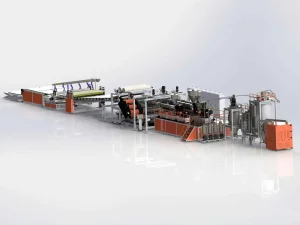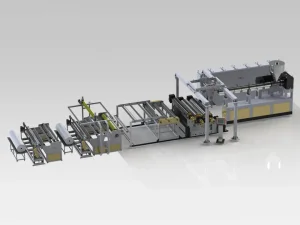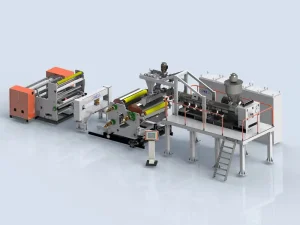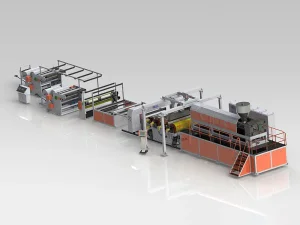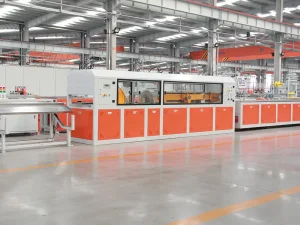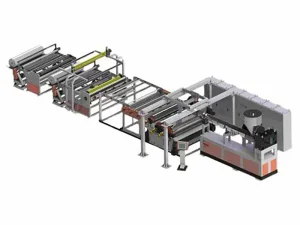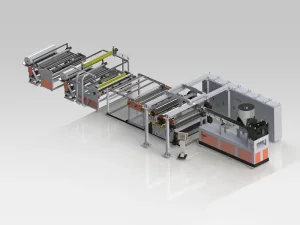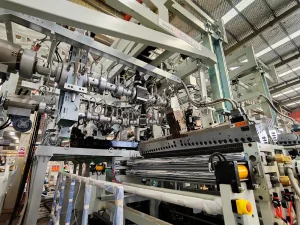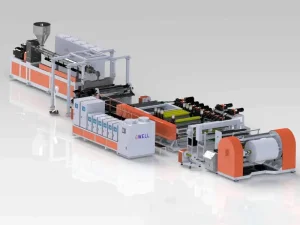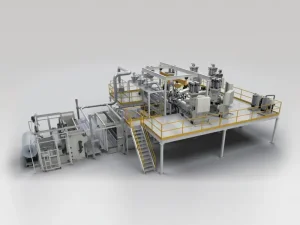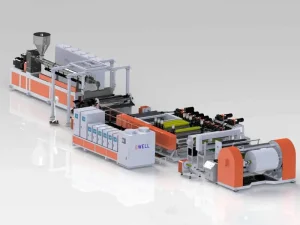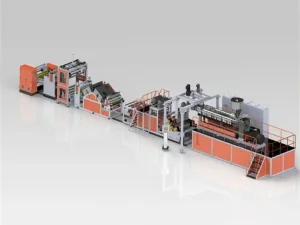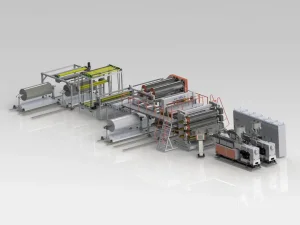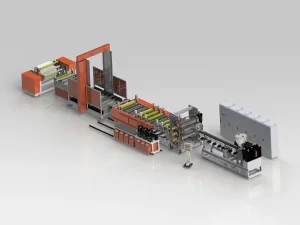
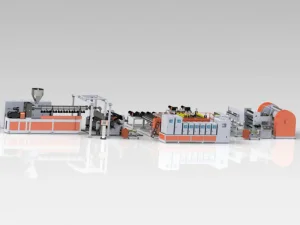
Understanding the performance difference between polymer formulations is critical when optimizing solar film production systems. EVA has historically dominated the global PV encapsulation sector due to its high optical transparency, low melt viscosity, ease of processing, and cost-effectiveness. However, under prolonged ultraviolet exposure and elevated operating temperatures, EVA is prone to hydrolysis. This chemical process generates acetic acid, which erodes the silver grid lines on the PV cell, causing Potential Induced Degradation (PID) and significantly reducing overall module output.
To mitigate PID, particularly in bifacial modules and N-type cell configurations (such as TOPCon and HJT), POE has emerged as the premier choice. POE features exceptional water vapor barrier attributes (lower by an order of magnitude than EVA) and does not yield acidic chemical degradation byproducts. Despite these advantages, raw POE exhibits slip characteristics during winding, possesses a narrower thermal processing window, and demands complex cross-linking management.
Building Integrated Photovoltaics (BIPV) require encapsulation films to perform double duty: they must provide efficient photoelectric generation while meeting building code safety standards. Standard EVA fails to satisfy the structural strength, fire safety, and acoustic insulation requirements mandated for facades and roofs. PVB (Polyvinyl Butyral) is the industry standard for architectural laminated safety glass due to its high impact resistance, strong adhesion to glass, and sound-dampening properties.
For structural applications where wind load and mechanical stress are extreme, SGP (Ionoplast) films provide five times the tear strength and one hundred times the stiffness of traditional PVB. Developing extrusion systems capable of handling PVB and SGP requires specialized rheological engineering, precise moisture controls, and specialized cooling zones to prevent residual internal stresses in the extruded film sheet.
GWELL partners with leading chemical laboratories and material science institutes to iterate screw profiles, ensuring optimized compounding of heat-sensitive silane coupling agents and crosslinking catalysts.
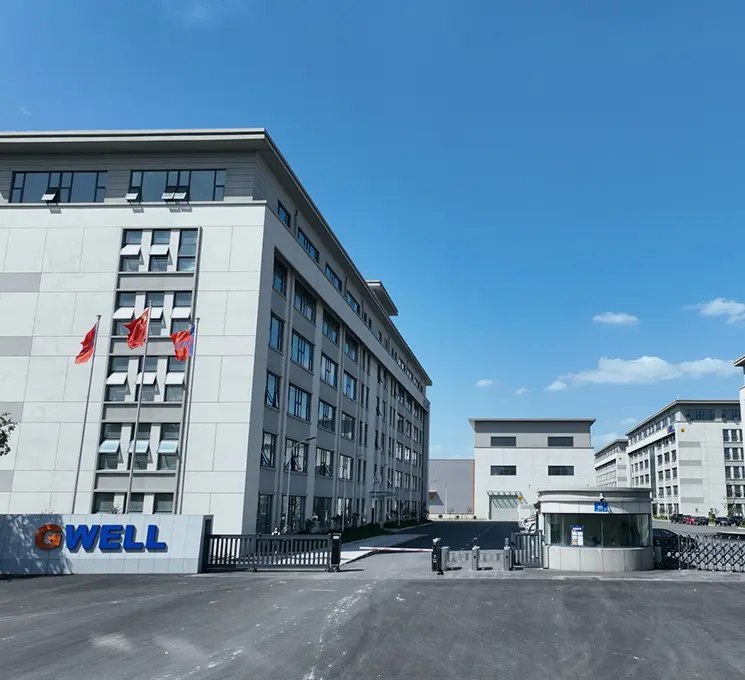
With 866,000 square meters of manufacturing space across three production hubs, we deliver high-capacity industrial systems that keep pace with rapid solar deployment timelines.
From initial mechanical fabrication to final PLC electrical engineering configurations, our vertical manufacturing ecosystem ensures lower capital costs and rapid engineering iteration cycles.
Transitioning to renewable energy integration requires energy storage and green hydrogen generation via water electrolysis. PPS (Polyphenylene Sulfide) microporous separators are vital components of alkaline water electrolyzers. PPS possesses exceptional resistance to harsh alkaline environments (typically 30% KOH at 90°C), minimal chemical degradation, and high structural stability.
Extruding thin PPS separator sheets demands specialized machinery capable of handling high melt points (near 280°C to 300°C) without thermal decomposition. High-torque extruders, precise filter changers, and thermal cooling rollers work in tandem to produce uniform microporous PPS structures, improving ionic conductivity while ensuring robust gas separation.
Photovoltaic panels have traditionally relied on anodized aluminum frames. However, aluminum manufacturing is energy-intensive, and metal frames can act as electrical conductors that accelerate Potential Induced Degradation (PID). Polyurethane (PU) composite frames, manufactured via specialized extrusion and pultrusion lines, are emerging as a high-performance alternative.
PU composite solar frames provide high mechanical strength, excellent corrosion resistance (especially in offshore and high-salinity agricultural environments), and outstanding electrical insulation. GWELL's PU solar frame lines integrate high-precision fiber feeding and resin injection technologies, ensuring dimensional stability and helping module manufacturers reduce their overall carbon footprint.
The PV industry's transition toward large-format modules (210mm wafer standards), ultra-thin wafers, and double-glass configurations places demands on film uniformity. Extrusion systems must deliver high throughput while maintaining tight control over thickness tolerances.
Global procurement teams evaluating Solar Extrusion Lines focus on specific hardware features to ensure long-term operational efficiency:
Explore our engineering categories across Film, Sheet, and Board extrusion lines.
Engineered for high-weatherability outer cap layers.
High adhesive properties for textile and industrial composites.
Designed for high-performance solar backplane barriers.
Specialized systems for automotive HUD wind-shields.
Optimized for construction materials and composite flooring.
Heavy industrial sheets with high mechanical impact tolerance.
Optic grade transparent sheet and architectural glazing.
Engineered for backlighting panels and light diffusion systems.
High performance food packaging and medical grade containers.
Biopolymer processing lines for compostable packaging.
Safety-critical electronics barrier sheet manufacturing.
Precision temperature orthopedic splint sheet production.
China GWELL Machinery is a high-tech enterprise dedicated to the design and manufacture of plastic extrusion lines for film, sheet, and profile applications. Leveraging our group's technical resources and manufacturing experience, GWELL is committed to developing high-performance equipment for international markets.
Our core philosophy, "Expertise creates customer value," drives our focus on engineering quality, structural reliability, and process innovation, helping clients optimize their production processes.
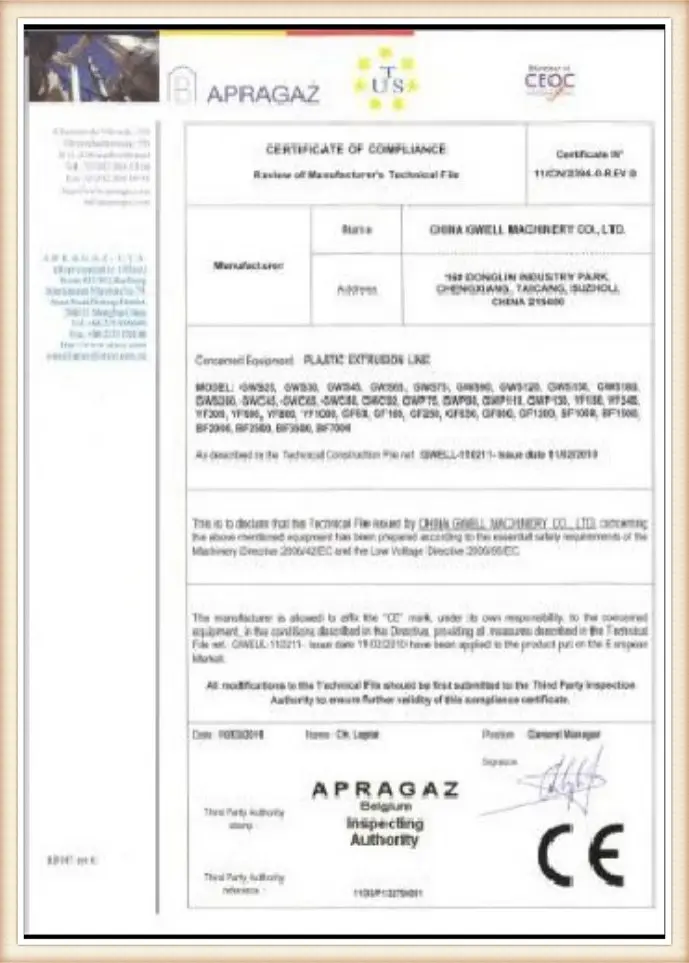
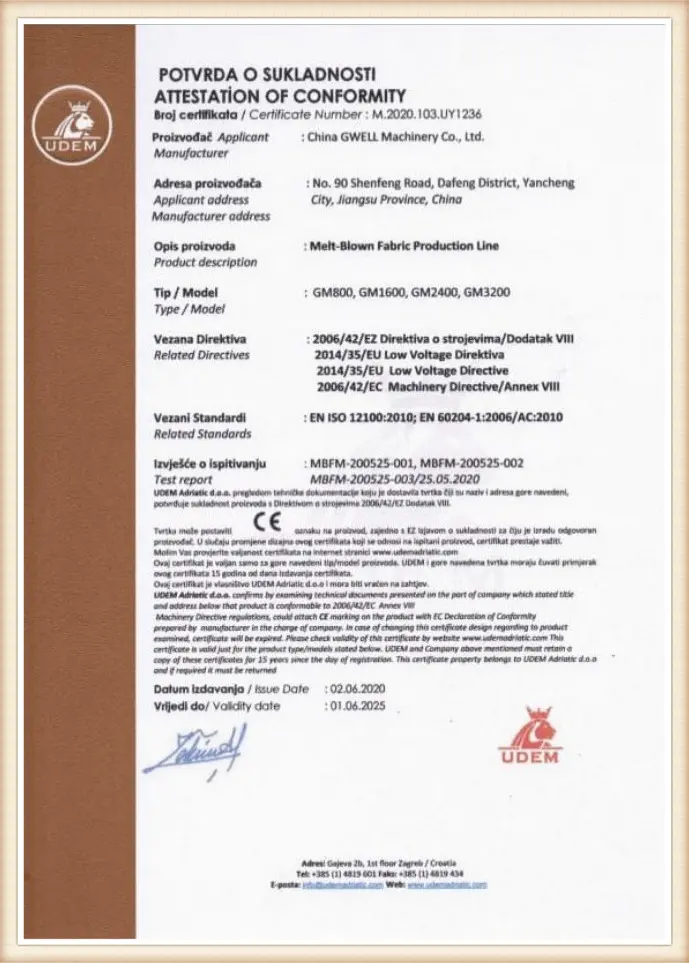
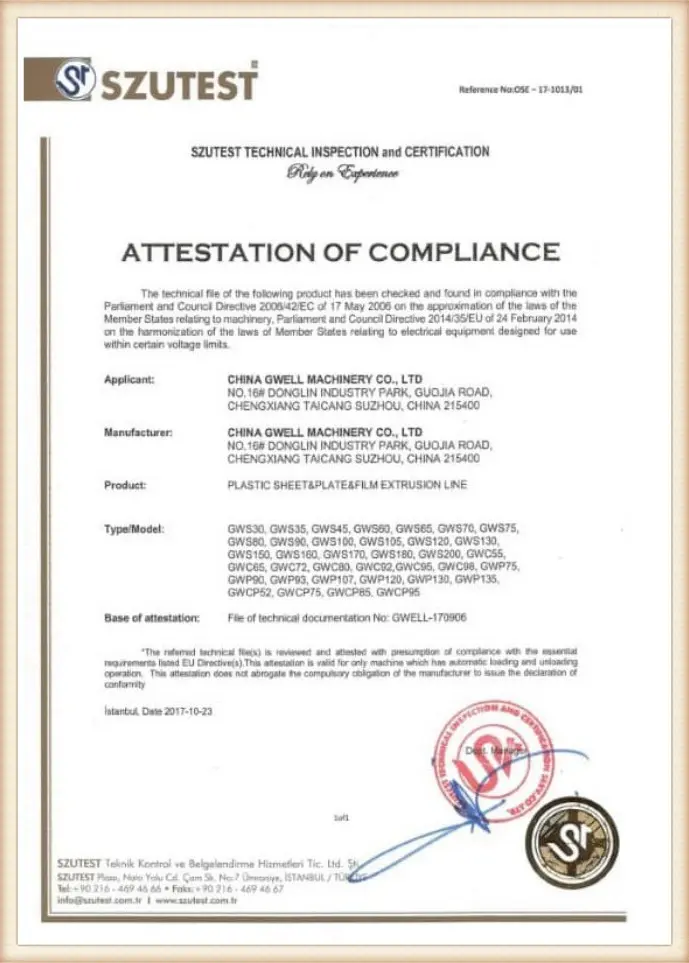
Our manufacturing processes comply with strict global safety, quality, and environmental regulations.
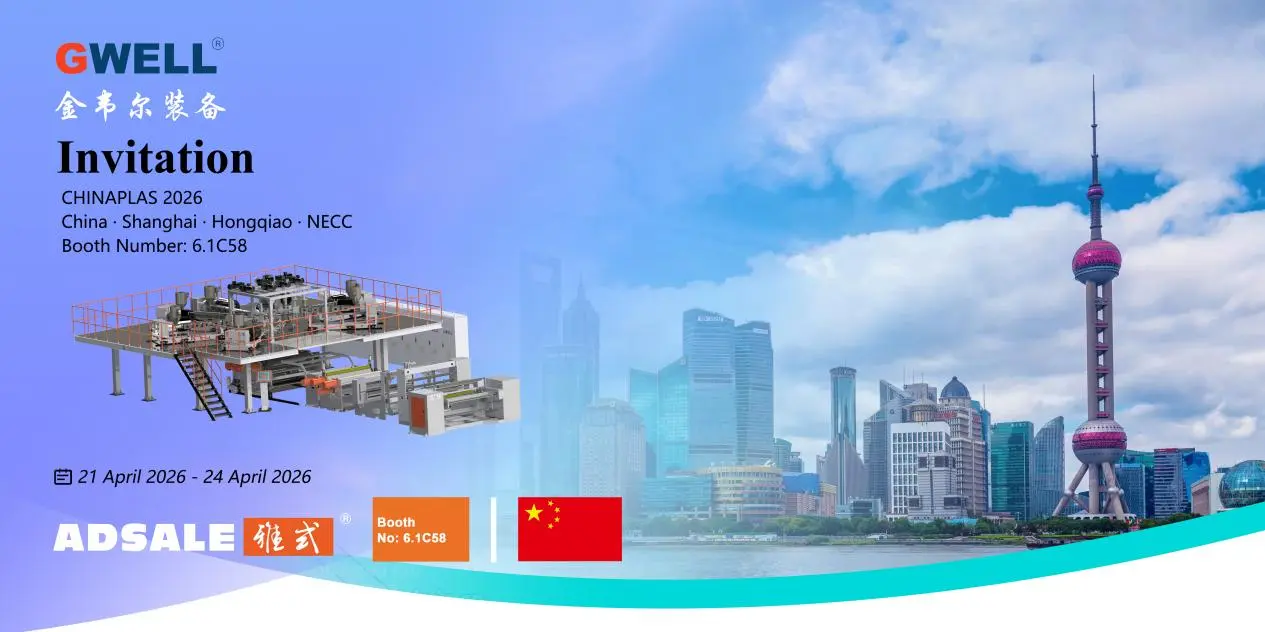
Discover our latest co-extrusion technology advances at the upcoming international plastics show.
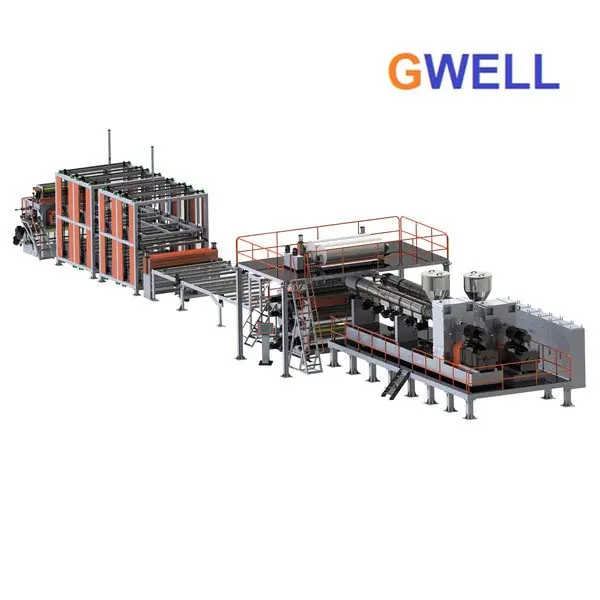
Successfully commissioned POE synthetic leather extrusion line for automotive interior applications.
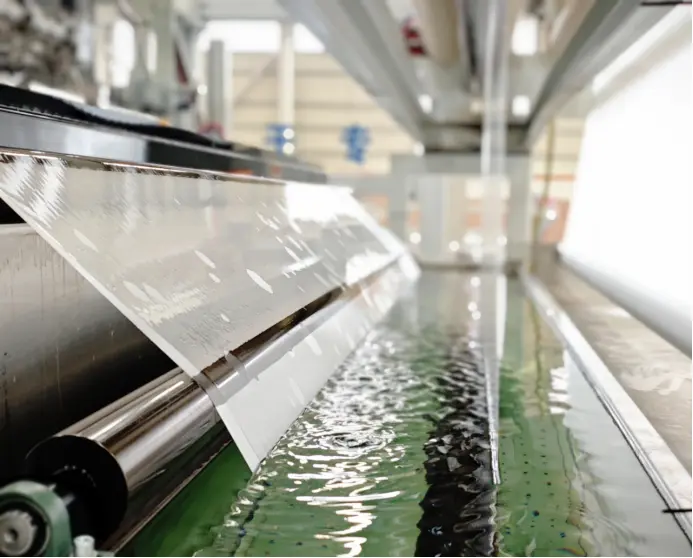
GWELL launches high-precision PVB wedge-shaped film extrusion line with closed-loop controls.
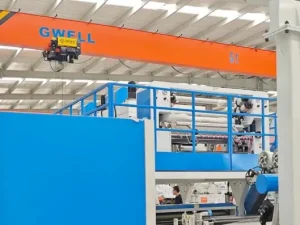
Our design capabilities, material testing services, and production lines are configured to meet strict international standards. Contact us to schedule a plant tour or request technical consultation.
Send Inquiry Now