
Custom Vertical Stretching Production Line Manufacturer, Company

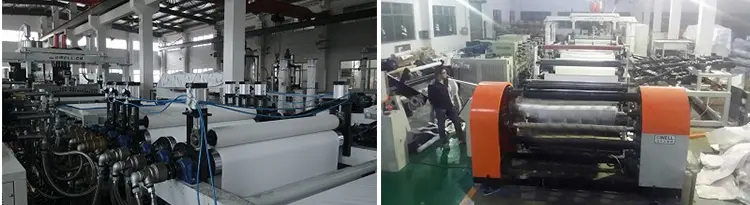
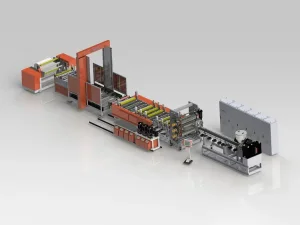
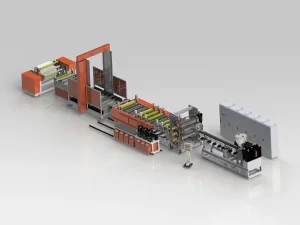
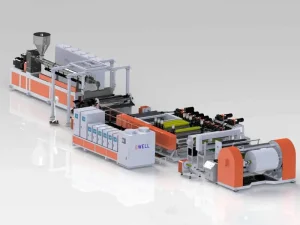
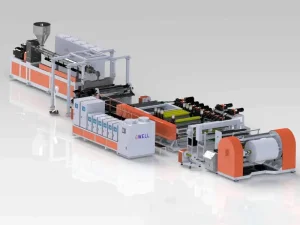
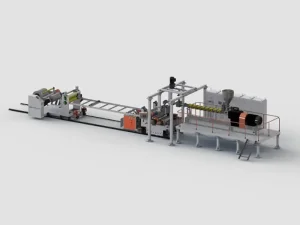
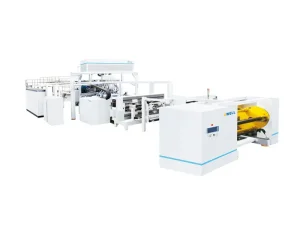
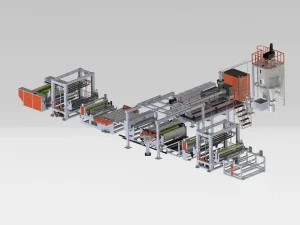
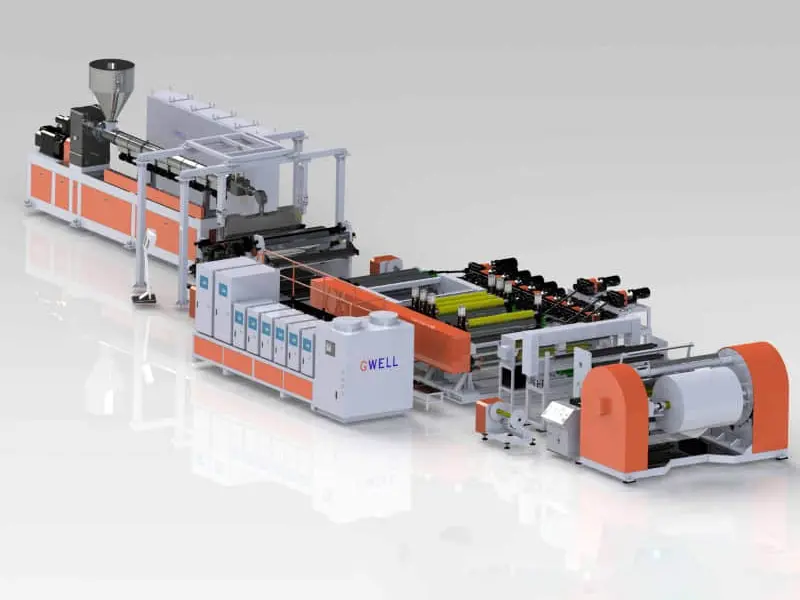
The core of the production line consists of vertical stretching chambers where the material undergoes controlled stretching.  These chambers are designed to apply precise tension and heat to the material, facilitating uniform stretching.

Product Description

Key Components and Functionality

Feeding Mechanism

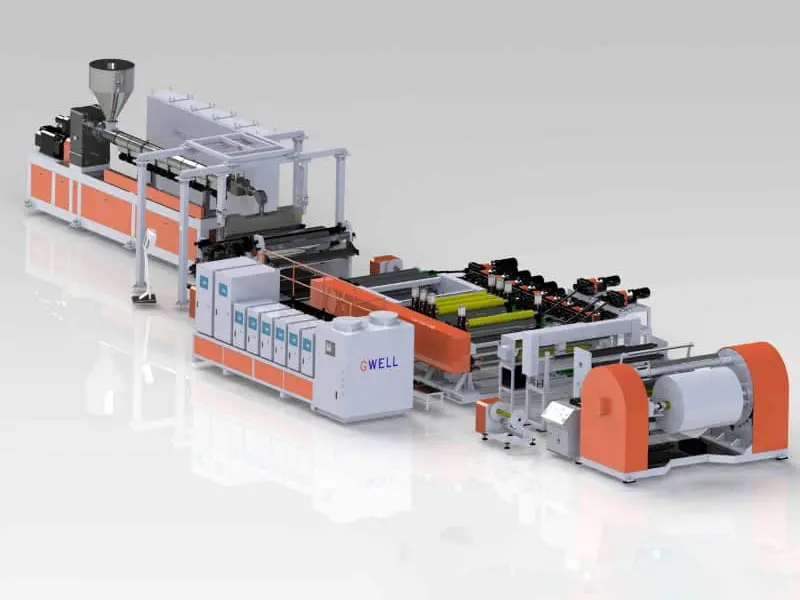
The production line begins with a feeding mechanism that introduces the raw material into the stretching process. This can include rolls of plastic film, fabric, or other materials suitable for stretching.

Vertical Stretching Chambers

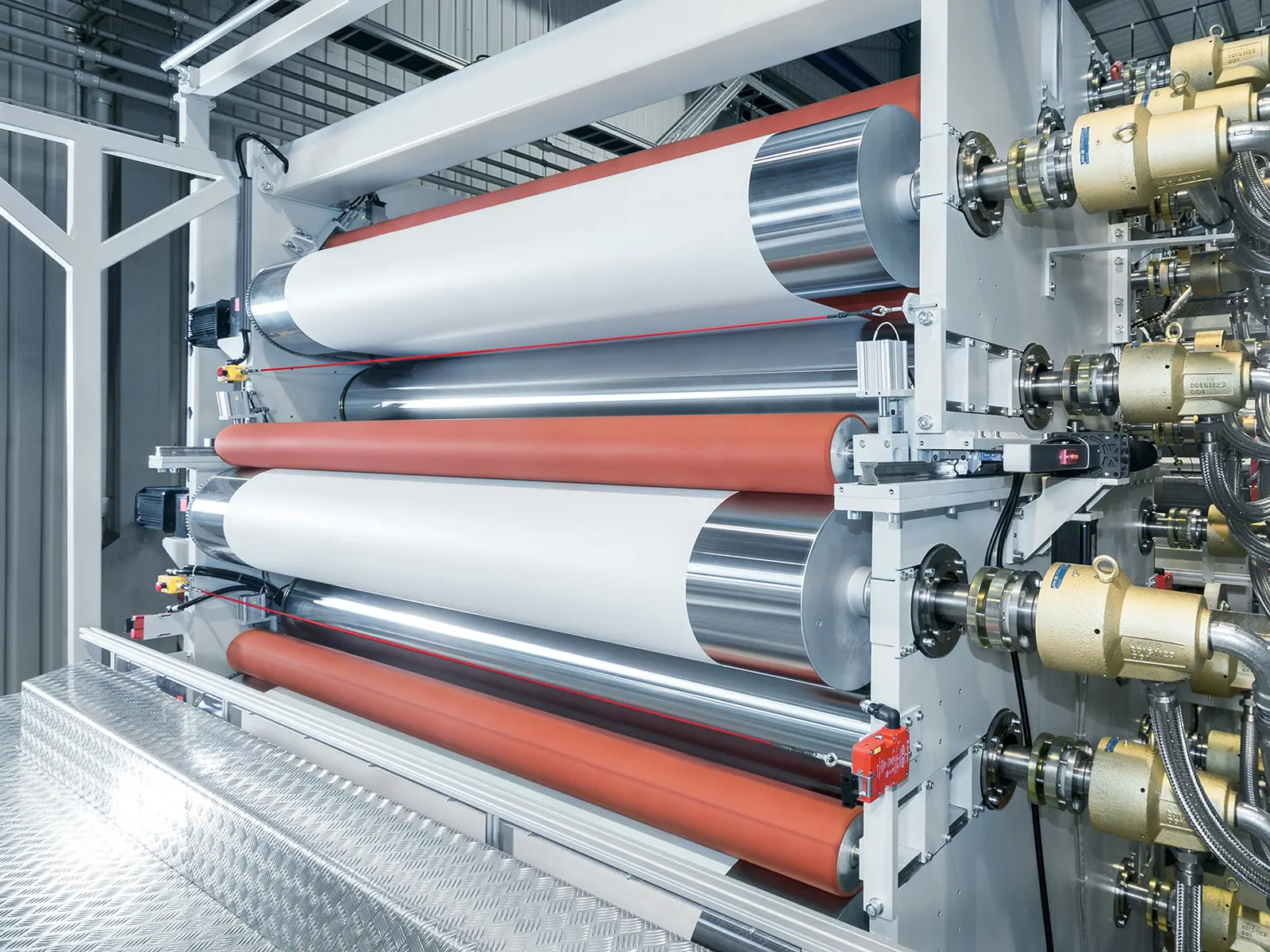
The core of the production line consists of vertical stretching chambers where the material undergoes controlled stretching. These chambers are designed to apply precise tension and heat, leveraging gravity to reduce sagging or wrinkles.

Heating and Cooling

Heaters within the chambers warm the material to its softening point to make it pliable. After stretching, cooling systems quickly lock in the stretched dimensions, enhancing its structural integrity.

Control Systems

Advanced control systems monitor and regulate temperature, tension, and speed. Integrated sensors provide real-time feedback, allowing operators to make adjustments to maintain product quality.

Winding and Packaging

Once the material has been stretched and cooled, it is wound onto rolls for storage or further processing. Integrated packaging systems can prepare the final product for shipment.
stone-paper-extrusion-line-scaled
SML_16_303
1736319333409

Benefits and Applications

Improved Material Properties Vertical stretching enhances the tensile strength, clarity, and optical properties of plastics, as well as the texture and uniformity of fabrics.
Enhanced Aesthetic Appeal Stretched materials often exhibit a smoother, more uniform surface, which can improve the visual appeal of the final product.
Increased Production Efficiency Automated control systems and vertical stretching chambers reduce the need for manual intervention, increasing production speeds and reducing labor costs.
Versatility The vertical stretching production line can be adapted to process a wide range of materials, including various types of plastics, fabrics, and films.

Applications in Various Industries

Plastics Industry Used to produce high-clarity films for packaging, displays, and optical applications.
Textile Industry Enhances the texture and uniformity of fabrics, making them more suitable for high-end clothing, home textiles, and industrial applications.
Photovoltaic Industry Stretched materials are used in the manufacturing of solar panels, where they play a critical role in converting sunlight into electricity.
Other Applications Vertical stretching production lines can also be used in the automotive, aerospace, and electronics industries for the production of specialized materials with enhanced physical properties.

Frequently Asked Questions

What is the primary advantage of vertical stretching over horizontal stretching?
The vertical orientation leverages gravity, which minimizes material sagging and wrinkles. This results in more consistent, uniform stretching and higher-quality final materials.
What kinds of materials can be processed on a vertical stretching line?
The production line is highly versatile and can process a wide variety of materials, including various plastic films, textiles, packaging fabrics, and specialized solar panel sheets.
How does the stretching process enhance material properties?
Vertical stretching aligns the molecular structure of the material, which significantly enhances its tensile strength, visual clarity, optical quality, texture, and overall surface uniformity.
Why are heating and cooling systems critical in this production line?
Heaters raise the material to its softening point to make it pliable enough for stretching without tearing. Cooling systems then rapidly lower the temperature to lock in the stretched dimensions and secure structural stability.
How does automation in control systems improve production?
Advanced automated control systems monitor temperature, tension, and speed in real-time. This minimizes manual intervention, increases production speeds, reduces labor costs, and maintains highly consistent product quality.

Related Products