1 / 1

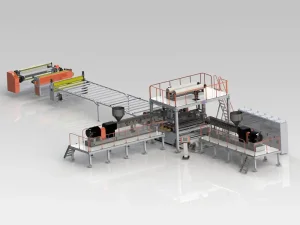
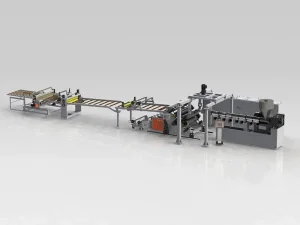
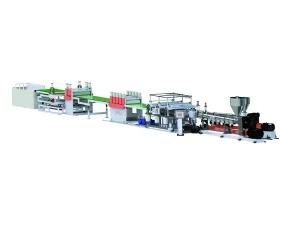
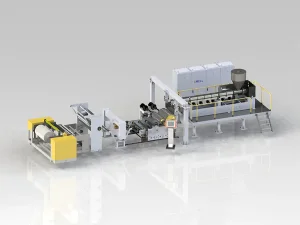
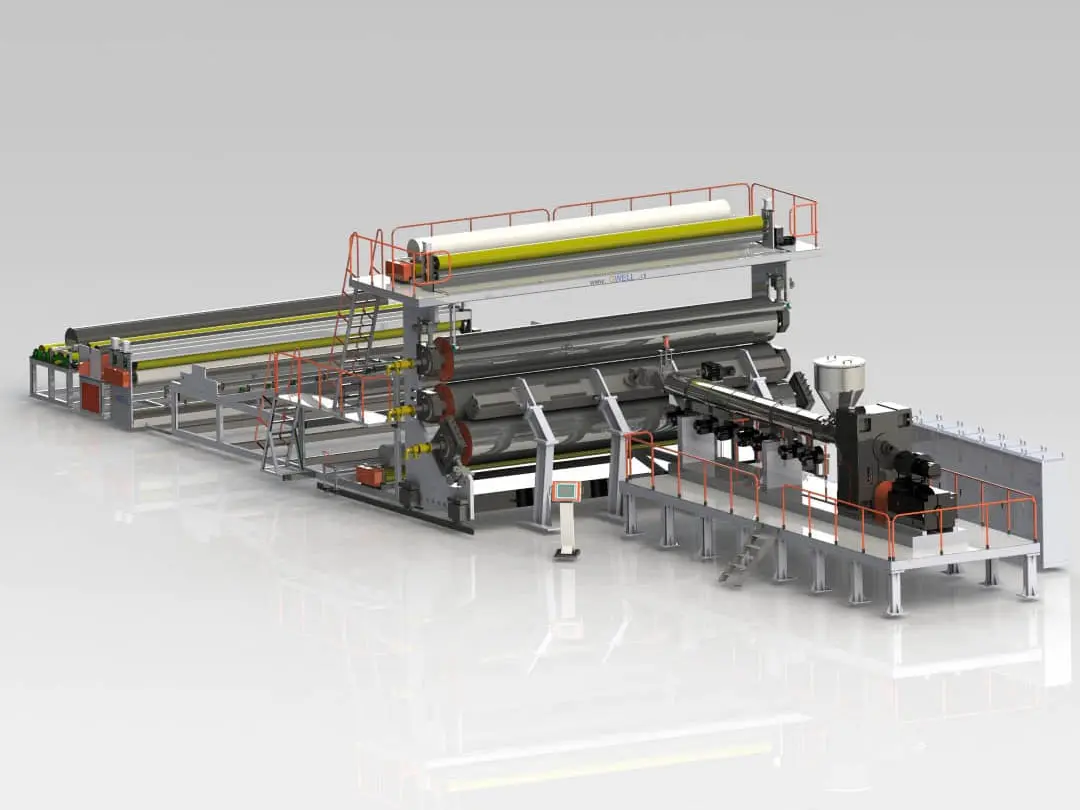
This is the starting point of the extrusion process. It consists of a hopper where the PVC or PE granules are loaded. The feeder system ensures a steady and controlled feed of the material into the extruder.
The extruder is the heart of the PVC and PE water stop extrusion line. It is a long, heated cylinder with a screw inside that rotates and pushes the material through the cylinder. The heat and pressure inside the extruder melt the PVC or PE granules, forming a homogeneous molten mass.
After the molten material exits the extruder, it passes through a die, which shapes the material into the desired cross-sectional profile of the water stop. The die is precision-engineered to ensure that the extruded product meets the specified dimensions and tolerances.
Immediately after exiting the die, the extruded water stop is passed through a cooling system, typically a water bath or a series of cooling rolls. This rapid cooling solidifies the material, maintaining its shape and dimensions.
A traction device or haul-off unit pulls the cooled and solidified water stop through the line at a constant speed, ensuring that the extrusion process remains continuous and efficient.
Once the desired length of the water stop is achieved, it is cut into individual pieces using a cutting station. This station may utilize automatic cutting mechanisms to ensure accuracy and efficiency.
The final step involves inspecting the extruded water stops for defects, such as cracks, bubbles, or inconsistencies in thickness. Once they meet quality standards, the water stops are packaged and prepared for shipment.
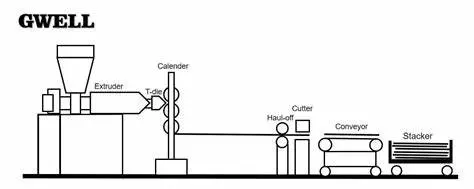
The operation of a PVC or PE water stop extrusion line begins with loading the feeder system with the appropriate granules. The extruder then melts the material under controlled conditions of temperature and pressure. As the molten material exits the extruder, it passes through the die, which shapes it into the desired profile. The cooling system solidifies the material, and the traction unit pulls it through the line at a consistent speed. Finally, the water stops are cut to length and inspected for quality before being packaged.
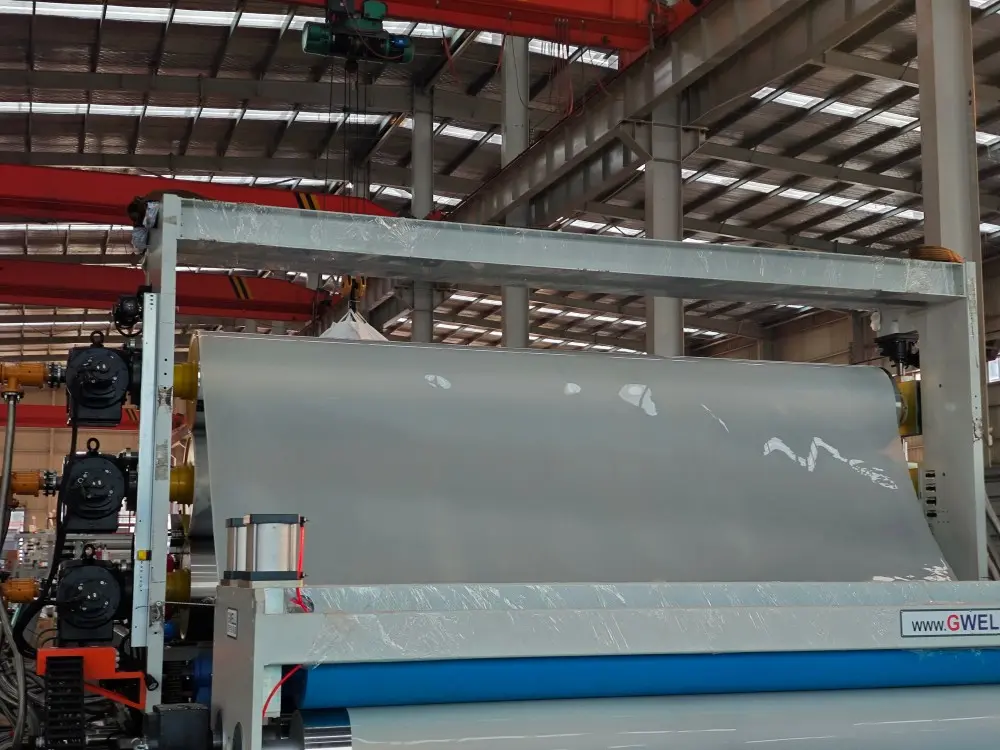
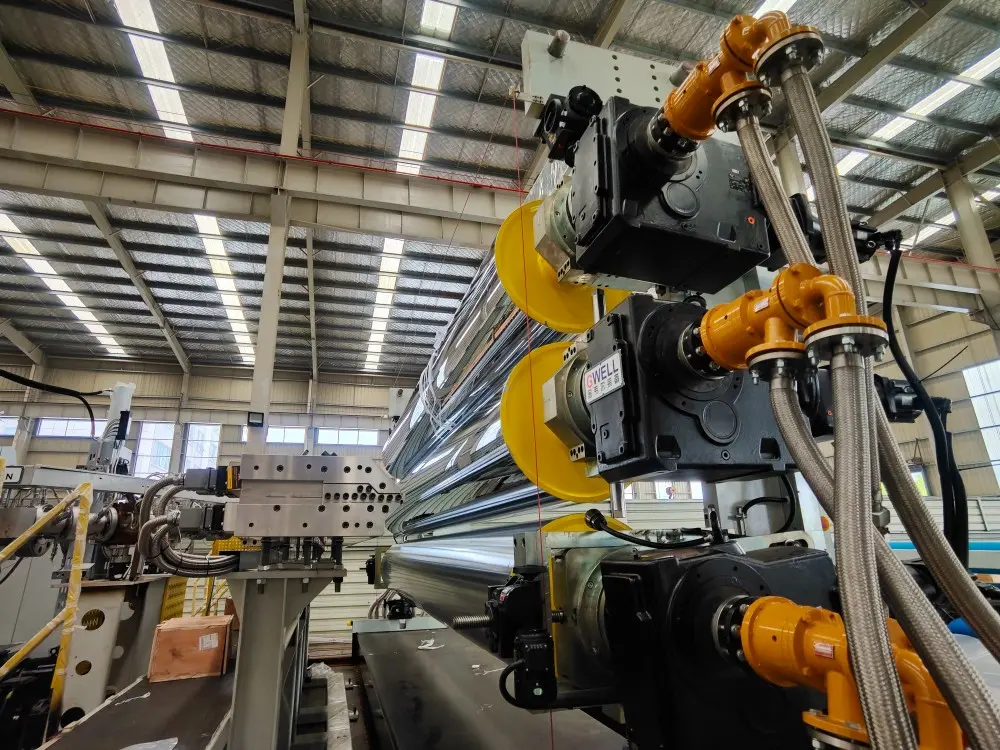
Extrusion lines enable the continuous and automated production of water stops, significantly increasing production efficiency and reducing labor costs.
The precision engineering of the extruder and die ensures that the water stops meet the exact specifications required for their application, including dimensions, tolerance, and material properties.
Extrusion lines can be scaled up or down to meet varying production demands, allowing manufacturers to adapt to fluctuations in market demand.
The automated and continuous nature of the extrusion process reduces material waste and increases productivity, leading to lower overall production costs.
PVC water stops are made from Polyvinyl Chloride, a thermoplastic material known for its durability, flexibility, and chemical resistance. These properties make PVC an ideal choice for water stops, as they can withstand exposure to water, chemicals, and varying temperatures without degradation or losing their effectiveness.
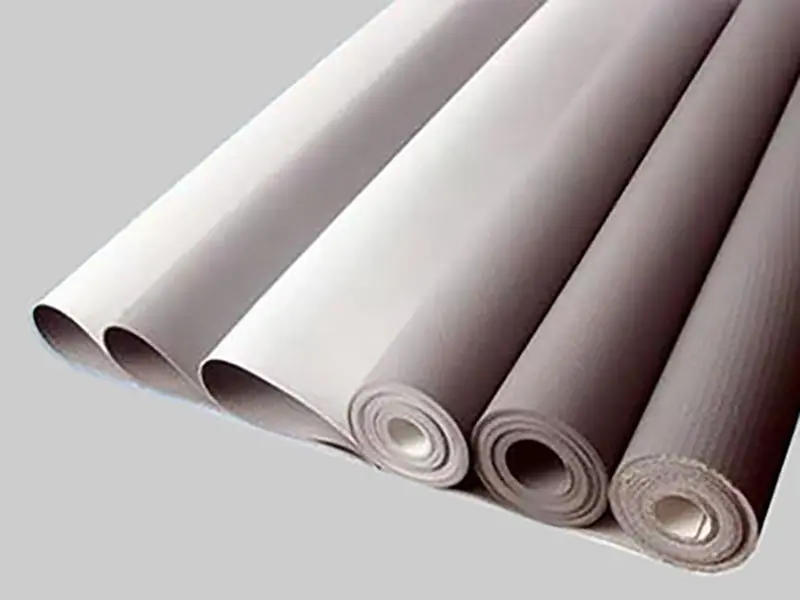
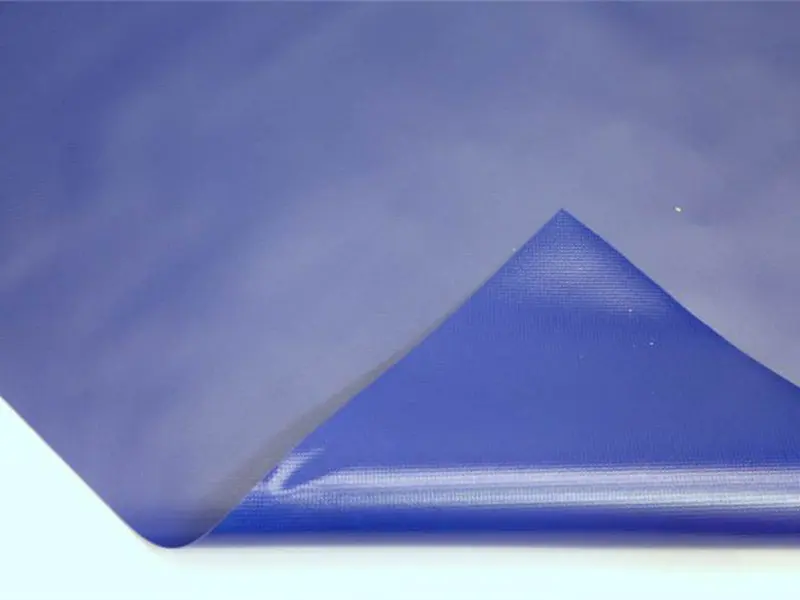
Concrete joints and cracks to prevent water ingress.
Tunnel linings and underground structures to maintain waterproof integrity.
Dams, reservoirs, and other water retention structures to prevent leakage.
One of the key advantages of PVC water stops is their ease of installation. They can be easily cut to size, shaped, and sealed using various methods, such as welding or adhesives, to fit seamlessly into the structure. Additionally, PVC water stops are available in a range of profiles and sizes, allowing for customization to meet specific project requirements.
Polyethylene (PE) water stops offer similar benefits to PVC but with some unique properties that make them suitable for specific applications. PE is known for its high flexibility and elongation properties, which allow it to accommodate movement and settlement in structures without cracking or breaking.
Joints and seams in flexible waterproof membranes.
Expansion joints in bridges, highways, and other infrastructure projects.
Areas subject to high dynamic loads or frequent movement.
Like PVC, PE water stops are easy to install and can be customized to fit various project needs. They are also resistant to UV radiation, making them suitable for outdoor applications where exposure to sunlight is a concern.
Both PVC and PE water stops are designed to withstand long-term exposure to water and chemicals, ensuring their effectiveness over the lifespan of the structure.
The materials used in these water stops can accommodate movement and settlement, maintaining their waterproof properties even under dynamic conditions.
Both PVC and PE water stops are easy to handle, cut, and install, reducing labor costs and installation time.
The durability and ease of installation of PVC and PE water stops make them a cost-effective solution for waterproofing structures.
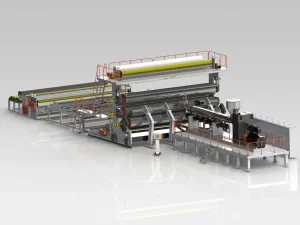
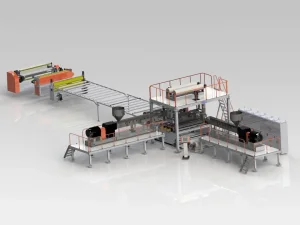
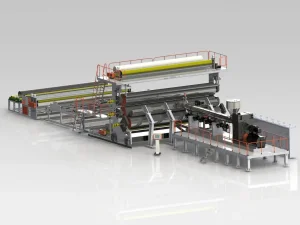
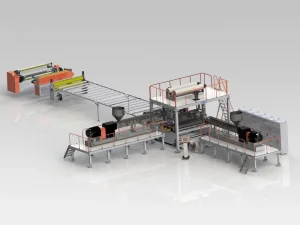
The extrusion line processes raw PVC or PE granules by heating, melting, and shaping them through a specialized die to continuously manufacture water stops with high dimensional precision and structural integrity.
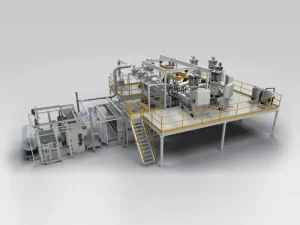
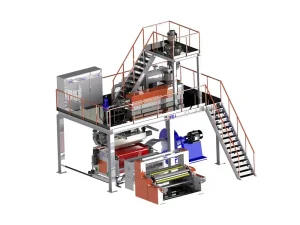
The line consists of seven key components: the Feeder System, the Extruder, the Die, the Cooling System, the Traction and Haul-off Unit, the Cutting Station, and the Quality Control and Packaging unit.
PVC water stops are ideal for concrete joints, tunnel linings, and water retention systems (like dams and reservoirs) where excellent durability, chemical resistance, and ease of thermal welding are required.
Polyethylene (PE) water stops offer exceptionally high flexibility and elongation properties. This allows them to handle significant structural movement, settlement, and dynamic loads without cracking.
Yes, PE water stops are highly resistant to UV radiation, making them an excellent choice for outdoor infrastructure projects and areas directly exposed to sunlight.
Automated extrusion lines minimize raw material waste, ensure consistent quality, reduce manual labor requirements, and maintain high-volume continuous output, lowering the overall production cost per unit.