
In the ever-evolving world of manufacturing, the importance of an efficient Plastic Extrusion Line cannot be overstated. According to the latest industry report by Smithers Pira, the global plastic extrusion market is expected to reach USD 18.3 billion by 2026. This growth underscores the demand for high-quality extrusion solutions among global buyers. Industry expert Dr. Emily Thompson points out, “Investing in advanced extrusion technology can drastically improve production efficiency and sustainability.”
Nevertheless, selecting the right Plastic Extrusion Line is not straightforward. Buyers must consider various efficiency metrics, material compatibility, and production scalability. A report from Plastics News highlights that many manufacturers struggle to optimize their extrusion processes due to outdated equipment. Investing wisely can lead to significant operational improvements. However, there’s a risk of becoming too focused on cost, potentially compromising quality.
Challenges in this sector require careful planning and adaptability. For instance, suppliers must offer solutions that cater to diverse production needs. It’s essential to remember that a well-chosen Plastic Extrusion Line is not just a cost but a long-term investment in innovation and efficiency.
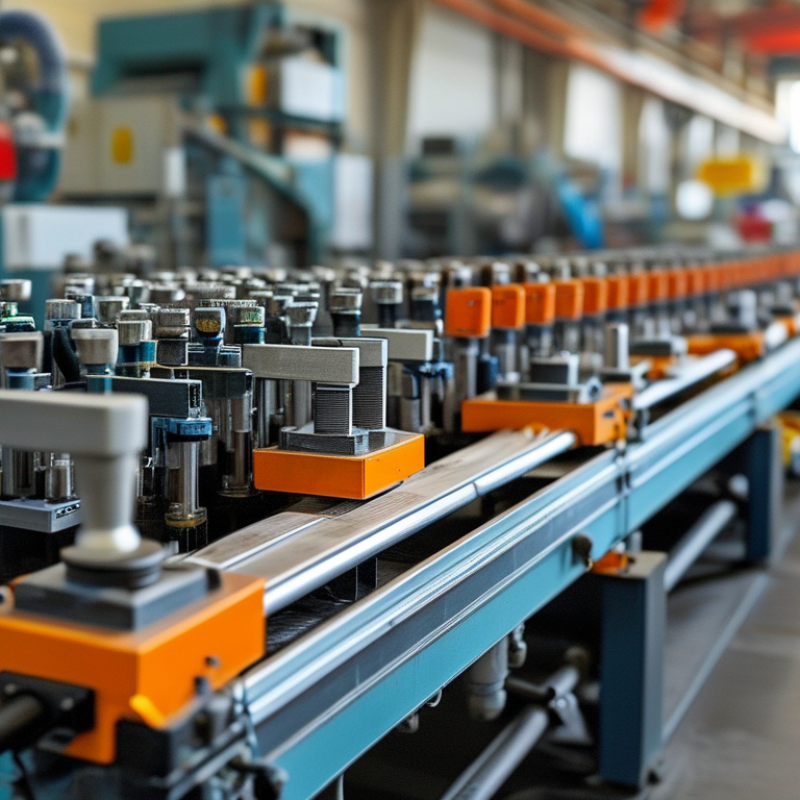
Plastic extrusion lines play a critical role in modern manufacturing. They enable the transformation of raw plastic materials into useful products. In 2022, the global plastic extrusion market was valued at approximately $25.7 billion and is projected to grow significantly over the coming years. This highlights their importance in sectors like automotive, packaging, and construction.
The efficiency of a plastic extrusion line impacts production costs and product quality. Industry reports suggest that optimizing these lines can increase output by 15% to 20%. However, many manufacturers still encounter challenges. Issues such as inconsistent material quality and equipment downtime can hinder productivity. Some studies show that up to 30% of extrusion lines experience unexpected failures, leading to costly delays.
Moreover, sustainability is becoming a priority. Many companies are exploring eco-friendly materials for extrusion processes. While this shift is promising, it also brings complexity in processing and machinery adjustments. The transition demands careful planning and training. Not all manufacturers have adapted fully, and some face obstacles in balancing efficiency with environmental responsibilities. This evolving landscape presents both opportunities and challenges for manufacturers worldwide.
When considering a plastic extrusion line, global buyers should focus on key features that influence performance and efficiency. The type of extruder is critical. Single-screw extruders are common for many applications, while twin-screw extruders excel in blending materials. According to industry reports, the market for twin-screw extruders is expected to grow by 5.8% annually from 2023 to 2028. This trend highlights their increasing relevance.
Another aspect to evaluate is the cooling system integrated within the extrusion line. Efficient cooling not only enhances product quality but also prevents deformation during processing. A well-designed cooling system can reduce energy consumption by up to 30%, optimizing operational costs. Buyers should also assess the control systems for automation. Advanced control systems ensure precision, reducing variability in production runs.
Tips: Always consider the scalability of any extrusion line. A system that accommodates future upgrades can save costs in the long run. Engage with industry experts to understand the latest technology trends. Continuous learning is essential. Adaptability should be a priority, as market demands frequently change. Understanding performance can take time, but effective solutions lead to improved quality and efficiency in production.
The evolution of plastic extrusion technology is set to make significant strides in 2026. Innovations focus on enhancing efficiency and sustainability. Industry reports indicate that the global market for plastic extrusion machinery is projected to reach $8 billion by 2026, growing at a CAGR of 5.2%. This growth signals a rising demand for advanced extrusion lines that minimize waste and energy consumption.
Recent developments in smart technology integration, such as IoT capabilities, allow real-time monitoring and adjustments. These tools can optimize production processes, reducing downtime and errors. In fact, studies reveal that manufacturers using advanced monitoring systems can improve efficiency by up to 30%. Such advancements provide essential competitive advantages in a rapidly changing market.
Tips for Choosing the Right Extrusion Line:
When considering plastic extrusion line solutions, global buyers have a wide array of choices. Leading suppliers are often distinguished by their technological advancements and production efficiency. A comparative analysis reveals notable differences in features and customer support. Understanding these elements is essential for making informed purchasing decisions.
Tip: Evaluate the technical specifications of each extrusion line. Pay attention to the machinery's capabilities and output rates. This foundational knowledge can guide you toward the best options.
Additionally, factors like after-sales service and repair support play a significant role. A supplier's reputation in these areas reflects their commitment to customer satisfaction. Buyer reviews and industry reports can provide insights into such attributes.
Tip: Don’t overlook the importance of scalability. A machine that adjusts to growing demands is invaluable. Flexibility can dictate your production capacity in the long run.
While researching, it's crucial to ask questions and seek clarification on any uncertainties. Even the most reputed brands may have gaps in their offerings. Reflecting on this ensures you find the most reliable and suitable solution for your needs.
In the quest for the best plastic extrusion line solutions, global buyers face numerous challenges. The market's growth is projected to reach $9.5 billion by 2026, underscoring the importance of selecting the right equipment. Buyers should prioritize reliability, efficiency, and supplier reputation when sourcing extrusion lines.
One effective tip is to evaluate the technology used in the extrusion process. Advanced systems, such as those utilizing real-time monitoring, can significantly enhance production quality and reduce downtime. Research indicates that companies using automated solutions report a 20% increase in output.
Buyers should also consider the level of technical support offered by suppliers. A strong service team can help navigate installation and troubleshooting processes. This support is crucial, as poor maintenance can lead to costly delays. Reflecting on your needs can help align your choice with the right supplier's capabilities. Assessing these factors will empower buyers to make informed decisions in a dynamic market.
| Dimension | Value | Unit | Comments |
|---|---|---|---|
| Production Capacity | 500 | kg/hr | Suitable for medium-scale operations |
| Energy Consumption | 80 | kWh | Energy efficient design |
| Line Width | 0.5 - 3 | mm | Versatile for different product types |
| Temperature Range | 180 - 220 | °C | Optimal range for most polymers |
| Material Compatibility | PE, PP, PVC | - | Supports a variety of plastics |
| Maintenance Frequency | Monthly | - | Regular checks recommended |
: They transform raw plastic into valuable products, crucial for various industries.
The market was valued at about $25.7 billion and is expected to grow.
Optimization can increase output by 15% to 20%, affecting costs and quality.
Issues like inconsistent material quality and unexpected downtime can hinder productivity.
Manufacturers are exploring eco-friendly materials, balancing efficiency and environmental responsibilities.
Key features include the type of extruder, cooling systems, and advanced control systems.
Efficient cooling enhances quality and can reduce energy use by up to 30%.
Innovations focus on efficiency and sustainability, with smart technology for real-time monitoring.
Buyers should consider systems that allow for future upgrades to save costs in the long run.
It's vital to check the supplier's track record and support options during evaluation.
The article titled "2026 Best Plastic Extrusion Line Solutions for Global Buyers" provides a comprehensive overview of the significance of Plastic Extrusion Lines in the manufacturing industry. It emphasizes the essential features that global buyers should consider, such as efficiency, versatility, and compatibility with various materials. Furthermore, the article highlights the latest technological innovations expected to shape Plastic Extrusion Lines in 2026, ensuring that manufacturers remain competitive and meet evolving market demands.
Additionally, a comparative analysis of leading suppliers offers insights into the prevailing options in the market, while best practices for selecting and sourcing these lines globally are discussed. This guidance is invaluable for buyers looking to invest in high-quality Plastic Extrusion Lines that can enhance production capabilities and meet specific operational needs.
