
Choosing the right HDPE board extrusion line can significantly impact your production efficiency. According to industry expert Dr. Emily Zhang, "Selecting the correct extrusion line is the backbone of successful HDPE manufacturing." This highlights the critical nature of making an informed decision when investing in this equipment.
The HDPE board extrusion line market is growing rapidly, with various options available. Businesses face challenges in choosing a line that suits their needs. Factors such as production speed, energy efficiency, and the quality of the final product must be considered. Each operation is unique, which can complicate the selection process. It is essential to understand both your production requirements and the technical specifications of different models.
Potential pitfalls exist when evaluating options. Overlooking key features can lead to inefficiencies. Additionally, one must assess the long-term reliability of the equipment. Companies often underestimate the importance of thorough research. In this context, understanding the intricacies of the HDPE board extrusion line becomes vital.
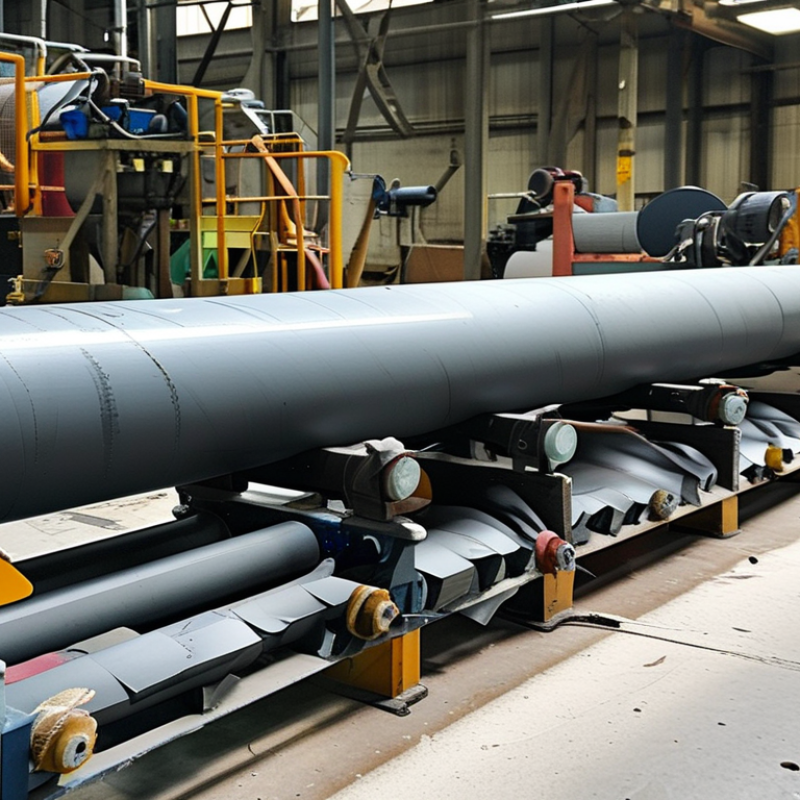
HDPE (High-Density Polyethylene) board extrusion lines are essential in various industries. They offer the versatility needed for creating durable products. These boards are widely used in construction, packaging, and automotive applications. According to a recent industry report, the global demand for HDPE products is projected to reach 45 million tons by 2025. This is a strong indicator of the material's growing importance.
Understanding the key components of HDPE board extrusion lines is crucial. These lines typically include an extruder, die, and cooling system. Each element plays a vital role in shaping the final product. Extruders must operate efficiently to optimize polymer flow. A study published in the Journal of Materials Science highlights that maintaining the right temperature is critical for product consistency. Inconsistent temperatures can lead to defects and quality issues.
Selecting the right extrusion line requires careful consideration of production requirements. Capacities, speeds, and material properties vary significantly. Reports suggest that lines with higher throughput can reduce operational costs but may require greater investments. Not every facility can achieve this balance seamlessly. Many manufacturers face challenges, such as equipment maintenance and operator training. Addressing these factors is vital for leveraging HDPE's potential.
Choosing the right HDPE board extrusion line is crucial for your production process. Key factors to consider include capacity, design, and technology. You need to ensure that the line meets your output requirements. Think about the volume you need daily. A machine that is too small can lead to delays. On the other hand, an oversized line may waste energy and resources.
Material compatibility is another important element. The extrusion line should effectively handle HDPE and any additives you plan to use. This compatibility affects product quality and processing efficiency. Assess the equipment configuration as well. A flexible setup allows for adjustments in production. Consider features like temperature control and automation levels. How user-friendly is the control system? Intuitive controls facilitate smoother operations.
Do not overlook the importance of support and maintenance. Reliable service can minimize downtime. Check if the supplier offers comprehensive training for your staff. An experienced operator can significantly enhance production consistency. Also, consider energy consumption; efficient machines have lower long-term costs. Reflect on these factors carefully, as they will influence your operational success. A wrong choice could lead to lost time and increased expenses.
| Key Factor | Description | Importance Level |
|---|---|---|
| Production Capacity | The amount of HDPE boards the line can produce within a time frame. | High |
| Extrusion Speed | Speed at which the HDPE material is extruded. | Medium |
| Material Quality | Quality of the materials used in the extrusion process. | High |
| Energy Efficiency | Power consumption during the extrusion process. | Medium |
| Cost | Overall investment required for the extrusion line. | High |
| Customization Options | Ability to modify the line for specific board specifications. | Medium |
| Technical Support | Availability of assistance and training from the manufacturer. | High |
When choosing an HDPE board extrusion line, understanding the technologies is crucial. Various extrusion methods exist, including single-screw and twin-screw extruders.
Single-screw extruders are commonly used and are known for their simplicity and cost-effectiveness. However, twin-screw extruders excel in processing versatility and can accommodate a wider range of material blends.
A report from the Plastics Industry Association notes that the twin-screw extruder market is expected to grow by 5% annually. This growth reflects the increasing demand for high-quality HDPE boards. Furthermore, twin-screw technology enhances mixing and compounding capabilities, which leads to improved end-product properties. These advantages make it appealing for businesses targeting high-performance applications.
However, the decision isn't merely about technology. Factors like production capacity, energy efficiency, and maintenance should also be considered. Some producers might find the higher initial investment of twin-screw systems challenging, especially smaller operations with limited budgets. It's worth contemplating the long-term benefits against the upfront costs. Additionally, flexibility in production might lead to adjustments in the extrusion process, posing another challenge for efficiency.
When selecting an HDPE board extrusion line, it's crucial to consider production capacity and efficiency. Effective output is essential for meeting your business demands. Assessing your anticipated volume is the first step. You need machinery that can handle peaks in production without causing delays. Reliability is a key factor here. Equipment that breaks down frequently leads to bottlenecks.
Moreover, energy efficiency plays a significant role. An efficient extrusion line can save costs in the long run. Look for features that optimize power consumption while maintaining high output levels. It's important to understand that not all lines may perform as advertised. Real-world testing and feedback from users can help identify strengths and weaknesses in performance.
Evaluating different extrusion lines requires diligent research. Seek expert opinions and reviews, but approach them with a critical mindset. The initial costs might be tempting, but consider long-term operational expenses. Some producers may skimp on quality to lower prices. This can lead to future headaches. Balancing cost with reliability and efficiency is key to making the best choice for your production needs.
When investing in an HDPE board extrusion line, maintenance and support are crucial. Equipment reliability directly affects production efficiency. Regular maintenance ensures the machines run smoothly. Neglecting maintenance can lead to unexpected breakdowns, resulting in costly downtimes.
Tips for maintenance: Establish a routine check-up schedule. Simple tasks, like cleaning and lubricating, can prolong equipment life. Document maintenance activities, noting any issues that arise. This will provide insights for future improvements.
Support services are essential too. Evaluate the manufacturer's support options. Quick response times can save a lot of time. Assess online resources, like manuals or troubleshooting guides, which are valuable for resolving minor issues independently. A proactive approach to support can minimize disruptions.
: Single-screw extruders are simple and cost-effective, while twin-screw extruders offer better mixing and processing versatility.
The twin-screw market is growing due to their ability to enhance quality in HDPE board production.
Consider production capacity, energy efficiency, and maintenance requirements along with the type of extruder.
Establish a routine check-up schedule, clean regularly, and document maintenance activities for future reference.
Neglect can lead to unexpected breakdowns, causing costly downtimes and reduced production efficiency.
Assess manufacturer support options and online resources for resolving minor issues quickly.
Reflect on the long-term benefits compared to upfront costs to better manage limited budgets.
Greater flexibility might require adjustments in the process, which can challenge efficiency.
Documentation helps identify recurring issues, which can lead to improvements in equipment usage and efficiency.
A quick response can minimize disruptions, allowing for smoother and more efficient production processes.
When selecting the best HDPE Board Extrusion Line for your needs, it's essential to understand the various applications of these systems, which can range from construction to packaging. Key factors to consider include the technology utilized in the extrusion process, the production capacity and efficiency of the line, and the availability of maintenance and support services. By comparing different types of HDPE Board Extrusion technologies, you can identify the most suitable option tailored to your production requirements.
Furthermore, evaluating the production capacity and efficiency of the extrusion lines is crucial for optimizing throughput while ensuring consistent quality. Lastly, considering the maintenance and support options available for the HDPE Board Extrusion Line will help ensure long-term operational effectiveness and reduce potential downtime, ultimately enhancing your production process.
