Choosing an Abs Profile Extrusion Machine is not a simple catalog decision. The right model must match resin behavior, profile geometry, output targets, and daily production conditions. In practice, a machine that looks powerful on paper may struggle with thin corners, uneven cooling, or frequent color changes. Small details matter.
This guide presents seven practical tips for evaluating equipment with greater confidence. It considers screw design, barrel heating, die compatibility, calibration systems, cooling capacity, automation, and after-sales support. Experienced operators also inspect melt stability, temperature control, and sample profiles before approving a purchase. Ask for measured test results, not attractive promises. A reliable supplier should explain tolerance ranges, energy use, maintenance intervals, and replacement-part availability. Factory visits, customer references, and documented commissioning records can reveal more than polished brochures.
Do not ignore the material. ABS may require steady processing temperatures and careful ventilation, especially when additives or recycled content are used. Confirm specifications with qualified engineers and follow local workplace and equipment-safety requirements. One overlooked issue can stop a production line for hours. That happens more often than expected.
The selection process is rarely perfect. Budget pressure may encourage compromises, while future product changes can make today’s ideal machine feel limited. Use production samples, realistic calculations, and written supplier commitments to reduce that risk. A thoughtful Abs Profile Extrusion Machine choice should support stable quality, manageable costs, and safer long-term operation.
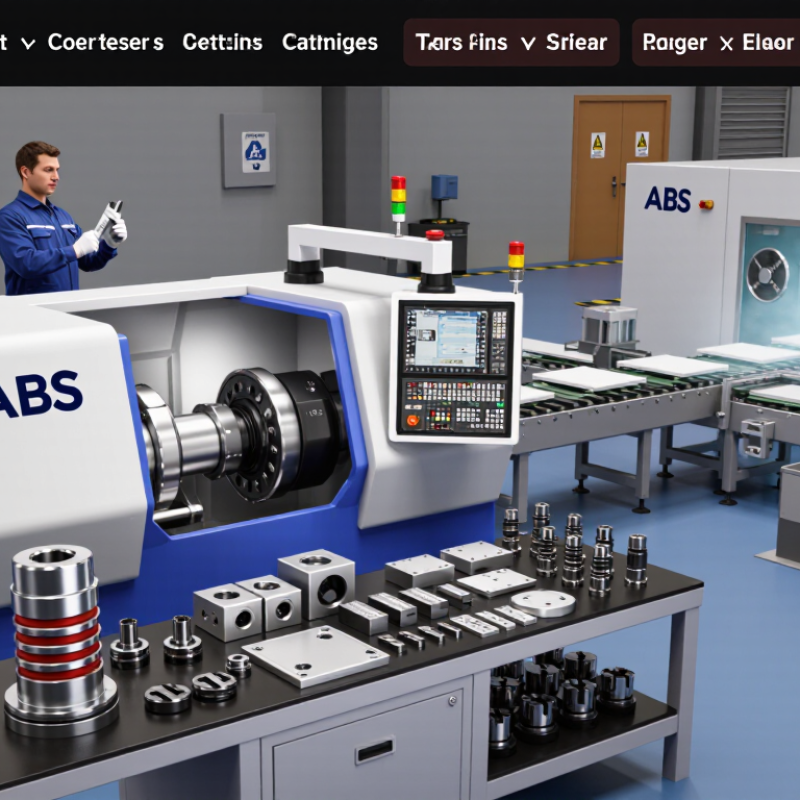
Define the Production Requirements for Your ABS Profile
Defining your ABS profile requirements is the real starting point for choosing an extrusion machine. Record the profile’s width, height, wall thickness, and target length before comparing equipment. A narrow trim strip needs different control from a thick structural section. Small differences matter.
Estimate the required output in kilograms per hour. Include the planned production speed, scrap rate, and future capacity. For example, a 40-millimeter profile running at 2.5 meters per minute may need a different screw size than a 100-millimeter housing. Check the ABS grade, melt flow range, colorants, and impact modifiers. These details affect melting behavior and pressure stability. Do not select a die from a drawing alone. Confirm shrinkage, corner definition, and tolerance requirements with trial samples.
Cooling and calibration deserve equal attention. A profile with a glossy surface may require controlled water temperature and steady vacuum pressure. The haul-off must grip the profile without leaving marks. Ask whether the line can hold dimensional tolerances during an eight-hour production run, not just during a short test. I have seen specifications overlook startup waste and cleaning time. That mistake becomes expensive. Leave room for adjustment. Production conditions rarely match laboratory expectations exactly. Record actual power use, output, and dimensional variation during trials. These measurements are more reliable than optimistic catalog figures.
Compare Machine Specifications and Extrusion Capabilities
When choosing an ABS profile extrusion machine, compare specifications against your actual production needs. A larger motor does not automatically produce better profiles. Check screw diameter, length-to-diameter ratio, heating zones, and maximum melt pressure. These details affect melting stability and surface quality.
Review the stated output range in kilograms per hour. Then compare it with your target profile size, wall thickness, and line speed. A machine rated for high output may perform poorly with narrow trims or thin channels. Die width and adjustment accuracy also matter. Small die errors can create uneven walls, visible bends, or difficult assembly. Look for precise temperature control across each barrel zone. ABS needs steady heat, not sudden changes. Cooling tanks, haul-off speed, and cutter control should match the extrusion rate.
Ask how the machine handles different ABS grades, recycled content, and color changes. Material variation can expose weak temperature control. I have seen operators focus on output figures and overlook calibration space. That mistake increases setup time. Check whether the control system records pressure, temperature, and motor load. Useful records make troubleshooting more reliable. Safety guards and emergency stops deserve equal attention. They protect operators during cleaning and die changes. A practical trial with your own ABS material is valuable. Test pieces may reveal issues that brochures never show. Even experienced buyers can miss this.
7 Tips for Choosing an ABS Profile Extrusion Machine
Compare screw diameter, screw length-to-diameter ratio, drive power, and practical ABS throughput before selecting a machine. The benchmark below shows representative specifications for common single-screw configurations used in ABS profile extrusion. Actual output depends on profile geometry, die design, melt temperature, cooling, and material formulation.
How to read the chart: Larger screw diameters generally support higher throughput, while a longer L/D ratio can improve melting and mixing. Choose a machine with enough motor capacity and output headroom for stable production rather than sizing only for the average required rate.
Evaluate Material Compatibility and Process Stability
7 Tips for Choosing an ABS Profile Extrusion Machine
Evaluate ABS compatibility before comparing machine size or purchase price.
Check the required ABS grade, impact level, color, and additive package. Reinforced grades can increase torque and accelerate screw wear. Flame-retardant grades may need gentler heating and shorter residence time. Ask for documented melt-temperature ranges from the material supplier. Do not rely only on a machine’s advertised temperature limit. It can mislead.
Process stability depends on several connected details.
Confirm that the screw design suits ABS viscosity and output requirements. Examine barrel heating zones for even control, not just maximum heat. Verify die pressure, vacuum calibration, and cooling capacity with actual profile dimensions. Moisture also matters, even when ABS appears dry. Poor drying may create silver streaks, bubbles, or a rough surface. Use measured moisture data whenever possible.
Run a controlled trial with production-grade pellets.
Record melt temperature, motor load, pressure variation, line speed, and profile weight. Watch the first thirty minutes closely. Stable pressure is valuable evidence. Inspect corners, wall thickness, and cut ends after cooling.
I once accepted a smooth sample that later warped during a longer run. That mistake taught me to test steady production time, not only initial appearance.
Leave room for adjustment. Real factories rarely behave like laboratory trials.
Assess Automation, Maintenance, and Operator Safety
When choosing an ABS profile extrusion machine,
assess automation beyond its output speed. Automatic feeding, temperature control, and profile measurement can reduce variation between production runs. However, excessive automation may hide developing faults from operators. That detail matters. Choose a system with clear alarms, accessible data, and manual inspection points.
Maintenance should be practical on a busy factory floor.
Check whether heaters, thermocouples, filters, screws, and calibration points are easy to reach. A maintenance schedule should cover barrel cleaning, die inspection, lubrication, and sensor testing. Keep replacement parts identified and documented. Small errors accumulate. In my experience, operators often postpone cleaning when access is awkward, even when the manual gives good instructions. Machine design should make the correct action easier.
Operator safety requires more than an emergency-stop button.
Look for guarded nip points, insulated hot surfaces, interlocked access doors, and clearly marked controls. The cooling section may appear harmless, but wet floors and moving haul-off equipment create practical risks. Training should include startup, shutdown, jam removal, and safe isolation procedures. Use lockout procedures before reaching into hazardous areas. A short trial run can reveal unexpected pinch points, confusing alarms, or poor visibility. Do not treat these findings as minor. Adjust the layout, controls, or training before regular production begins.
Review Supplier Support, Total Cost, and Machine Reliability
7 Tips for Choosing an ABS Profile Extrusion Machine
Choosing an ABS profile extrusion machine requires more than comparing purchase prices.
Supplier support can determine how quickly production recovers after a fault. Ask about installation, operator training, troubleshooting, and spare-part availability. Get response times in writing. A helpful sales call is not enough. Request service records or customer references from similar applications. Their experience with ABS processing should include temperature control, die adjustment, cooling, and calibration.
Calculate the total cost over several years.
Include energy use, tooling, maintenance, replacement heaters, labor, and expected downtime. A low-priced machine may become expensive after repeated stoppages. Ask for realistic output data, not only ideal test results. Check whether the quote includes commissioning and software updates. Small omissions matter. I once underestimated the cost of custom tooling, and the delivery delay affected an entire production schedule.
Machine reliability depends on design, workmanship, and daily maintenance.
Inspect the control cabinet, screw condition, gearbox specifications, and cooling system. Ask how the machine handles temperature changes during long ABS runs. Stable control reduces surface defects and material waste. Request a factory acceptance test using a comparable profile. Measure output consistency, dimensional accuracy, noise, and power consumption.
Leave room for doubt. Supplier claims can sound precise, but independent inspection may reveal practical weaknesses.
A detailed maintenance schedule, clear warranty terms, and accessible technical support provide stronger protection than attractive specifications alone.
Conclusion
Choosing the right Abs Profile Extrusion Machine begins with clearly defining your production requirements, including profile dimensions, output volume, wall thickness, tolerances, and surface quality. These details provide a practical foundation for comparing machine specifications, screw design, extrusion capacity, temperature control, and forming performance. A machine should also be compatible with the selected ABS materials and additives while maintaining stable melting, mixing, cooling, and sizing conditions throughout production.
Beyond basic output, consider automation features, process monitoring, ease of maintenance, and operator safety. Efficient controls can improve consistency, reduce material waste, and simplify daily operation, while accessible components help minimize downtime during cleaning or servicing. Finally, evaluate supplier technical support, spare-part availability, training, energy use, and overall operating costs rather than focusing only on the initial purchase price. A reliable Abs Profile Extrusion Machine should deliver stable long-term performance, flexible production capability, and dependable support that matches your current needs and future expansion plans.