
Choosing the right Abs Board Extrusion Line can significantly impact production quality and efficiency. Industry expert Dr. Michael Thompson emphasizes, "Selecting the correct extrusion line is foundational for durability and performance." His insights reflect the critical nature of this decision in manufacturing.
When considering an Abs Board Extrusion Line, manufacturers must evaluate several key factors. These include the machine's technology, output capacity, and compatibility with existing systems. Experienced operators often share that even minor miscalculations in these areas can lead to costly delays.
Many overlook the importance of machine maintenance and support. It's essential to research the manufacturer's reputation. Often, good service can mean the difference between smooth operations and frequent breakdowns. Lastly, gathering feedback from current users can reveal potential pitfalls. Reflecting on this, one should approach the selection process thoughtfully.
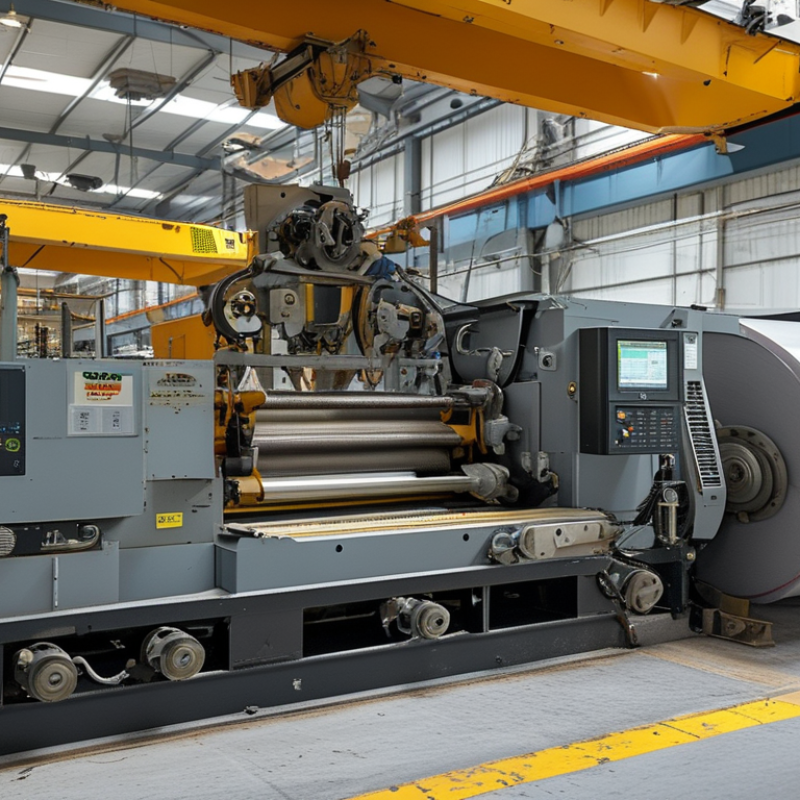
When exploring ABS board extrusion, it’s crucial to understand its key features and benefits. ABS boards are strong, lightweight, and resistant to impact. They find applications in various fields, from automotive parts to consumer goods. The extrusion process plays a vital role in shaping these boards efficiently. An optimal extrusion line can enhance production quality and consistency.
To select the best ABS board extrusion line, focus on the line's capacity. The right line should comfortably accommodate your production demands. Additionally, look for features like precise temperature control. This ensures proper melting of the material, leading to better quality boards.
Consider the technical support provided by the manufacturer. A reliable support system can prevent costly downtimes. Lastly, assess the energy efficiency of the line. Lower energy consumption can result in significant cost savings over time. Take the time to evaluate how these aspects align with your production goals for a successful extrusion process.
When selecting an ABS board extrusion line, production capacity is key. Start by determining the volume of products you need to produce. It’s crucial to match the extrusion line's capacity with your production goals. Too low a capacity can hinder output, while too high may lead to wastage.
Evaluate the specifications of the line. Look for factors like screw diameter, barrel length, and maximum throughput. Each of these elements influences the quantity and quality of the extruded products. Verify the line's efficiency in transforming raw materials into finished products. Sometimes, a higher capacity line may not equate to better quality.
Consider your operational workflow. Sometimes, complex setups can lead to increased downtime. It's essential to analyze maintenance schedules and operational flexibility. This part often lacks attention but impacts long-term productivity. Reflect on your needs and how each machine aligns with your goals. This reflection can reveal areas for improvement in your selection process.
Choosing the right ABS material is crucial for successful board extrusion. Not all ABS is created equal. The choice of polymer can affect the mechanical properties and appearance of the final product. Consider factors like impact resistance, thermal stability, and color. Each application may demand different specifications.
Recycled ABS can be a cost-effective alternative, but it may lack consistency in quality. Variations in texture and color can occur. This unpredictability can affect your production process. Testing the materials before committing to bulk orders is wise. Quality assurance can save you time and resources.
Pay attention to suppliers. Their expertise and reliability play a significant role in your success. Do not hesitate to ask for certifications. Understanding the material's origin can provide insight into its reliability. Partnering with a knowledgeable supplier can help navigate these decisions effectively.
When budgeting for an efficient ABS board extrusion line setup, several key factors contribute to overall costs. The initial investment in machinery can range significantly, with estimates suggesting anywhere from $200,000 to $500,000 depending on capacity and technology. Recent industry reports indicate that an efficient line can yield a return on investment (ROI) within two to three years, making it essential to weigh long-term benefits against initial expenditures.
In addition to machinery costs, consider operational expenses such as energy consumption and maintenance. Data shows that energy costs can account for up to 25% of total operational expenses. Investing in energy-efficient equipment can significantly reduce these costs over time. Maintenance is another often-overlooked budget item. Regular maintenance can prevent costly downtime, but companies may not always allocate enough resources for this.
Additionally, potential hidden costs should be carefully assessed. For example, staffing expenses for trained operators can elevate total costs significantly. Industry studies highlight that skilled labor often comprises 15-20% of the total operational budget. Balancing these various elements ensures that your investment in an extrusion line is not only economically feasible but also positioned for optimal performance and sustainability.
When selecting an ABS board extrusion line, maintenance and support are critical for ensuring its longevity. Regular maintenance can increase equipment lifespan and efficiency. According to industry experts, up to 80% of machinery failures stem from lack of proper upkeep. Timely inspections and routine service can prevent costly downtime.
Replacement parts and support should also be readily accessible. A study by the Manufacturing Institute found that 60% of production disruptions are due to insufficient technical assistance. Ensuring your team has access to knowledgeable professionals can mitigate these risks effectively. Training your staff in basic troubleshooting and maintenance also enhances operational continuity.
Understanding the specific needs of your equipment is vital. For instance, different extrusion lines require tailored lubrication regimes. Overlooking these specifics could lead to serious issues. Issues like overheating and excessive wear can arise from neglect. Seeking advice from industry professionals can reveal valuable insights into best practices for maintaining your equipment. Continuous learning and adaptation are necessary in this rapidly evolving sector.
BS board extrusion?
Focus on the line's capacity to meet your production demands for efficiency.
Precise temperature control ensures proper melting, leading to better quality boards.
Reliable technical support can reduce costly downtimes and enhance production consistency.
Screw diameter, barrel length, and maximum throughput all influence efficiency and product quality.
Different ABS polymers can impact mechanical properties, appearance, and overall performance.
It can be cost-effective, but may present quality inconsistencies that disrupt production.
Test materials first to ensure they meet your quality standards and production needs.
Ask for certifications and verify their expertise to ensure material quality.
Reflecting on operational workflows and maintenance schedules can highlight oversights and opportunities.
When selecting the best ABS Board Extrusion Line, it's crucial to understand the fundamental features and benefits that these systems offer. An effective extrusion line not only enhances production capacity but also ensures the use of high-quality materials, which are essential for achieving optimal results. Evaluating the production capacity involves assessing factors such as output rate and flexibility, while material considerations focus on choosing the right grade of ABS for your specific needs.
Additionally, a thorough cost analysis is vital for budgeting an efficient extrusion line setup, as it impacts overall profitability. Finally, understanding maintenance and support options can significantly influence the longevity and performance of your equipment. By considering these key aspects, businesses can make informed decisions that lead to successful ABS board production.
