
Selecting the right Board Extrusion Line is crucial for manufacturers aiming for efficiency and quality. The global market for board extrusion has been growing rapidly, with a projected increase of 5.1% annually. Industry expert Dr. John Smith, a leader in extrusion technology, emphasizes, "Choosing the right equipment impacts overall production success."
Understanding your production needs is essential. Whether for foam board, PVC, or advanced composite materials, each line has unique features. Research shows that investing in the proper technology can increase output by up to 30%. However, not all businesses assess their requirements adequately, leading to unforeseen costs and downtime.
Moreover, technology evolves quickly. A poorly chosen Board Extrusion Line can become obsolete fast. Companies often overlook this aspect. They may also fail to consider future scaling, which can hinder growth. It's vital to balance current demands with future ambitions. Prioritizing informed decision-making will lead to a more resilient and efficient production environment.
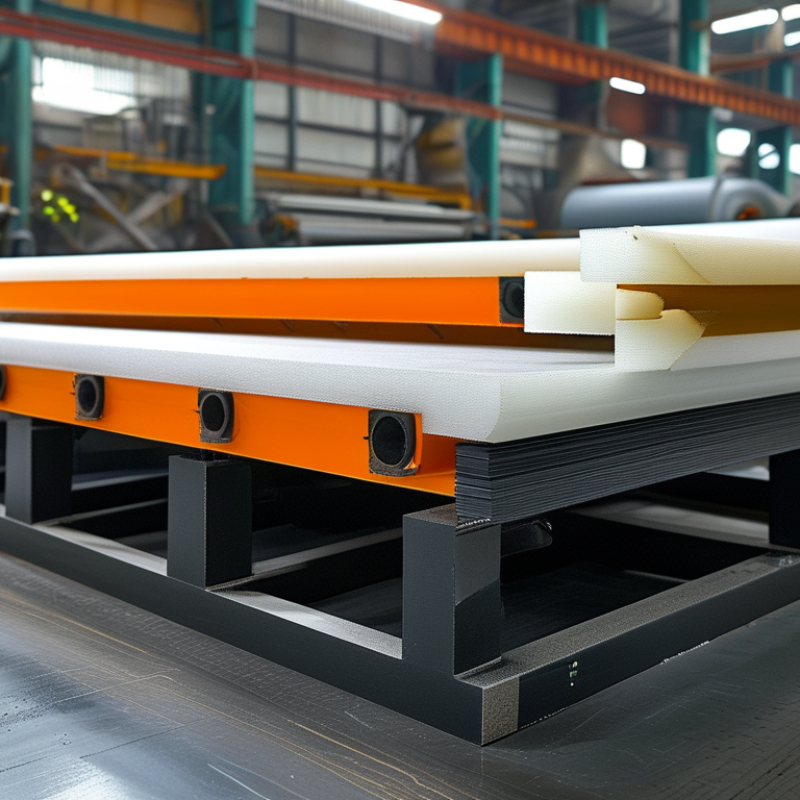
Board extrusion technology is crucial for producing high-quality boards. It involves melting polymers and forming them into sheets. The process starts with the selection of raw materials, which significantly impacts the final product. Choosing quality polymers ensures durability and performance.
Temperature control during extrusion is vital. It affects viscosity and flow rate. Improper settings can lead to defects, which may include voids or surface imperfections. Regular monitoring is necessary to spot issues early. Knowledge of different extrusion methods enriches the decision-making process.
Some might overlook the importance of die design. A well-designed die shapes material uniformly, leading to consistency in thickness and density. However, designing a die can be challenging. It requires expertise and testing to refine designs. A smooth and efficient process is the goal, but it takes time and patience to achieve perfection.
When selecting a board extrusion line, understanding production needs and capacity requirements is crucial. A clear assessment helps determine the specific size, speed, and technology that best suits your operation. According to industry reports, manufacturers handling between 5,000 to 10,000 kg of output per hour often see the best return on investment. However, every operation is unique.
Evaluate the types of materials you will be extruding. Different materials have distinct processing requirements. For example, PVC has specific thermal properties that can affect the extrusion process. Consider the complexity of the product designs as well. More intricate designs may require advanced extrusion technologies.
Tip: Always consider scalability. Choose a line that can adapt to future production increases. Avoid selecting equipment based solely on current needs. Investing in a more versatile line can save costs in the long run. Frequent assessments of your production goals can prevent misalignment.
Another critical aspect is energy efficiency. The right line should not only meet production needs but also reduce energy consumption. Reports indicate that energy-efficient lines can lower operational costs by up to 30%. This calls for balancing immediate production demands with long-term operational sustainability. Production teams should continuously review their output and processes for areas of improvement.
When evaluating extrusion lines, several key features are crucial for decision-making. First, one must consider the line’s capacity. This is the maximum output it can produce. A higher capacity can lead to increased productivity, but it often comes with higher initial costs. Understanding your production needs is essential before making a decision.
Another important factor is the degree of automation. Automated systems can drastically reduce labor costs and improve consistency. However, not all operations require full automation. Sometimes, a semi-automated system may suffice. It's vital to assess the skill level of your workforce when making this choice.
Temperature control is also a significant consideration. Maintaining optimal temperatures ensures product quality. Poor temperature regulation can lead to defects. Equipment with advanced control features may come at a premium but can save costs on maintenance in the long run. While fitting all these features into a budget can be challenging, a thoughtful evaluation can lead to better investment choices.
When selecting a board extrusion line, assessing the quality and durability of materials is crucial. This step impacts the final product performance significantly. According to industry reports, the right materials can enhance output efficiency by up to 30%. High-quality materials ensure that your boards can withstand various environmental conditions, reducing costs associated with replacements.
Material testing can also reveal crucial data. For example, thermoplastic materials exhibit varying levels of tensile strength. Some reports suggest that materials with a tensile strength of at least 50 MPa can improve long-term performance. However, achieving this strength may require thorough evaluation of the sourcing process and supplier reliability. Lack of diligence in material selection risks compromising product quality.
Additionally, the production process should accommodate the specific properties of chosen materials. Variability in melting temperatures or processing times can lead to defects. A study found that 15% of production failures attributed to poor material compatibility could be avoided with better planning. Addressing these challenges can enhance the durability of the final product, ensuring it meets market demands effectively.
When selecting a board extrusion line, maintenance and support services must not be overlooked. Regular maintenance is crucial for the longevity of your equipment. A well-maintained line operates efficiently and produces quality products. Scheduling routine inspections can prevent unexpected breakdowns that disrupt production. Understanding the maintenance requirements of the equipment is vital. Some systems require more frequent checks, while others are more robust.
Support services are equally important. A reliable support team can guide operators on troubleshooting and repairs. They can also provide timely assistance when issues arise. Choosing a manufacturer with a solid reputation for customer service is essential. It's wise to evaluate the availability of spare parts and how quickly they can be delivered. Consider whether the company offers training for your team. This can reduce the likelihood of operator errors that lead to costly downtime.
It's also beneficial to see if there are customer reviews or case studies available. This insight can reveal common challenges faced by others. Evaluate their experiences with maintenance and support. Sometimes, even the best systems can have issues. Recognizing and addressing these challenges leads to better decision-making. Reflecting on your specific production needs will guide you to the right choice.
: Board extrusion technology melts polymers to form sheets. Quality polymers impact durability and performance.
Temperature impacts viscosity and flow rate. Improper settings cause defects like voids or surface imperfections.
A well-designed die shapes material uniformly. This ensures consistent thickness and density in the final product.
Designing a die is complex. It requires expertise and thorough testing, which can be time-consuming.
Regular maintenance prolongs equipment life. A well-maintained line operates efficiently and minimizes production downtime.
Reliable support can aid in troubleshooting. Evaluate response times and the provision of operator training.
Reviews reveal common challenges faced by users. They provide insights into maintenance issues and support experiences.
Some systems need frequent checks. Understanding your equipment's specific requirements is crucial for optimal operation.
Choosing the right Board Extrusion Line is crucial for maximizing production efficiency and product quality in board manufacturing. To start, it's essential to understand the basics of board extrusion technology, including the processes involved and the types of materials used. Next, identifying your specific production needs and capacity requirements will help in selecting a line that can meet your operational goals effectively.
When evaluating potential extrusion lines, focus on key features that enhance performance, such as temperature control, material handling, and customization options. Additionally, assess the quality and durability of the materials used in the construction of the line to ensure longevity and reliability. Finally, considering maintenance and support services is vital to keep the Board Extrusion Line running smoothly, thus minimizing downtime and maximizing output. By carefully analyzing these aspects, manufacturers can make informed decisions that will lead to successful production outcomes.
