
The global market for Plastic Board Extrusion Equipment is expanding rapidly. According to a recent market research report, the demand for plastic boards is predicted to grow by 4.5% annually over the next five years. This growth signifies an increasing interest in high-quality, efficient extrusion technologies. Manufacturers are now focusing on sustainable materials and energy-efficient processes.
However, not all Plastic Board Extrusion Equipment meets these evolving standards. Buyers must navigate a landscape filled with varied product offerings and manufacturers. Some equipment may offer short-term gains but lack durability. Selecting the right machinery is a challenge that requires careful consideration.
In this complex environment, detailed knowledge of industry trends is essential. Industry leaders stress the importance of investing in reliable equipment that can adapt to future demands. Innovations in automation and control systems are crucial for optimizing production efficiency. Ultimately, understanding the strengths and weaknesses of various options can lead to better purchasing decisions.
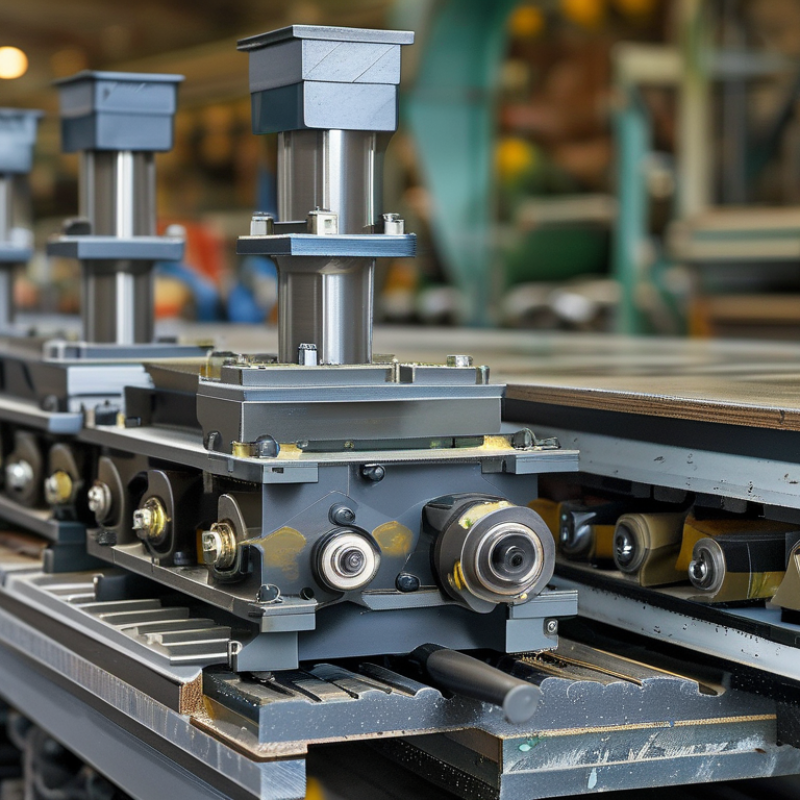
The plastic board extrusion equipment market shows significant trends toward automation and efficiency. According to market research, the global extrusion equipment market size was valued at approximately $28.5 billion in 2022. It is expected to grow at a compound annual growth rate (CAGR) of 4.2% through 2030. This growth indicates an increasing demand for high-quality production capabilities among manufacturers.
Notably, the rise in sustainable materials is influencing this sector. Producers are increasingly exploring bioplastics and recycled materials for board production. Reports indicate that around 30% of manufacturers have invested in machinery compatible with such materials. This shift may require investments in new equipment, signaling a potential gap for smaller companies that may struggle to adapt.
Additionally, operational efficiency remains a top concern. Many companies are now focusing on energy-efficient machinery. The transition could pose challenges as older equipment may not meet new standards. Furthermore, continuous upgrades are essential to maintain productivity and reduce waste. The need for reliable aftermarket services also emerges as a critical factor for sustaining long-term buyer relationships.
| Equipment Type | Application | Production Capacity (kg/hr) | Energy Consumption (kWh) | Market Trend |
|---|---|---|---|---|
| Single Screw Extruder | General Plastic Sheets | 200-600 | 50-100 | Stable Growth |
| Twin Screw Extruder | Composite Materials | 300-800 | 75-150 | Increasing Demand |
| Sheet Extrusion Line | Plastic Sheets Production | 400-900 | 60-120 | Technological Advancement |
| Profile Extrusion Machine | Custom Plastic Profiles | 250-700 | 80-140 | Niche Market Growth |
| Blown Film Extruder | Flexible Packaging | 100-300 | 90-160 | Sustained Demand |
: Material compatibility is crucial. Ensure the machine can process various polymers like PVC, PP, and PS.
Energy-efficient machines can reduce operational costs by nearly 30%, making them appealing to manufacturers.
An ideal machine should easily adjust for different thicknesses and widths to meet diverse customer needs.
Automation enhances production speed and minimizes human error but involves high initial costs.
Evaluating the return on investment is necessary. Smaller businesses should weigh initial costs against long-term benefits carefully.
Single screw is efficient for thermoplastics, while twin screw excels in mixing materials but is more complex and costly.
Innovations focus on efficiency, sustainability, and advanced materials that endure extreme conditions.
High investments in smart technology may challenge smaller companies to compete with larger ones effectively.
Balancing performance and sustainability is vital as industries face pressure to reduce waste and improve processes.
Consider specific material properties and production scales to reduce waste while maintaining quality.
The article "Top Plastic Board Extrusion Equipment for Global Buyers" provides a comprehensive overview of the current trends in the Plastic Board Extrusion Equipment market. It highlights key features that buyers should consider when selecting extrusion machines, emphasizing factors such as efficiency, technology integration, and customization options. Furthermore, the article includes a comparative analysis of different extrusion techniques, showcasing their respective advantages for producing plastic boards.
Additionally, the piece discusses notable manufacturers in the field, giving readers insight into the competitive landscape of the industry. It concludes with a forward-looking perspective on future innovations in Plastic Board Extrusion Technology, indicating potential advancements that could enhance production capabilities and sustainability. Overall, this summary serves as a guide for buyers seeking to navigate the evolving market of plastic board extrusion equipment.
