
Explore our state-of-the-art plastic sheet, film, and board extrusion equipment designed for global industrial deployment.
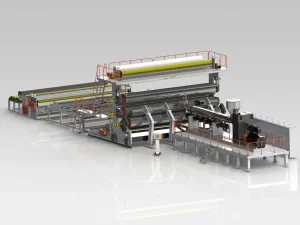
Specialized heavy-duty extrusion lines designed for high-density polyethylene waterproofing barriers used in civil engineering and environmental containment.
View Specifications →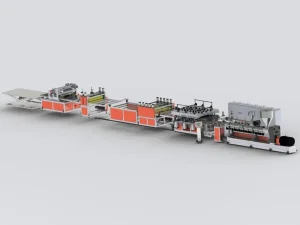
Production line engineered for light-weight structural PP sheets, ideal for dynamic packaging, logistics boxes, and high-strength construction signs.
View Specifications →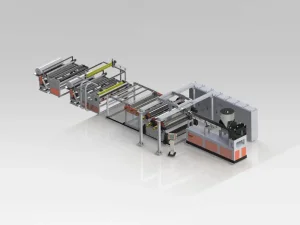
High-precision optical-grade film line for producing Polyvinyl Butyral (PVB) films essential in automotive safety glass and solar cell encapsulation.
View Specifications →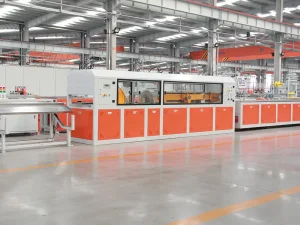
Advanced composite polyurethane profile lines providing optimal structural integrity and durability for solar panel frameworks globally.
View Specifications →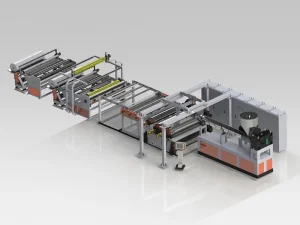
Fluoropolymer sheet extrusion configuration engineered for high-performance solar backsheets and corrosive chemical barriers.
View Specifications →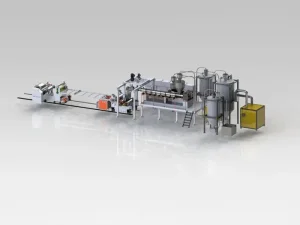
High-definition aesthetic PETG film manufacturing machinery, catering to internal cabinetry, commercial panel surfaces, and furniture laminates.
View Specifications →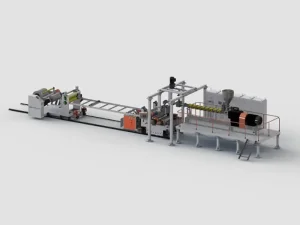
Engineered for food-grade, high-clarity polypropylene sheets optimized for rapid thermoforming and food preservation trays.
View Specifications →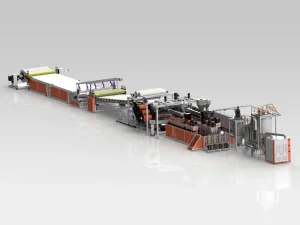
Versatile co-extrusion technology designed for producing functional multi-layer sheets used in advertising, appliances, and retail signage.
View Specifications →High Impact Polystyrene (HIPS) represents a crucial polymer system widely applied across global consumer packaging, home refrigeration, electronic enclosures, and industrial thermoforming. The capability to configure a custom HIPS sheet extrusion line to meet strict tolerance requirements is the benchmark of high-end machinery engineering. At GWELL Machinery, we build and supply performance-optimized extrusion lines designed to manage specific shear stress conditions, thermal properties, and dimensional criteria for HIPS and co-extruded structures.
From an industrial perspective, optimizing HIPS processing requires careful management of the polybutadiene rubber phase dispersed within the rigid polystyrene matrix. Maintaining the size and distribution of these rubber particles during the melting and shaping stages is essential. This technical overview examines the mechanical details, processing dynamics, and layout considerations required to deploy high-capacity, reliable HIPS sheet manufacturing equipment.
To design a high-efficiency extrusion line, every mechanical stage—from material handling to the final stacking assembly—must be optimized for thermal and mechanical stability.
Custom HIPS sheet extrusion lines generally utilize a single-screw extruder with a high L/D ratio (typically 30:1 to 33:1) or a co-rotating twin-screw extruder. The choice is determined by the required blending performance and processing capacity. The screw profile is designed with specialized feed, transition, barrier-melting, and metering zones to ensure steady output without overheating. Vacuum degassing zones are integrated into the barrel to remove residual styrene monomers, moisture, and volatile organic compounds (VOCs). This step is essential to prevent bubble formation in the finished sheet and to comply with food packaging regulations.
In modern industrial applications, single-layer HIPS sheets are increasingly replaced by multi-layer configurations (such as ABA, AB, or ABC structures). This structural design allows manufacturers to use recycled HIPS or mineral fillers (like CaCO₃) in the core layer (B), while maintaining virgin polymer on the outer skin layers (A and C) for optimal cosmetic finish and food contact compliance. GWELL feedblocks offer real-time adjustment of layer distribution ratios, ensuring consistent thickness across the entire width of the die.
A coat-hanger style T-die is the standard for HIPS sheet processing. The internal flow channel geometry is modeled using computational fluid dynamics (CFD) to minimize residence time and prevent stagnating flow zones. Standard features include manual or automatic thermal expansion bolt systems. These systems connect directly to online thickness measurement devices, allowing automatic control of the die lip gap to maintain cross-directional thickness tolerances within 1.5%.
| Parameter Details | Industrial Standard Range | GWELL Performance Specs |
|---|---|---|
| Screw L/D Ratio | 28:1 - 30:1 | 30:1 - 33:1 (Optimized Melting) |
| Maximum Sheet Width | 600 mm - 1500 mm | Up to 2200 mm (Customizable) |
| Thickness Precision Control | ± 3% to 5% | ± 1% to 1.5% (Closed-loop Auto Die) |
| Degassing System | Single Vent Stage | Double Vacuum Degassing (≤ 100 ppm residual monomer) |
| Calender Roll Temperature Control | ± 2°C | ± 0.5°C (Water/Oil Circulators) |
The cooling and surface finishing of the HIPS sheet occur at the three-roll calender. Depending on the desired output thickness, the rolls are arranged in vertical, inclined, or horizontal configurations. For heavy-gauge refrigeration liners (2.0 mm to 8.0 mm), an inclined layout allows optimal melt positioning to prevent air entrapment. For thin blister sheets (0.2 mm to 1.5 mm), a vertical layout provides consistent web tension. GWELL roll stacks feature independent oil or water temperature control systems for each roll, ensuring even cooling and preventing internal thermal stress that causes sheet warp.
The global demand for HIPS sheet extrusion lines is driven by regional manufacturing requirements and local regulatory environments. Equipment optimization must match these regional needs.
The North American market has a strong focus on heavy-gauge structural components, automotive interior panels, agricultural trays, and material handling pallets. Processing plants require extruders capable of handling regrind rates up to 70% while maintaining physical performance. This requires robust screw design and efficient screen-changing systems to filter out impurities from recycled streams.
European manufacturers operate under strict circular economy goals and food-contact directives (like EFSA guidelines). The focus here is on multi-layer co-extrusion technology to lock recycled post-consumer waste within virgin HIPS barrier layers. Our co-extrusion systems feature barrier layers that prevent the migration of contaminants, allowing manufacturers to use recycled polymers while maintaining compliance with food-safety standards.
The Asia-Pacific region is characterized by high-volume, high-speed production of consumer goods and electronic packaging. Extrusion equipment must run continuously with minimal downtime. The primary focus is on high-output lines (exceeding 800 kg/h) equipped with automatic turret winders or inline thermoformers to maximize production efficiency.
Solid engineering capacity, state-of-the-art facilities, and a dedicated professional workforce driving extrusion technology forward.
Discover how our diverse product segments address specialized manufacturing requirements around the globe.
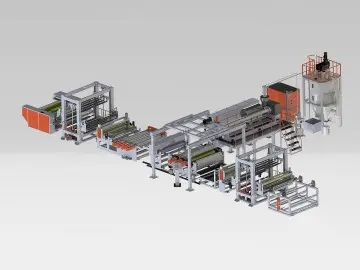
Designed for highly weatherable building materials, providing exterior cladding with excellent UV protection.
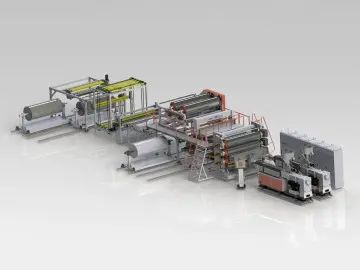
Optimized for producing durable, elastic thermoplastic polyurethane films for laminating fabrics and industrial materials.
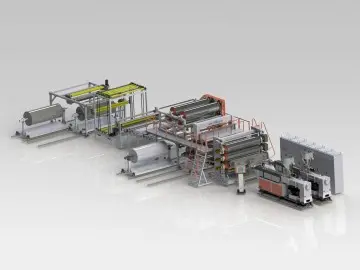
Provides reliable, consistent film thickness for medical, automotive, and high-performance textile applications.
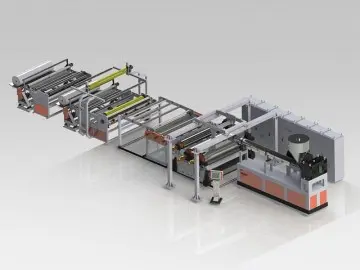
Designed for producing high-grade PVDF membranes used in industrial filtration and chemical containment systems.
As manufacturing requirements evolve, the technology supporting custom HIPS sheet extrusion lines must develop to meet new industry demands. Industrial goals are focused on improving automation, reducing energy consumption, and enhancing circular economy integration.
Modern extrusion lines are moving away from manual adjustments. Industry 4.0 integration uses sensors to monitor melt pressure, temperature profiles, and roll nip forces. When combined with an online scanner, the system automatically adjusts the heating elements on the automatic die and regulates the extruder screw speed. This closed-loop control system keeps sheet thickness variation to a minimum without requiring operator intervention.
HIPS is often combined with other polymers to improve barrier properties. For example, co-extruded structures like HIPS/PE, HIPS/EVOH/PE, or HIPS/PET are used to prevent oxygen and moisture transmission in food packaging. The design of the feedblock and die channels is critical to managing different polymer viscosities without causing layer instability or encapsulation problems.
Operating high-capacity machinery requires significant energy. Newer extrusion lines use energy-efficient technologies to reduce operational costs, such as:
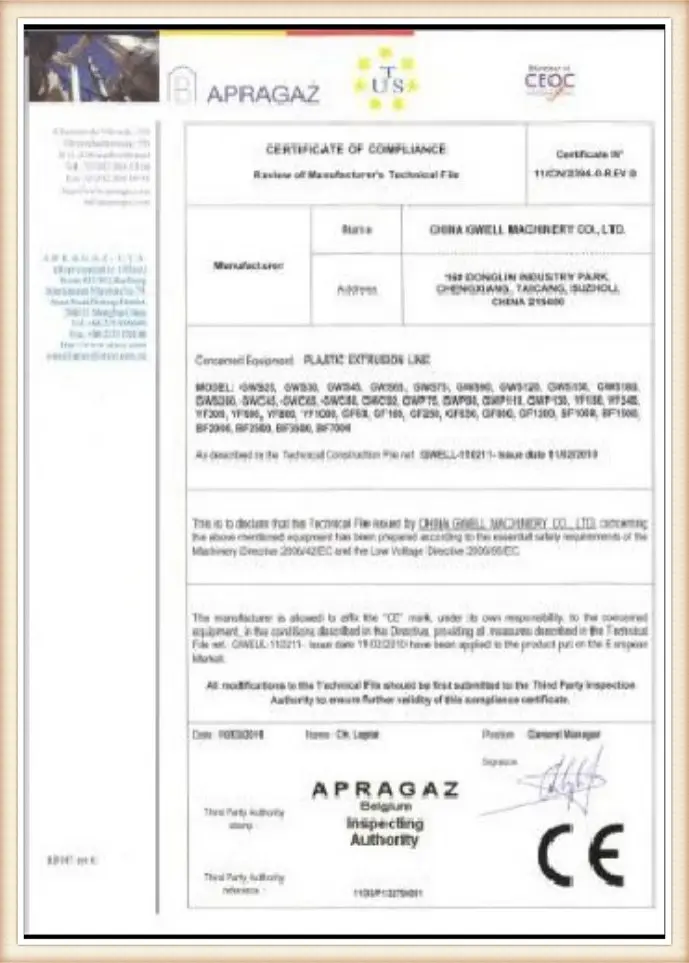
GWELL machinery is certified to international quality and safety standards, ensuring reliable operation in any factory.
Get technical answers to common questions about HIPS extrusion setups, operations, and optimization.
Explore additional specialized extrusion machinery built to meet specific industrial requirements.
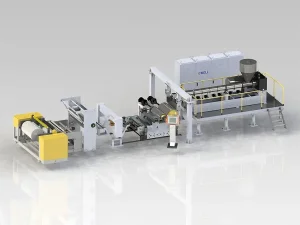
Specialized film cast extrusion system designed for environmentally friendly, water-soluble packaging materials.
View Specifications →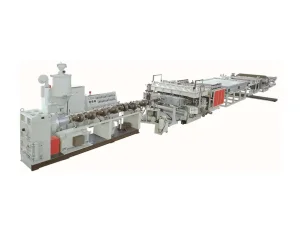
High-efficiency hollow PC board line designed for structural cladding, skylights, and architectural glazing.
View Specifications →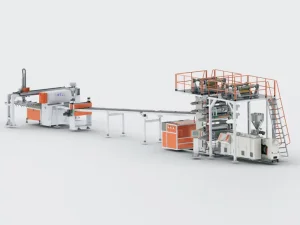
Engineered for composite flooring and decorative boards, combining high-speed output with precise formulation control.
View Specifications →
Specialized wedge-shaped PVB interlayer production lines for automotive windshield Head-Up Display (HUD) systems.
View Specifications →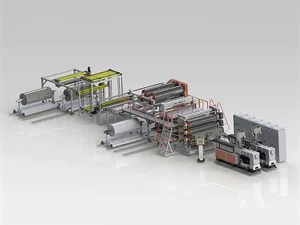
High-precision optical-grade film line for paint protection film (PPF) applications in the automotive sector.
View Specifications →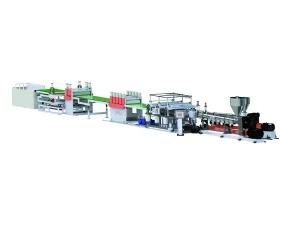
Designed for producing high-durability, reusable PP formwork panels for the construction sector.
View Specifications →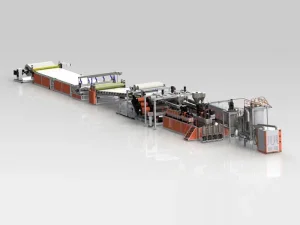
Extrusion lines tailored for producing heavy-duty, cleanable TPE automotive floor mats and protective linings.
View Specifications →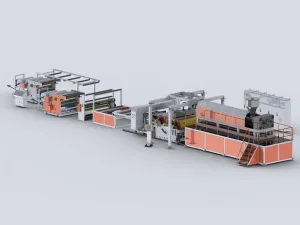
Advanced co-extrusion technology for producing synthetic composite leathers used in automotive interiors and upholstery.
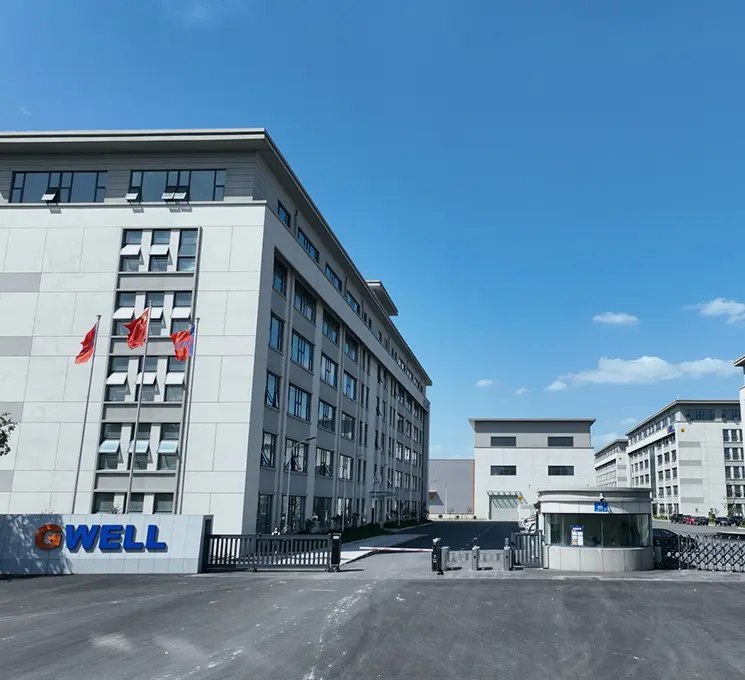
View Specifications →A high-tech enterprise specializing in the design and manufacture of reliable plastic sheet, film, and board extrusion lines.
China GWELL Machinery is a manufacturer of plastic extrusion lines for film, sheet, and profile applications. Relying on advanced processing technology and engineering design, GWELL provides high-output extrusion machinery configured for international markets. Our design philosophy, "Expertise creates customers' values," drives us to continually refine and optimize our equipment for reliable field performance.
Discuss your extrusion capacity, layer structure, and width requirements with GWELL's engineering team today.
Send Inquiry Now