
Explore our leading co-extrusion systems optimized for high throughput, absolute melt uniformity, and multi-layer structural configurations.
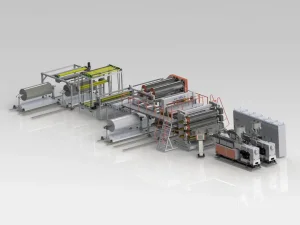
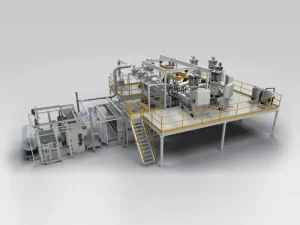
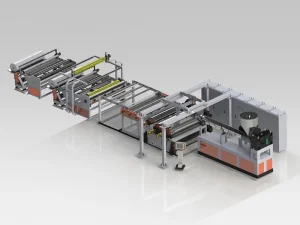
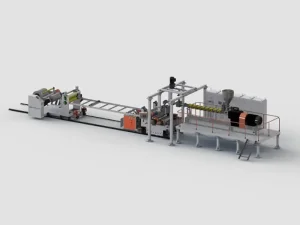
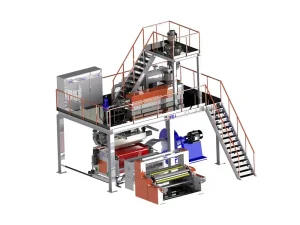
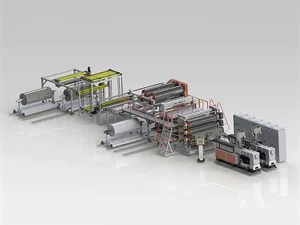
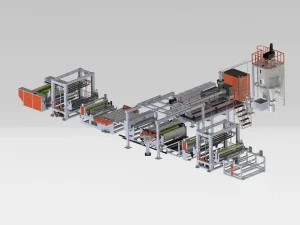
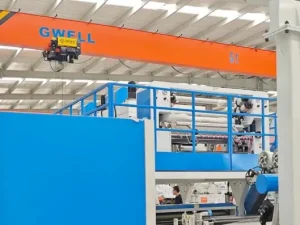
Polycarbonate (PC) is a high-performance polymer characterized by its exceptional impact strength, optical clarity, and thermal resistance. However, processing PC requires a highly sophisticated understanding of polymer rheology. Unlike other standard polymers, PC exhibits high melt viscosity and is extremely sensitive to moisture-induced degradation (hydrolysis) at extrusion temperatures. Underestimating these dynamics can lead to bubbles, black spots, loss of mechanical integrity, and diminished optical performance.
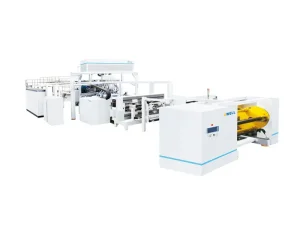
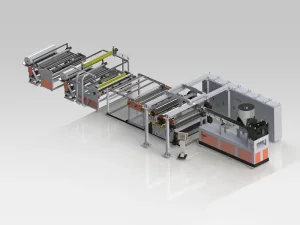
An industry-grade PC sheet extrusion line must incorporate specialized drying systems that guarantee resin moisture levels below 0.02% prior to entering the screw. Typical configurations utilize desiccant dryers operating at temperatures ranging from 120°C to 130°C for up to four hours. Furthermore, screw geometry must be engineered with a compression ratio of 2.0:1 to 2.5:1, incorporating a mixing head to yield a homogenous melt without causing shear degradation.
To prevent defects in high-performance applications (such as optical screens and architectural glazing), the extrusion system requires a continuous, hydraulic double-column screen changer. By integrating automated polymer melt flow channels, the screen changer maintains constant pressure and minimizes thermal transitions that generate gel particles. In tandem, multi-stage vacuum degassing systems (operating at up to -0.095 MPa) remove low-molecular-weight volatiles and residual solvents directly from the extruder barrel, ensuring void-free output.
A deep look into the technological paradigm shift driving high-performance polymer extrusion systems worldwide.
Integration of real-time melt pressure and viscosity sensors coupled with closed-loop neural network algorithms. Real-time automatic die adjustment ensures thickness variances are kept under +/- 1% across the full web width.
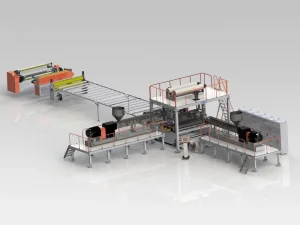
Engineered multi-layer co-extrusion technology (A-B-A and A-B-C structures) that allows up to 50% post-industrial recycled PC in the core layer while preserving absolute optical grade virgin resin on the skin layers.
By optimizing motor designs with water-cooled permanent magnet synchronous motors (PMSM) and capturing kinetic deceleration energy, Gwell systems reduce operating electricity costs by up to 28% compared to traditional AC motor configurations.
Comprehensive production lines engineered to transform high-performance thermoplastic polymers into state-of-the-art applications.
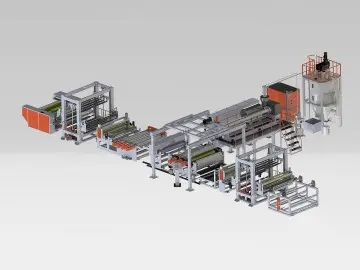
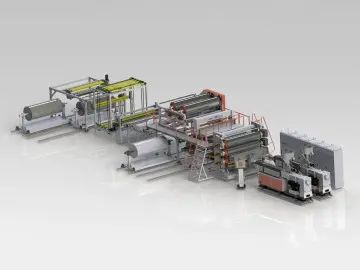
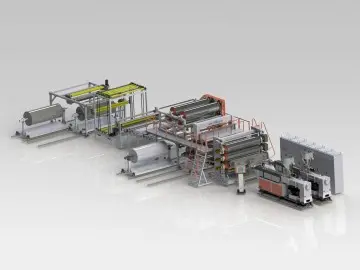
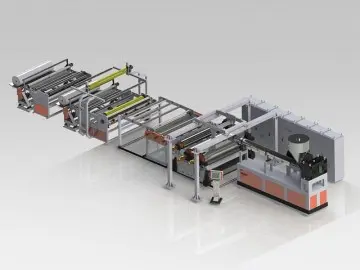
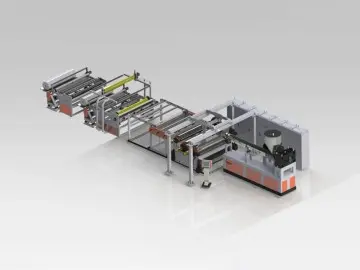
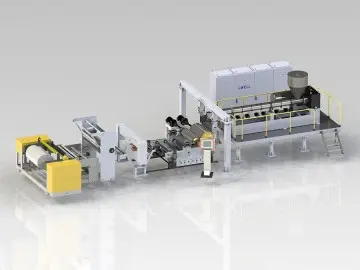
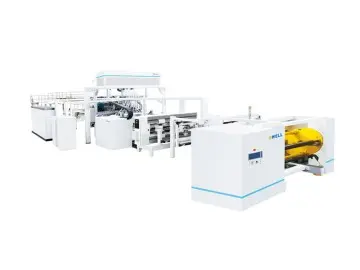
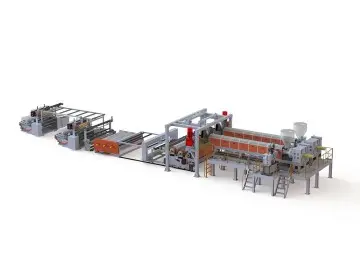
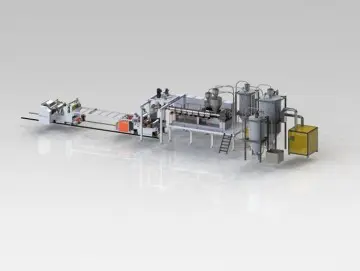
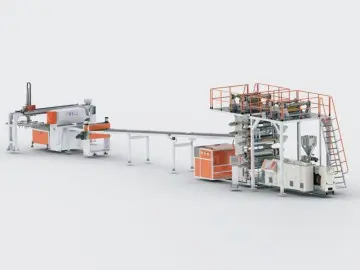
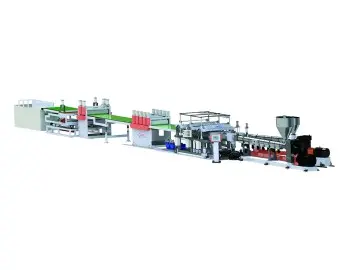
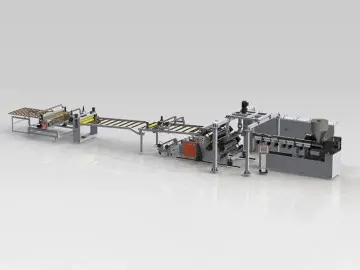
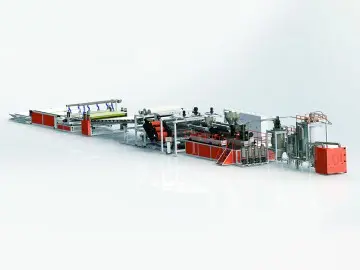
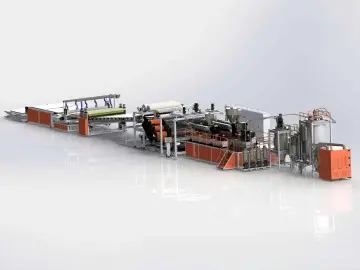
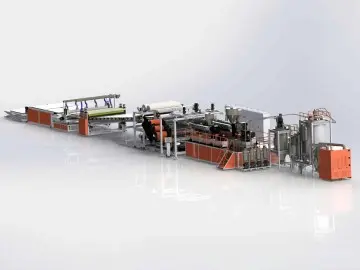
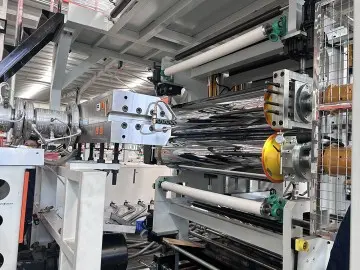
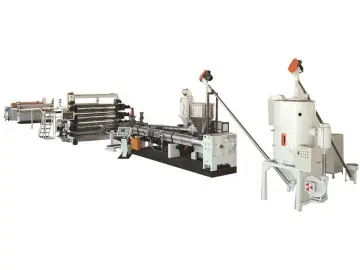
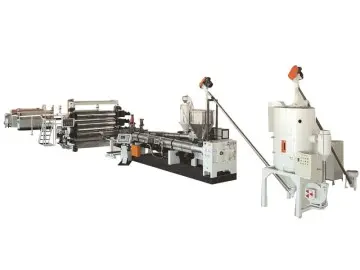
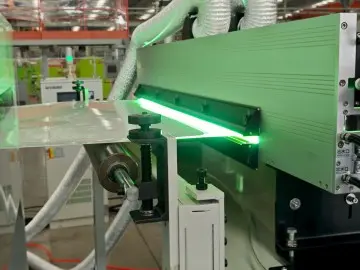
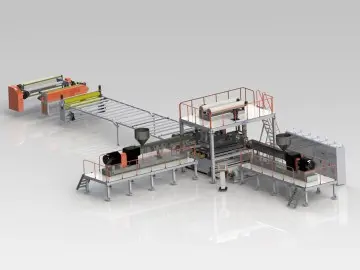
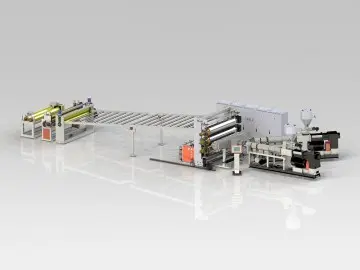
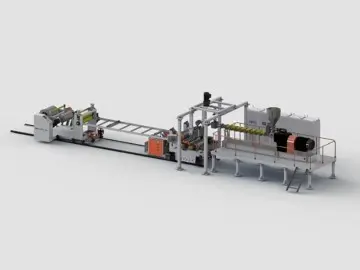
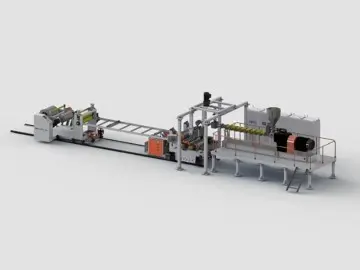
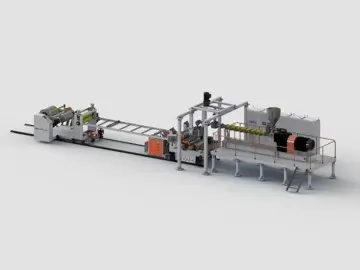
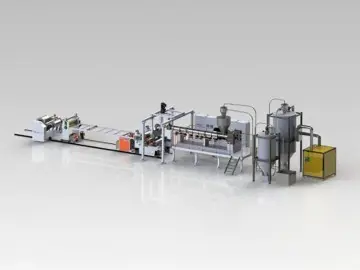
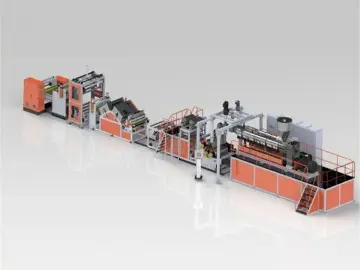
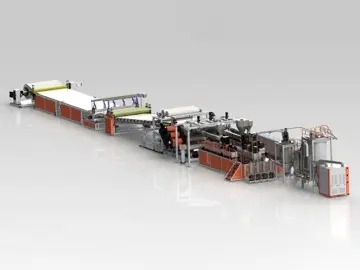
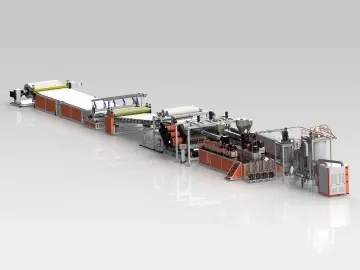
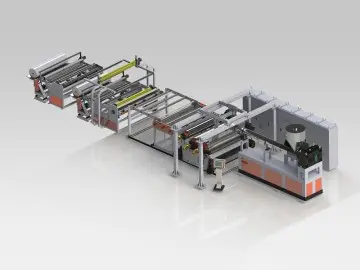
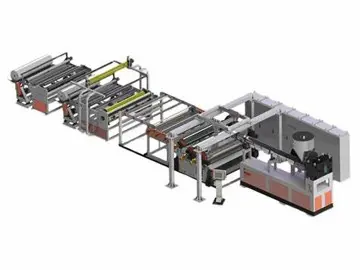
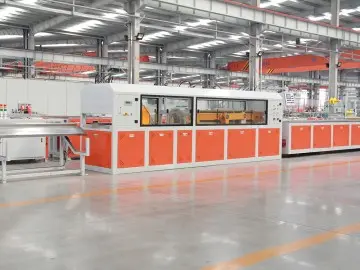
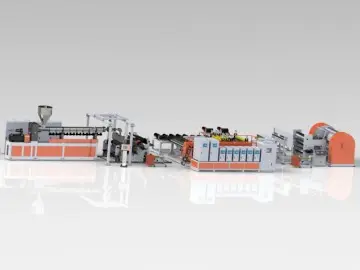
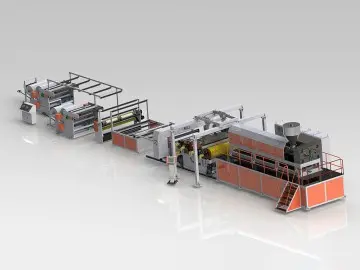
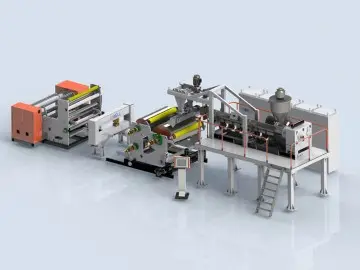
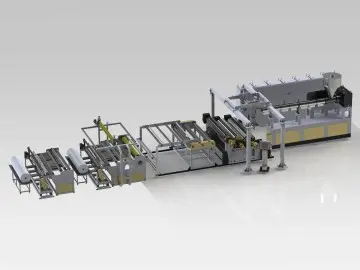
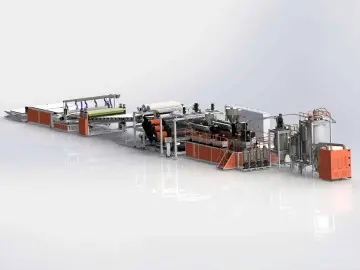
The global demand for high-performance plastics has reached an inflection point, with major industries demanding lighter, more sustainable, and exceptionally durable materials. For industrial manufacturers, sourcing a reliable *PC sheet extrusion line* from a proven factory represents a critical capital investment. Industrial components must satisfy rigorous regulatory frameworks, including European CE directives and ISO 9001 quality metrics.
In the automotive sector, Polycarbonate glazing is increasingly utilized to replace glass, reducing component weight by up to 40% while preserving crash protection metrics. In clean-room architectural construction, mechanical durability and optical purity are critical. To address these demands, our high-output extrusion machinery relies on computerized gravimetric dosing systems. These units control up to 6 distinct component streams (raw resins, recycled regrind, UV stabilizers, optical colorants, and anti-static additives) with precision down to 0.1% deviations.
A high-performance calendar stack configures the final product structure. For solid sheet production, horizontal or inclined 3-roll stacks driven by independent servo motors prevent internal stress accumulation. If the roll speed deviates even slightly, the sheet will warp or show optical wave bands. Incorporating oil or high-pressure water heating circuits ensures the calendar surfaces are kept at thermal tolerances below +/- 1°C, providing perfect optical profiles.
China GWELL Machinery is a high-tech enterprise dedicated to the manufacture of premium plastic extrusion lines for Film, Sheet, and Profile. Utilizing advanced technology, precise manufacturing setups, and an innovative spirit, GWELL commits to the development of high-tech products and global market expansion. "Expertise creates customers' values" remains the cornerstone of the company's operating philosophy.
Our three production bases in China feature state-of-the-art tooling machinery, precision alignment instruments, and testing centers. By maintaining strategic R&D partnerships with leading academic research institutions, we consistently integrate advanced polymer processing patents directly into our commercial product offerings.
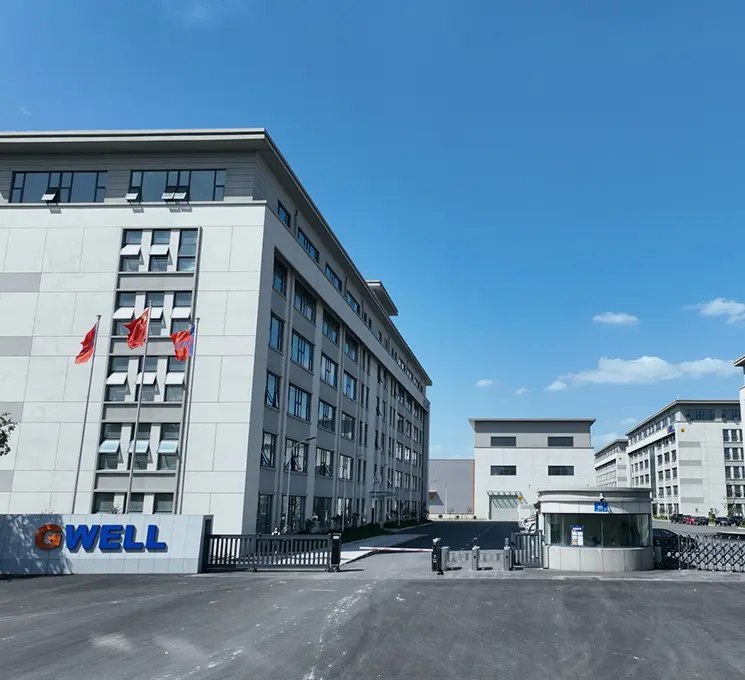
Combining world-class production infrastructure with flexible engineering and fast-turnaround commissioning cycles.
We process major steel elements, precision calenders, and extrusion screws in-house. This keeps lead times stable and guarantees tight quality control over key wear-resistant components.
Our spacious testing bays support comprehensive Factory Acceptance Testing (FAT) using actual customer materials. This verification step prevents onsite start-up issues and cuts down commissioning times.
Our localized service networks across the Americas, Europe, and Southeast Asia ensure responsive field support, mechanical compliance certifications, and fast-response spare parts logistics.
A data-backed evaluation model helping procurement teams assess polymer extrusion assets.
When purchasing a high-capacity *PC sheet extrusion line*, focusing solely on upfront capital expenditure (CAPEX) can cloud long-term financial impacts. The true driver of line profitability is the Operational Expenditure (OPEX). Key factors include energy consumption per ton of finished product, scrap rate due to thickness calibration adjustments, and downtime for maintenance cycles.
Our extrusion lines are configured to run with low specific energy consumption (SEC) values, aiming for 0.28 to 0.32 kW/kg of processed Polycarbonate. Standard, older-generation extruders often consume 0.40 kW/kg or more. Over 10 years of multi-shift operation, this efficiency difference can save hundreds of thousands of dollars in power costs.
Additionally, quick-change systems on our co-extrusion feedblocks allow teams to transition production configurations without cooling down the entire system. This keeps material loss minimal and increases overall equipment effectiveness (OEE).
Answering key technical and process control questions regarding polycarbonate sheet manufacturing.
Follow Gwell's ongoing technical projects, trade show announcements, and new extrusion lines.
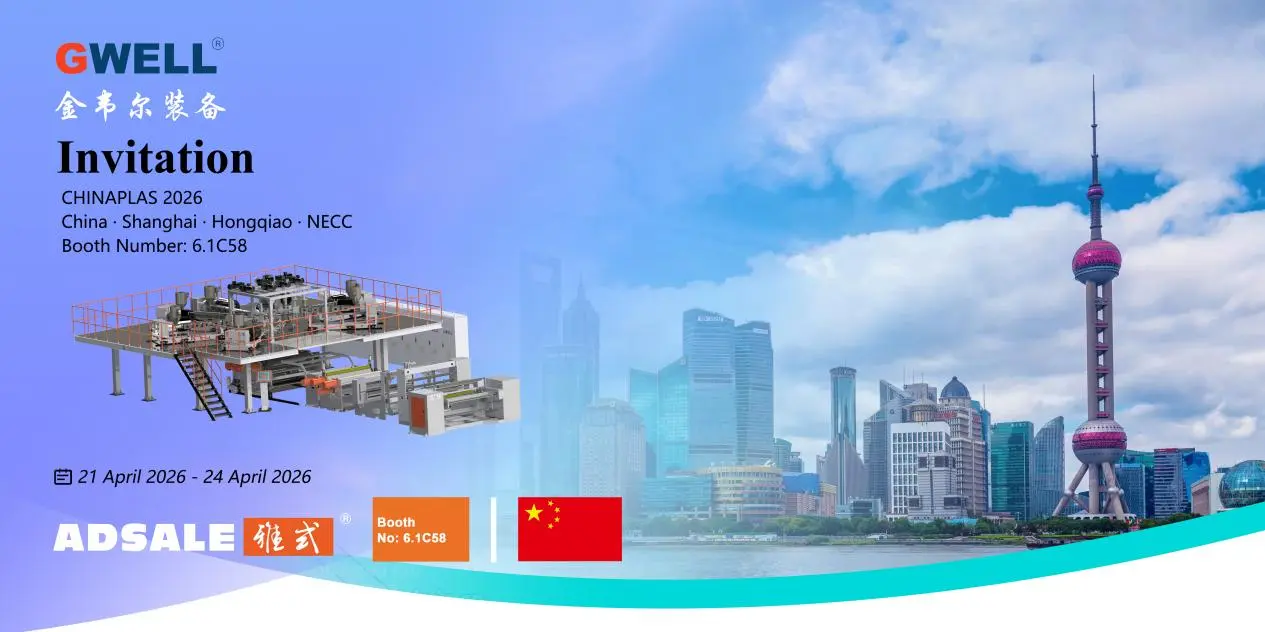
Gwell presents its latest extrusion solutions, demonstrating high-output technology and digital twin controls designed for modern packaging markets.
Read More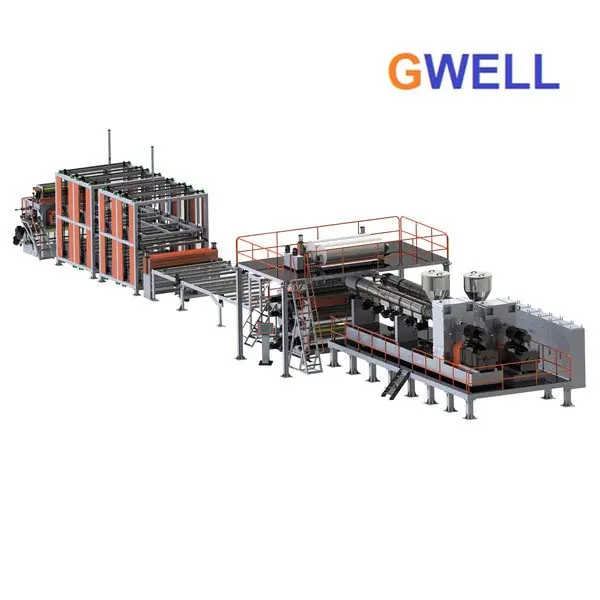
Discover our newly launched POE composite leather production systems, engineered for eco-friendly automotive seating and high durability trim markets.
Read More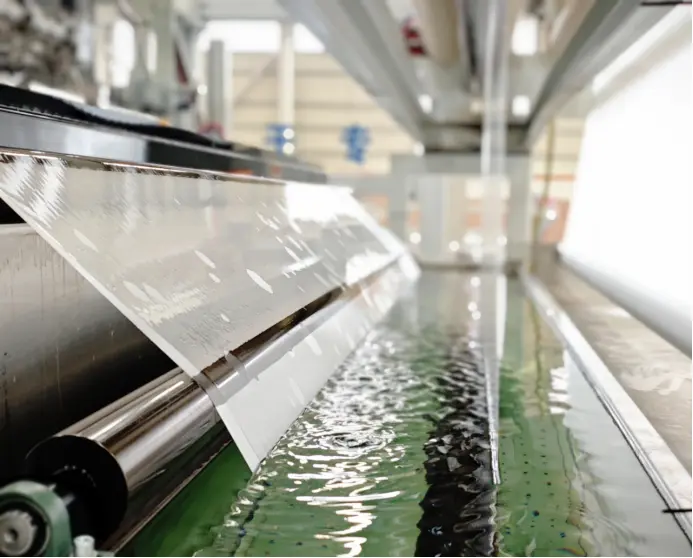
The GWELL PVB wedge-shaped film production line achieves high precision, high efficiency, and wide range configuration capability for automotive safety glass.
Read More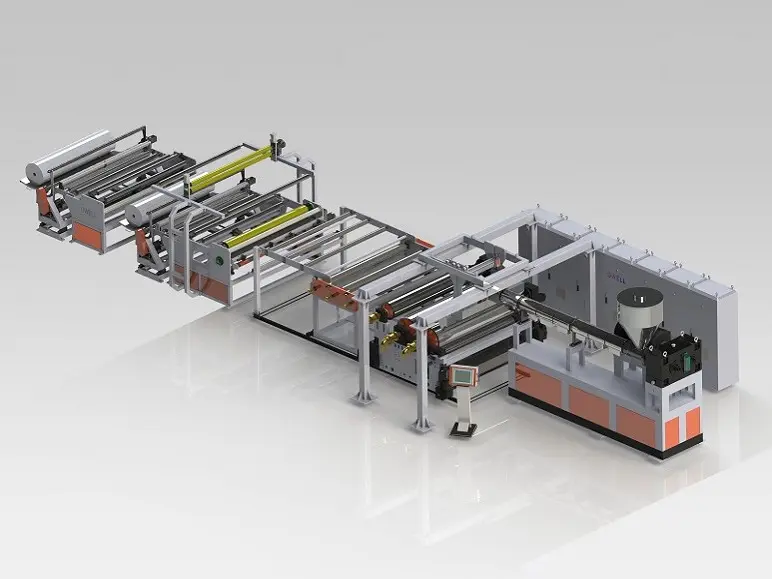
Gwell delivers specialized PETG film lines featuring precise thickness distribution control and high surface finish properties.
Read More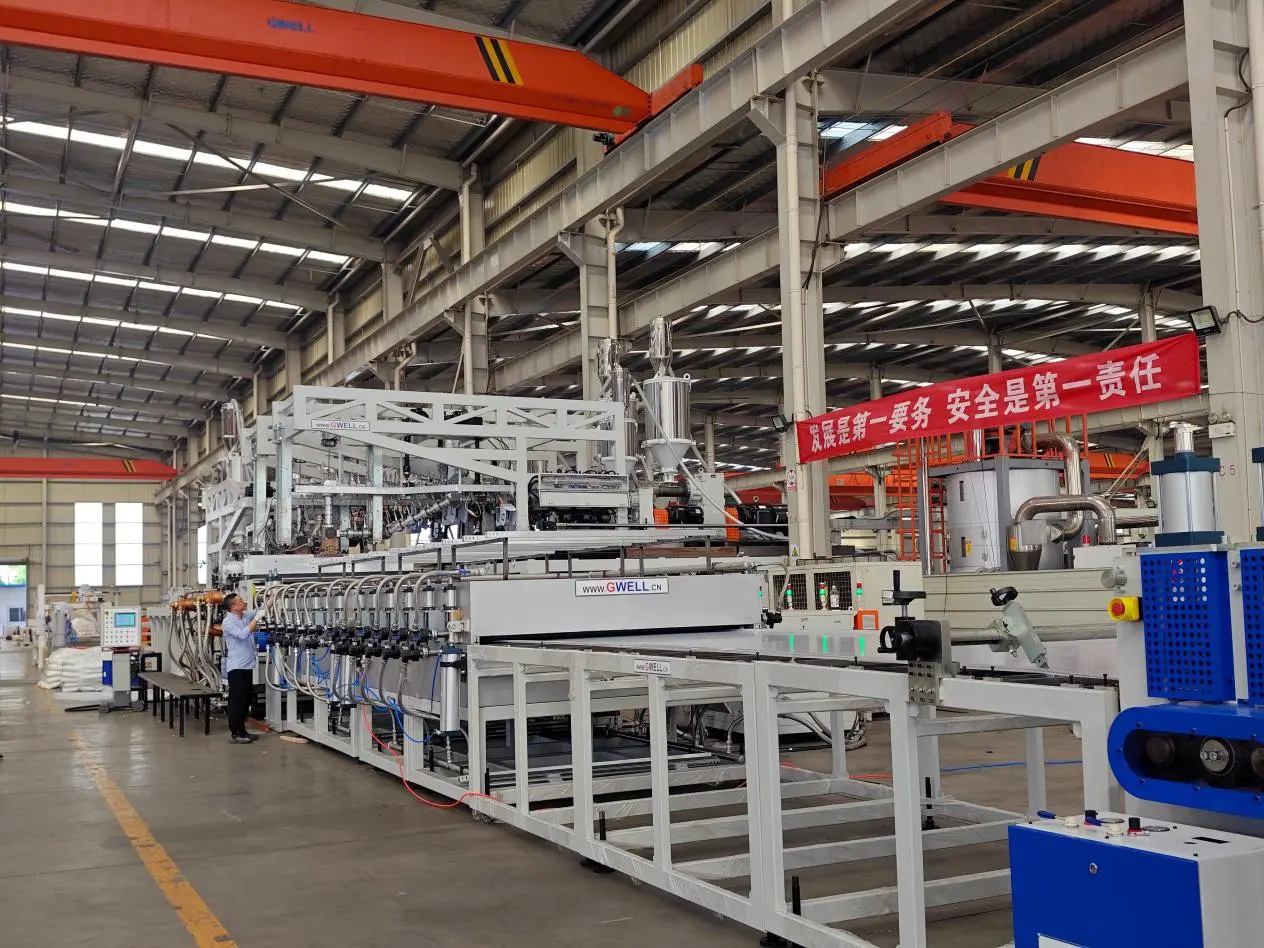
Gwell presents its lightweight PP honeycomb structural core production system, optimized for automotive cargo liners and interior components.
Read More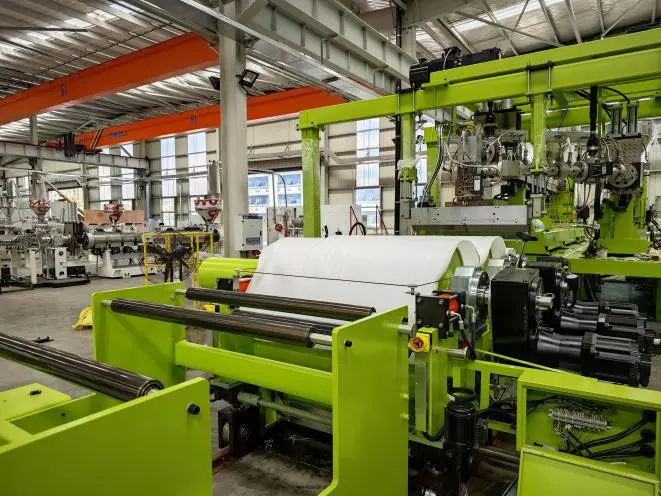
Highlighting long-term packaging customers who have integrated Gwell co-extrusion technology to transition to recyclable materials.
Read MoreOur machines comply with global industrial specifications and electrical testing standards.
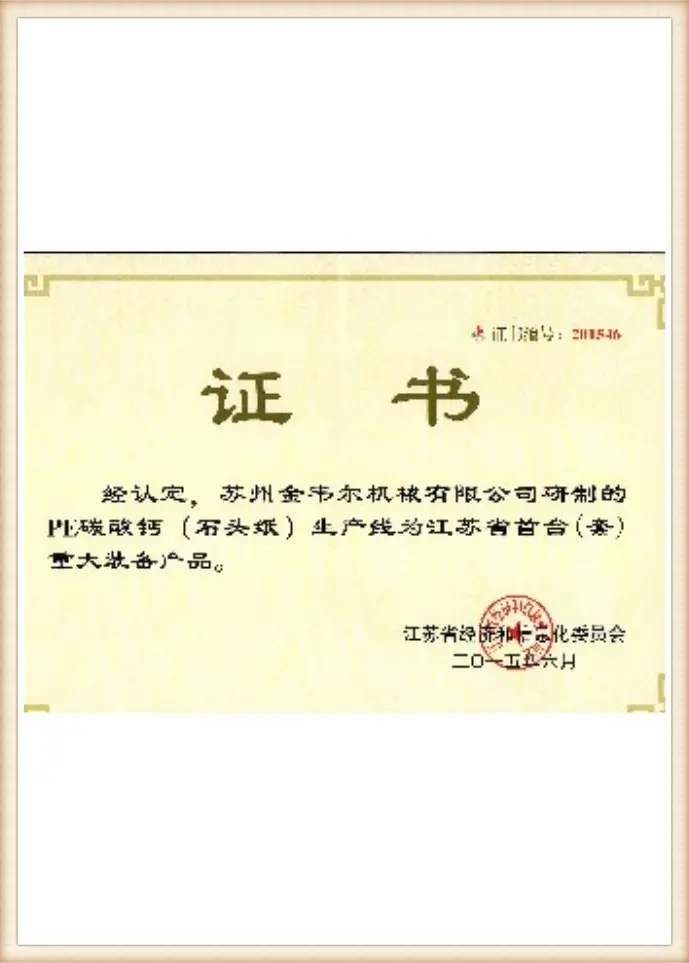
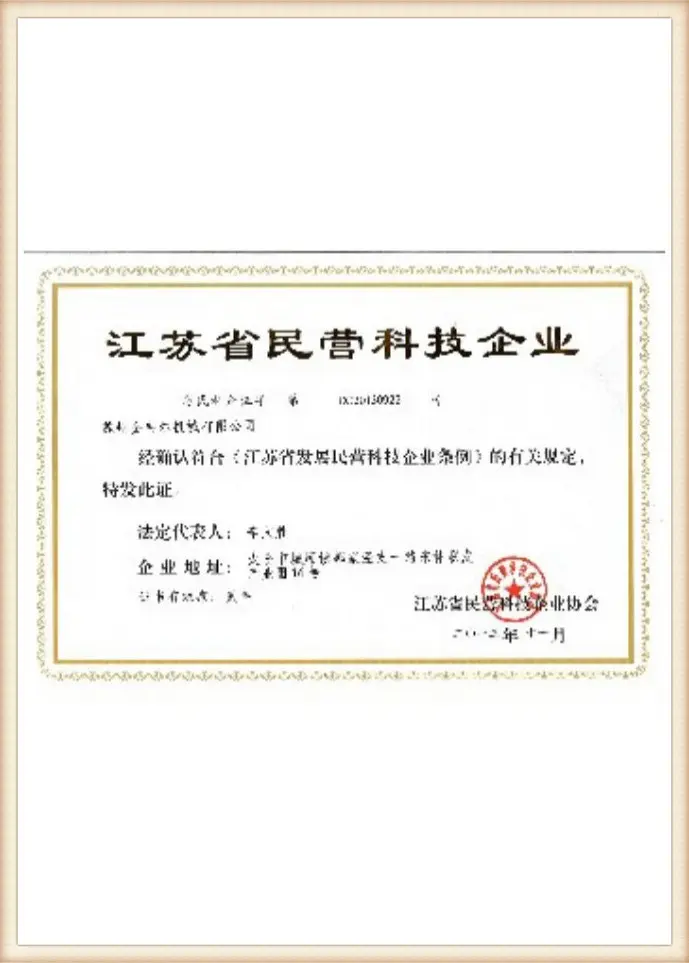

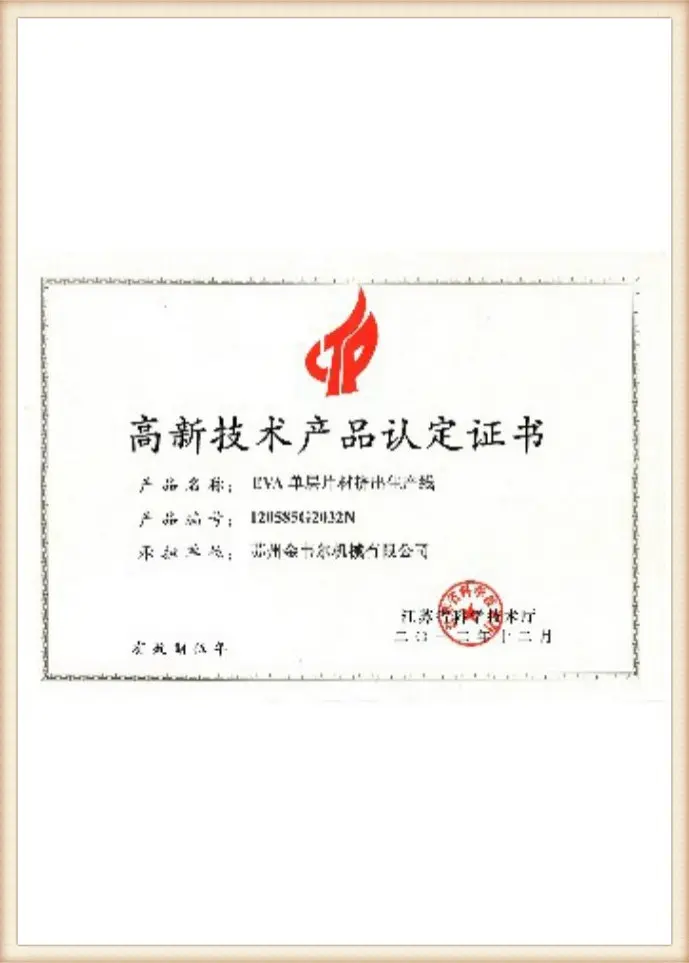
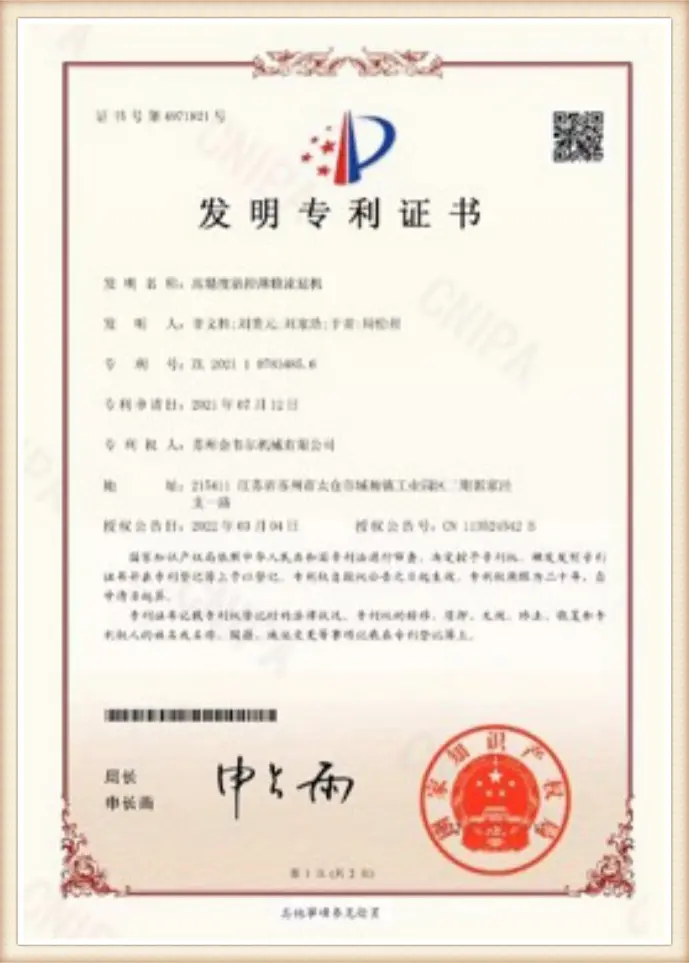
Integrating high-grade electrical controls, sensors, and mechanical components from leading global manufacturers.



Our remaining portfolio of specialized thermoplastic extrusion lines engineered for global industrial markets.
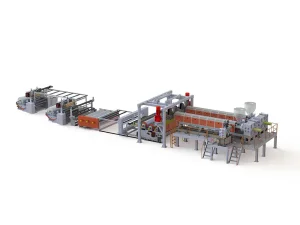
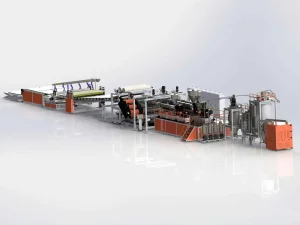
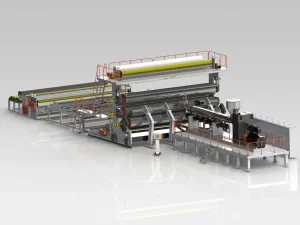
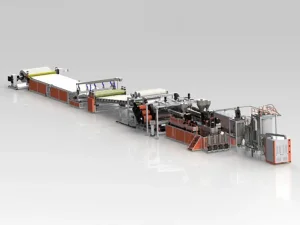
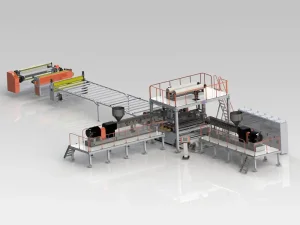
GWELL's dedicated engineering teams assist global manufacturers in selecting correct extruder designs, sizing venting ports, and specifying calenders matching concrete thickness ranges.