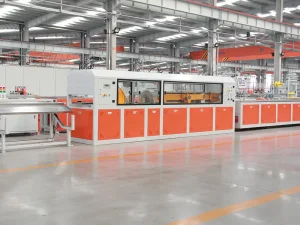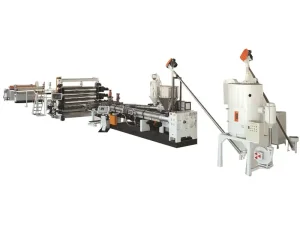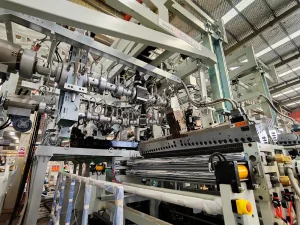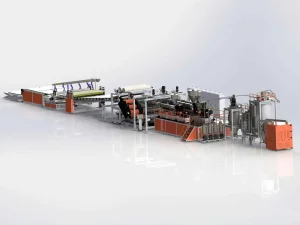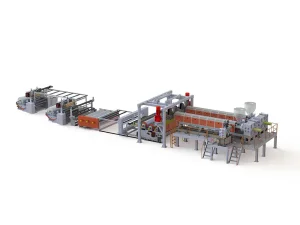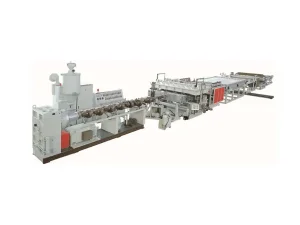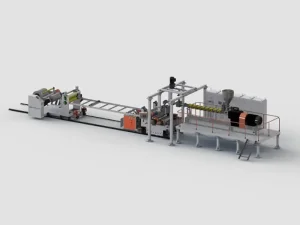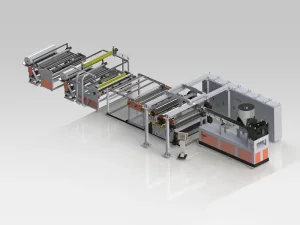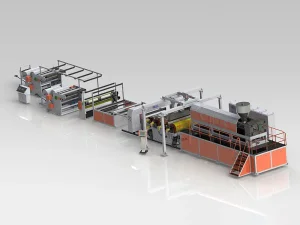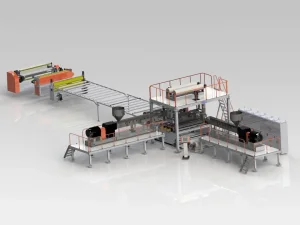
High-Quality Turnkey PC Sheet Manufacturing Solution Factory & Companies

A Definitive Whitepaper on High-Performance Polycarbonate Extrusion Systems, Global Procurement Dynamics, and Turnkey Engineering Excellence

Advanced Extrusion Lines - Showcase Part I

Explore our leading-edge technological equipment engineered to manufacture high-durability polymer films, sheets, and structural barriers.
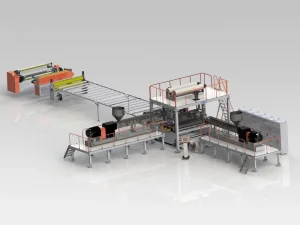
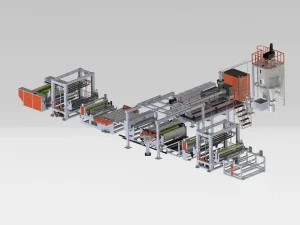
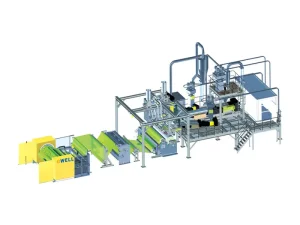
TPO Waterproof Sheet Extrusion Line

High-Quality TPO Waterproof Sheet Extrusion Line Exporters

View Details →
Famous ASA film Extrusion Line

Famous ASA Cast Film Extrusion Line Companies, Products

View Details →
Polyurethane Solar Frame Extrusion

High-Quality Polyurethane Solar Frame Extrusion Line Exporter

View Details →
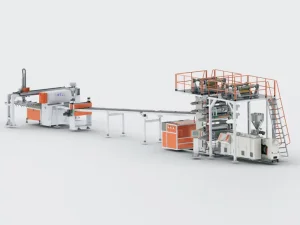
Famous ABS PVC Sheet Extrusion Line

Famous ABS PVC Sheet Extrusion Line Exporters, Companies

View Details →
PP Honeycomb Plate Extrusion Machine

Best PP Honeycomb Plate Extrusion Machine Exporter, Products

View Details →
BIPV PVB photovoltaic film production line

Best BIPV PVB Photovoltaic Film Production Line Exporters

View Details →
Hydrogen Energy PPS Separator Extrusion Line

Custom Hydrogen Energy PPS Diaphragm Production Line

View Details →
Custom PVC SPC WPC board extrusion line

Custom PVC SPC WPC Board Extrusion Line Exporters

View Details →

Technical Guide: Designing High-Output Turnkey Polycarbonate (PC) Sheet Production Lines

An authoritative analysis of co-extrusion technology, raw material crystallization, and down-stream calibration for international compliance.

In the field of high-performance polymer extrusion, Polycarbonate (PC) sheet manufacturing demands an extreme degree of thermal control, mechanical precision, and systemic automation. Unlike basic commodity resins, PC is highly hygroscopic and susceptible to rapid thermal degradation, which can ruin its optical clarity and structural resilience. A premium turnkey PC sheet manufacturing solution acts as an integrated system, managing everything from resin preparation and precise extrusion to calender stabilization and finished stacking. Understanding the engineering parameters and physical principles of this process is essential for global buyers looking to set up reliable, high-yield plants.

Key Design Variable: Optical Purity & Anti-UV Co-Extrusion

High-quality PC sheets used in outdoor architectural glazing, transportation, or solar panels require a protective layer to prevent UV degradation. Modern turnkey solutions use co-extrusion feedblocks to distribute a thin, uniform layer of UV-absorber (typically 30 to 50 microns) on one or both sides of the core PC sheet. Maintaining this thickness within a ±2% tolerance is critical to optimizing raw material costs while meeting 10-year weatherability guarantees.

1. Essential Processing Steps for PC Extrusion

A reliable turnkey extrusion system depends on the coordination of several critical modules:

  • Dehumidifying and Drying: PC resin absorbs moisture from the atmosphere. Processing wet resin leads to hydrolytic degradation, causing silver streaks, bubbles, and loss of impact strength. A turnkey system must include a closed-loop desiccant dryer capable of lowering the material's moisture content to below 0.02% at 120°C.
  • Screw & Barrel Extruder Design: High-torque single screw extruders, or specialized twin screw co-rotating systems, are engineered with unique L/D ratios (usually 33:1 or 35:1) and compression zones that minimize shear heat, preventing thermal discoloration while ensuring complete melting.
  • T-Die Co-Extrusion: Using an automated coat-hanger die with a flex-lip design allows real-time adjustment of sheet thickness. The die cavity must be highly polished and chrome-plated to avoid hang-up zones where the polymer melt could degrade.
  • Three-Roll Calender: The calender is the heart of the downstream sheet-shaping process. Precise surface temperature control (using independent water or oil heating channels) and accurate nip-gap adjustment using hydraulic systems are required to prevent internal stresses and lock in the optical finish of the sheet.

2. Localized Support & International Compliance Standards

Operating a complex extrusion line requires close attention to local safety regulations and engineering standards. A turnkey solution must adapt to the target country's regulatory framework to ensure a smooth transition from installation to production:

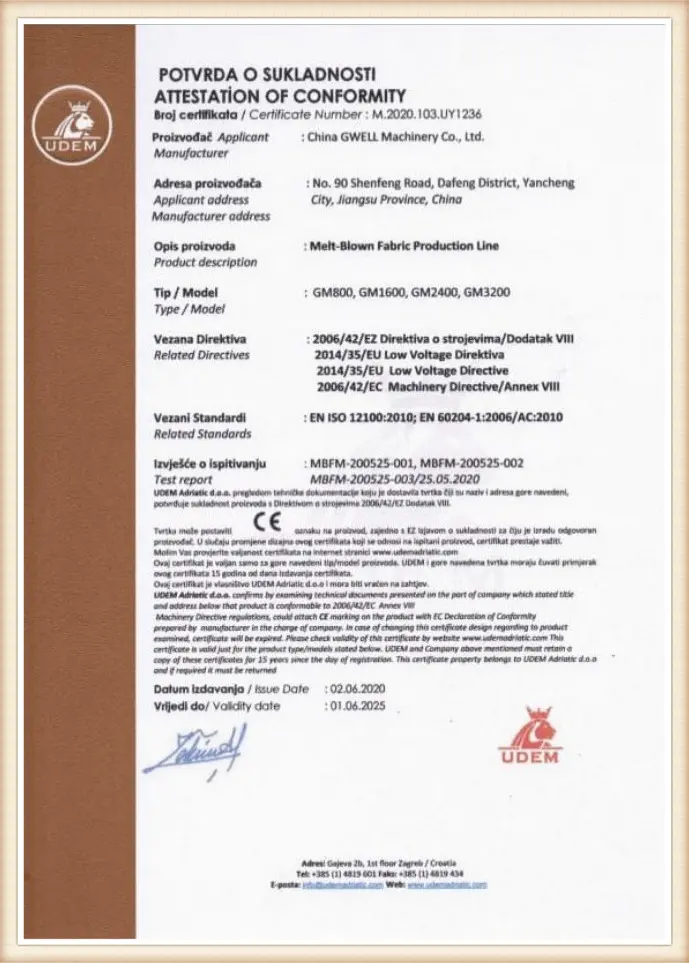
  • Electrical and Mechanical Safety: Machinery shipped to the European Union must carry CE certification, conforming to the Machinery Directive 2006/42/EC and Low Voltage Directive 2014/35/EU. For North America, control cabinets must comply with UL 508A and NFPA 79 standards, with wiring utilizing CSA/UL certified components.
  • Safety Interlocks: Integrated safety systems, including physical enclosures, emergency stop loops, and zero-speed sensors on rolls, must meet ISO 13849-1 Performance Level d (PL d) standards to protect operators.
  • On-Site Commissioning and Team Integration: Trustworthy manufacturers provide local technical teams to handle installation, leveling, wiring, and start-up calibration. They also conduct staff training on preventive maintenance, die cleaning, and PLC troubleshooting.
Industry Trend: Transitioning to Industry 4.0 Integration

Modern production facilities are increasingly adopting IoT and data-driven monitoring. Advanced turnkey systems feature EtherCAT communication protocols that link sensors across the extruder, calender, and cutting units to a central PLC. By tracking metrics like melt pressure, motor torque, roll speed, and zone temperatures in real-time, operators can predict component wear and maintain consistent product quality.

3. China's Supply Chain Edge in Extrusion Manufacturing

China has become a global leader in high-performance plastic extrusion machinery. For international buyers, sourcing a turnkey line from a qualified Chinese manufacturer like Gwell offers distinct advantages:

  • Complete Industrial Ecosystem: From high-frequency induction heating elements and nitrided barrels to precision ground gears, the raw components are sourced within a tight industrial cluster. This reduces lead times and lowers manufacturing costs.
  • Advanced Precision Machining: Modern Chinese factories use CNC machining centers, horizontal boring machines, and cylindrical grinders from international brands, ensuring components meet strict geometrical tolerances.
  • Rapid Prototyping and Customization: Chinese engineering teams can quickly design custom feedblocks, specialized dies, and tailored downstream cooling lines to meet specific layout constraints or product properties.

China Gwell at a Glance

Empirical proof of our industrial footprint and capacity to deliver large-scale turnkey manufacturing setups.

3
Modern Production Bases
866K+
Total Construction Area (㎡)
500+
Skilled Employees
1000+
Annual Lines Capacity

Expertise & Innovation

China GWELL Machinery is a high-tech enterprise dedicated to manufacturing high-performance plastic extrusion lines for Film, Sheet, and Profiles. Relying on advanced group technology and an innovative team, GWELL develops advanced products for international markets, guided by the philosophy: "Expertise creates customers' value."

Advanced R&D

We collaborate closely with leading universities and research institutes to develop advanced technologies for sheet extrusion. Our group integrates smart controls, automated dosing, and energy-saving induction heating system designs directly into your turnkey plant setup.

Turnkey Project Scope

We handle your project from factory floor design, electrical schematics, utility layouts (chilled water, compressed air, power distribution), and raw material feeding systems to the final downstream stacker, ensuring a seamless start-up.

Key Competitive Advantages

Why global polymer processing companies choose Gwell for complex sheet extrusion systems.

Modern Techniques

Collaborative research with top-tier materials departments enables us to configure custom screw geometries and dies for materials like PEEK, PVDF, and multi-layer PC composites.

End-to-End Service

We provide comprehensive support, including initial raw material rheology testing, CAD workshop planning, on-site commissioning, operator training, and reliable post-warranty spare parts supply.

Robust Capacity

With three modern production bases, we have the manufacturing capacity to deliver more than 1,000 highly configured extrusion lines annually, ensuring reliable delivery schedules.

Global Market Presence

Our machines are running in factories across Europe, North America, Southeast Asia, South America, and the Middle East, satisfying diverse local grid, safety, and operation standards.

Professional Engineering Team

Our team of 500 includes over 100 dedicated mechanical and electrical automation engineers, ready to support you with custom machine designs and on-site troubleshooting.

Geographical Advantage

Located near major deep-water ports and international shipping networks, we facilitate containerized transport, reducing transit times and handling costs.

Our Classified Extrusion Technologies

A breakdown of our specialized extrusion machinery ranges, tailored to distinct global market segments.

Cast Film Extrusion Lines

High-precision cast film lines for producing protective coatings, laminates, and specialized solar films.

  • ASA Cast Film Line
  • TPU Laminating & Cast Film Line
  • PVDF Solar Backplane Line
  • PVB Wedge Film Line
  • PVA Water Soluble & PI Film Lines

Board Extrusion Lines

Heavy-duty lines engineered for thick board applications in construction, chemical containment, and interior lining.

  • PVC SPC WPC Board Extrusion
  • PP Building Construction Board Line
  • PEEK PFA PVDF Fluoropolymer Board Line
  • PE / HDPE Board Extrusion Line
  • PC & PMMA Transparent Board Systems

Sheet Extrusion Lines

Versatile sheet machines producing materials for thermoforming, medical packaging, optical displays, and flame-retardant applications.

  • PCTG / PETG Decorative Sheet Lines
  • TPO & TPE High-Elasticity Sheet Lines
  • PLA Biodegradable Packaging Lines
  • PCL Medical Grade Sheet Systems
  • PC PMMA Optical Sheet Production Lines

Solar & Renewable Extrusion

Specialized extrusion systems for the renewable energy sector, from solar PV film encapsulation to hydrogen fuel cells.

  • SGP Solar Safety Film Lines
  • PVE & EVA POE Solar Encapsulation Lines
  • Polyurethane Solar Frame Extrusion
  • Hydrogen Energy PPS Diaphragm Separator
  • BIPV PVB Architectural Film Lines

Industrial Applications & Localized Scenario Optimizations

Understanding how sheet product properties meet the strict requirements of high-demand markets.

Polycarbonate and related high-performance sheets are widely used in modern engineering sectors. Selecting the right configuration for your turnkey extrusion line depends heavily on the specific mechanical and physical requirements of your target applications:

1. Architectural Glazing and Greenhouse Systems

For double-walled hollow profiles or solid PC glazing sheets used in commercial construction, light transmission and load-bearing performance are primary requirements. Turnkey lines must produce structured multi-walled profiles with integrated cross-ribs that offer excellent thermal insulation (low U-factor values) while supporting wind and snow loads. Solid co-extruded UV barriers are essential to prevent yellowing caused by solar radiation, maintaining light transmission over years of outdoor exposure.

2. Optical Diffusers and Electronic Displays

For backlights in TV panels, mobile screens, or high-end LED luminaires, the extrusion line must run under cleanroom conditions. Using optical-grade PMMA, GPPS, or PC resins requires precise control over temperature and melt filtration to eliminate defects like gel particles, black spots, or die lines. Highly polished calenders must create a uniform micro-structure on the sheet surface to achieve optimal light diffusion and transmission.

3. Automotive Glazing & Public Transit Barriers

Automotive wind deflectors, train windows, and security barriers require high impact resistance and scratch resistance. Turnkey extrusion solutions for these applications often feature inline lamination or offline hard-coating systems. These processes apply polysiloxane-based hard-coats to the sheet surface, providing the necessary abrasion, chemical, and UV resistance required for road and rail vehicles.

Technical Metric: Thermal Stress Control

Extruded PC sheets often develop internal mechanical stresses as they cool. If not addressed, these stresses can cause the sheets to warp or crack during subsequent cutting, forming, or drilling operations. A well-designed turnkey line includes an annealing furnace or a multi-stage cooling line that gradually lowers the sheet's temperature, minimizing internal stress and ensuring excellent dimensional stability.

Authorized Certifications & Compliance Verification

Our machinery designs, electrical layouts, and safety systems conform to global regulatory standards.
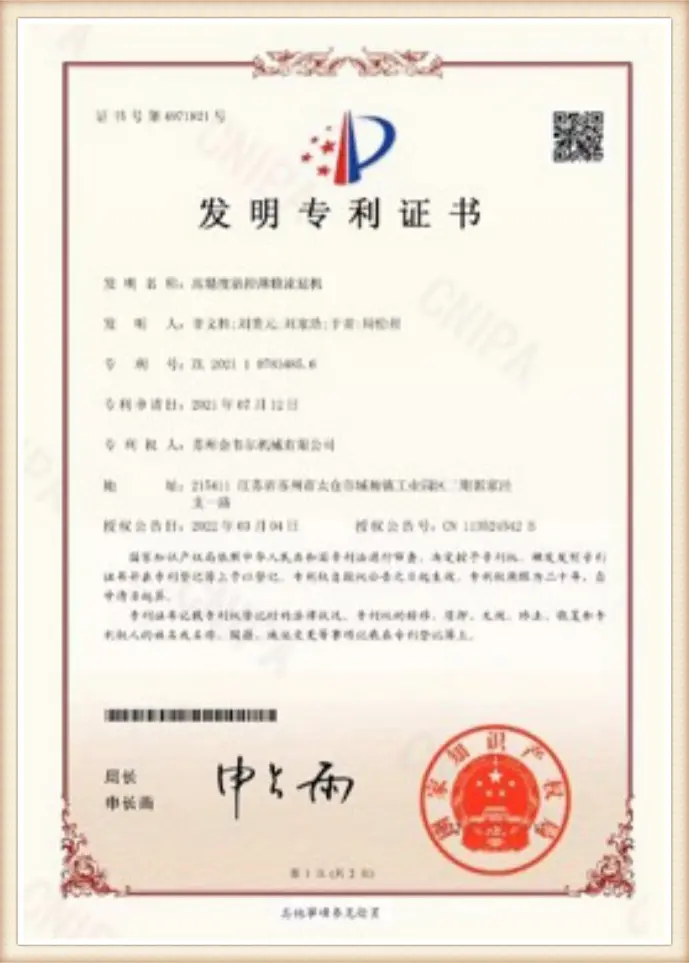
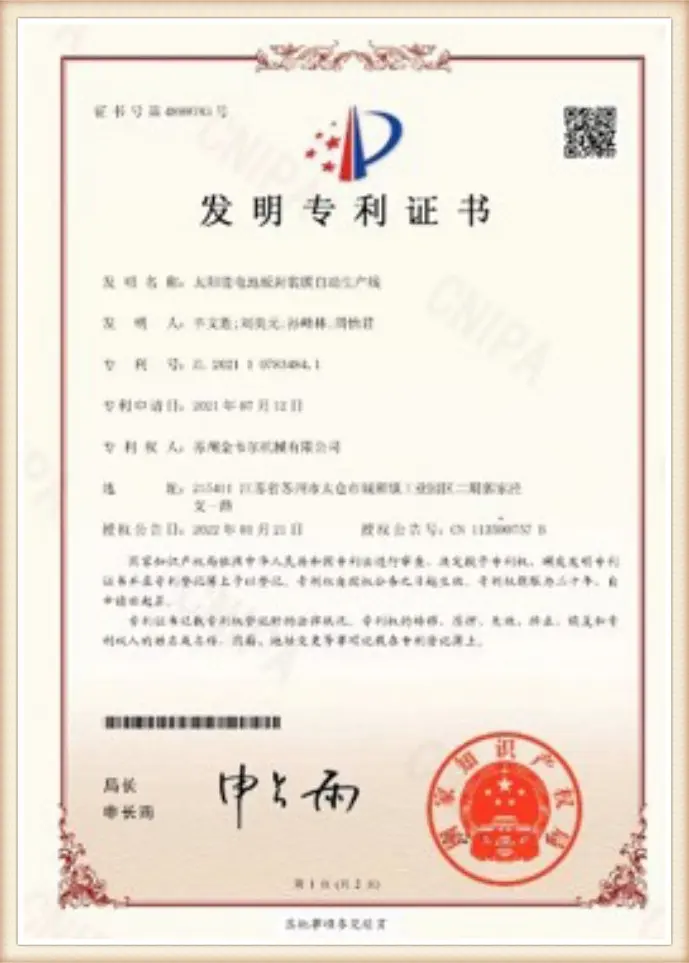
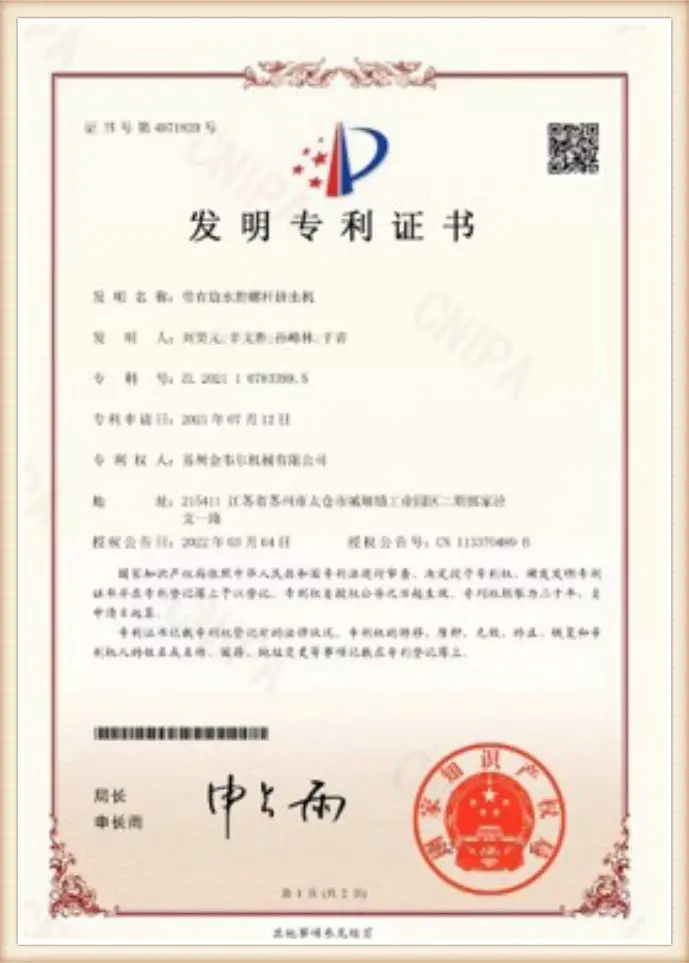
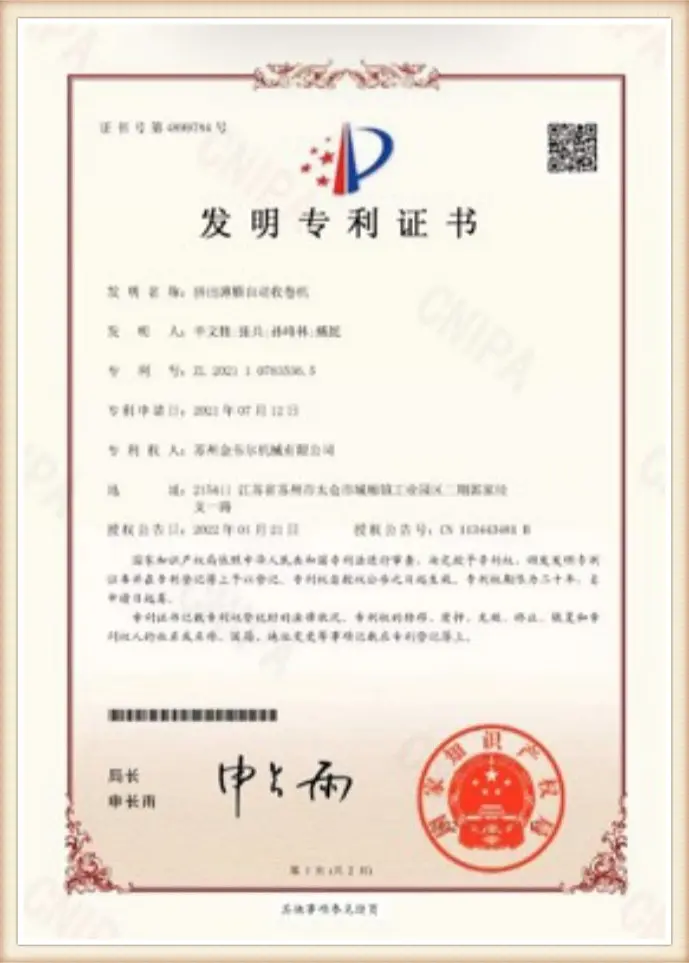
ISO Quality Certificate
Quality Standard Document
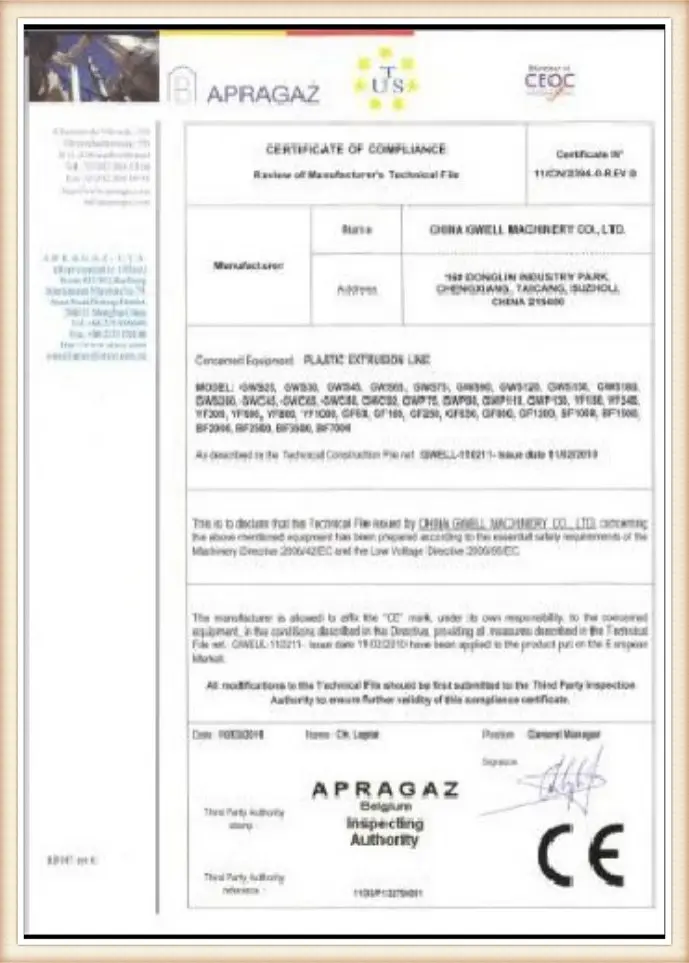
CE Machinery Safety Directive Standard
EU Conformity Certificate
Electrical Safety Verification CE UL
International Quality System Certificate

Frequently Asked Questions

Technical answers to key questions asked by procurement teams and engineers planning new sheet extrusion facilities.

Q1: Why is dehumidification drying critical for PC raw materials, and what equipment is required?
Polycarbonate is highly hygroscopic. If processed with even trace amounts of moisture, the polymer chain undergoes hydrolytic degradation at extrusion temperatures (260°C - 300°C). This degrades the material's mechanical strength and causes visual defects like bubbles or streaks. Our turnkey solutions feature multi-chamber desiccant dryer systems that maintain a dew point below -40°C, drying the resin to a moisture content under 0.02% before extrusion.
Q2: How do you ensure uniform thickness across a 2.5-meter wide sheet?
We combine high-precision T-Dies with dynamic thickness control systems. An automatic die uses thermal expansion bolts controlled by a thickness scanner at the downstream end. If the scanner detects a thin area, the PLC adjusts the heating zone on the corresponding die bolt, fine-tuning the die lip gap in real-time to maintain thickness tolerances within ±1% to 2%.
Q3: What electrical standards and grid requirements can your machinery support?
Our systems are designed to meet local grid requirements around the world. We offer electrical cabinets built to EU standards (380V-415V, 50Hz, CE certified) or North American standards (460V-480V, 60Hz, UL listed components). All PLC controls, variable frequency drives, and temperature controllers are configured for local industrial voltages.
Q4: Can one extrusion line produce both PC and PMMA sheets?
Yes. Since PC and PMMA share similar processing temperatures and rheological properties, they can be processed on the same line. However, the screw design must be optimized to handle the different shear characteristics of each resin, and the calender's temperature control system must cover the operational range of both materials.
Q5: How does co-extrusion technology improve product lifespan in outdoor applications?
By co-extruding a thin layer of UV-stabilized resin on the sheet's surface, we protect the core PC polymer from weathering. This UV layer blocks ultraviolet rays from penetrating the sheet, preventing molecular degradation, color change, and loss of impact strength over years of exposure.
Q6: What is the typical lead time and installation schedule for a turnkey project?
A complete, customized turnkey sheet extrusion line typically requires 120 to 150 days for engineering, machining, and factory assembly. After passing pre-delivery inspection at our plant, shipping, on-site mechanical assembly, electrical wiring, and final commissioning usually take 3 to 4 weeks, depending on the complexity of the auxiliary systems.

Industrial Supply Partners

We collaborate with leading global component suppliers to ensure the reliability and longevity of our systems.

Component Brand Partner 1
Component Brand Partner 2
Component Brand Partner 3
Component Brand Partner 4
Component Brand Partner 5

Latest Engineering Developments

Date: Apr 14, 2026

CHINA GWELL to Showcase Cutting-Edge Systems at Chinaplas

We will exhibit our latest co-extrusion technology, highlighting our low-energy polymer dryer setups and closed-loop thickness controls.

Date: Feb 11, 2026

POE Leather Production Line Installation in South America

Gwell has completed the commissioning of a high-capacity POE line, meeting strict performance standards for automotive upholstery applications.

Date: Jun 25, 2025

Optimizing PVB Wedge Film Extrusion for Automotive Windshields

Our engineering team successfully implemented a tapered roller system, allowing precise PVB film production for head-up display applications.

Advanced Extrusion Lines - Showcase Part II

Further industrial solutions, featuring high-barrier film extrusion, composite backing sheets, and advanced solar encapsulation systems.
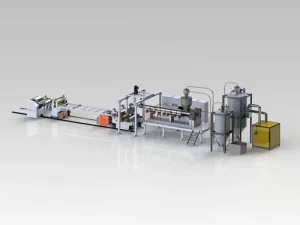
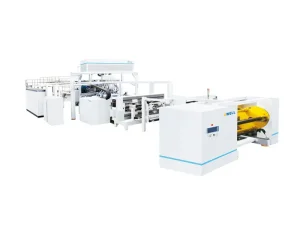
Famous APET PETG Decorative Sheet

Famous APET PETG GAG Decorative Sheet Extrusion Line

View Details →
China PI Cast Film Extrusion Line

China PI Cast Film Extrusion Line Companies, Products

View Details →
Custom PEVA Cast Film Extrusion Line

Custom PEVA Cast Film Extrusion Line Manufacturers, Factory

View Details →
China PP Hollow Board Extrusion Line

China PP Hollow Board Extrusion Line Factories, Exporters

View Details →
Best PP Two-Tone Sheet Extrusion Line

Best PP Two-Tone Sheet Extrusion Line Exporters, Companies

View Details →
Best SGP Solar Film Extrusion Line

Best SGP Solar Film Extrusion Line Factory, Exporters

View Details →
Famous EVA POE Solar Film Extrusion Line

Famous EVA POE Solar Film Extrusion Line Manufacturer

View Details →
Famous PVC EVA Waterproof Sheet Extrusion

Famous PVC EVA Waterproof Sheet Extrusion Line Manufacturer

View Details →

Connect With Our Technical Engineers

GWELL's R&D capability and precision machining have been widely recognized by leading polymer manufacturers globally. Request a custom system design and pricing proposal today.

Send Inquiry Now