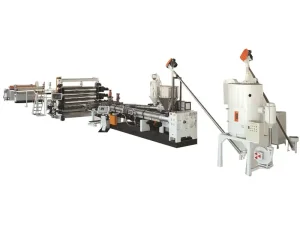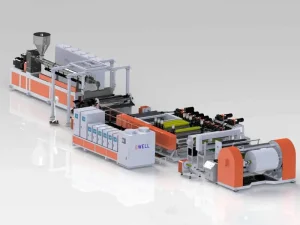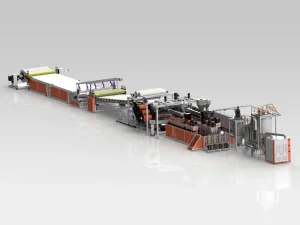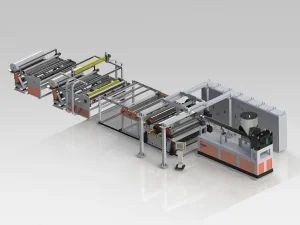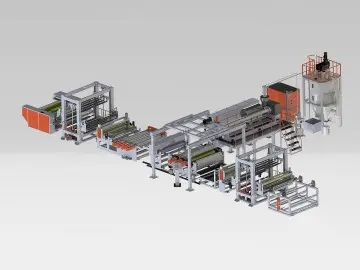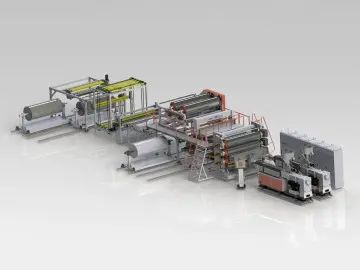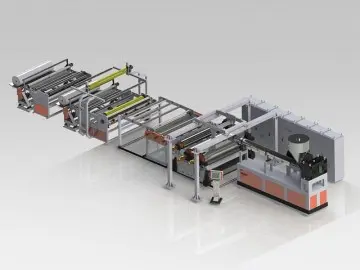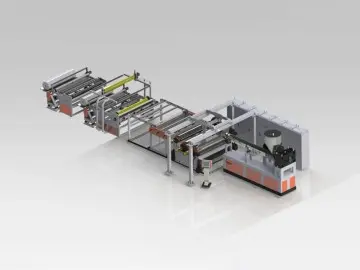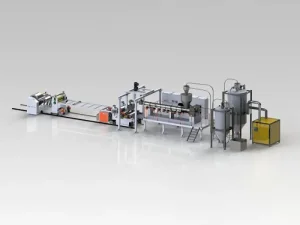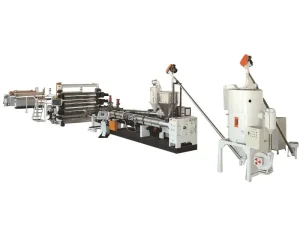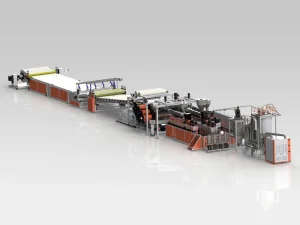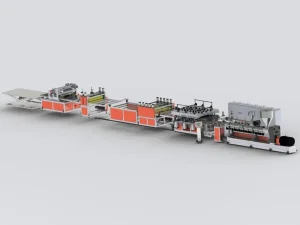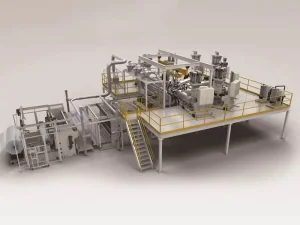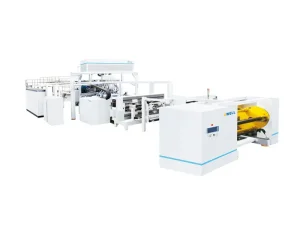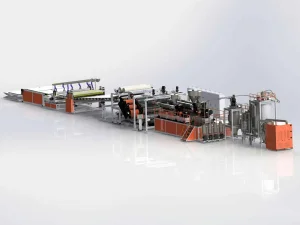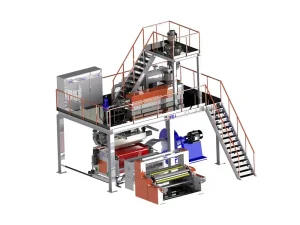
Explore our leading industrial-grade polymer extrusion equipment, engineered for high output and maximum precision.
An in-depth analysis of high-performance polymer extrusion technologies, global market parameters, and engineering innovations.
Polycarbonate (PC) composite sheet co-extrusion stands at the pinnacle of high-performance polymer processing. PC composite sheets, which combine layers of pure polycarbonate with functional polymers such as polymethyl methacrylate (PMMA), acrylics, and ultraviolet-blocking additives, provide unmatched physical profiles. These multi-layer configurations exhibit extreme mechanical impact resistance, superior optical light transmittance, outstanding heat deflection stability, and tailored flame-retardant values. As a premier PC composite sheet extrusion system exporter, Gwell Machinery is dedicated to engineering multi-layer extrusion architectures (A/B, A/B/A, A/B/C) to service high-demand industrial sectors.
Optimizing the co-extrusion system requires highly controlled thermal and rheological engineering. Different polymer components possess highly specific melt flows, shear sensitivities, and crystallization temperatures. Gwell Machinery utilizes advanced feedblock technology and custom-designed coat-hanger T-dies to control the fluid dynamics of each layer. This achieves sub-micron layer precision, ensuring consistent thickness distribution across the entire sheet span. The extrusion line incorporates dynamic gravimetric dosing systems, specialized single-screw extruders with dynamic degassing zones, and ultra-precise gear pumps to regulate pressure stability, preventing optical distortion and internal stress formation in the finished sheet.
The global dominance of Chinese manufacturing in the plastic extrusion machinery sector is built on rapid technical iteration, massive supply chain integration, and concentrated engineering expertise. Leading manufacturers, such as China Gwell Machinery Co., Ltd., offer a powerful value proposition: high-grade European-standard engineering paired with competitive production economics. Operating three world-class manufacturing bases with a total construction footprint exceeding 866,000 square meters, Gwell manages the complete production cycle of heavy extrusion machinery from design to precision machining.
Engineered for high performance, reliability, and precision control in demanding plastic manufacturing environments.
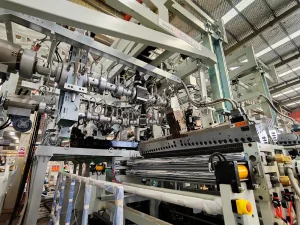
Features micro-adjustable linear guiding rollers and internal heat distribution systems. Ensures optimal surface polishing without building internal stress or optical distortions.
Precision feedblocks manage customized layer structures (e.g., ABA, AB, ABC). This enables exact material profiling for UV filtration and customized surface coloring.
Integrated Siemens PLC with EtherCAT network control tracks all metrics: temperature, pressure, flow rate, and output speed. Enables seamless remote diagnostics.
The manufacturing landscape for polycarbonate sheet materials is evolving rapidly, driven by two key demands: material lightweighting and smart functionalization. In the transportation industry, weight reduction in passenger vehicles, commercial aircraft, and mass transit systems is a priority. Designing PMMA/PC composite sheets allows manufacturers to replace glass windows, instrument panels, and exterior cladding. This reduces weight by up to 50% while meeting strict impact and fire safety standards.
Additionally, the integration of functional additives into the co-extrusion feedblock has created new material classes. Active flame retardants, anti-static agents, customized color concentrates, and infrared reflection components are now co-extruded directly onto the substrate. This eliminates the need for expensive secondary laminations or coating treatments. The integration of high-performance UV co-extrusion layers (50-100 microns thick) ensures weatherability for outdoor architectural glazing and solar backplane applications, protecting the base PC layer from ultraviolet degradation and yellowing.
Global procurement teams sourcing PC extrusion systems look beyond the initial purchase price. They evaluate lifetime operational efficiency, output consistency, maintenance downtime, and technical support. At Gwell, we design our extrusion equipment to address these key points:
Explore our segmented systems, customized to match target polymer applications and production capacities.
China Gwell Machinery Co., Ltd.
China Gwell Machinery is a leading high-tech enterprise dedicated to the design and manufacture of plastic extrusion lines for film, sheet, and profile applications. Relying on advanced processing technology, state-of-the-art tooling machinery, and an innovative engineering team, Gwell delivers high-performance industrial machinery to global markets.
"Expertise creates customers' value" is the core operating philosophy guiding our manufacturing, quality assurance, and after-sales support. We continuously refine screw design, melt flow configurations, and thermal dynamics to help customers maximize productivity and material efficiency.
Production Bases
Total Area (㎡)
Annual Capacity (Lines)
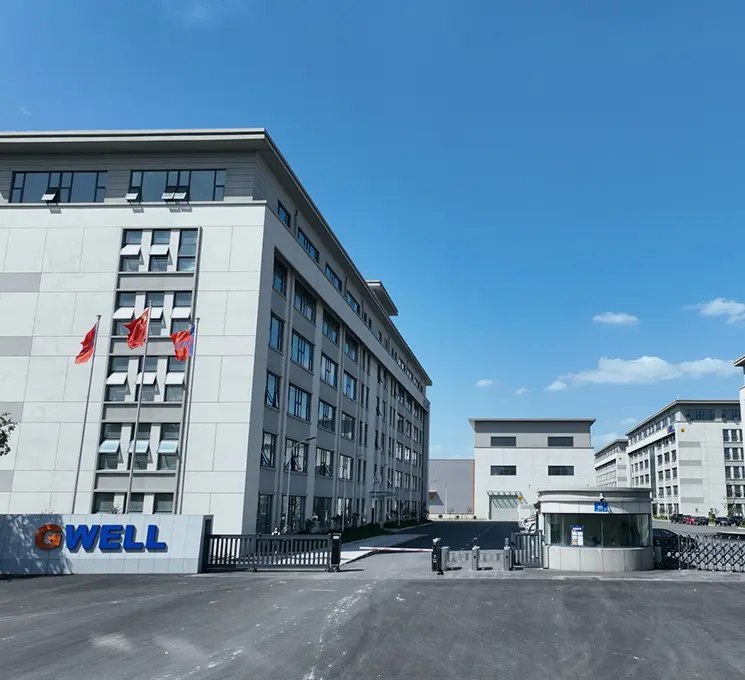
Ensuring operational reliability, technological innovation, and localized engineering support globally.

Collaborating with top universities and plastic research institutes to commercialize polymer processing systems.

End-to-end support covering custom engineering, shipment logistics, on-site commissioning, and operator training.

Three heavy machining bases ensure reliable manufacturing and prompt delivery of large scale extrusion equipment.

Extrusion machinery exported and operating across Europe, the Middle East, Southeast Asia, and the Americas.
Demonstrated capability, manufacturing scale, and global footprint supporting modern plastics processors.
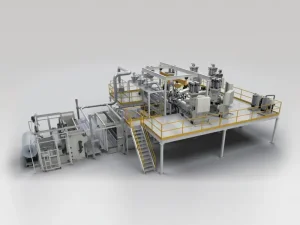
At Gwell Machinery, we deliver macro-industry turnkey solutions tailored to modern industrial parks. Setting up a high-yield sheet extrusion facility requires integrating several process stages: raw material handling, drying and crystallization, melt delivery, roll calendering, inline thickness measurement, surface protection masking, cooling and edge trimming, and automated sheet stacking.
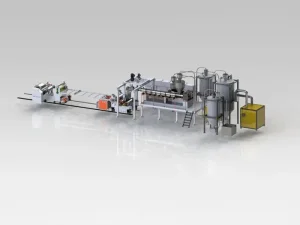
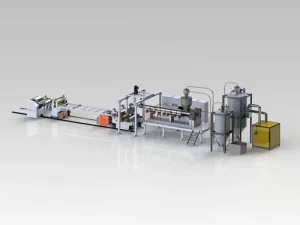
Our turnkey engineering projects combine material handling systems, gravimetric feeding units, specialized sheet extruders, flat sheet dies, three-roll calender stacks, temperature controllers, cooling racks, haul-off units, cutting systems, and high-efficiency stacking assemblies. Every component is managed through a central control unit using Industrial Ethernet. This system enables real-time monitoring of raw material yield, energy consumption, and sheet thickness tolerances, allowing factory managers to maximize resource efficiency.
The end-use application of the extruded product defines the mechanical, optical, and chemical specifications of the line. Gwell co-extrusion machinery can be configured for several localized applications:
Critical engineering insights addressing polymer rheology, process parameters, and system maintenance.
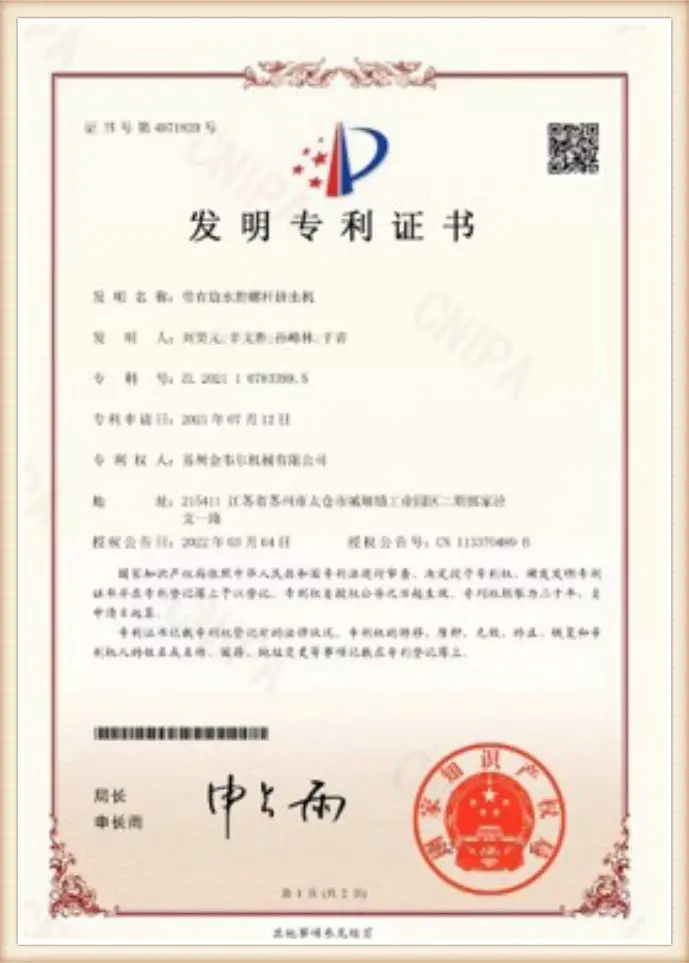
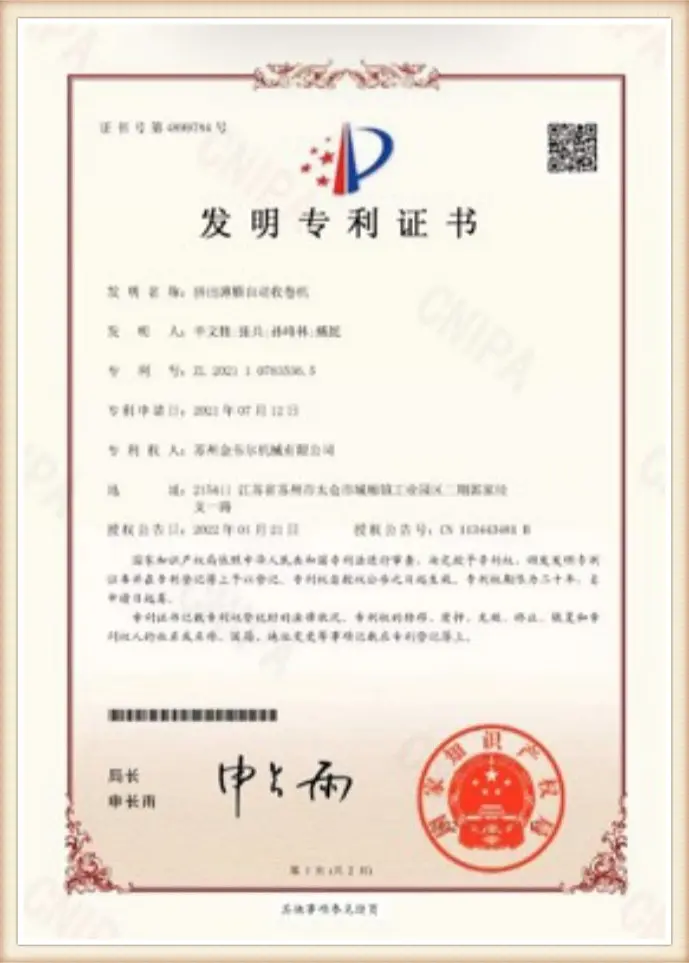
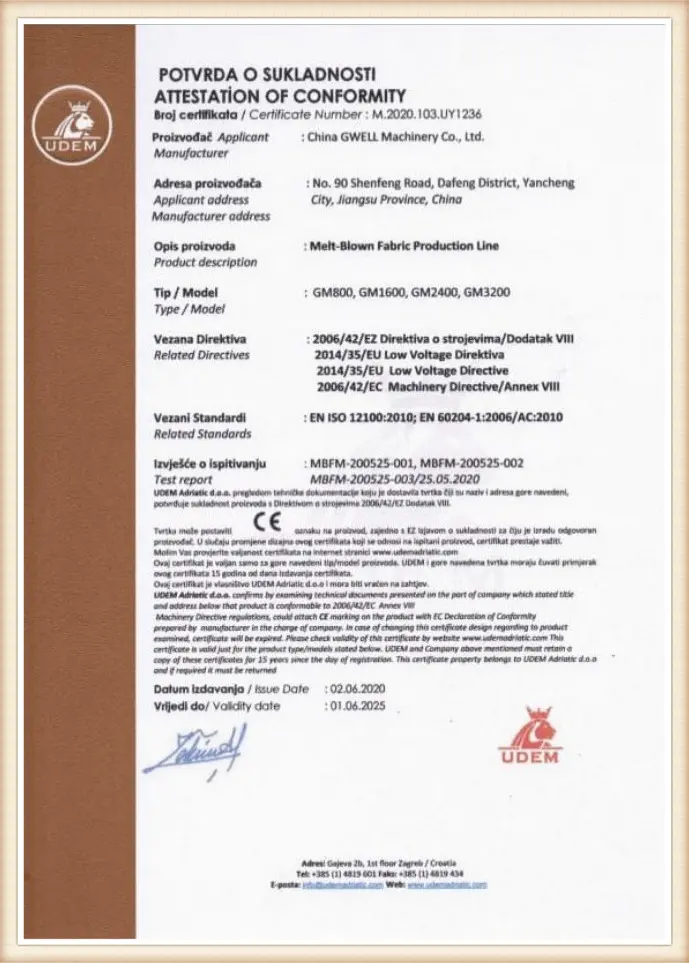
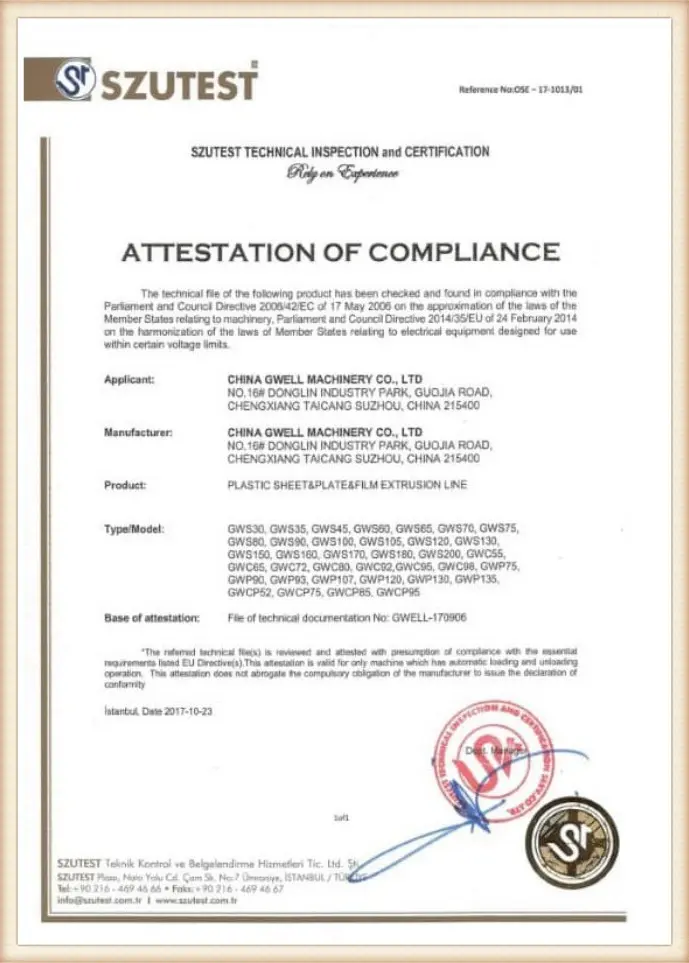
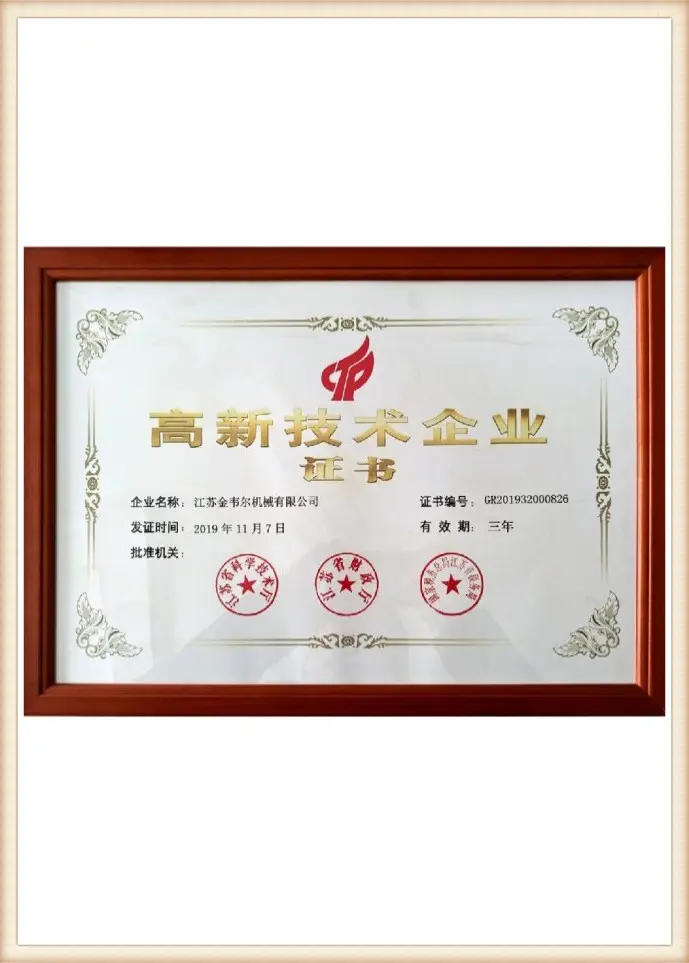
Our commitment to manufacturing quality and safety standards is verified by international certification bodies.
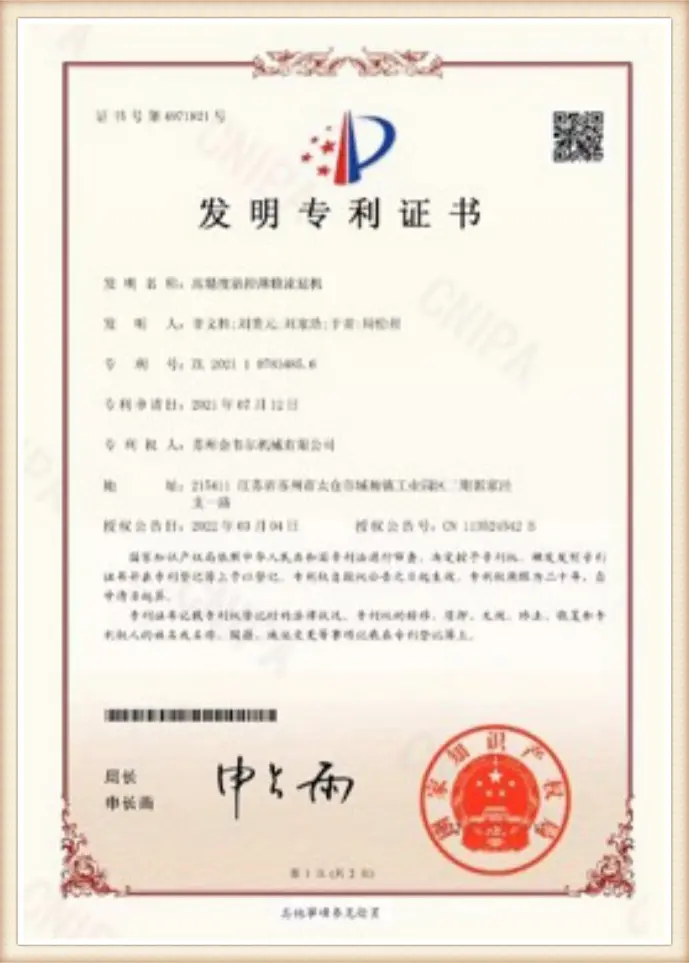
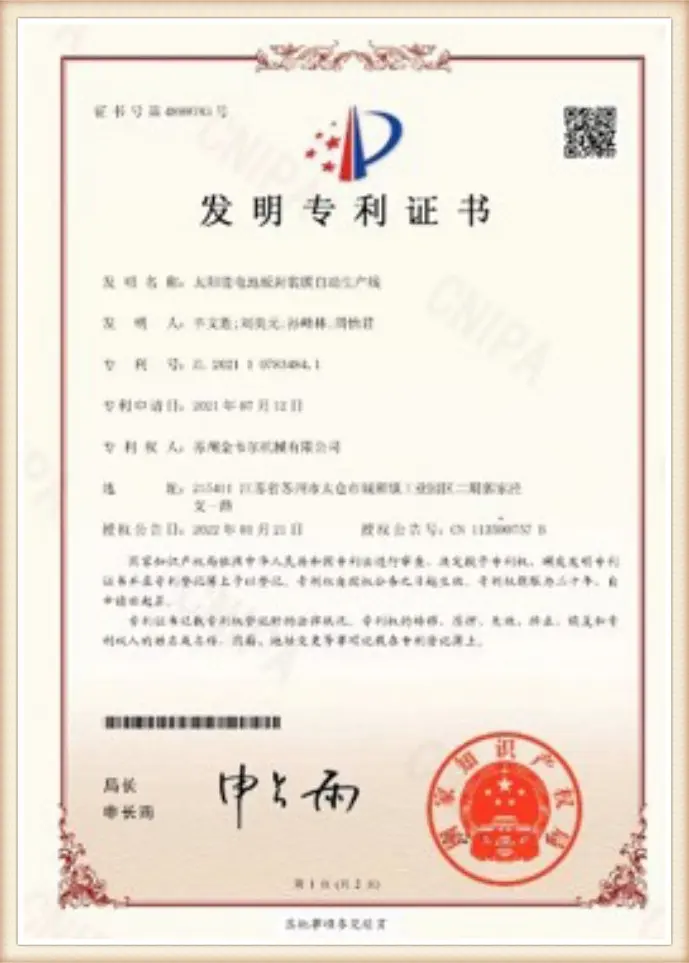
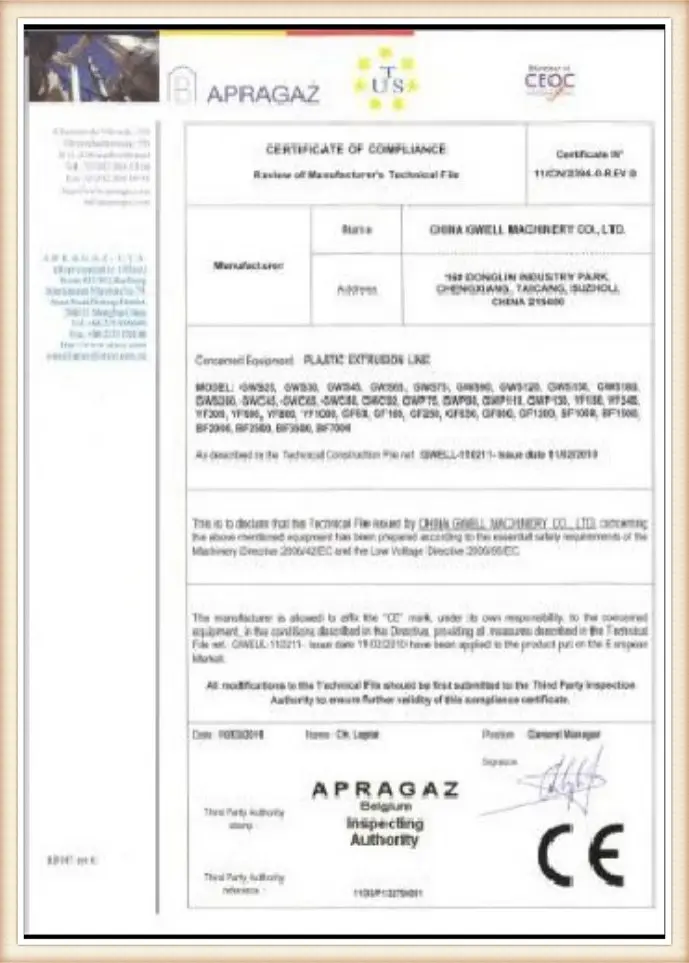
Stay updated on the latest polymer processing trends, trade show exhibitions, and system innovations.
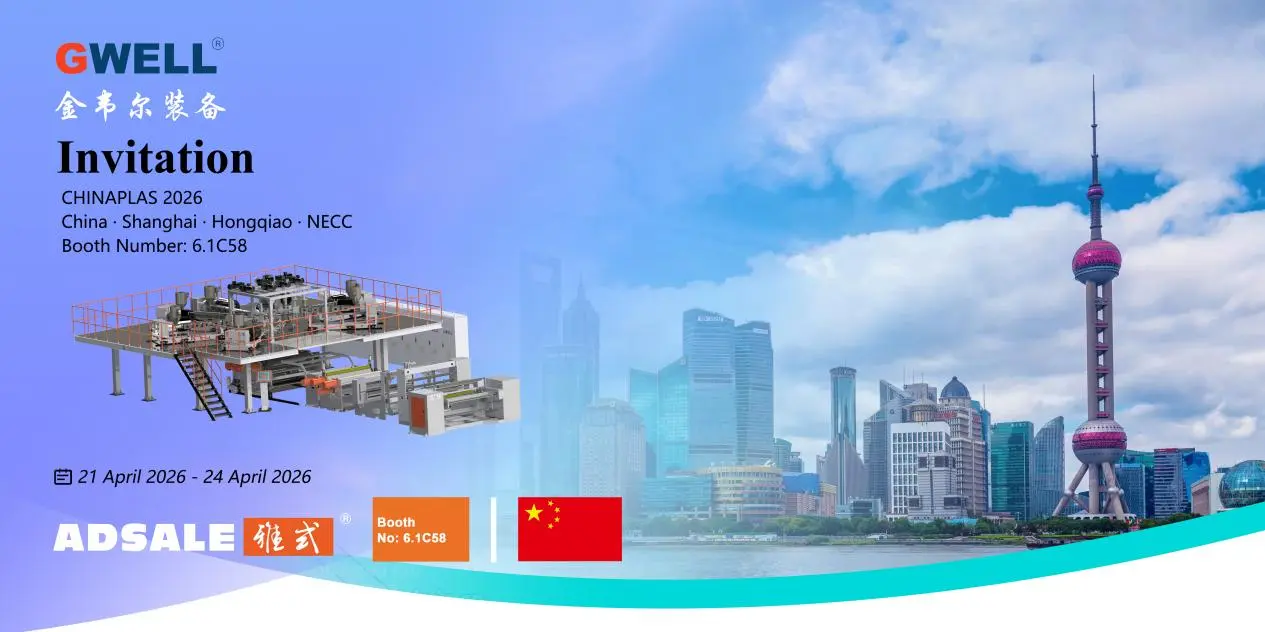
Gwell Machinery will present our latest multi-layer co-extrusion technology and digital twin control panels at the upcoming international plastics show.
View More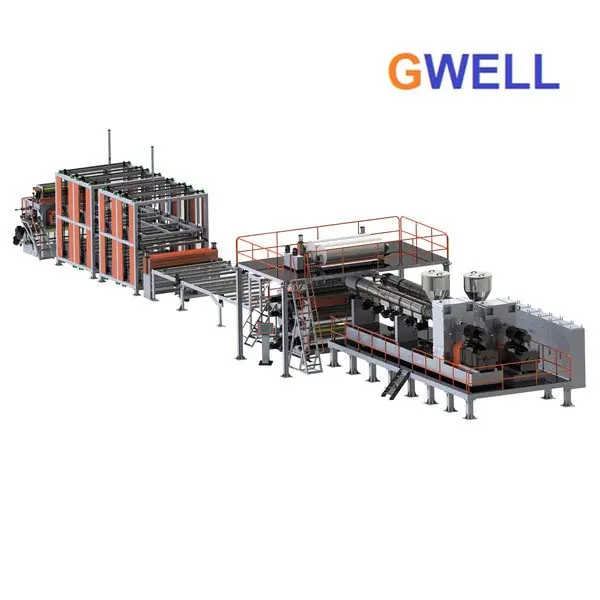
Our newly developed POE leather extrusion line offers an eco-friendly alternative for automotive seating surfaces and interior paneling.
View More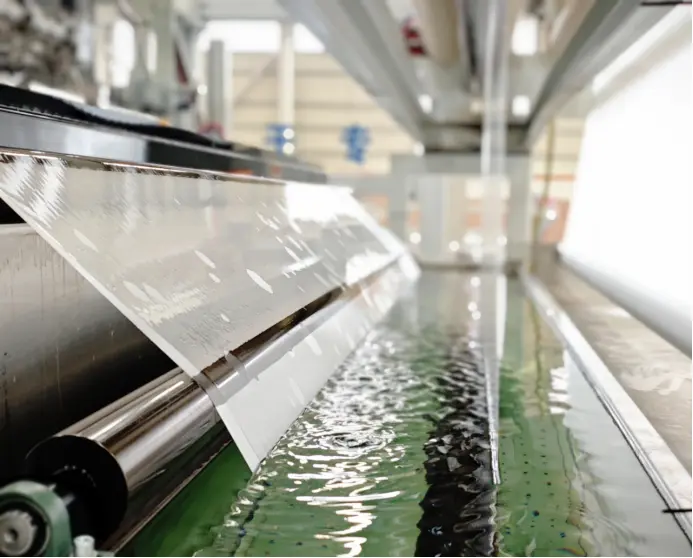
Gwell's PVB wedge-shaped film line offers high precision and compatibility for manufacturing automotive HUD-grade interlayer film.
View MoreCollaborating with world-class engineering brands and material suppliers to deliver high-quality components.


Explore our complete machinery portfolio, serving packaging, solar, and industrial sheet applications.
Contact Gwell Machinery to discuss customized screw geometries, plant layouts, and multi-layer feedblock designs.
Send Inquiry