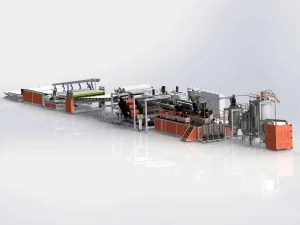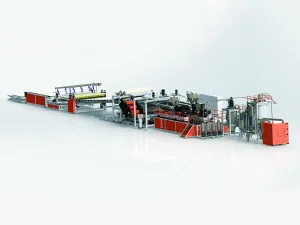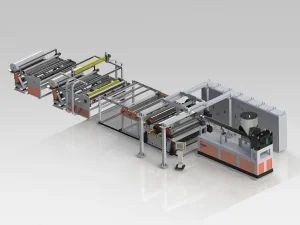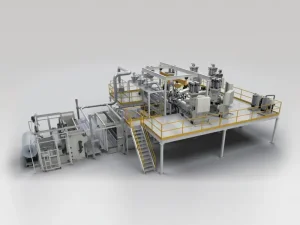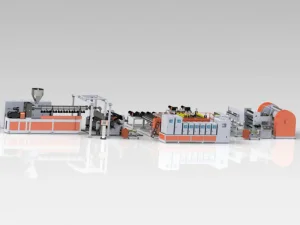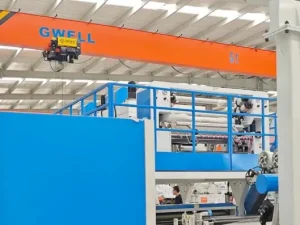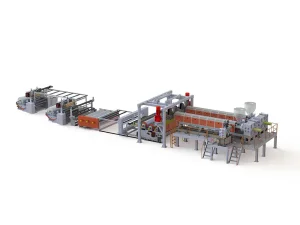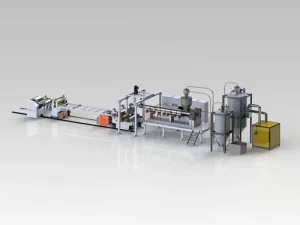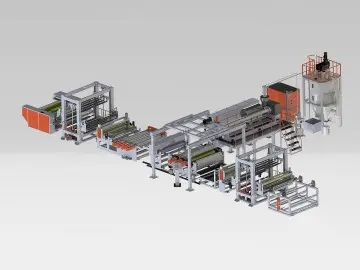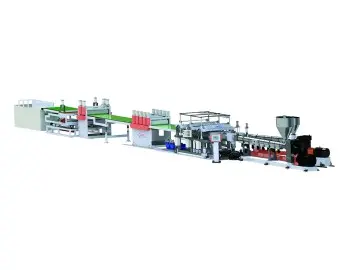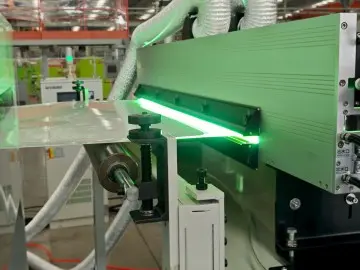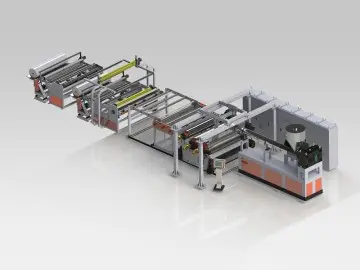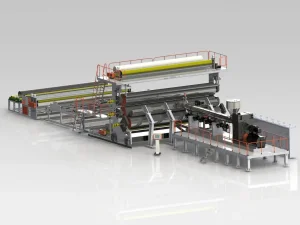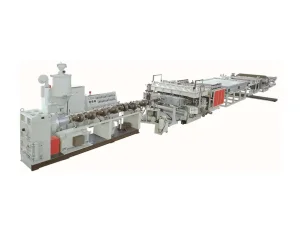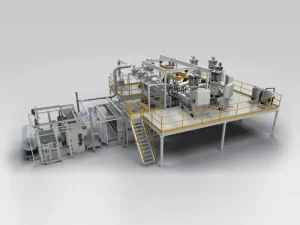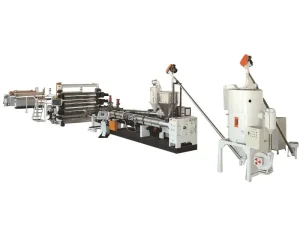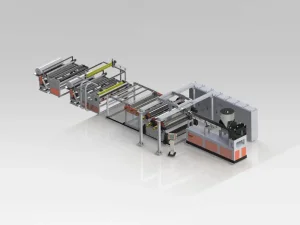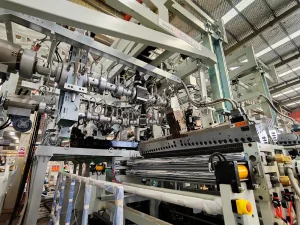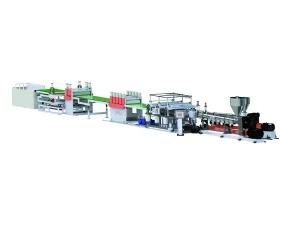
High-throughput extrusion lines engineered for the manufacturing of precision protective sheets, functional optical layers, and heavy-duty structural boards.
In the modern landscape of material science, Polyethylene (PE) hollow boards—frequently recognized across various industries as corrugated plastic, fluted sheets, or twin-wall structural panels—have experienced a paradigm shift. Originating as a lightweight, economical alternative to wood and corrugated fiberboard packaging, PE hollow boards are now recognized as a critical vector for industrial sustainability and circular economy frameworks. Global market trends indicate an accelerating transition toward customized dimensions specifically designed to integrate with automated warehousing, multi-trip shipping systems, and high-precision insulation processes.
Historically, procurement and design departments were forced to adapt their operational dimensions to standard raw manufacturing capabilities. Today, the rise of advanced co-extrusion technology, driven by next-generation mechanical extrusion lines, allows factories to custom-build hollow boards featuring targeted thickness matrices, custom internal flute profiles (such as H-flute, X-flute, and vertical rib architectures), and calibrated density scales (grams per square meter, or GSM). This capability fundamentally reshapes logistic configurations by optimizing product-to-packaging volumetric ratios, cutting redundant material consumption, and slashing transit tariffs through weight minimization.
From a material standpoint, High-Density Polyethylene (HDPE) hollow boards display superior impact resistance, high flexural fatigue life, and exceptional chemical inertness compared to PP (polypropylene) alternatives, especially in cold chain and sub-zero storage situations. By carefully calibrating dimensions and resin densities, manufacturers can produce sheets that endure high-frequency cleaning, sanitize easily, and survive hundreds of reuse cycles without cellular degradation.
To realize maximum efficiency, engineers must navigate the physical boundaries of PE hollow board manufacturing. Extrusion width, sheet thickness, structural GSM, and internal rib design are tightly coupled parameters. The chart below delineates the typical industrial parameters available for custom configurations:
| Board Thickness (mm) | Standard Width Options (mm) | Target GSM Range (g/m²) | Ideal Flute Geometry | Primary Application Areas |
|---|---|---|---|---|
| 2.0 mm - 3.0 mm | 1000 - 1500 mm | 300 - 550 GSM | Standard H-Flute (Fine) | High-speed graphic print media, structural backing liners, protective layer pads. |
| 4.0 mm - 6.0 mm | 1200 - 2000 mm | 600 - 1200 GSM | High-Density H-Flute / X-Rib | Automotive bin dividers, heavy-duty logistics crates, electronic part trays. |
| 8.0 mm - 10.0 mm | 1500 - 2400 mm | 1200 - 2000 GSM | Reinforced X-Flute / Double Wall | Structural construction barriers, glass bottle shipping modules, bulk containers. |
| 12.0 mm + (Specialized) | Custom Width to 2600 mm | 2000 - 3500 GSM | Tri-Wall / Core-Max Honeycomb | Heavy equipment containers, custom heavy-load chemical packaging vaults. |
Determining sheet dimensions is not merely a matter of measuring width and length. It involves calculated control over extrusion melt indicators, stabilizing cooling profiles, and managing post-extrusion shrinking. High-quality PE hollow boards must adhere to linear tolerances within +/- 0.5mm on thickness and +/- 2mm on sheet length. Any deviations can trigger failure in downstream packaging robotics or structural assembly templates.
For multinational enterprises, sourcing customized PE hollow boards is an exercise in total quality management and supply chain resilience. Large-scale buyers in North America, Western Europe, and the Asia-Pacific region are prioritizing several non-negotiable procurement dimensions:
1. ESG Compliance and Circularity: Corporations are mandated to phase out single-use expanded polystyrene (EPS) and classic paperboard. The transition to customizable PE hollow boards allows companies to establish closed-loop recycling loops. Because HDPE is fully recyclable, worn-out boards can be pelletized and returned directly to the factory floor, minimizing scope 3 carbon emissions.
2. Specialized Technical Additives: Global procurement requires customization beyond physical shapes. The raw polymer mix must be formulated with functional compound agents. This includes UV light stabilizers for agricultural applications, carbon black conductive concentrates to safeguard electronic assemblies from electrostatic discharge (ESD), and halogen-free fire retardants to meet safety codes in construction and automotive compartments.
How do Chinese factories maintain a commanding position in the global supply chain for customized PE hollow boards? The secret lies in China's Factory 4.0 evolution, where manufacturing speed integrates with advanced machinery design. China GWELL Machinery Co., Ltd. stands at the intersection of this industrial revolution. By engineering its own elite extrusion machinery—ranging from PE/HDPE Board lines to specialty solar film systems—Gwell controls the fundamental manufacturing variables that define sheet quality.
Equipped with advanced PLC control panels, continuous closed-loop thickness monitoring systems, and melt-metering pumps, Gwell's manufacturing plants realize unprecedented scale economies without compromising dimensional precision. The factory floor leverages IoT integration to adjust mechanical settings in real-time, matching raw materials to custom dimensional demands. This machinery integration ensures that whether a client orders 2mm graphic sheets or 12mm double-walled industrial barrier boards, the line runs with zero waste and consistent thermal stability.
Furthermore, the geographic consolidation of raw material suppliers, automated post-processing machinery, and deep-water ports in Eastern China creates an optimal supply environment. If a global enterprise requires sudden dimensional alterations to meet new shipping configurations, Gwell can re-tool the line, produce the custom dies, test structural limits, and initiate mass volume runs within a fraction of the lead time required by Western manufacturers.
Customized dimensions are highly application-specific. Consider these real-world use cases:
China Gwell Machinery is a high-tech enterprise dedicating to the manufacture of plastic extrusion lines for Film, Sheet and Profile. Relying on the powerful technology and equipment of the group and an innovative spirit, Gwell commits to the development of high-tech products and the international market. "Expertise creates customers' values" has always been the company's operating philosophy.
Discover Gwell's engineering capabilities across sheet, board, film, and green energy solar film extrusion systems.
Specialized extrusion technology for high-performance functional films.
Heavy-duty systems for construction, shipping, and architectural boards.
High-speed lines for packaging, thermoforming, and decorative sheets.
Next-generation solutions for photovoltaic panels and solar encapsulation.
Why global brands select China Gwell as their strategic polymer extrusion partner.

Collaborating with top universities and research institutes globally to pioneer plastic processing innovations.

End-to-end support including pre-engineering calculation, machinery commissioning, and remote operational analytics.

Three massive manufacturing bases in China delivering over 1000 intelligent extrusion lines annually.
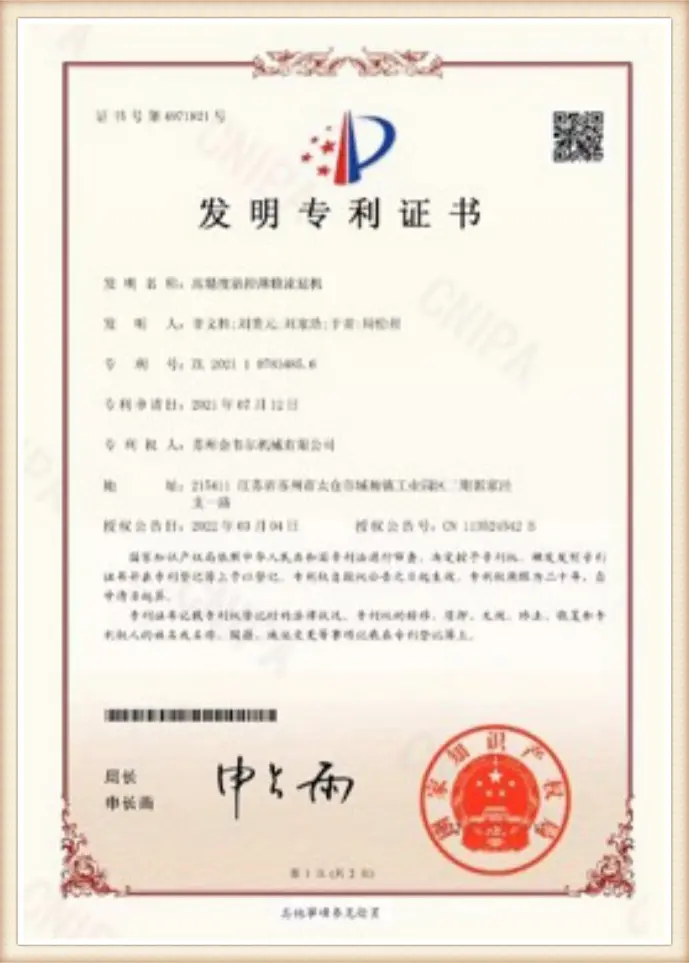
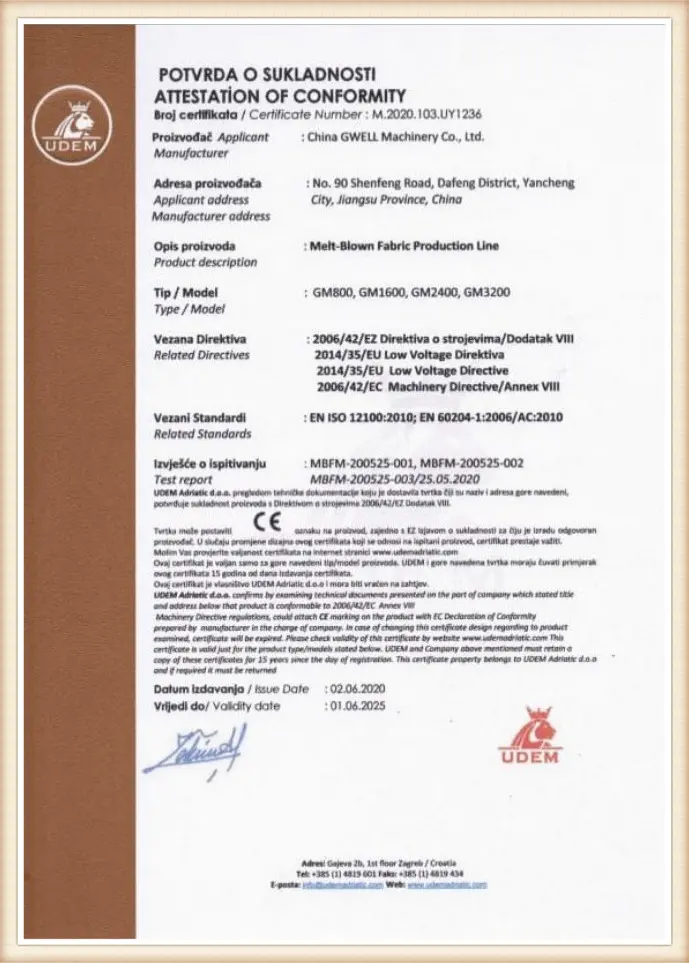
Rigorous quality control system verified by leading global certification bodies.
Technical answers to critical questions regarding sizing, tolerance, materials, and production capacities.
For premium industrial grades, the target thickness tolerance is held within +/- 0.3mm to +/- 0.5mm. During high-speed extrusion run cycles on Gwell extrusion lines, real-time beta-ray feedback controls die lip expansion dynamically to maintain optimal dimensional uniformity.
Yes. During compound formulation in our Factory 4.0 production bases, high-performance masterbatches are fed via gravimetric dosing units. This allows the boards to conform to UL 94 V-0 flame retardancy ratings and provide anti-static resistivity between 106 and 109 ohms.
PE (specifically HDPE) has a significantly lower glass transition temperature than PP. This means PE hollow boards maintain structural elasticity and high impact resistance down to -60°C, whereas PP becomes brittle and breaks easily below 0°C. This makes customized PE hollow boards the standard choice for cold chain and sub-zero logistical storage.
Our specialized extrusion lines can run structural boards at widths up to 2600mm. The length is practically unlimited as sheets are cut inline via automated guillotine shears, although shipping container dimensions typically restrict length to 5.8 meters or less.
Follow Gwell's technology launches, exhibition showcases, and breakthroughs in extrusion systems.
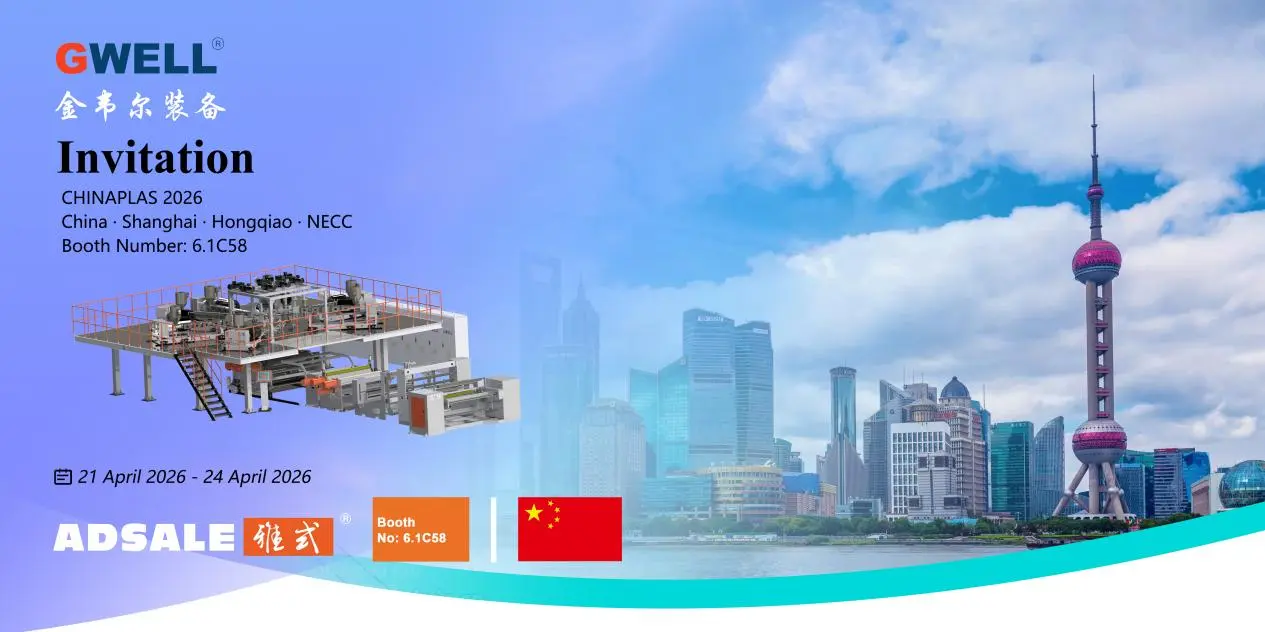
Gwell Machinery is set to exhibit its newest smart control systems for high-capacity cast film and hollow board lines at the international plastics showcase.
View More →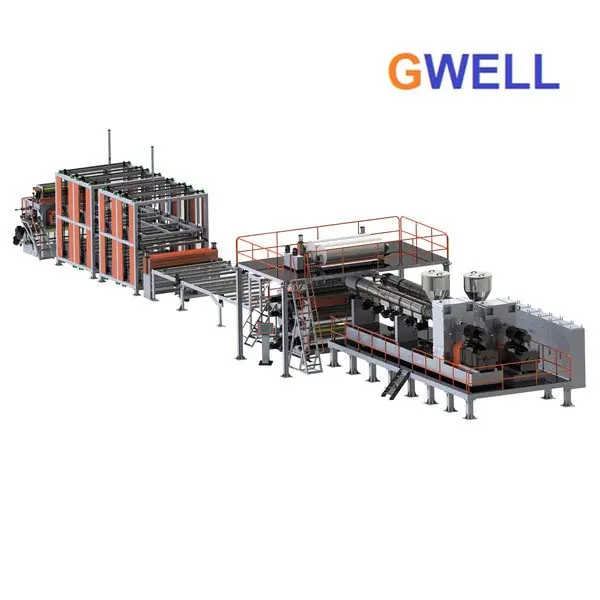
Providing next-generation ecological material extrusion lines that serve the luxury automotive upholstery and interior panel markets.
View More →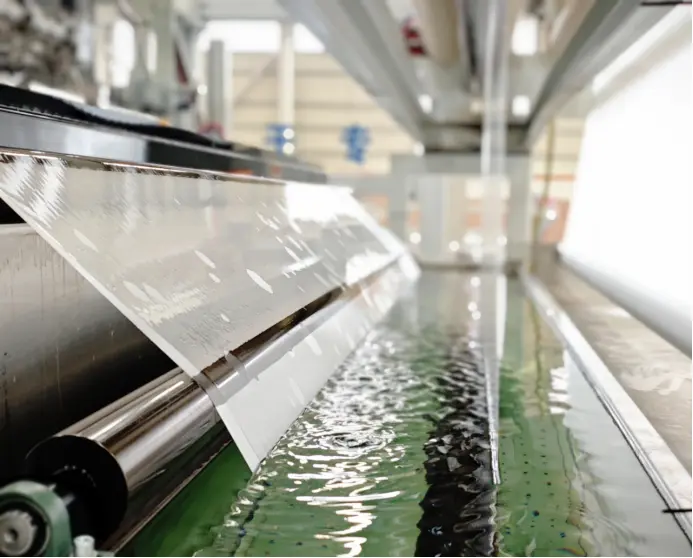
Achieving high precision, efficiency, and compatibility in HUD glass interlayer manufacturing lines to supply top automotive brands.
View More →


Gwell's precision R&D processing capabilities and manufacturing scale have been widely recognized by global supply chains. Get in touch with our engineering directors to calculate custom dimensions, run test batches, or purchase high-efficiency extrusion machinery.
Send Inquiry NowExplore our machinery portfolio engineered to meet demanding industrial film and structural hollow board requirements.