Deploying intelligent technology and state-of-the-art thermal modeling dynamics. Explore our premium extrusion systems customized for high-capacity packaging, renewable energy, and chemical applications.
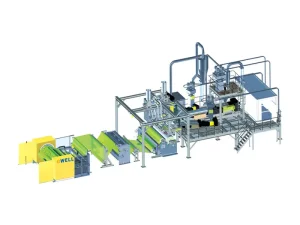
Innovative specialty line for the chemical synthesis and green hydrogen energy separator production.
Explore Specifications →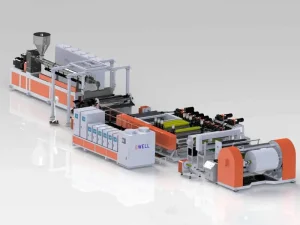
Ecologically sustainable structural sheet fabrication utilizing calcium carbonate fillers.
Explore Specifications →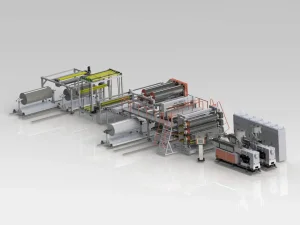
Thermoplastic polyurethane film processing with tight tolerance gauges and precise flat dies.
Explore Specifications →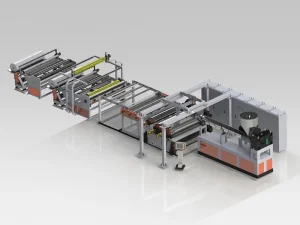
Specifically engineered for automotive HUD laminated safety glass and architectural applications.
Explore Specifications →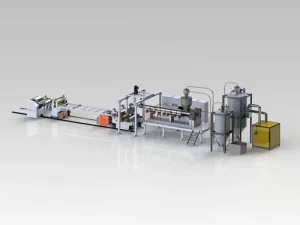
Co-extrusion solutions for cosmetic, pharmaceutical, and electronic thermoforming packages.
Explore Specifications →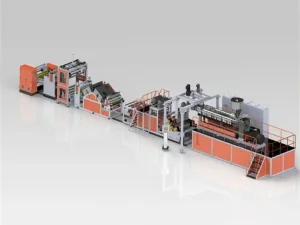
Polycaprolactone extrusion systems producing low-temperature medical orthotics.
Explore Specifications →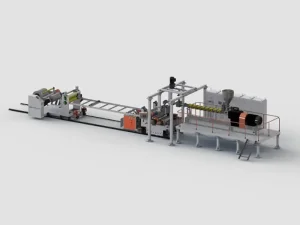
Optimized melt pressure consistency for premium blister and food packaging applications.
Explore Specifications →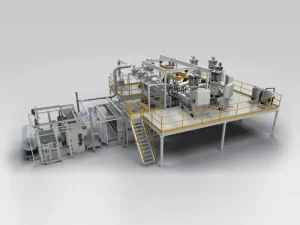
High-speed casting roll systems delivering exceptional film clarity and thickness control.
Explore Specifications →As modern manufacturing pivots toward high circularity, durability, and processing efficiency, Acrylonitrile Butadiene Styrene (ABS) sheets remain a foundational material. Widely recognized for their high impact strength, rigidity, thermal stability, and ease of secondary thermoforming, ABS sheets are extensively deployed across automotive engineering, refrigeration, sanitary ware, luggage manufacturing, and electronic protection. However, producing premium-grade ABS sheets requires specialized machinery capable of balancing raw-material rheological behavior with high mechanical throughput. As a global manufacturer, Gwell provides comprehensive solutions for these demanding industrial requirements.
ABS polymer contains trace moisture and residual monomers (such as styrene and acrylonitrile). If not adequately extracted, these volatiles form internal micro-voids, bubbles, and surface silver streaks during extrusion. Gwell’s systems utilize bimetallic vented barrels matched with multi-stage high-vacuum extraction systems to ensure perfect melt purity.
Standard single-screw designs often yield poor mixing indexes for ABS copolymer blends. We utilize custom L/D ratios (ranging from 33:1 to 38:1) with specialized barrier screw geometry and dispersive mixing heads. This ensures uniform temperature distribution across the polymer melt and minimizes shear heat buildup that could cause thermal degradation of the butadiene rubber phase.
For high-capacity ABS extrusion, Gwell utilizes automatic "coat-hanger" T-dies equipped with integrated thermal expansion bolts. Closed-loop control systems dynamically adjust the die lip gap according to real-time thickness feedback, maintaining a transverse thickness variation below ±1.5%, which reduces downstream thermoforming waste.
Our 3-roll calender systems utilize individual, high-precision water/oil temperature controllers (PID modulated) coupled with motorized roller gap adjustments. This design ensures optimal surface crystallization and optical properties, minimizing internal stresses that could compromise the thermoforming stability of the sheet.
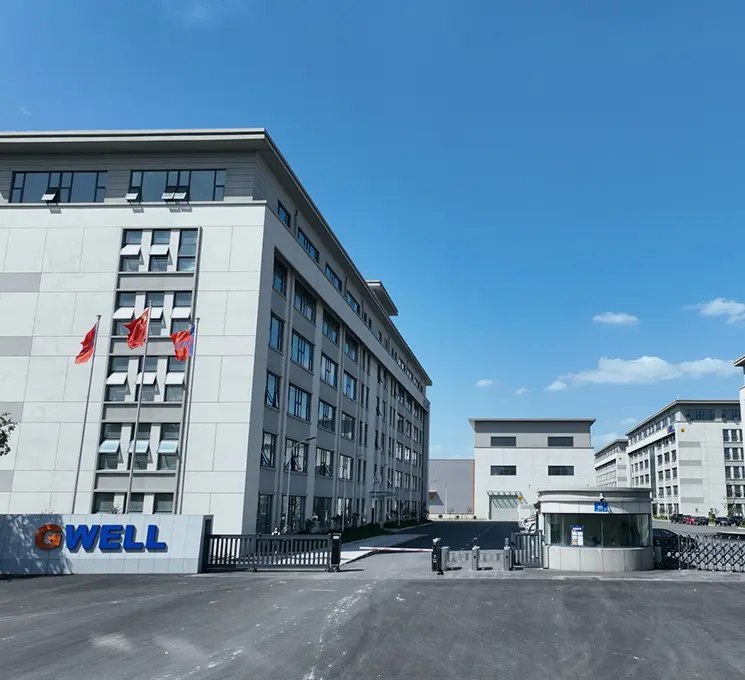
Operating from three specialized manufacturing bases covering over 866,000 square meters of production space, Gwell blends Chinese cost efficiency with high-end mechanical engineering. We handle the entire production process in-house—from machining mechanical parts to assembling finished lines and programming electrical cabinets. This vertical integration allows us to offer shorter lead times and higher build consistency compared to manufacturers relying on external outsourcing.
Our production facilities are equipped with heavy-duty CNC machining centers, high-capacity grinding tools, and automated testing labs. Each production line undergoes extensive dry run testing and Factory Acceptance Testing (FAT) before shipment. This level of quality control ensures smooth integration upon arrival at the customer's facility, reducing setup times and minimizing project risk.
Global procurement teams analyzing heavy machinery CAPEX look for reliable, high-performance equipment that meets safety and environmental standards. Below is a checklist of our standard specifications, indicating the high level of engineering applied to each machine:
| Technical Parameters | Gwell Standard Specifications | Operational Benefits |
|---|---|---|
| Extruder Sizes | Single Screw Φ90mm - Φ180mm (Co-rotating Twin Screw optional) | Optimized melt plastification for custom throughput rates. |
| Co-extrusion Capability | A/B, A/B/A, A/B/C, up to 7 multi-layer structures | Allows for recycled core layers with clean outer skins. |
| Calender Roller Design | Internal spiral flow channels, surface hardness > HRC 58 | Ensures uniform cooling rates across the entire sheet width. |
| Thickness Control Range | 0.5 mm to 12.0 mm (Automatic adjustment option) | Covers products from thin thermoformed trays to thick industrial panels. |
| Electrical Integration | Siemens PLC with remote Ethernet diagnostic gateway | Simplifies troubleshooting and integration with MES factory networks. |
Our ABS sheet extrusion technology is engineered to meet the specific demands of major global market segments:
Automobile interiors demand strict low-VOC, matte surfaces, and high mechanical crash performance. Gwell provides specialized ABS/PMMA and ABS/PC co-extrusion technology. This ensures the substrate maintains high impact resistance while the acrylic top layer delivers excellent UV resistance and gloss control.
Refrigerator liners require high resistance to cracking caused by polyurethane blowing agents (Freon resistance). Our ABS extrusion lines are designed to handle customized high-molecular-weight ABS grades, producing sheets with excellent deep-drawing properties and consistent wall thickness.
Our sanitary ware lines produce co-extruded ABS/PMMA sheets designed for bathtubs, shower enclosures, and vanity basins. The composite sheet combines the mechanical strength of ABS with the scratch resistance and chemical stability of polymethyl methacrylate (PMMA).
Industrial machinery must evolve to keep pace with digitalization and sustainability requirements. Gwell's engineering R&D center focuses on key areas to future-proof our extrusion equipment:
By integrating melt pressure and temperature sensors with AI algorithms, our PLC systems can detect small process variations. This enables automatic adjustments to extruder screw speeds and die lip temperatures, maintaining stable melt dynamics without operator intervention.
Processing PCR (post-consumer recycled) and PIR (post-industrial recycled) resins presents challenges due to variations in melt flow index (MFI) and contaminants. Our screw designs are engineered to handle blends containing up to 70% recycled ABS while maintaining the sheet's mechanical properties.
Recognizing that extrusion is an energy-intensive process, we incorporate high-efficiency electromagnetic barrel heating systems and regenerative cooling water loops. These technologies reduce energy consumption by up to 25% compared to traditional resistive heating systems.
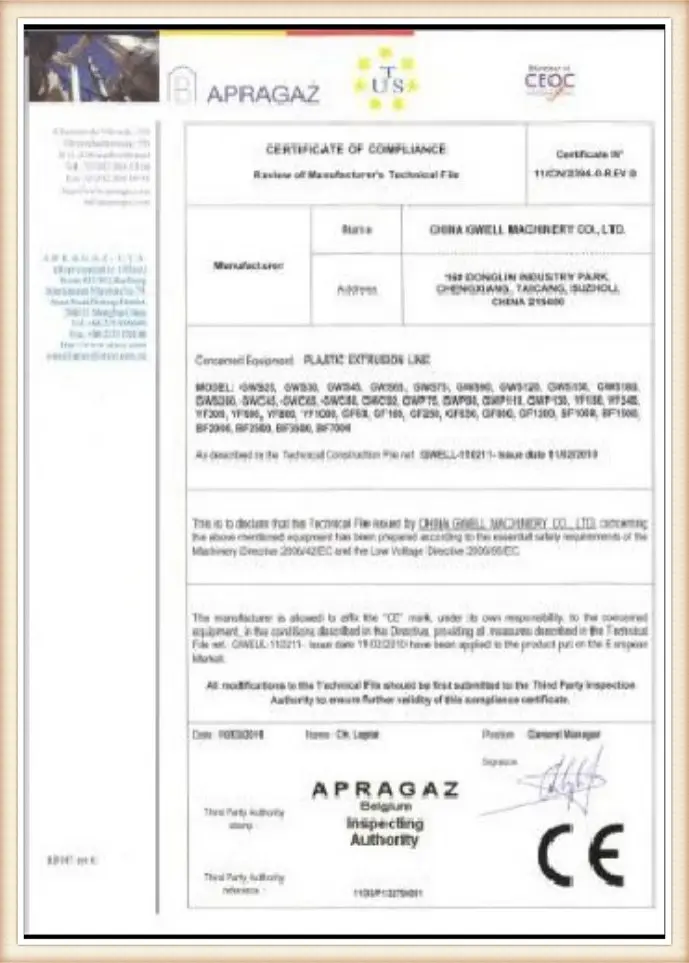
Operating globally requires adherence to international standards and reliable local support. Every Gwell machine is built to meet international regulatory requirements, including CE, UL, and CSA safety standards. From local electrical code requirements to safety guarding, our systems are designed to simplify your plant's insurance and regulatory audits.
To support customers after the sale, Gwell has built a global service network of field engineers. We provide prompt support for installation, commissioning, operator training, and maintenance. Through our cloud-connected PLC interface, Gwell technicians can remotely diagnose machine issues, trace process faults, and guide local maintenance teams in real-time, helping to prevent extended downtime.
Gwell's technology portfolio spans film casting, board and sheet extrusion, and specialized green-energy systems. Below are the key divisions of our production line capabilities:
Tailored for high-precision film casting applications, including ASA, TPU, PVDF, PVB, PVA, PI, and PEVA films. These systems are designed to deliver uniform gauge thickness and optical clarity, serving the solar power, automotive, and packaging industries.
Engineered for thick, heavy-duty applications, including PVC, SPC, WPC, PP construction boards, PEEK, PFA, PVDF, PE, and HDPE board lines. These robust systems utilize heavy-duty pullers and high-torque gearboxes to process high-viscosity resins.
Optimized for packaging and thermoforming sheet materials, including PCTG, TPO, TPE, PP two-tone, PP blister, bio-degradable PLA, and PC/PMMA optical sheets. These systems focus on surface finish quality and thermal stability.
Specialized systems designed to support clean energy sectors. These include SGP solar film lines, PVE film casting lines, Polyurethane solar frame lines, and high-performance Hydrogen energy PPS separator membrane lines.
Discover more Gwell solutions designed for optical panels, thin packaging, structural boards, and multi-layer plastic sheet production.
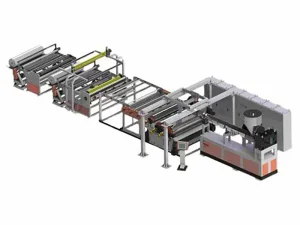
Specialized film line designed for next-generation solar cell encapsulation processes.
Explore Specifications →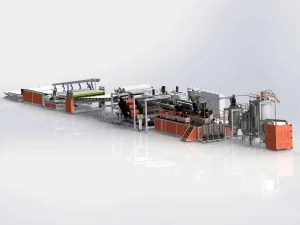
Delivers high light transmittance and optical-grade dispersion for LED panel lighting.
Explore Specifications →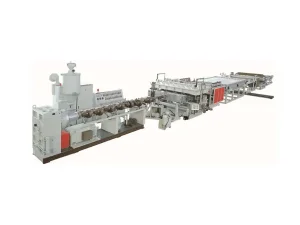
Extrudes lightweight, high-strength structural boards for packaging and logistics.
Explore Specifications →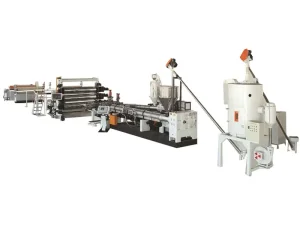
Specifically engineered for refrigerator inner liners, ensuring chemical and crack resistance.
Explore Specifications →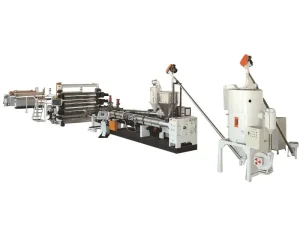
A versatile multi-purpose co-extrusion system designed for maximum utility and material flexibility.
Explore Specifications →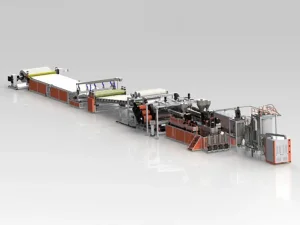
Built for cleanroom operations, producing defect-free sheets for optical screens.
Explore Specifications →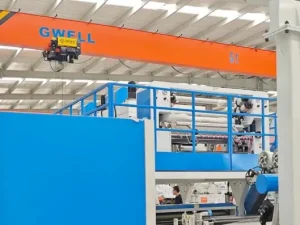
Designed to extrude food-safe APET/PETG sheets for meal boxes and thermoformed cups.
Explore Specifications →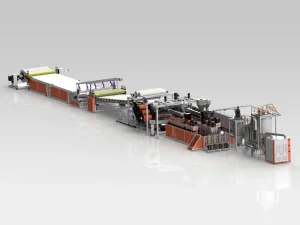
A flexible sheet production line tailored for advertising, light boxes, and construction.
Explore Specifications →Get authoritative answers to common engineering and operational questions about ABS sheet production machinery.
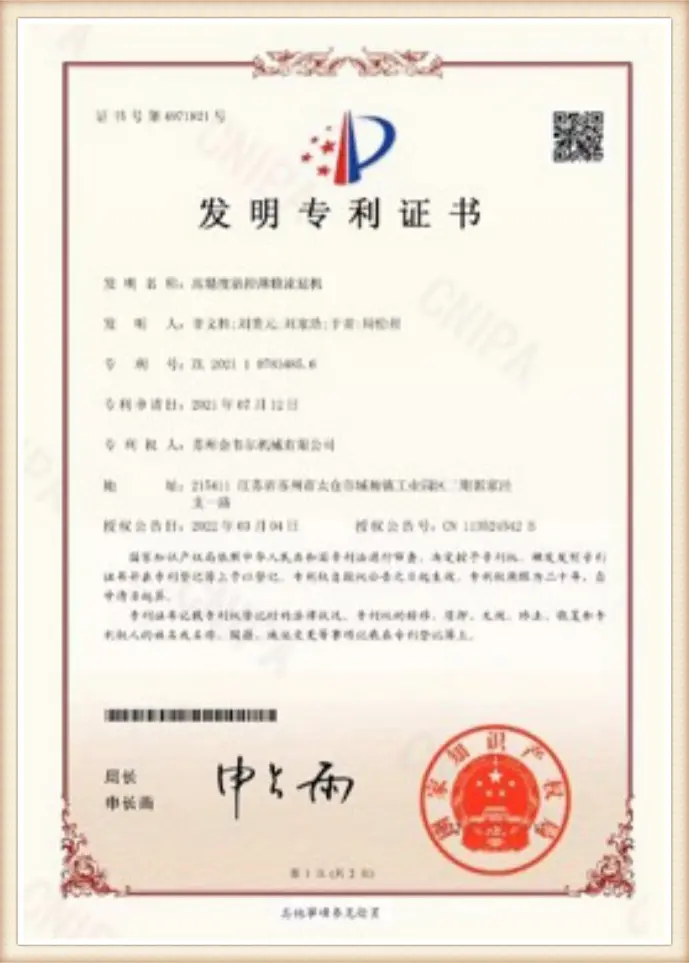
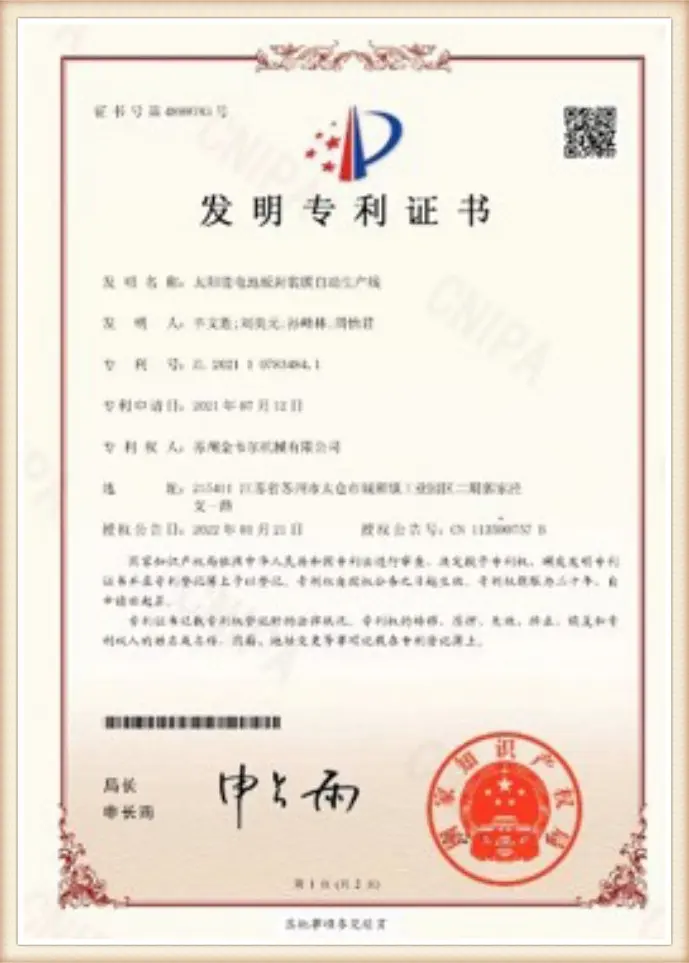
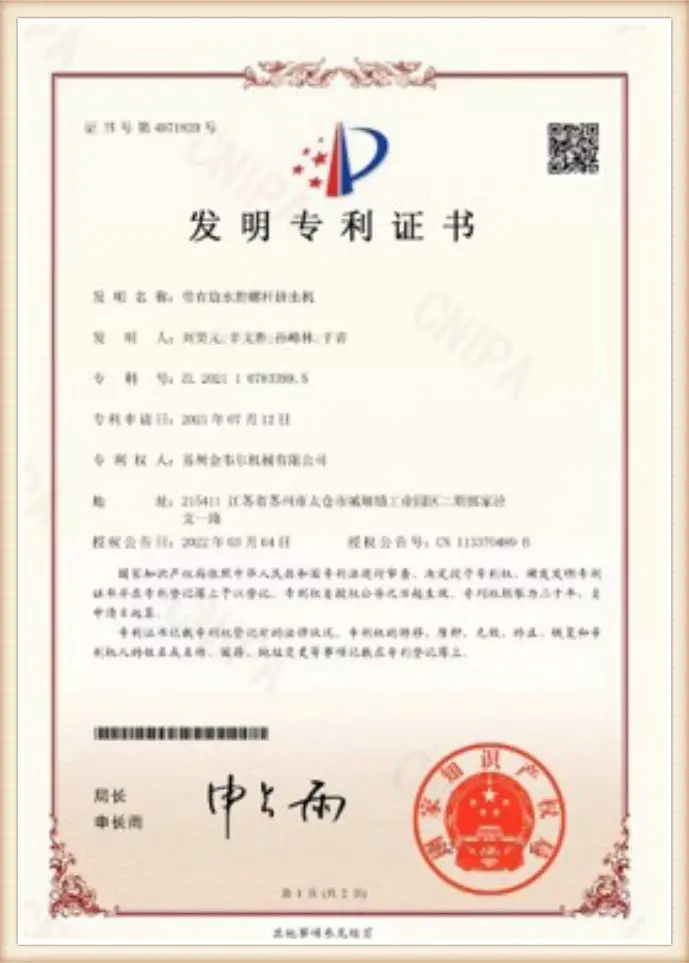
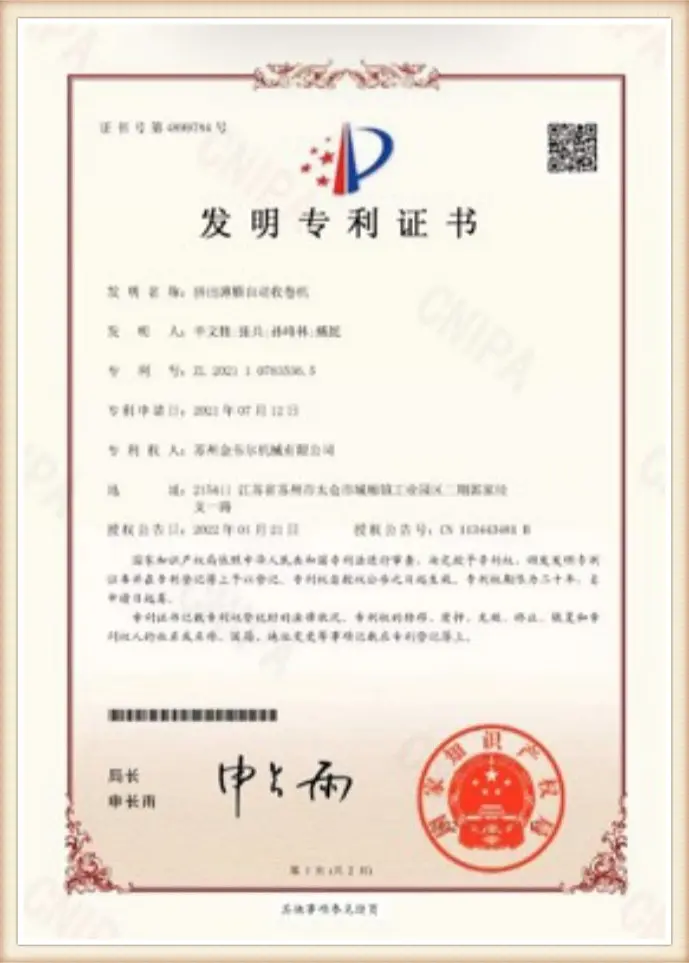
Our engineering and manufacturing standards are backed by internationally recognized quality certifications:
Stay informed on our latest technology releases, international exhibitions, and material advances.
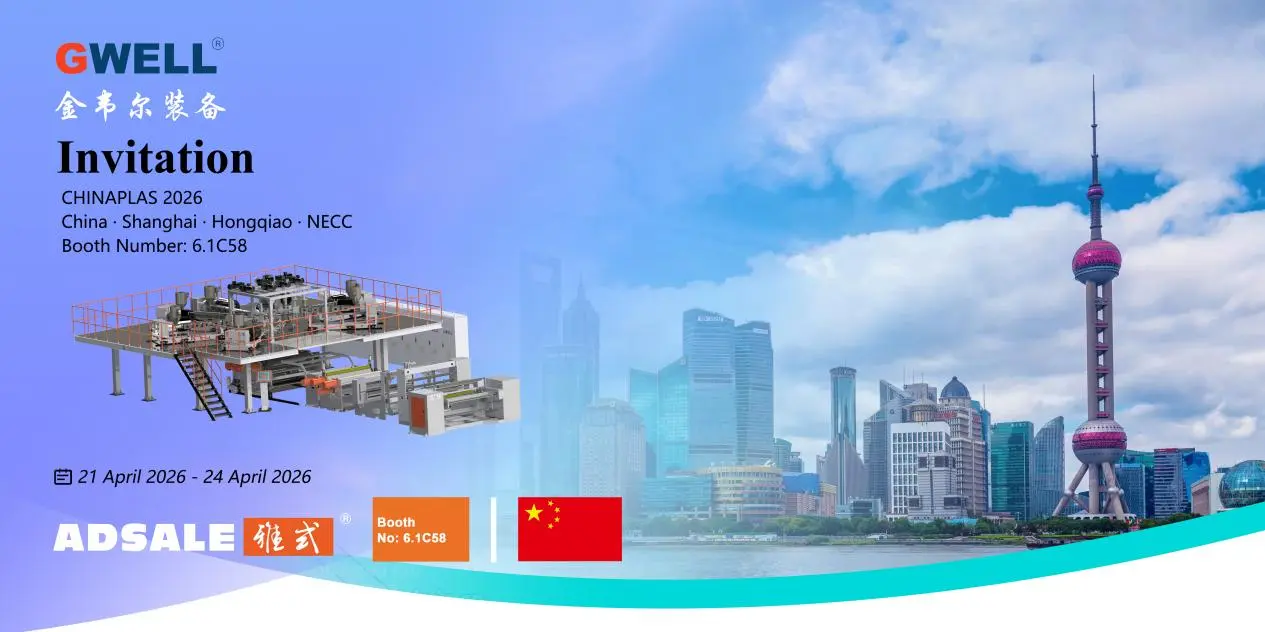 April 14, 2026
Highlighting our latest energy-saving multi-layer ABS/PMMA extrusion line at the upcoming international plastics show.
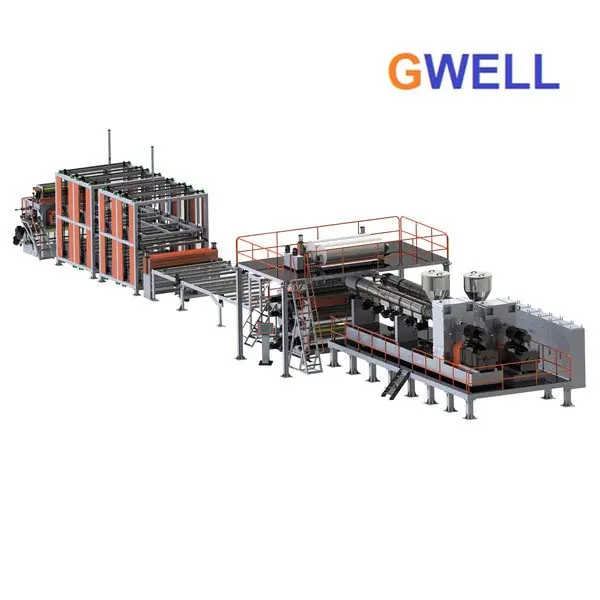 February 11, 2026
An eco-friendly alternative to traditional PVC leather, designed for premium automotive interior applications.
 June 25, 2025
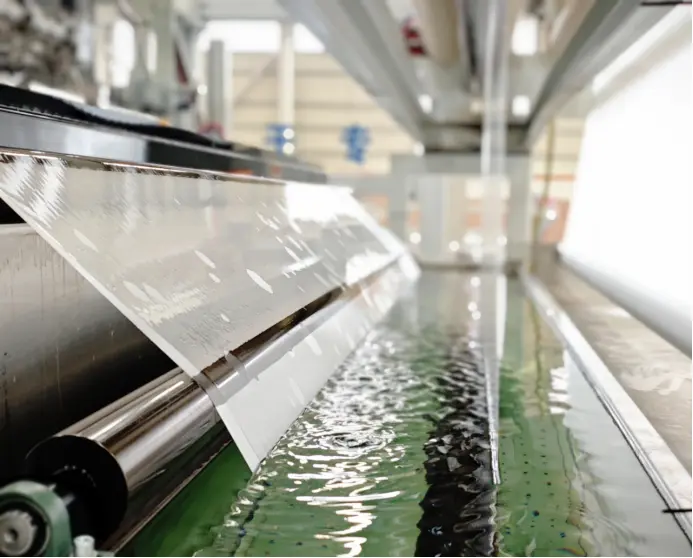
Our high-precision PVB line has passed commissioning, delivering film layers for automotive HUD assemblies.
We collaborate with major global chemical suppliers and automation partners to deliver high system reliability:


Consult with our field application engineers to configure a custom ABS extrusion system tailored to your production, width, and multi-layer requirements.
Speak directly with our technical engineering department for mechanical specs, floor space layouts, and quotation terms.
Send Technical Inquiry