
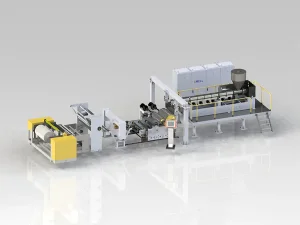
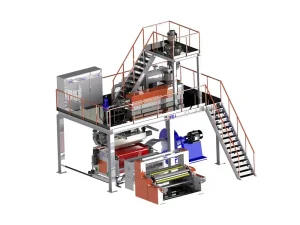
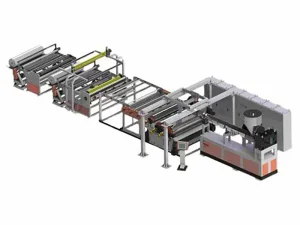
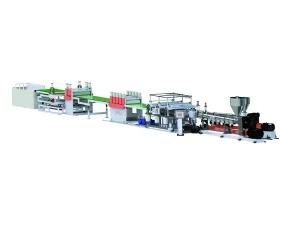
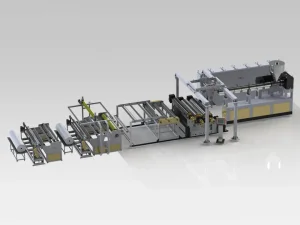
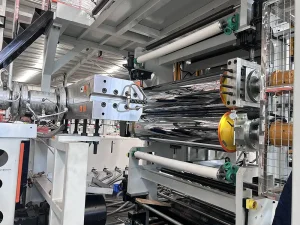
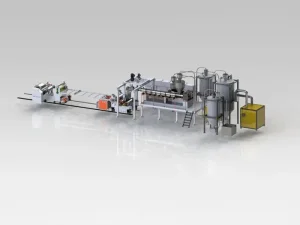
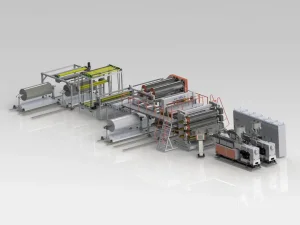
In the highly specialized ecosystem of engineering thermoplastics, PCT (Polycyclohexylenedimethylene Terephthalate) and its key copolyester derivative PCTG represent a critical paradigm shift for high-performance applications. As an elite polymer offering superior thermal properties, extreme hydrolytic stability, and exceptional chemical resistance, extruding PCT and PCTG sheets requires mechanical tolerances that far exceed standard PET or PETG setups. This whitepaper systematically breaks down the architectural dynamics, raw material challenges, and engineering innovations behind global PCT film and sheet factories.
Our organization, as an authoritative high-tech extrusion machinery designer, addresses the fundamental issues modern manufacturers face: minimizing thermal degradation, guaranteeing precise gauge tolerances, and maintaining optical clarity in thick sheets. Through continuous research and development alongside major material laboratories, we present this definitive guide to engineering high-performance PCT sheet and film manufacturing architectures.
Unlike PETG, which exhibits a broad processing window, PCT (and high-glycol PCTG) features a high crystalline melting point (~290°C) and a highly shear-sensitive viscosity curve. Extruder screw geometries must be engineered with low-shear, highly homogeneous barrier designs to prevent catastrophic polymer chain degradation, which otherwise results in severe yellowing and brittleness in final products.
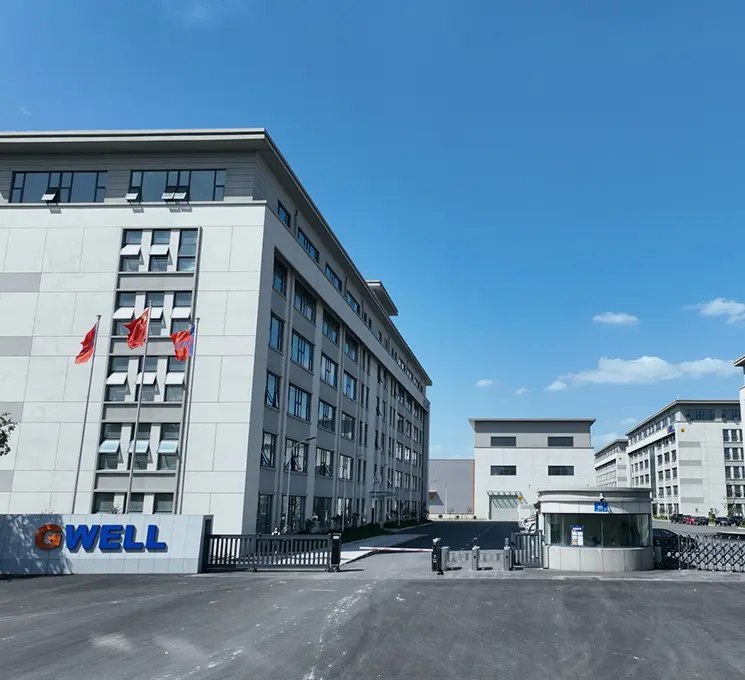
China GWELL Machinery operates as an industry titan, dedicating advanced engineering resources to high-performance film, sheet, and profile extrusion lines. Our infrastructure supports scale and custom engineering specifications for demanding international buyers.
We actively collaborate with leading research universities and material institutes to engineer custom barrier screws, state-of-the-art feedblocks, and intelligent automatic T-dies. This guarantees stable melt distribution across multi-layer co-extrusion setups.
Supported by three state-of-the-art fabrication bases, we possess full control over raw steel sourcing, dynamic balancing, roll grinding, and frame machining. This vertical integration allows us to deliver over 1000 extrusion lines annually without sacrificing precision.
Our localized engineering networks span North America, Europe, and Southeast Asia. We offer plant layout design, installation support, operator training, and high-precision calibrations to ensure your lines operate efficiently from day one.
Explore our engineering capabilities categorized by polymer requirements and structural layouts. Every line is custom-designed based on specific customer performance profiles.
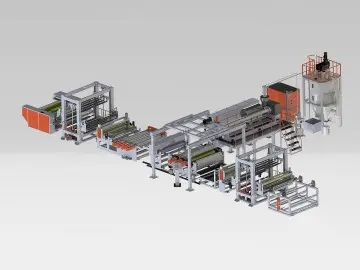
Engineered for high-weatherability architectural coatings and automotive surface systems.
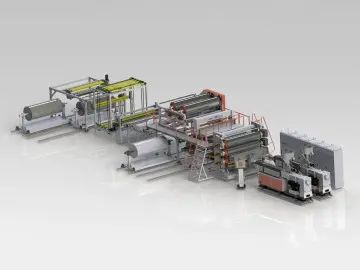
Delivers precise thickness control for advanced fabrics, medical garments, and aerospace barriers.
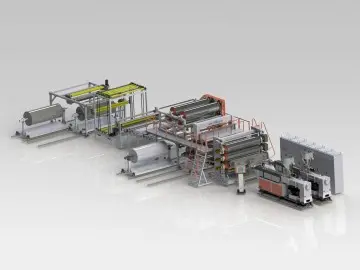
High elasticity output optimized for paint protection films (PPF) and structural bonding sheets.
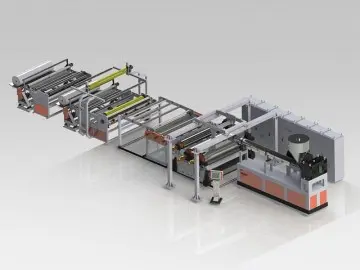
Critical manufacturing infrastructure for durable photovoltaic backsheet membranes.
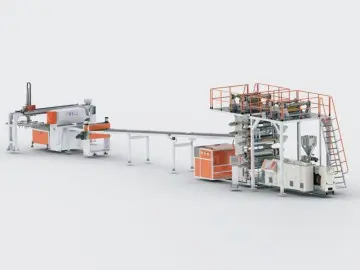
Heavy-duty construction boards, rigid core floorings, and composite decking lines.
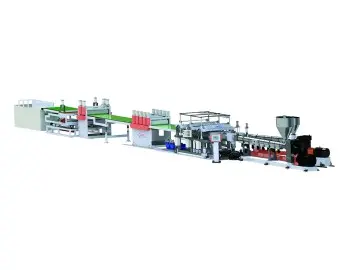
High structural rigidity panels optimized for reusable green concrete formworks.
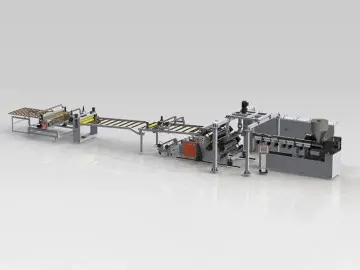
High-temperature fluoropolymer systems for chemical vessel processing and semiconductors.
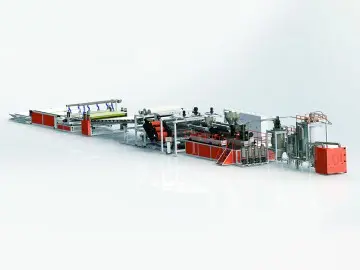
Heavy-duty industrial sheets for chemical liners, geo-membranes, and container panels.
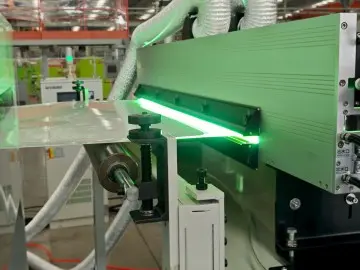
Highly clear, impact-resistant sheets. The foundation of modern PCT/PCTG medical packaging.
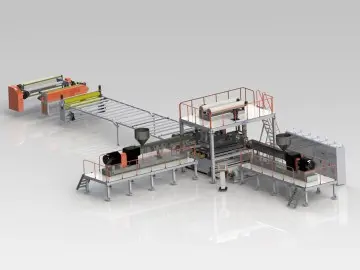
Engineered polymer sheets for automotive interior dashboards and protective linings.
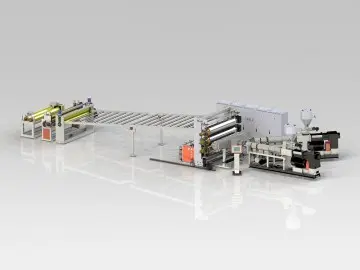
Optical grade PMMA/PC extrusion line designed for electronic displays and noise barriers.
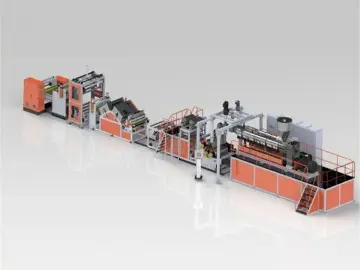
High-precision biocompatible medical orthopedic splints and surgical sheets.
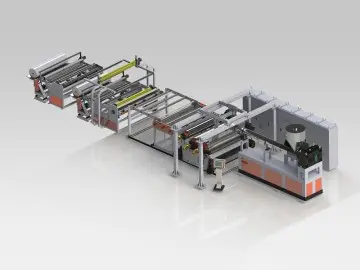
Delivers structural structural interlayers for high-safety architectural safety glass.
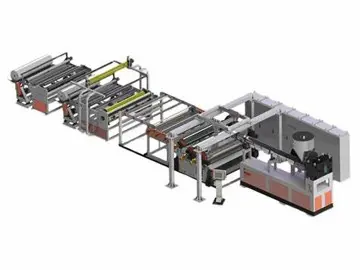
Precision encapsulation film lines supporting high solar module conversion efficiency.
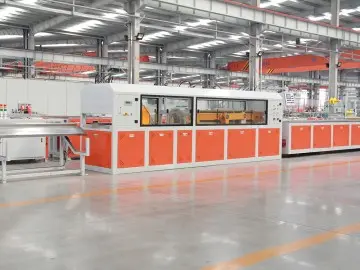
Corrosion-resistant light composites replacing traditional aluminum frames.
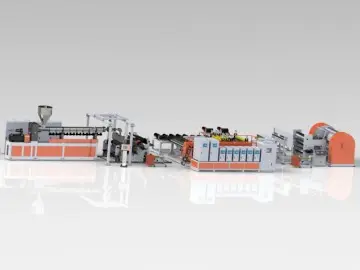
Advanced porous film separator machinery for alkaline water electrolyzers.
The global plastics industry faces mounting regulatory pressure to adopt circular economy practices. Copolyesters like PCT and PCTG are highly recyclable and do not produce BPA during manufacturing or end-use. Modern factories are retrofitting co-extrusion lines to process up to 50% post-consumer recycled (PCR) resin without compromising mechanical properties or optical clarity.
In electric vehicle (EV) design, weight directly impacts range. Extruded PCTG and custom transparent sheets are replacing traditional automotive safety glass. These polymers provide the impact strength of polycarbonate but with superior UV stability, scratch resistance, and lower densities, allowing automotive designers to reduce window component weight by up to 40%.
With the implementation of the EU Medical Device Regulation (MDR) and strict FDA packaging audits, medical-grade thermoformed trays require materials that withstand gamma radiation and ethylene oxide sterilization. Custom PCL and PCTG sheets produced on cleanroom-grade extrusion lines guarantee zero toxic outgassing and maintain mechanical package integrity over time.
Extruding high-performance copolyesters demands specialized, closed-loop machinery. Gwell's engineering team focuses on three core areas to maximize production efficiency, improve product quality, and minimize waste.
Due to the sharp melting transitions of PCT and other advanced copolyesters, temperature deviations of even 1.5°C can cause significant shifts in melt viscosity. Gwell's extrusion lines feature multi-zone barrel heating systems with integrated water-jacket cooling and specialized barrier screw designs. This ensures uniform melting and prevents material degradation caused by excessive shear.
Copolyesters are inherently hygroscopic and require thorough drying to prevent hydrolytic degradation during processing. Gwell lines utilize liquid-ring vacuum venting systems. This design extracts volatile compounds directly from the melt, eliminating the need for energy-intensive predrying systems and reducing factory energy consumption by up to 25%.
Our production lines feature advanced thickness-measurement systems integrated directly with automatic T-dies. High-speed beta-ray or laser sensors continuously scan the sheet width and send data back to the die control system. Thermal expansion bolts then adjust the die lip gap automatically, keeping thickness variations within a strict ±1% tolerance.
Common questions and technical answers regarding the performance, setup, and operation of PCT, PCTG, and co-extrusion production systems.
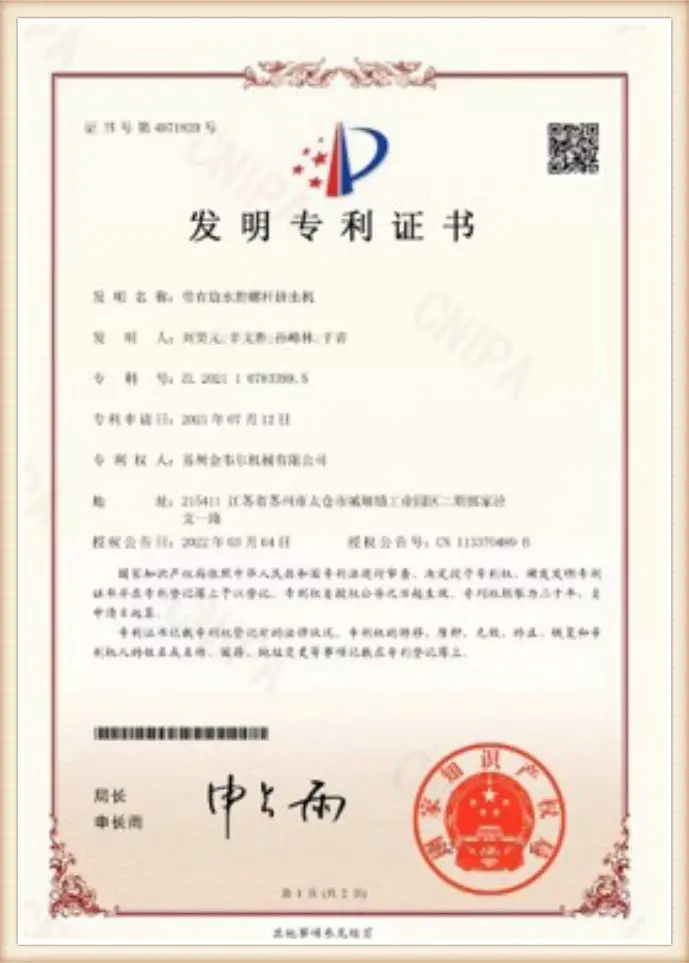
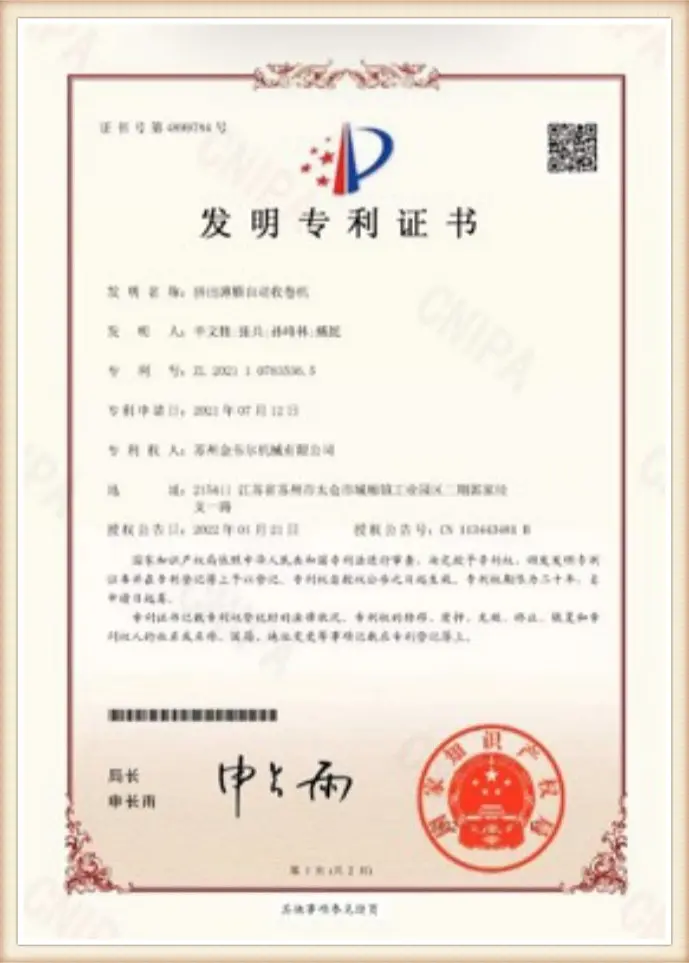
Our commitment to quality is backed by recognized industrial certifications and strict quality control processes.
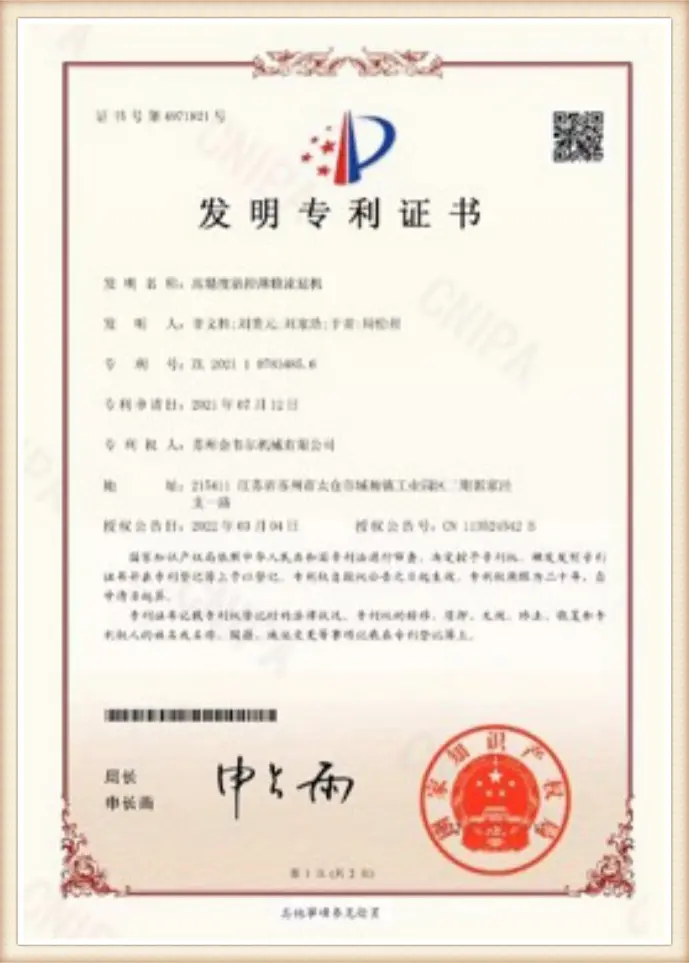
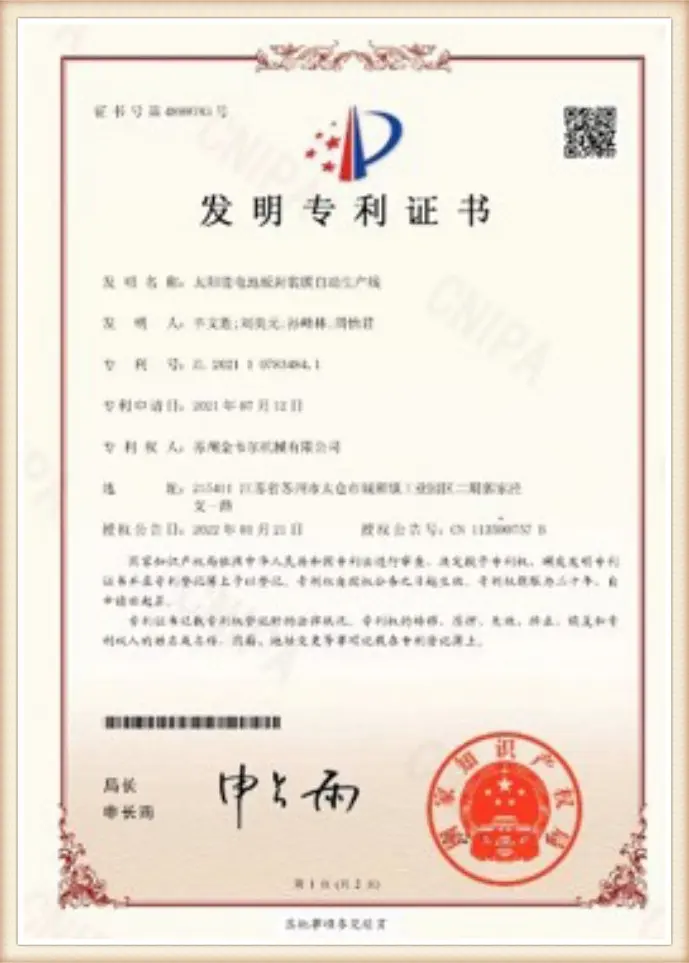
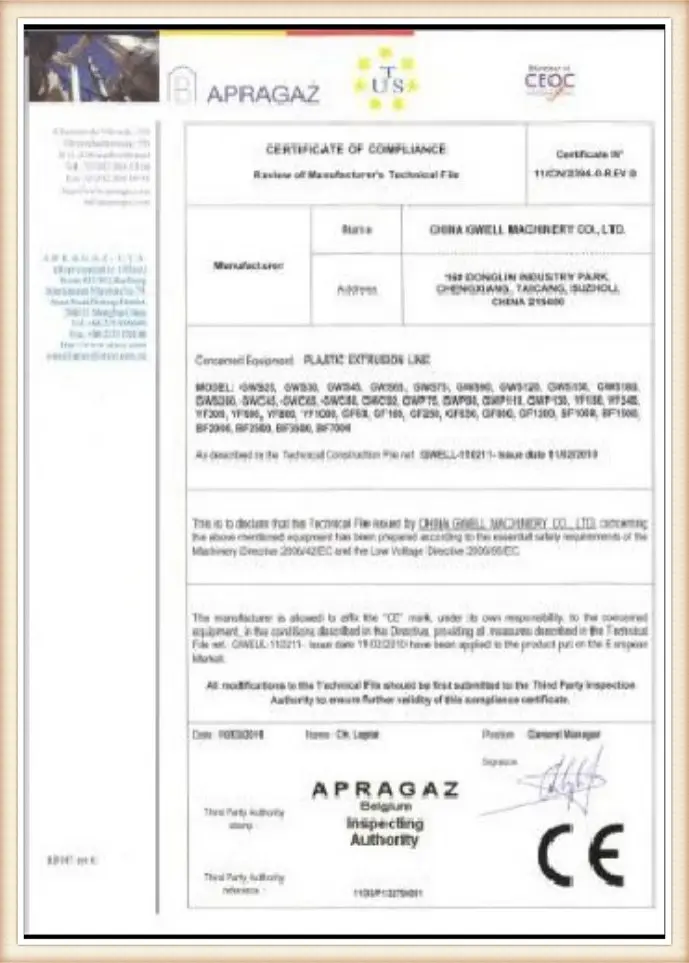
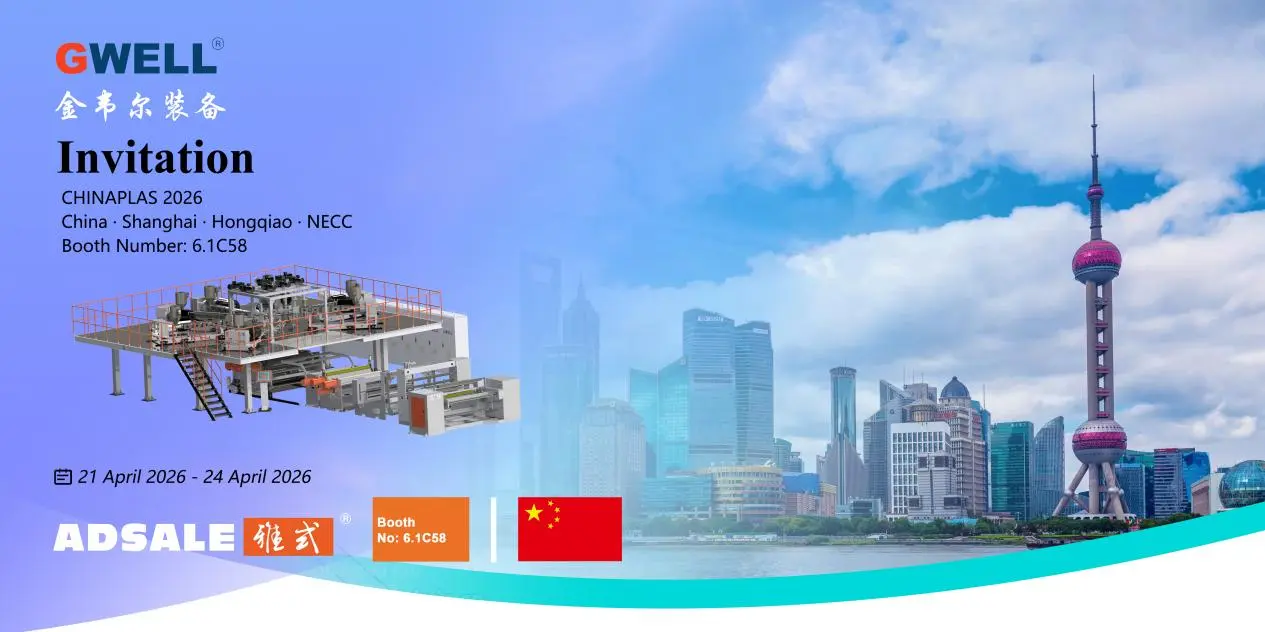
Previewing our upcoming technologies for medical-grade co-extrusion and high-capacity sheet systems at international exhibitions.
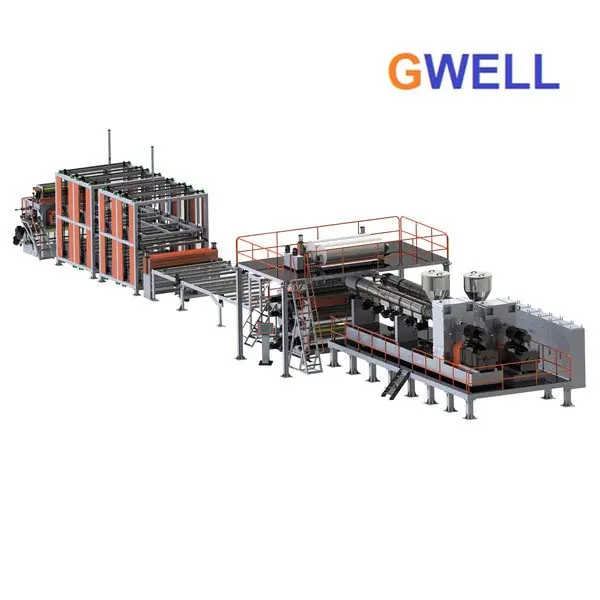
Our newly designed POE line provides a sustainable, eco-friendly alternative to PVC synthetic leather for automotive interior seating.
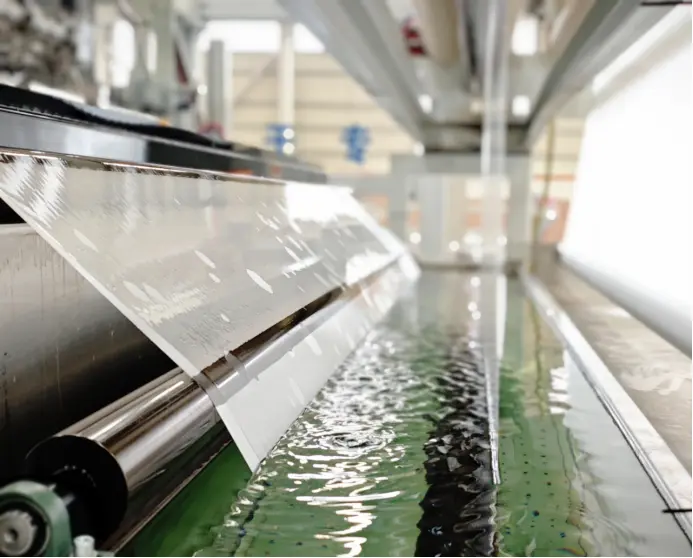
Gwell's high-precision wedge film line supports optical interlayer casting for modern automotive head-up display systems.
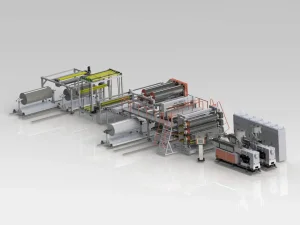
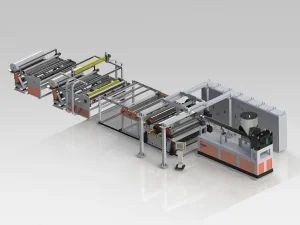
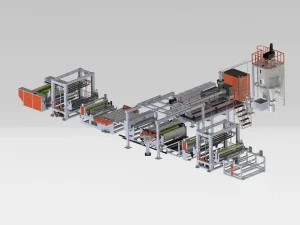
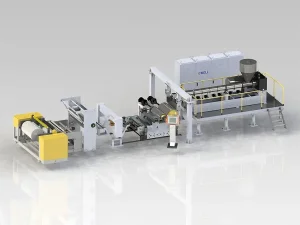
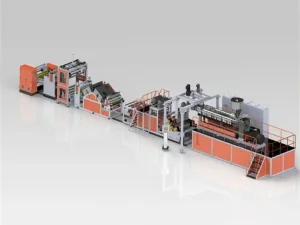
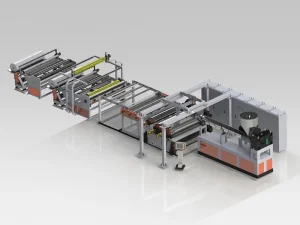
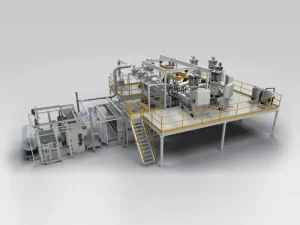
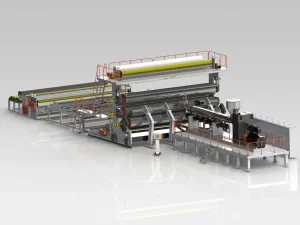
Gwell's research capability, precision machining, and dedication to high-quality extrusion machinery are widely recognized across the global plastics industry.
Send Inquiry Now