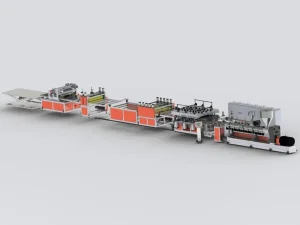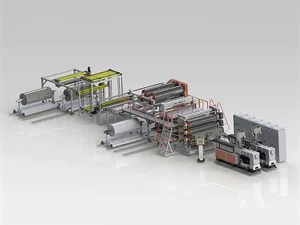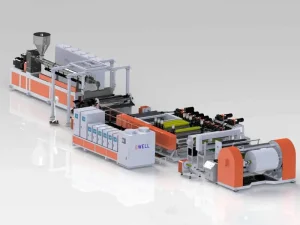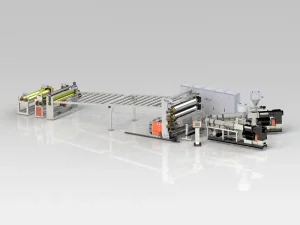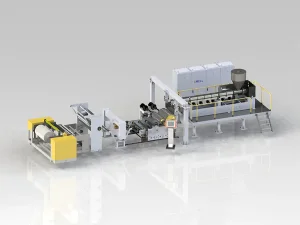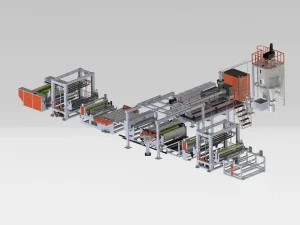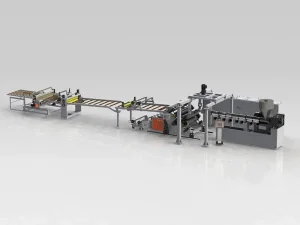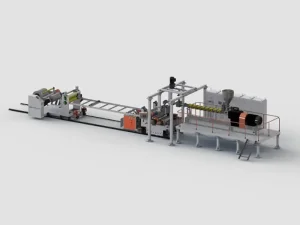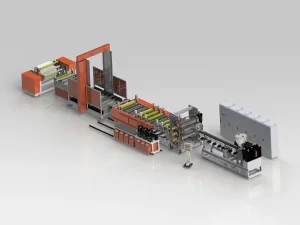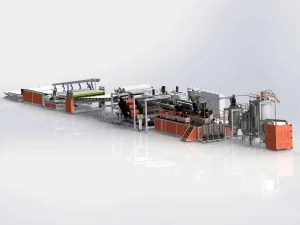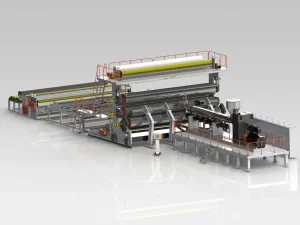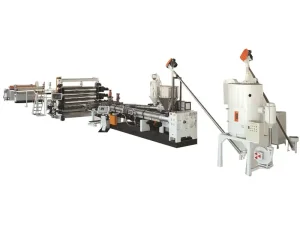
The demand for Polyethylene Terephthalate Glycol-modified (PETG) has witnessed an unprecedented surge in modern manufacturing. As global environmental regulations restrict single-use chlorinated plastics like PVC, and glass replacements demand higher impact strength, PETG has emerged as the premier material choice. Its superior impact resistance, thermoformability, chemical resistance, and high optical clarity position PETG as a core material across packaging, medicine, and high-end aesthetics industries.
From a manufacturing standpoint, achieving optical clarity and thickness uniformity with PETG presents unique challenges. The material is highly hygroscopic, requiring rigorous pre-heating and drying technology to prevent hydrolytic degradation during processing. Modern PETG Extrusion Lines must be engineered with advanced gravimetric feeding systems, precision gear pumps, dynamic gas-venting twin-screw systems, and automated closed-loop calendar roll stacks.
Leading international buyers evaluate sheet extrusion systems based on output reliability, screw metallurgy, and the line's ability to maintain high speeds without triggering polymer degradation. High-quality machinery must secure strict thermal controls across the die head to eliminate cold spots, minimizing residual stress in the finalized sheet to ensure downstream thermoforming is defect-free.
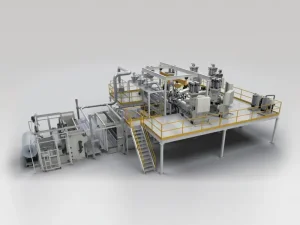
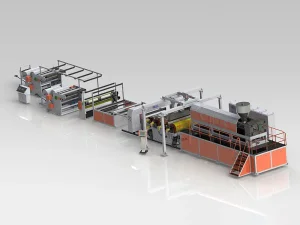
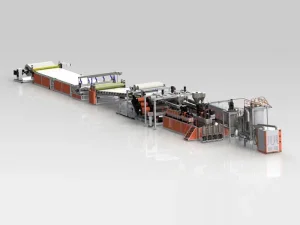
Modern polymer processing requires custom engineering configurations. Gwell supplies high-performance, modular extrusion setups tailored for specific material physical properties and industrial end-uses.
Engines for high-speed casting of multi-layer co-extruded films (ASA, PVDF, TPU, and PVB). Ideal for ultra-thin solar barrier backsheets, decorative films, and paint protection films.
Designed to handle heavy-gauge polymers including rigid PEEK, PFA, PVDF, and multi-wall PC. Utilized in industrial construction panels, icebox structural linings, and chemical storage walls.
High-capacity lines dedicated to PLA, PETG, and PCTG processing. Integrated with specialized drying, precise three-roll calendars, and online thickness monitoring for packaging and medical devices.
The capability of Chinese extrusion machinery manufacturers to engineer high-end systems at highly competitive investment costs has transformed global production dynamics. Our production bases utilize local, integrated supply chains for precision components—ranging from induction heating elements and heavy-duty gearboxes to advanced CAD/CAM machined T-dies.
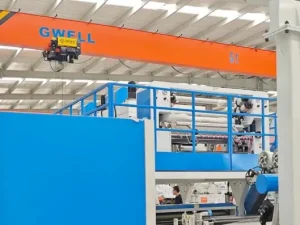
This proximity reduces lead times for complex custom lines from over a year (common in European manufacturers) to just 90 to 120 days. China GWELL is a prominent high-tech enterprise, operating three advanced production hubs covering an expansive construction area of 866,000 m². Supported by 500 dedicated employees, including over 100 research and development engineers, we achieve an annual output value exceeding 1,000 systems.
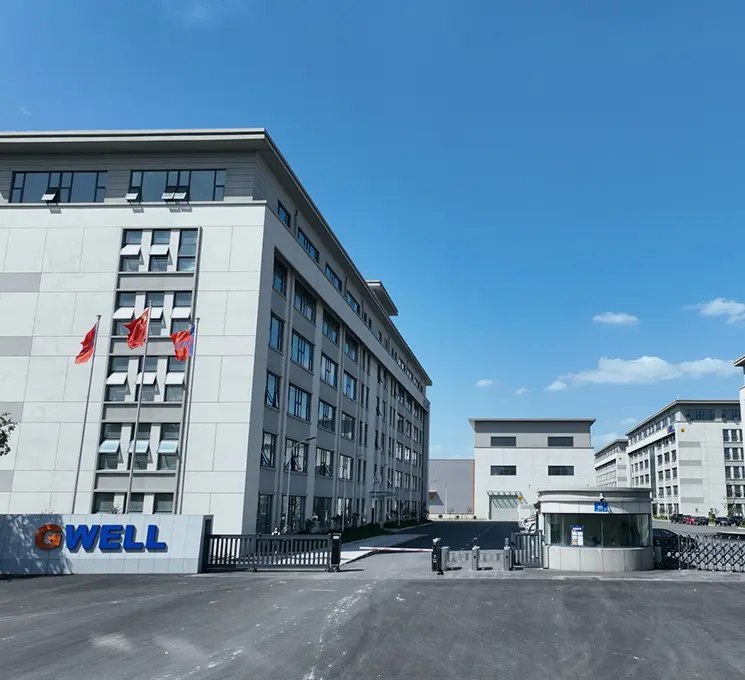
PETG sheets manufactured with Gwell systems are engineered to perform across highly demanding industries.
PETG is certified for sterilization processes (gamma ray, gas sterilization), providing an exceptional microbial barrier. It prevents tear damage, ensuring medical implants, orthopedic devices, and pharmaceutical tools remain sterile.
Replacing glass with high-clarity PETG delivers luxury aesthetics without fragility. The material exhibits outstanding chemical resistance, remaining unaffected by high essential oil concentrations or complex organic formulations.
PETG decorative films provide protective coatings for interior wall paneling, doors, and modern office furniture. They resist heavy scratching, UV yellowing, and allow for direct heat lamination without releasing hazardous fumes.
With global demands for high recycled content, advanced systems utilize ABA feedblocks to encapsulate post-consumer recycled (PCR) materials between layers of virgin PETG. This structure maintains direct-contact food safety certifications while significantly lowering raw material expenses.
Modern production lines rely on Closed-Loop control loops. Direct communication between thickness scanners and automatic die heads enables rapid adjustments to thermal lip parameters. This real-time alignment maintains tight tolerances and reduces waste scrap to under 1%.
Implementing highly efficient ceramic heaters, infrared dryers, and water recycling systems inside cooling rolls reduces overall plant power consumption (kWh per ton of processed polymer) by up to 30%, direct-supporting ESG compliance goals.
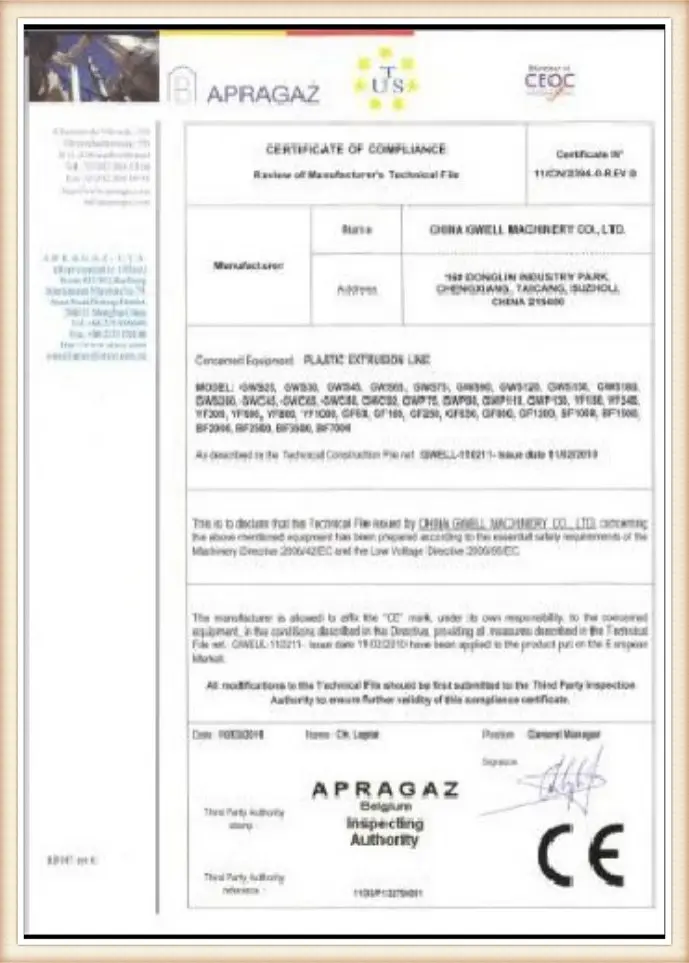
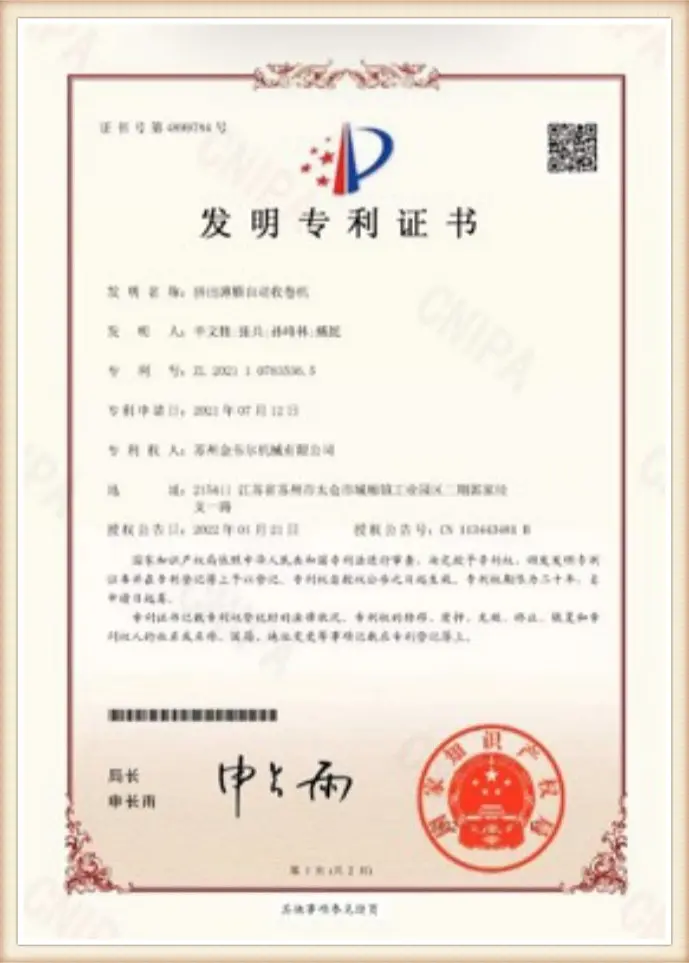
Our dedication to international manufacturing criteria is validated by globally recognized quality management, safety, and operational credentials.
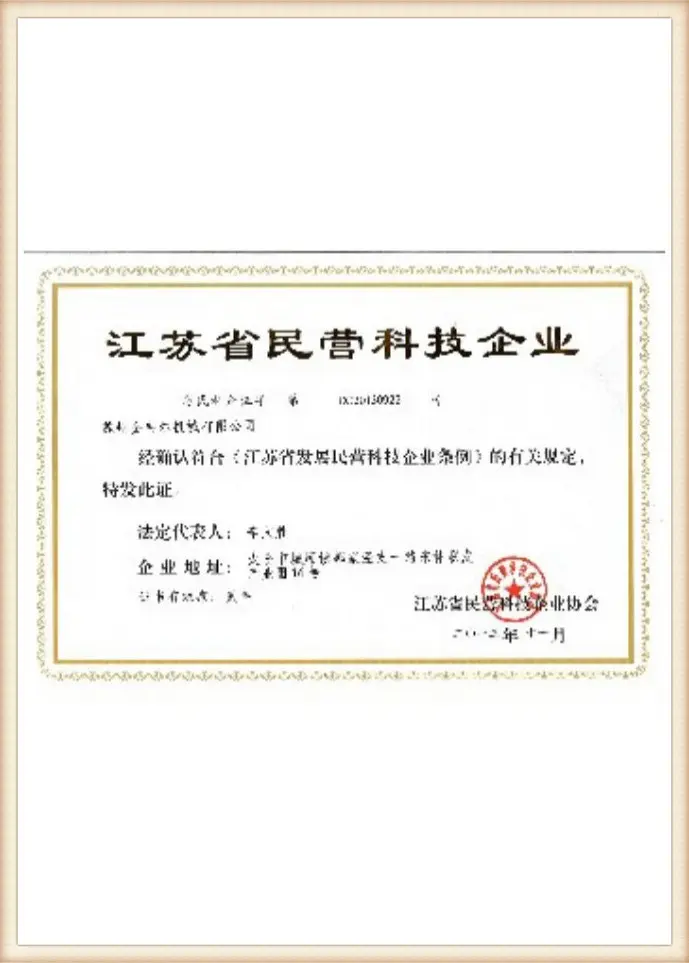

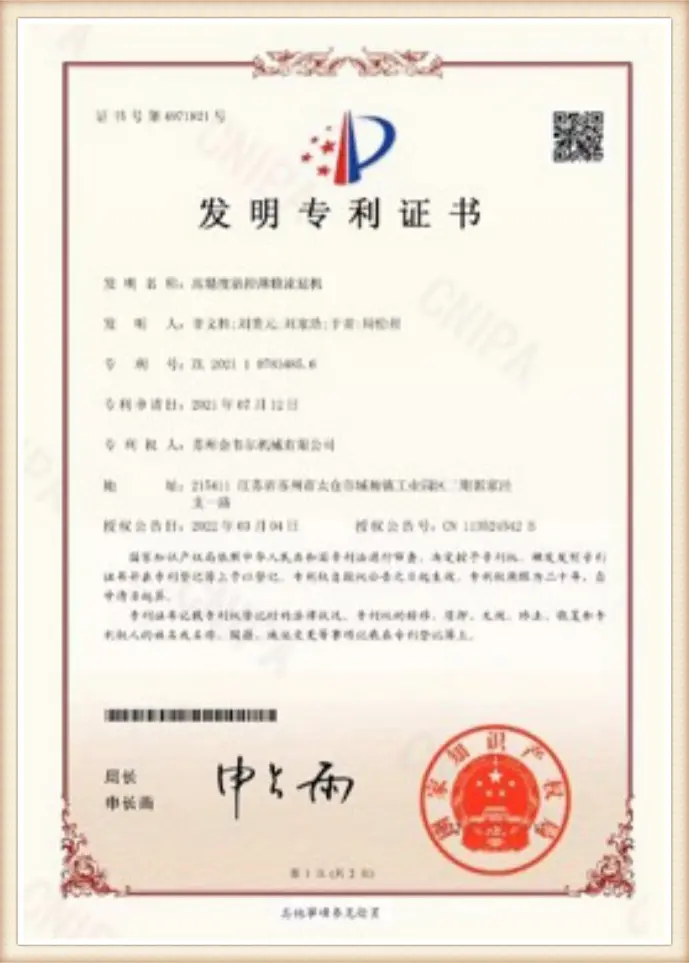
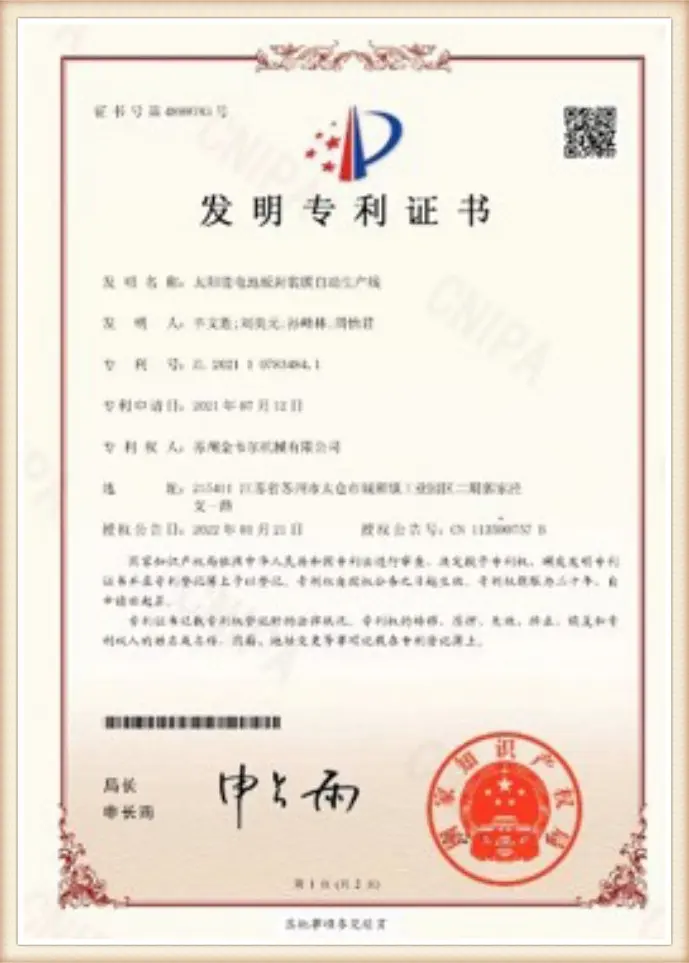
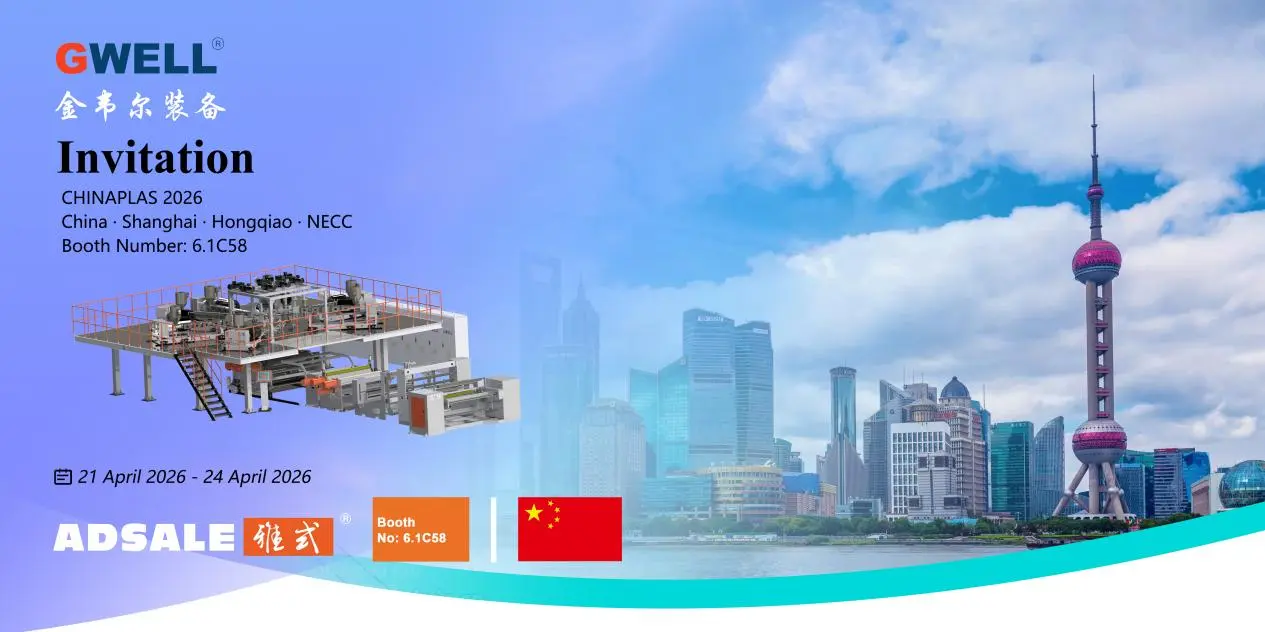
Join us at the upcoming international plastics expo as Gwell presents our newest energy-saving smart sheet extrusion systems.
View Article →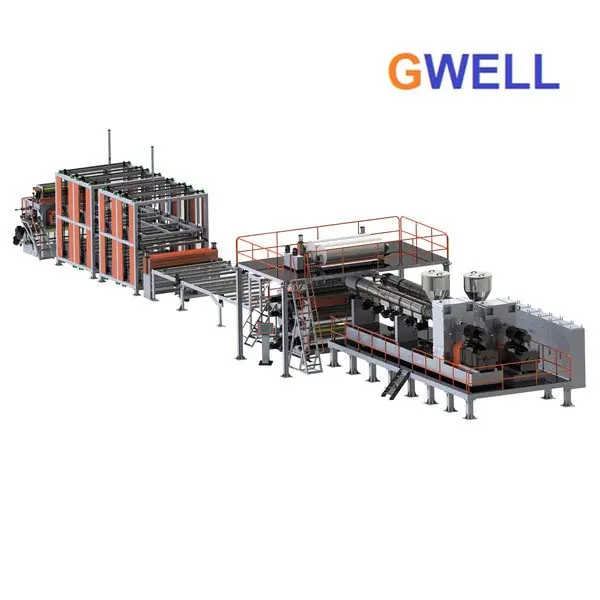
We have completed trials on our POE synthetic leather extrusion line, providing automotive interior decoration manufacturers with eco-friendly alternatives.
View Article →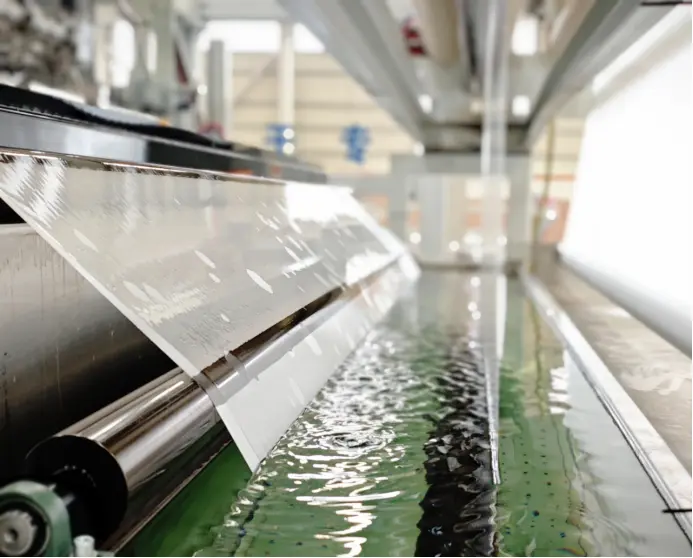
Gwell's high-precision PVB wedge film line secures structural integrity and visual clarity required for modern HUD automotive windshield laminations.
View Article →

Gwell's precision R&D team engineers custom extruder layouts to match your unique material properties and target throughput requirements.
Request Technical Proposal