
Explore the first segment of our high-output plastic co-extrusion machinery, engineered for global manufacturing plants.
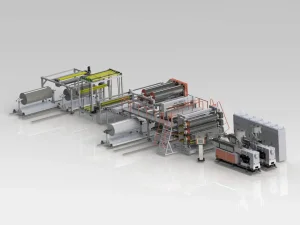
High-precision thermoplastic polyurethane casting machinery built for superior optical clarity, elasticity, and puncture resistance in protective laminates.
View Details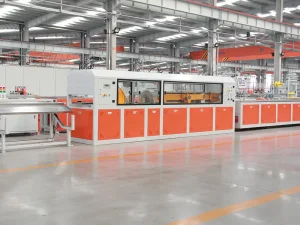
Advanced structural frame production using polyurethane composite extrusion, replacing aluminum for solar panel insulation and mechanical strength.
View Details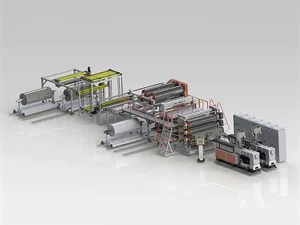
State-of-the-art paint protection film (PPF) extrusion lines offering self-healing elastomeric performance and hydrophobic properties.
View Details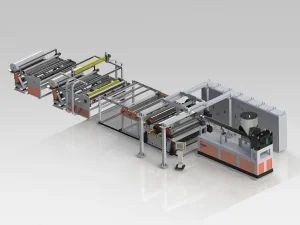
Engineered for wedge profile PVB interlayer production, critical for eliminating secondary imaging on automotive windshield HUD HUD displays.
View Details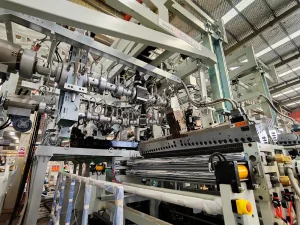
Co-extruded structural polypropylene honeycomb panels optimized for light-weight structural transit and protective packaging.
View Details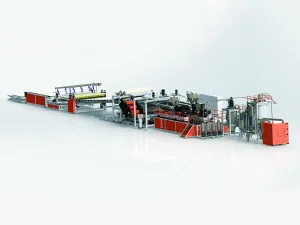
Heavy-duty polyethylene board lines featuring optimized calendar systems for high-impact industrial applications.
View Details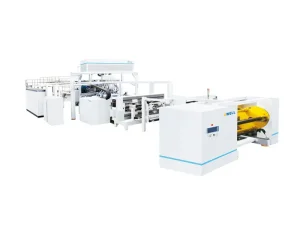
High-temperature polyimide casting extrusion equipment designed for ultra-thin dielectric film for flexible circuitry and aerospace insulation.
View Details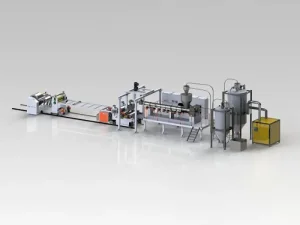
Three-layer co-extrusion line with drying-free planetary systems, delivering highly transparent food-grade APET / PETG thermoforming sheets.
View DetailsAn authoritative guide on multi-layer co-extrusion, infrared (IR) attenuation chemistry, and factory-level optimization in energy-conscious architecture.
Polyvinyl Butyral (PVB) has long been the gold standard for safety glass interlayers due to its high tensile strength, exceptional optical clarity, and robust adhesion properties to silicate glass. However, standard PVB is transparent to near-infrared (NIR) radiation, which represents approximately 50% of solar heat energy. By integrating specialized nano-dispersions directly into the polymer matrix during the extrusion process, solar control PVB actively attenuates thermal transmission without compromising visible light transmission (VLT).
The primary additives utilized by premium global manufacturers include Indium Tin Oxide (ITO) and Antimony Tin Oxide (ATO) nanoparticles. These particles exhibit localized surface plasmon resonance (LSPR) in the NIR region, blocking wavelengths between 780 nm and 2500 nm. Achieving a homogeneous suspension of these nanoparticles within the highly viscous PVB melt is a monumental mechanical engineering challenge—one that requires advanced twin-screw compounding capabilities with precise temperature control to prevent particle agglomeration.
Standard architectural laminated glass typically exhibits an SHGC of 0.70 to 0.78. Through state-of-the-art co-extrusion of solar control PVB interlayers, this figure can be lowered to under 0.42 while retaining an optical VLT of over 70%, drastically decreasing mechanical cooling loads in high-rise constructions.
A high-performance PVB film extrusion line represents a masterclass in thermal and mechanical stabilization. Due to the highly hygroscopic nature of PVB resin, raw materials must undergo strict drying processes. The extrusion system must handle both virgin polymer material and recycle edge trims without degrading the polymer chains. Gwell’s systems utilize unique gravity-fed configurations alongside liquid plasticizer dosing pumps directly injecting into the extruder barrel.
To control the film thickness within sub-micron tolerances, automatic T-dies coupled with thickness gauges (beta-ray or laser) are deployed. As the film exits the T-die, it must immediately pass through a specialized oil-cooled pattern roller. The micro-embossing on this roller shapes the surface roughness of the PVB film. This precise pattern prevents the film rolls from self-blocking (sticking together) during transport and facilitates air evacuation during the vacuum bag phase of glass lamination.
A specialized sub-sector of the PVB film market is the production of wedge-shaped films. These films are utilized in laminated automotive windshields to enable clear Head-Up Displays (HUD). Without a graduated, wedge-shaped cross-section, windshield reflections generate a double-image or "ghosting" effect. The extrusion line must systematically vary the speed of the chill roll across its width or use a custom-tapered die lip mechanism to create a consistent, microscopic wedge angle, validating the engineering capacity of only a handful of global manufacturers.
| Screw Diameter | Φ75 - Φ150 mm |
| Film Width Range | 1000 - 3600 mm |
| Thickness Tolerance | ± 0.01 mm |
| Max Extrusion Capacity | 800 kg/h |
| Cleanroom Class | ISO 7 (Class 10,000) |
China GWELL Machinery is a premier high-tech enterprise dedicated to the manufacturing of plastic extrusion lines for Film, Sheet, and Profile. Guided by the philosophy "Expertise creates customers' values," GWELL continuously commits to the development of high-tech products and global business.
By leveraging our group's robust technical foundation, precision engineering factories, and persistent spirit of innovation, GWELL ensures that our global clients receive high-performance extrusion lines engineered to match European quality benchmarks at competitive price points.
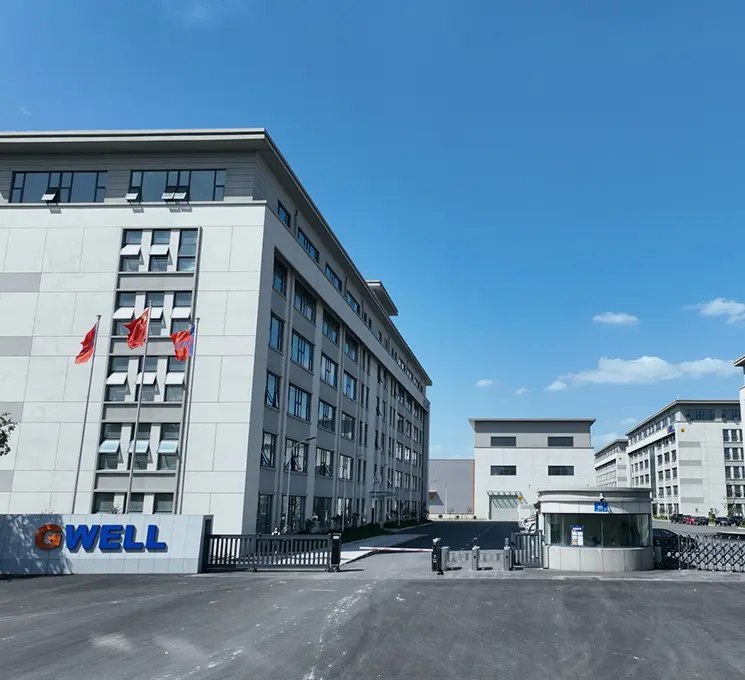
Evaluating structural cost efficiencies, robust localized supply chains, and significant engineering enhancements.
Chinese manufacturers have integrated next-generation Siemens PLC controls with real-time thickness profiling systems, resulting in lower human labor dependency and continuous extrusion uptime of up to 45 days without standard shutdown maintenance cycles.
By keeping processing components like nitrided barrels, high-density induction heaters, and precise vacuum systems localized, China factories shorten delivery times by half compared to Western counterparts, offering substantial lead-time advantages.
Lines are configured to comply with CE, UL, and regional safety codes. Incorporating robust electrical shielding, mechanical interlocking guard systems, and safety-guided emergency protocols ensures immediate compliance on arrival.
GWELL operates in close partnership with notable science universities and international polymer research centers, continually testing new shear screw profiles to ensure optimal dispersion of newly developed solar control nano-dopes without degradation.
Explore GWELL's complete, specialized classification of functional plastic processing machinery.
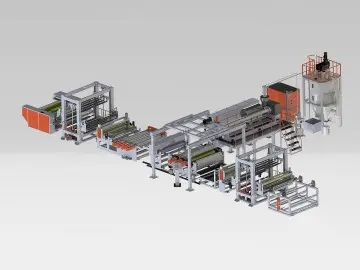
GWELL Machinery Co., Ltd. presents its high-performance ASA co-extrusion line designed for weather-resistant surface layers on construction materials.
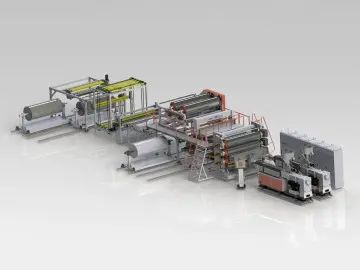
Designed for thin-film thermoplastic polyurethane production, delivering excellent bonding capacity for technical outdoor garments.
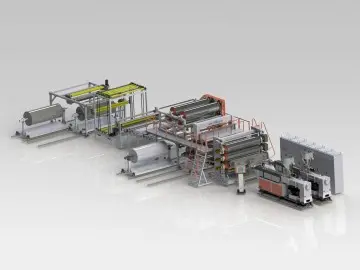
Versatile films produced on GWELL's lines are optimized for highly specialized medical and industrial packaging standards.
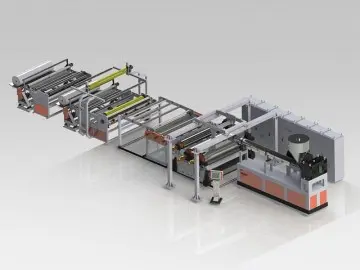
Specially customized for the production of PVDF solar backplane membranes as a reliable alternative to Tedlar films.
A significant technological breakthrough in manufacturing graded wedge profile interlayers for HUD windshield glass.
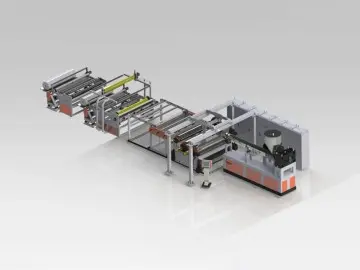
Integrates advanced co-extrusion technology with robust control layouts to process architectural and automotive grade films.
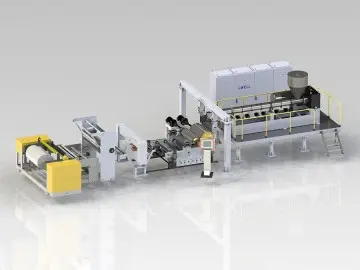
Specialized unit designed for packaging unit doses of detergent, agricultural treatments, and medical disposal bags.
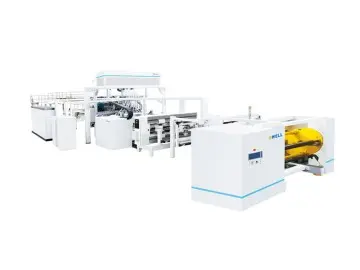
Enables reliable continuous casting of Polyimide films, crucial for microelectronic insulation and space blankets.
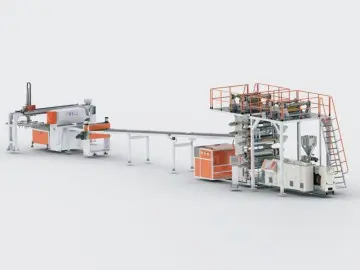
Cutting-edge technological setup dedicated to composite floor boards and heavy industrial panels with high recycled fill content.
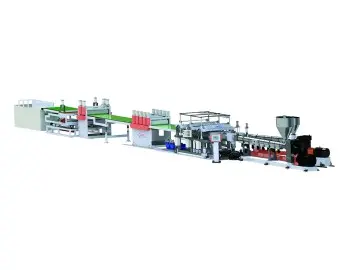
High production efficiency with automated parameters, generating durable construction shuttering boards that can be reused up to 50 times.
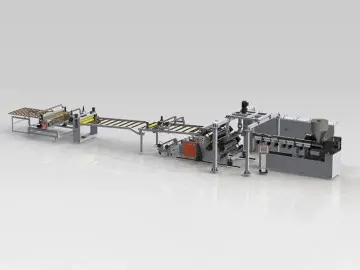
Intelligent, high-temperature processing equipment engineered for high-performance fluoropolymer stock shapes and sheets.
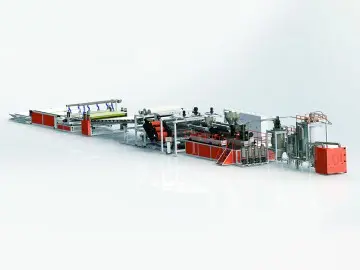
State-of-the-art production line designed for thick-gauge PE plates used extensively in industrial tanks and lining plates.
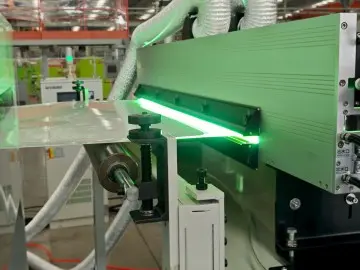
Processes high-performance transparent copolyesters, combining optical brilliance with high mechanical impact resistance.
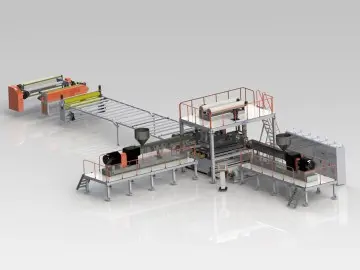
Innovative elastomer sheet systems optimized for thermoformed automotive interiors and weatherproofing liners.
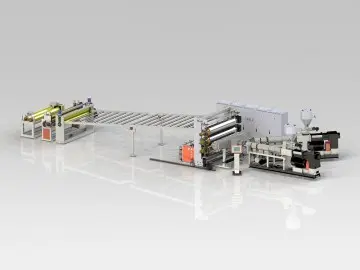
Designed for optical-grade PMMA and PC sheet extrusion, featuring close-loop calender roll temperature controls.
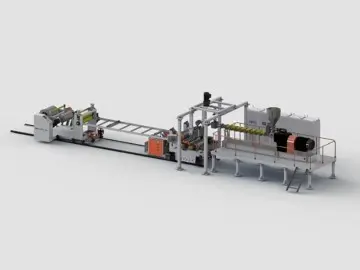
Sophisticated dual-feed block technology manufacturing structured co-extruded packaging sheets in two distinct color configurations.
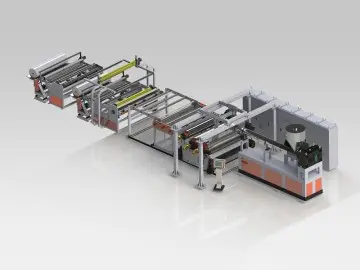
Engineered for SentryGlas Plus (SGP) ionoplast film extrusion, providing exceptional post-breakage strength for structural glazing.
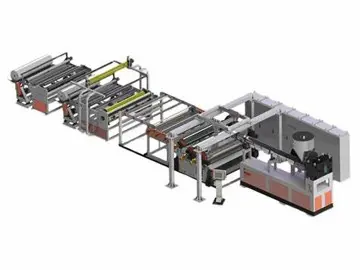
Designed for next-generation solar module encapsulation, ensuring durable thermal bonding and moisture resistance.
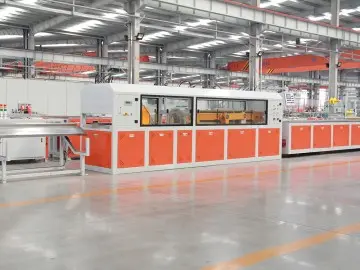
Continuous pultrusion and extrusion system for manufacturing fiberglass reinforced polyurethane structural solar panel frames.
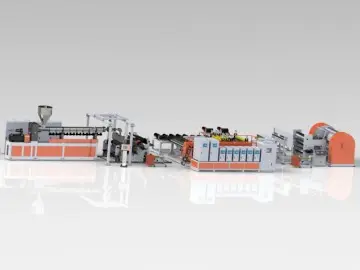
Highly customized engineering system for producing Polyphenylene Sulfide separator membranes used in green hydrogen electrolyzers.
For international tier-1 glass laminators and engineering corporations, selecting a PVB film extrusion line requires deep technical validation. The primary performance KPIs center on melt homogenization and mechanical resilience under thermal variation.
To avoid high scrap rates (which can financially break long-run operations), extrusion lines must incorporate precise automatic trim recycling systems. These systems pull cooling edges, granulate them, and proportionally feed them back into the main extruder without introducing particulate contamination or thermal degradation pathways.
Because the PVB interlayer is laminated inside glass, any foreign matter down to 10 microns can cause glass lamination failure. Our lines are designed to integrate with class 10,000 cleanrooms and feature fully enclosed discharge areas and anti-static bars.
High-ambient-temperature regions demand interlayers with high shear stability and low thermal transmittance (low U-value). Solar control PVB containing ITO additives processed on our lines displays zero delamination after 5,000 hours of continuous UV and high humidity chamber testing.
OEM suppliers use multi-layer co-extrusion to block solar heat while including an acoustic PVB layer to minimize wind noise, proving that modern windshield design requires multi-functional properties beyond mechanical protection.
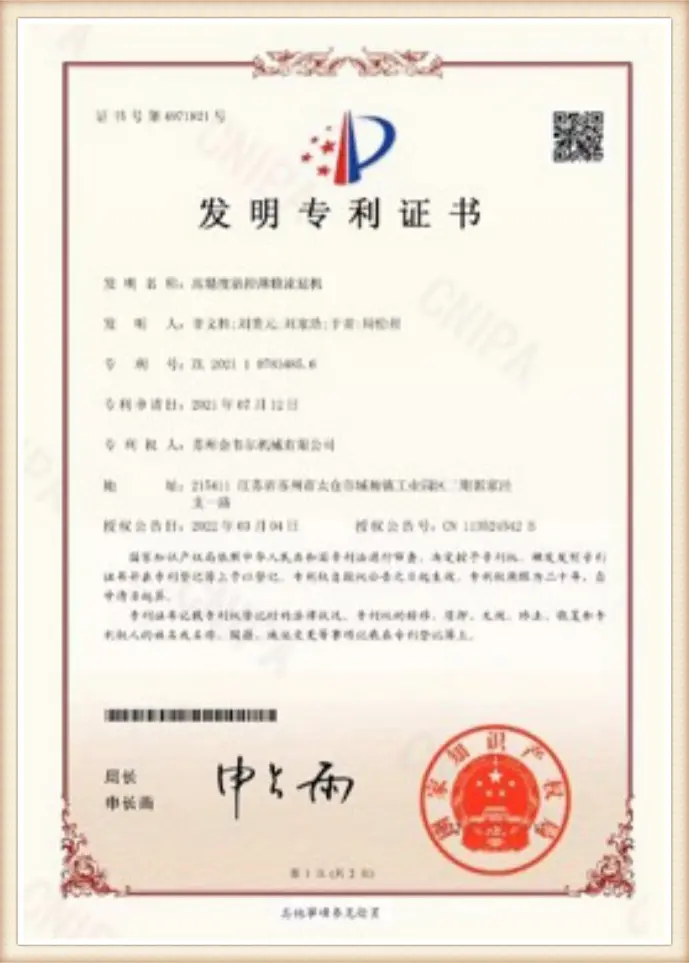
GWELL machinery and production management conform strictly to certified international compliance standards.
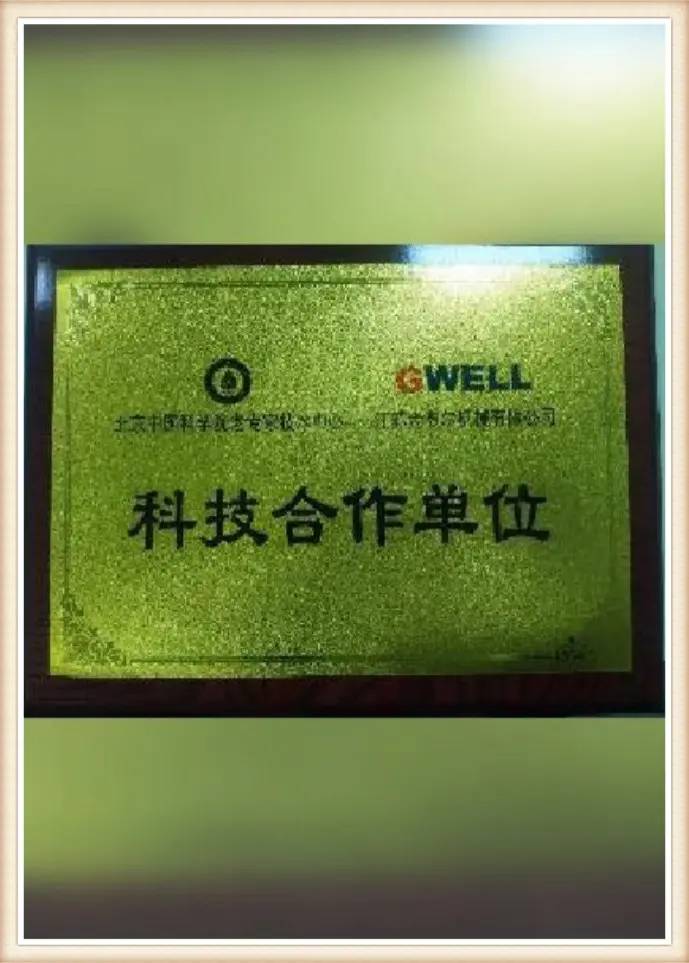
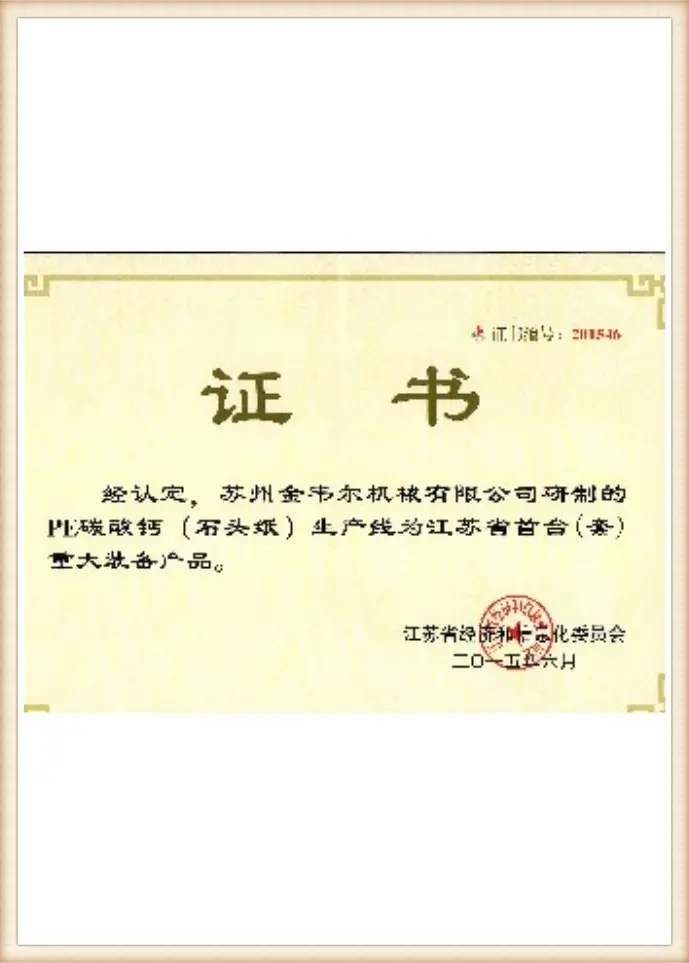
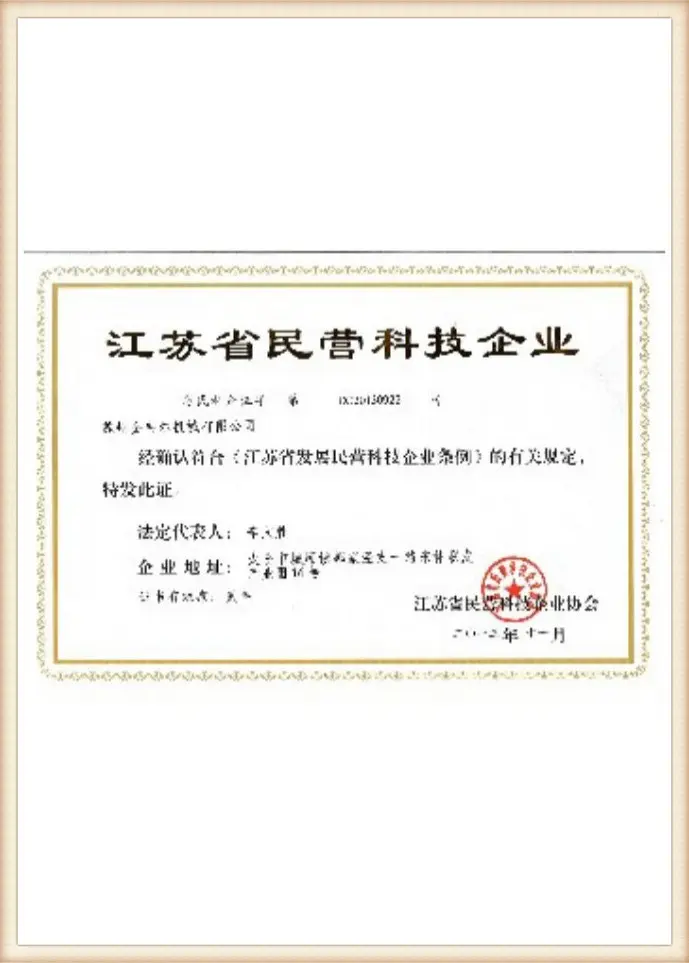

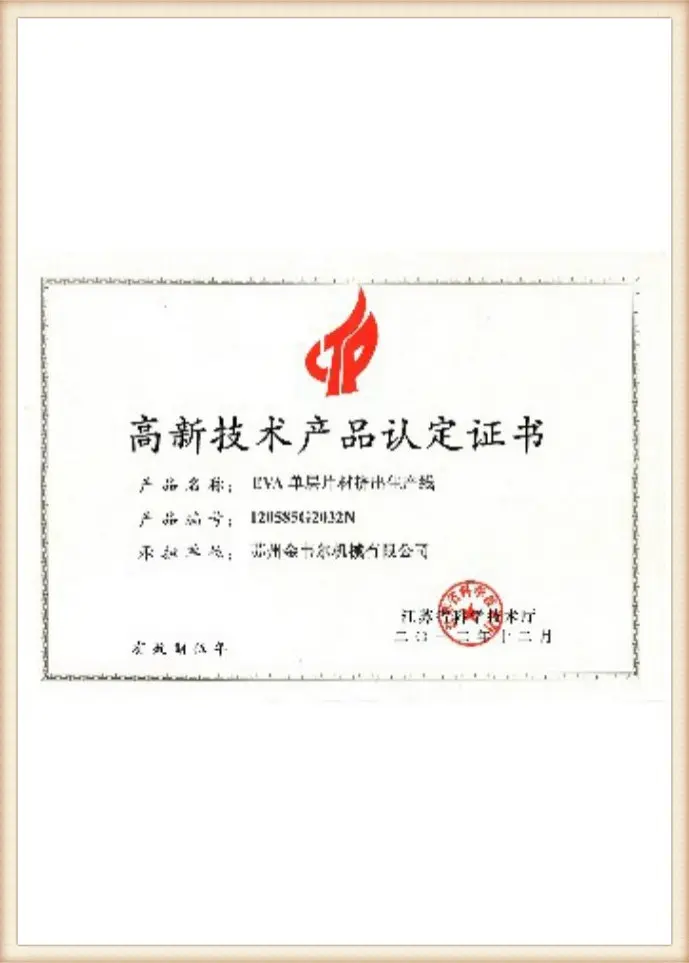
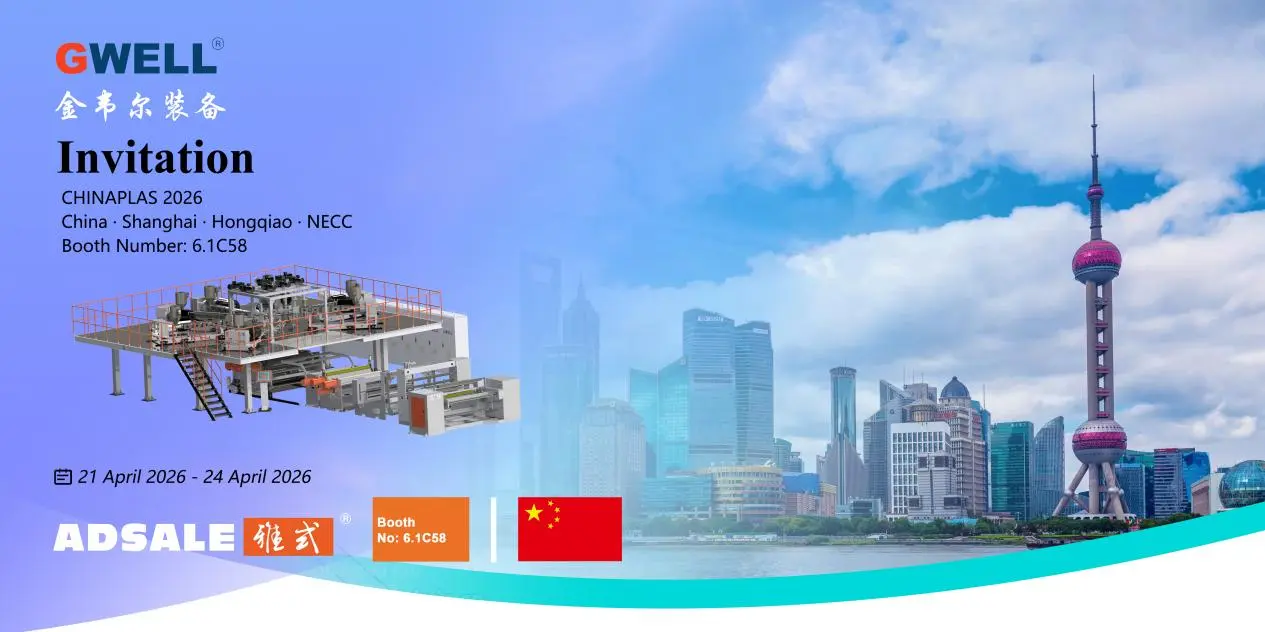
Showcasing next-generation multilayer co-extrusion technology and digital process controls at the upcoming global exposition.
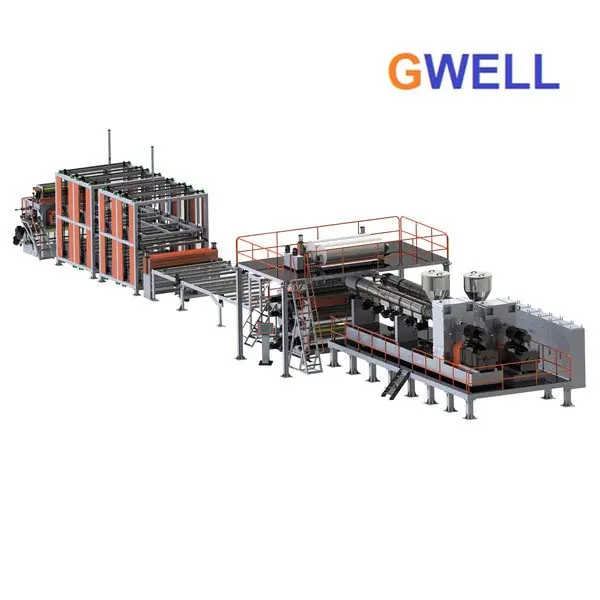
New environment-friendly POE synthetic leather extrusion lines configured with custom embossing structures.
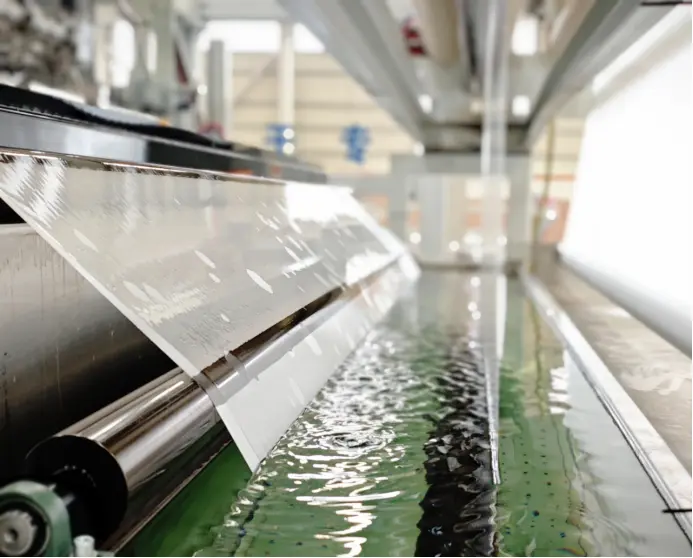
The GWELL PVB wedge-shaped film production line, with high-precision control, is setting records for HUD interlayer yield efficiency.
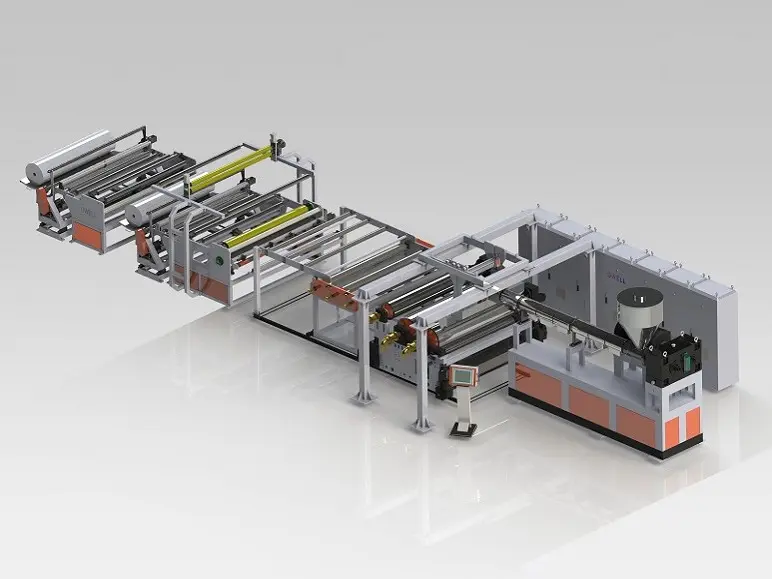
Introducing GWELL’s new high-capacity decorative PETG line tailored for premium furniture surface applications.
Get definitive answers to specialized technical questions from our senior extrusion team.
Our lines utilize automatic T-dies integrated with high-speed thermo-expansion bolts. By continuously scanning film thickness downstream using non-contact beta-ray sensors, the closed-loop system dynamically adjusts individual thermal bolts to fine-tune the die gap in real-time, holding cross-directional thickness deviations to within ±10 microns.
Raw PVB has a high affinity for moisture, which can cause hydrolysis and bubble formation during extrusion. Gwell systems incorporate continuous desiccant drying silos capable of reducing moisture content below 0.05% weight. Additionally, high-torque venting extruders with robust multi-stage vacuum zones draw off residual volatile elements directly from the polymer melt.
We supply twin-screw compounding extruders specifically configured with high-shear screw blocks to break down nanoparticles like ITO or ATO. This compounding can occur online or as a separate masterbatch step. Precise gravimetric dosing feeders ensure the nanoparticle dispersion remains within ±0.1% tolerance relative to the core resin matrix.
Yes, GWELL provides multi-purpose extrusion dies that accommodate interchangeable profile inserts. Switching from flat architectural film to tapered wedge automotive PVB requires exchanging the die lip profile and adjusting the horizontal cross-flow cooling speed profile on the primary cast roll.
The film cast process includes a specialized pattern roller that receives chilled water or oil circulation. By pressing the soft melt against a textured steel roll, we achieve a controlled micro-roughness (Rz 20–40 μm) on both sides. This micro-pattern is critical for avoiding air entrapment during subsequent glass vacuum bag lamination.
Our barrels and screws are treated with bi-metallic coatings, giving them an expected operational lifespan of over 20,000 production hours under normal usage with plasticized PVB. Routine maintenance is minimal, focusing on screen-changer cleaning and vacuum line inspection every 30 days.
GWELL extrusion lines are running in production plants across Europe, North America, Southeast Asia, and the Middle East.

Explore the second segment of our specialized sheet, film, and core industrial composite extrusion systems.
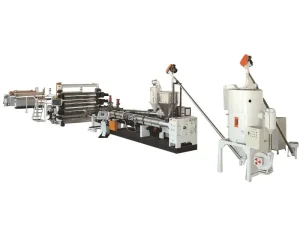
High-efficiency co-extrusion technology designed for multi-layer refrigerator liners, sanitary ware, and heavy thermoforming blanks.
View Details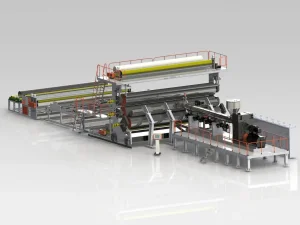
Specialized profiling extrusion equipment engineered for high-performance water stop joint tapes used in dam and foundation building.
View Details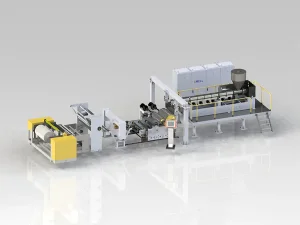
Produces highly breathable micro-porous PE films for personal hygiene backsheets and architectural vapor barrier membranes.
View Details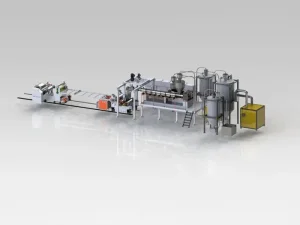
Advanced calendering lines built to produce furniture laminating foils, offering superior scratch resistance and visual depth.
View Details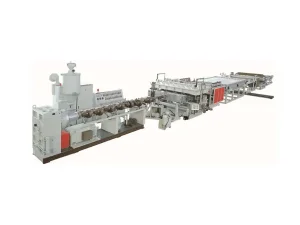
Produces dual-wall corrugated PP sheets optimized for high-volume graphic advertising, packaging boxes, and surface protectors.
View Details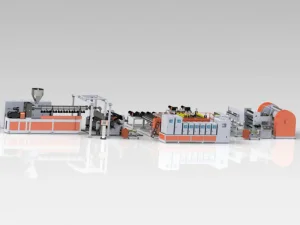
High-temperature processing line for generating chemical-resistant Polyphenylene Sulfide separators for green energy storage.
View Details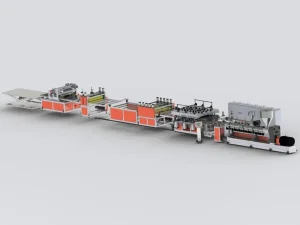
Equipped with vacuum calibrating tables to ensure precise cellular lattice shapes and dimensional stability in PP boards.
View Details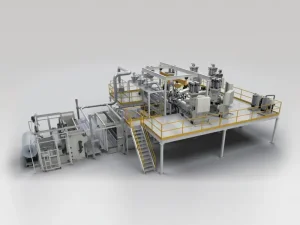
Advanced engineering design for processing high-melt-point fluoropolymers used in semiconductor and aerospace environments.
View DetailsGWELL R&D capability and precision machining capability have been widely recognized by global glass laminators. Reach out to coordinate an engineering consultation or factory visit.