
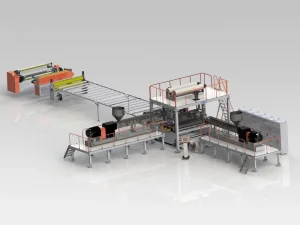
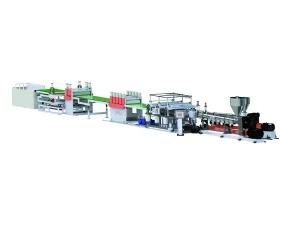

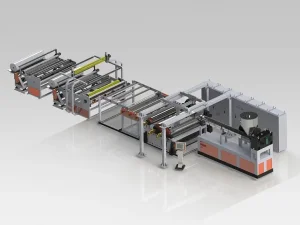
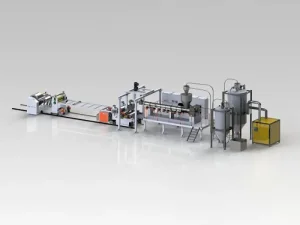
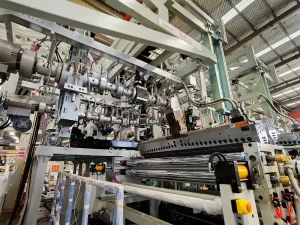
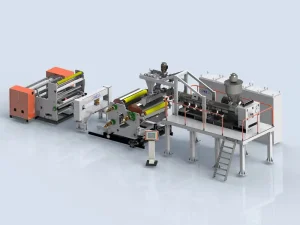
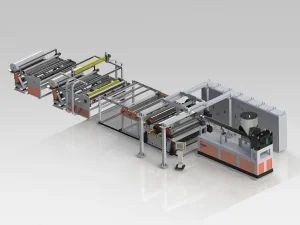
In modern industrial plastics manufacturing, Acrylonitrile Butadiene Styrene (ABS) sheets serve as a cornerstone material. Known for their exceptional impact resistance, structural dimensional stability, rigidity, and superior thermoforming characteristics, these sheets have become critical components across multiple downstream industries. However, the paradigm of manufacturing these thermoplastic polymers has fundamentally shifted. The industry has migrated away from legacy manual or semi-automated systems toward highly intelligent, automated co-extrusion setups. This whitepaper analyzes the engineering progress, procurement criteria, and geopolitical supply chain dynamics driving the market for high-quality automated ABS sheet extrusion lines.
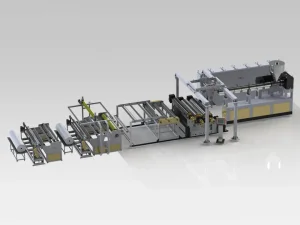
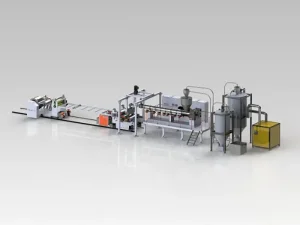
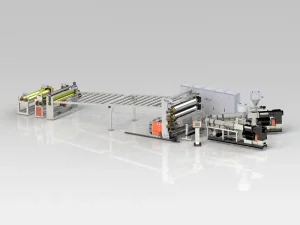
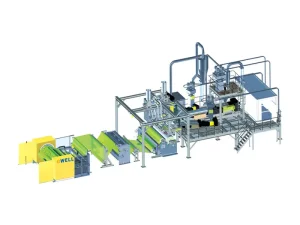
The production of ABS sheets demands rigorous thermal and rheological regulation to avoid polymer degradation. The process begins with raw ABS polymer resin pre-treatment—often utilizing integrated gravimetric dosing and drying systems to strip out volatile moisture. The dried material is then introduced to high-performance single or twin-screw extruders where controlled shear and heat yield a homogenous plastic melt.
Automation in this segment goes far beyond basic motor speed controls. Industry-leading lines integrate closed-loop feedback systems using micro-processor controlled flat-die systems, automatic calender roll-gap positioning, and beta/gamma gauge scanners that measure thickness deviations in real time, communicating automatically with the extruder to adjust flow dynamics.
"The integration of Industrial Internet of Things (IIoT) protocols into modern co-extrusion lines allows manufacturers to achieve tolerance thresholds of ±0.01mm on multi-layer ABS sheets. This level of consistency represents the baseline expectation for advanced automotive and electronics manufacturing clients globally."
Procurement directors and engineers in Western Europe, the Americas, and Southeast Asia looking to acquire industrial ABS sheet production lines evaluate machinery through a complex matrix of operational metrics. Key requirements include:
With fluctuating energy costs, modern extrusion setups must optimize thermal efficiency. The use of electromagnetic induction heating systems, energy-recovery motors (IE3/IE4 standard), and efficient barrel insulation can decrease operational energy consumption by up to 30% compared to legacy machines.
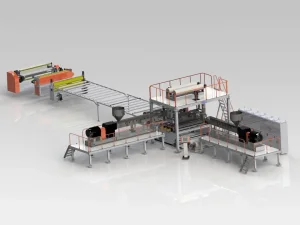
To optimize material cost structures, buyers demand ABA, AB, or ABC multi-layer co-extrusion lines. This capability allows the core layer of the sheet to be made from recycled ABS scrap or fillers, while capping the outer surfaces with virgin ABS or a secondary polymer layer like PMMA or TPU.
Human-Machine Interfaces (HMIs) must support global communication protocols (such as OPC UA). This integration enables remote troubleshooting, predictive maintenance alerts, and seamless integration into ERP systems, which reduces reliance on specialized on-site operators.
China has evolved from a supplier of entry-level components to a pioneer in advanced manufacturing solutions. The implementation of "Factory 4.0" protocols within Chinese production facilities has combined process integration, local raw material ecosystems, and advanced engineering capabilities to offer significant value:
1. Intelligent Engineering Platforms: Manufacturers utilize high-end CNC machining centers, robotic welding, and automated stress-relief heat treatments for sheet dies and rollers to ensure mechanical durability.
2. Supply Chain Resilience: Deep-set domestic supply chains in regions like Shanghai, Jiangsu, and Zhejiang provide instant access to high-precision components, electrical systems, and engineering raw materials. This proximity reduces manufacturing lead times and keeps production schedules reliable even during global supply chain disruptions.
3. Complete Testing Protocols: Advanced Chinese machinery manufacturers perform extensive dry and wet trials under load before dispatching lines, providing operational logs to verify performance before shipment.
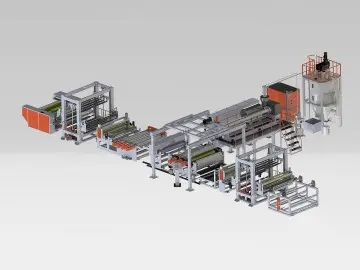
Designed for weather-resistant outdoor sheet laminations, featuring precise thickness variation control.
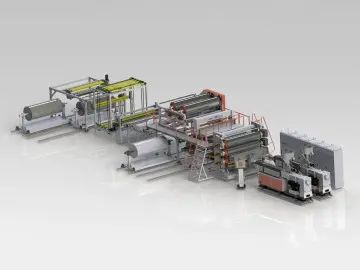
Ideal for medical, sportswear, and automotive protective film laminations with precise temperature controls.
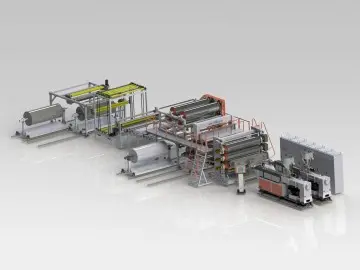
Produces highly versatile thermoplastic polyurethane films suitable for multi-sector industrial utilities.
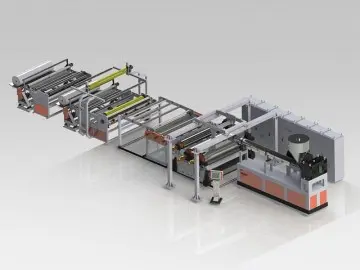
Pioneering solar backing and chemical barrier protection films with high resistance capabilities.
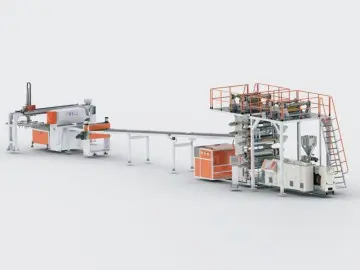
Advanced structural compound extrusion technology for flooring, wall panels, and decking.
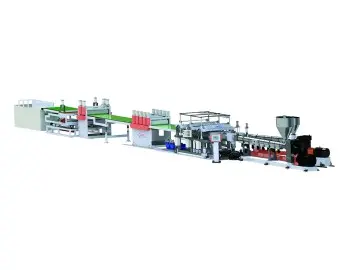
Heavy-duty construction board setups, optimizing high shear mixing and output velocity.
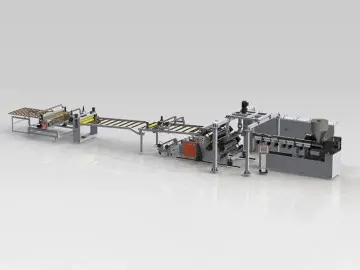
High-temperature specialty engineering plastic board systems for chemical and aerospace sectors.
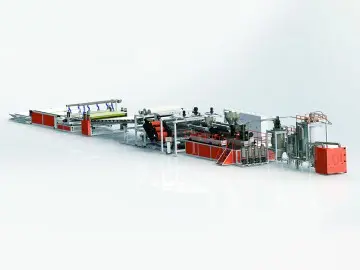
Engineered for high-molecular-weight polyethylene board production, maximizing strength indicators.
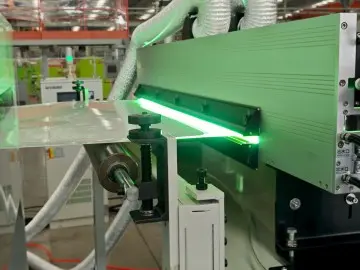
Highly transparent, high-strength copolyester sheet machinery for heavy thermoforming requirements.
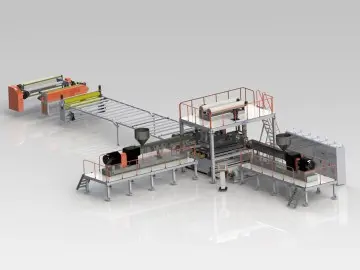
Engineered to process elastomeric compounds for high-end automotive interior moldings.
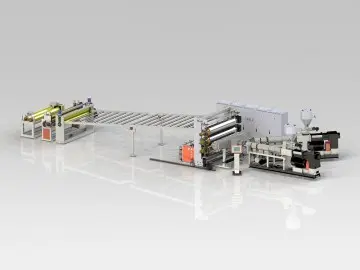
Optimized for processing optical-grade PMMA/PC materials without optical distortion.
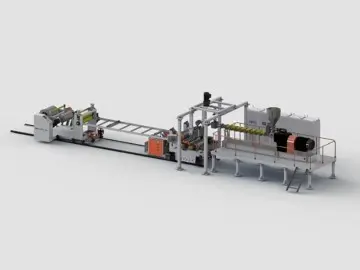
Customized co-extrusion setup producing structural dual-color sheets for packaging applications.
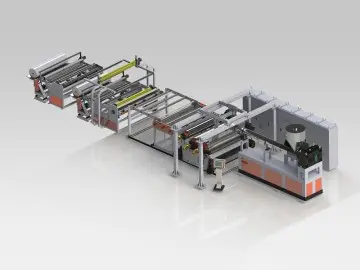
Advanced structural safety film extrusion systems for solar and structural glass laminates.
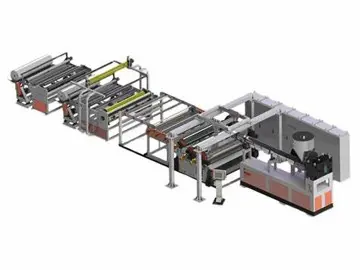
Tailored encapsulation technologies designed to match the longevity targets of PV solar setups.
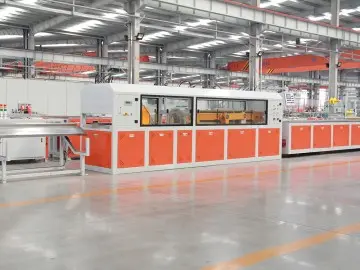
Pioneering composite frame line solutions to replace traditional metal profiles in solar panel assemblies.
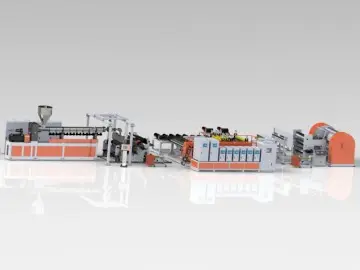
Ultra-specialized separator production line supporting green energy development.
China GWELL Machinery is a high-tech enterprise dedicated to the design and manufacture of plastic extrusion lines for Film, Sheet, and Profile. Combining advanced group technology, production machinery, and an innovative engineering team, GWELL develops systems for demanding international markets.
Guided by the core philosophy "Expertise creates customers' values," we provide end-to-end industrial value. From raw chemical formulation analysis and custom screw geometries to system commissioning, we ensure our extrusion lines deliver long-term efficiency and performance.
ABS sheets serve as critical components across multiple industries. Automated extrusion lines enable manufacturers to serve these sectors with precision and high output:

We collaborate with universities and advanced research institutes to design and build high-tech plastic processing machinery.

We provide end-to-end service, covering technical consulting, formulation design, remote diagnostics, and on-site training.

Our three major manufacturing bases deliver an annual production capacity exceeding 1,000 advanced extrusion lines.

Our high-tech lines are used by manufacturers worldwide, meeting CE, ISO, and other regional safety standards.

Our organization is built around a dedicated team of 500 employees, including over 100 research and development engineers.
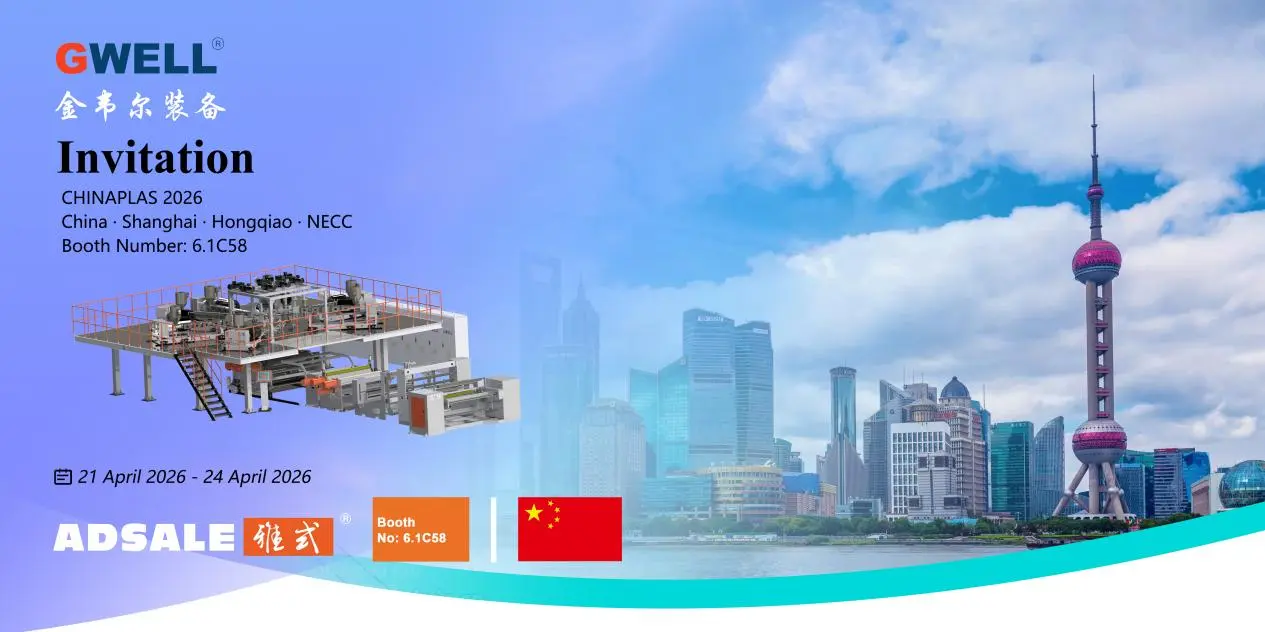
GWELL will demonstrate its latest smart co-extrusion technology at upcoming international industry trade fairs.
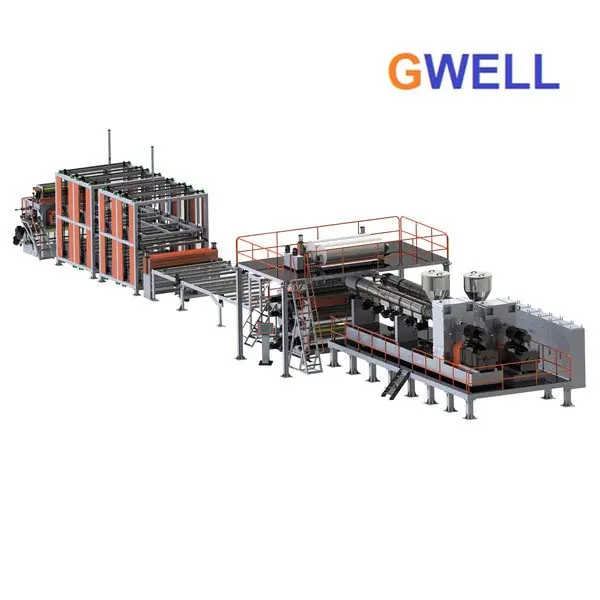
Discover our newly launched eco-friendly POE synthetic leather extrusion line for modern automotive interiors.
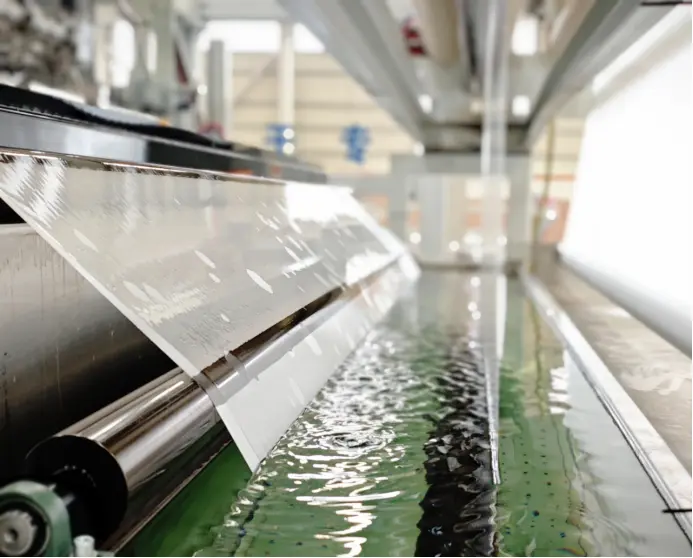
The PVB wedge film line features high precision, efficiency, and material compatibility for head-up display applications.
ABS is a polar polymer and naturally absorbs moisture from the air. If the raw material is not dried (usually down to less than 0.05% moisture content), water vaporizes in the extruder barrel, creating micro-voids, bubbles, and surface silver-streaking. This degradation compromises the structural integrity and surface finish of the extruded sheet.
Co-extrusion (e.g., ABA configuration) allows manufacturers to use cost-effective materials in the center layer (such as recycled ABS regrind, fillers, or lower-cost polymers) while capping the outer surfaces (A-layers) with high-grade virgin resins or specialty coatings (like PMMA for UV resistance or TPU for soft-touch surfaces). This design maintains product performance while reducing overall material costs.
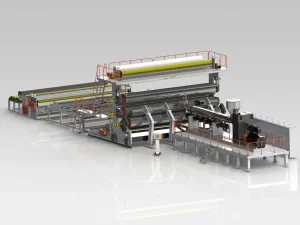
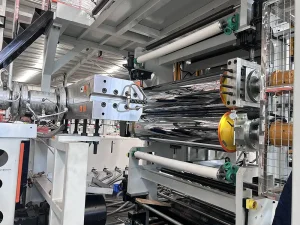
The calender stack (typically consisting of three high-precision heated rollers) is critical for determining the final sheet thickness, surface finish, and internal stress levels. Precise thermal management of these rollers prevents premature cooling, which minimizes internal stresses and ensures structural stability during subsequent thermoforming processes.
GWELL uses automatic extrusion dies equipped with thermal expansion bolt systems. These bolts interface directly with beta or gamma-ray thickness measuring frames installed downstream. When thickness deviations are detected, the system adjusts the local lip temperature, regulating melt flow to maintain consistent thickness across the sheet width.
Yes. Modern GWELL sheet lines are designed with universal screw geometries and adjustable feedblock systems, allowing them to process chemically compatible materials like HIPS and GPPS with minor adjustments to heat profiles and extrusion parameters.
GWELL provides end-to-end commissioning support, including initial material testing, customized equipment configurations, on-site installation by our engineers, and staff training. We also integrate remote diagnostics software (OPC UA) into our control panels to provide real-time assistance and troubleshooting support.


GWELL's R&D capabilities and precision machining are widely recognized across the plastics and polymer extrusion industry. Get in touch with our engineering team today to configure a high-efficiency production line tailored to your requirements.
Send Inquiry