
Unlocking extreme operational efficiency with modern multi-layer extrusion technologies.
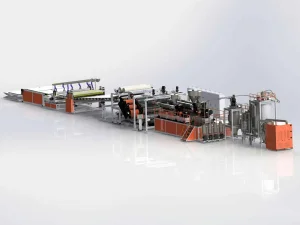
Engineered for high-transparency optical grade sheets with co-extrusion technology.
View Specifications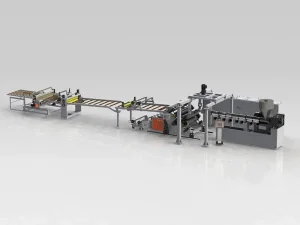
High-temperature processing system designed for advanced engineering plastics.
View Specifications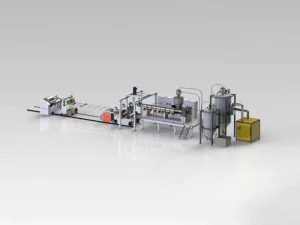
Specialized film cast lines optimized for photovoltaic solar panel encapsulation.
View Specifications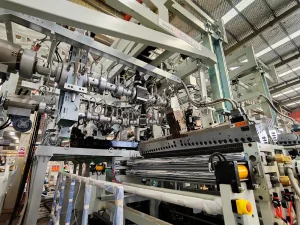
Continuous lightweight structures for logistics packaging and construction.
View Specifications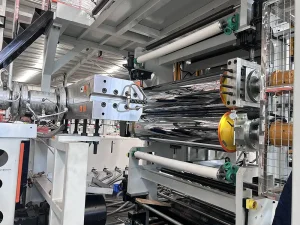
Pioneering technology for fuel cells and energy storage plates.
View Specifications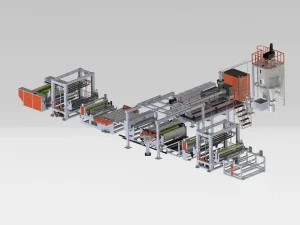
Weather-resistant surface films for resin tiles and building siding.
View Specifications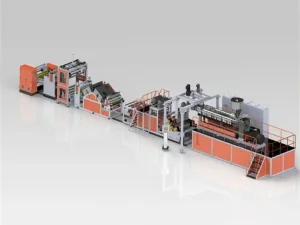
High-precision cleanroom-compatible extrusion systems for biomedical items.
View Specifications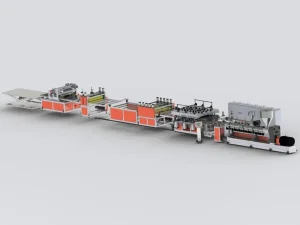
High-speed lines producing hollow corrugated boards for packaging.
View SpecificationsPolycarbonate (PC) sheet manufacturing has progressed from conventional single-layer extrusion to sophisticated multi-layer co-extrusion technology. Today’s industrial landscape demands optical clarity, structural integrity, and long-term UV resistance. PC sheets produced on state-of-the-art machinery are critical components in modern architectural glazing, automotive sunroofs, noise barriers, and electronic overlays.
A key technological breakthrough is the integration of online co-extrusion, which applies a thin, uniform UV protection layer (usually 50 microns) on either one or both sides of the sheet. This system increases the durability of outdoor applications. In terms of engineering, advanced venting systems and specialized L/D (Length-to-Diameter) ratios in screws are mandatory to handle polycarbonate's high viscosity and sensitivity to moisture.
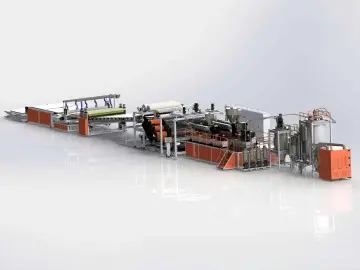
Understand the capital expenditure (CAPEX) factors driving global sheet machinery investments.
Screw diameter (ranging from 90mm to 150mm) and L/D ratios directly dictate machine capacity (kg/h). High-output motors and wear-resistant bimetallic barrels increase baseline manufacturing costs but lower maintenance-related downtime.
A single-layer extrusion die block is less complex and more cost-effective. However, high-performance machines with A/B/A, A/B/C, or multi-channel co-extrusion feed blocks increase machine costs due to the integration of additional auxiliary co-extruders.
Integrating Siemens PLC controllers, closed-loop melt pumps, automatic T-die lip adjustments, and online thickness monitoring scanners increases the initial investment but ensures high thickness consistency and minimal scrap rates.
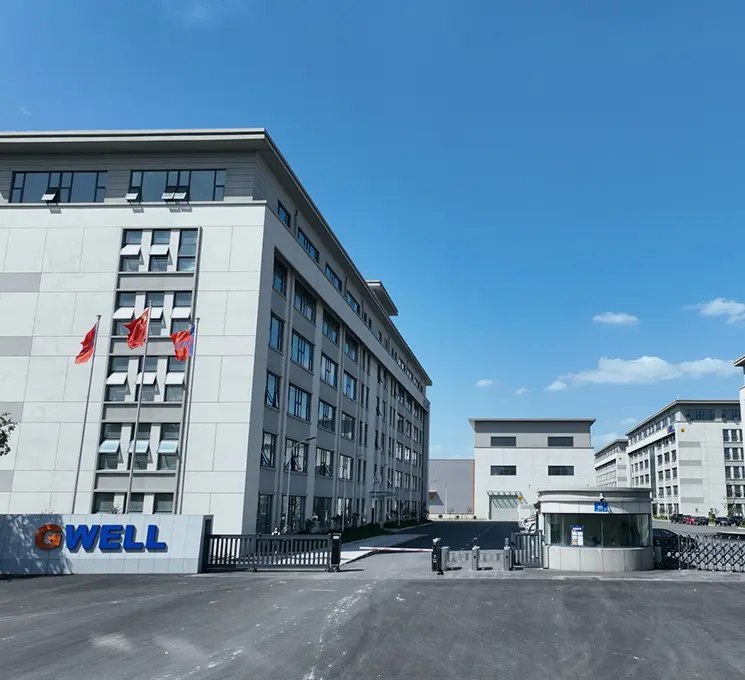
China Gwell Machinery represents the integration of Factory 4.0 principles in plastic extrusion technology. Operating across three production bases with a total construction footprint of 866,000 square meters, Gwell delivers scalable industrial equipment that balances machinery cost with build quality. With over 100 dedicated R&D engineers, the company continually innovates screw geometries and thermo-dynamic controls.
Industrial components are sourced from a localized high-performance cluster in East China. By using high-torque gearboxes, nitrided bimetallic screws, and robust T-dies, Gwell guarantees reliable operation in harsh environments. Gwell’s supply chain ensures shorter delivery cycles, cost-effective replacement parts, and direct customer support worldwide.
Explore our categorized polymer extrusion configurations engineered for diverse industrial sectors.
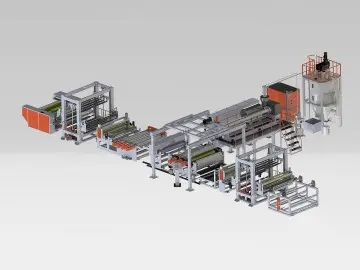
Optimized for processing high-weatherability ASA polymers to protect building facades.
Technical Profile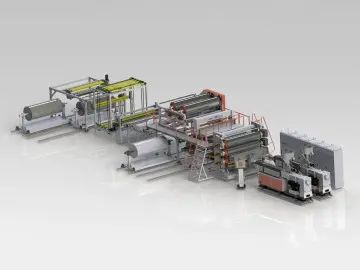
Thermoplastic polyurethane lines engineered for fabric and composite structure lamination.
Technical Profile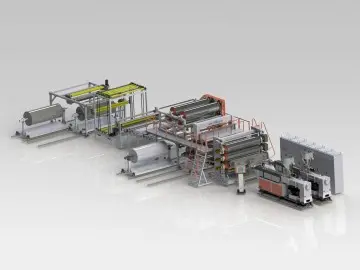
Delivers high-stretch, high-elasticity TPU films for industrial protection.
Technical Profile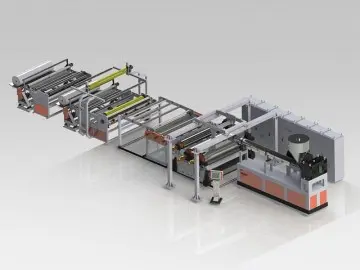
High-durability fluoropolymer casting systems for solar panel backsheets.
Technical Profile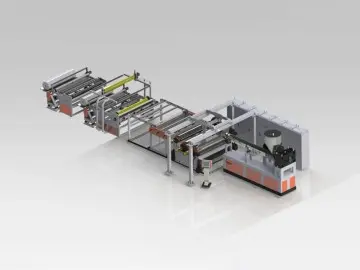
Engineered for automotive and architectural laminated safety glass interlayers.
Technical Profile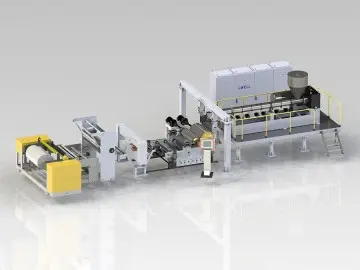
Eco-friendly water-soluble film production for unit-dose packaging.
Technical Profile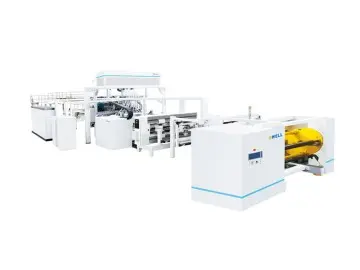
Ultra-high temperature resistant polyimide casting for flexible circuit boards.
Technical Profile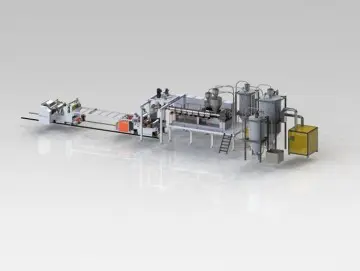
Advanced film extrusion line for architectural interior surface materials.
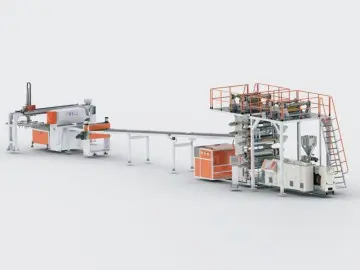
Technical ProfilePrecision calenders, dies, and sizing technology for thick plate manufacturing.
Heavy-duty, high-calcium compound processing for structural construction panels and flooring.
Technical Specifications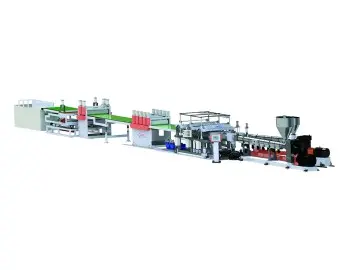
Durable building template production lines optimized for high concrete reuse rates.
Technical Specifications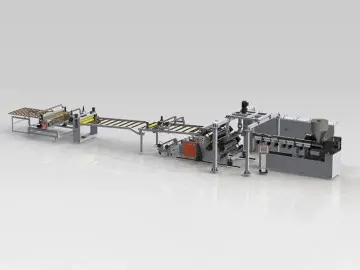
Advanced engineering plastic processing for aerospace and semiconductor components.
Technical Specifications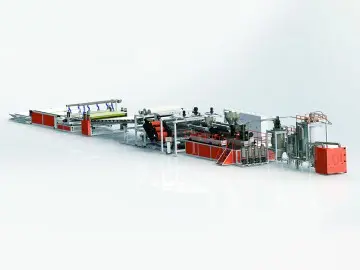
Thick-plate chemical tank and water pipe flange sheet manufacturing lines.
Technical Specifications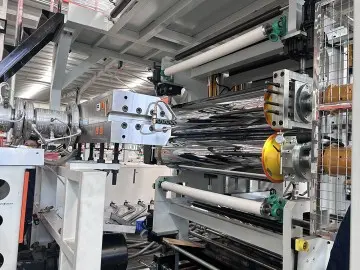
Co-extrusion integration for fuel cell hydrogen energy configurations.
Technical Specifications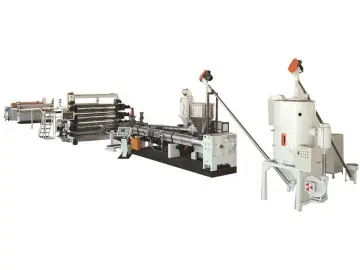
Specialized refrigerator liner board machinery with high vacuum sizing.
Technical Specifications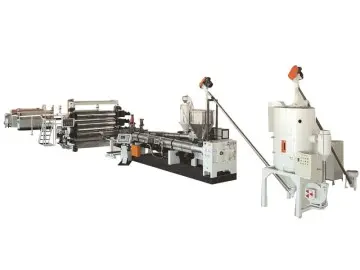
Multi-purpose board lines designed for thermoforming and industrial cases.
Technical Specifications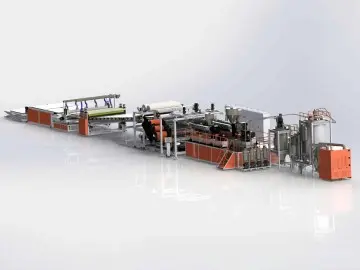
Engineered for high-purity optical GPPS plates used in LED light panels.
Technical SpecificationsStructuring sheet production lines to meet the compliance and technical demands of local markets.
Enterprise procurement managers evaluating PC sheet machines must prioritize Total Cost of Ownership (TCO) over the initial purchase price. A lower initial capital cost can lead to higher operational costs if the extrusion screw wears out quickly or if energy consumption is high. Modern manufacturing plants in North America, Europe, and the Middle East require machinery built to local regulatory standards, such as CE marking, UL electrical compliance, and ASME pressure vessel certifications.
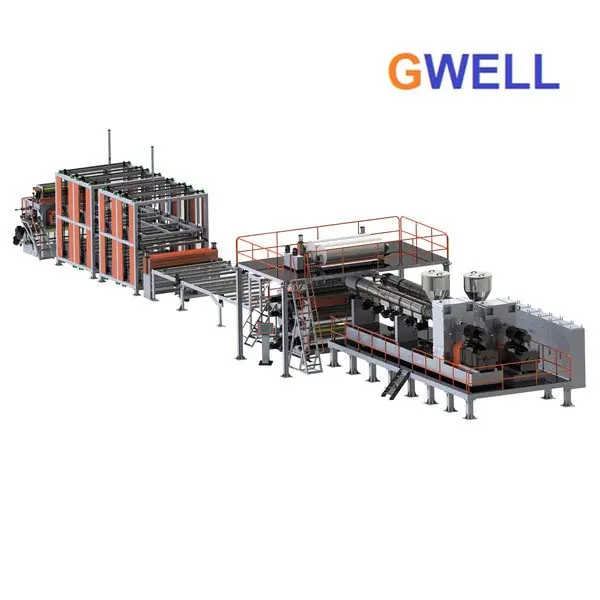
High-capacity operations require localized engineering support. Gwell provides remote IoT analytics, predictive diagnostics, and quick-turn response teams to minimize production halts. Additionally, the line layout—from gravimetric dosing systems, drying hoppers, and the main extruder to the T-die, calendering rolls, cooling frame, and cross-cutting station—can be customized to fit your specific factory layout.
Our engineering team focuses on processing challenges like reducing sheet internal stress and optimizing co-extrusion feedblock channels. We design our lines to consistently produce high-optical-quality sheets with minimal gauge variation, even during continuous production runs.
Using electromagnetic induction heating barrels and water-cooled AC motors helps lower electricity costs by up to 30% compared to legacy setups.
Integrating beta or gamma gauge sensors with the automated T-die profile control system helps keep sheet thickness variations within tight tolerances.
Nitrided alloys and tungsten carbide coatings protect the screw flights and barrel walls from wear when processing corrosive or highly abrasive compounds.
Precision calenders, dies, and sizing technology for high-performance sheet manufacturing.
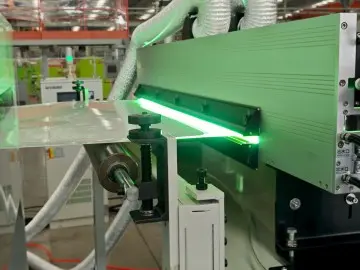
Produces highly transparent, impact-resistant copolyester sheets for medical packaging.
Technical Profile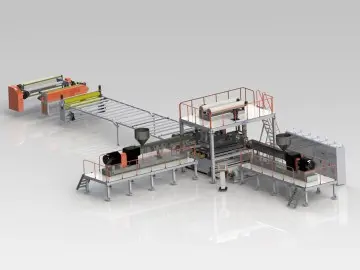
Engineered for automotive interiors, waterproof geomembranes, and synthetic rubber sheets.
Technical Profile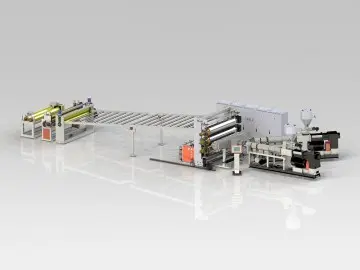
Designed to process optical-grade polymers with minimal thermal degradation.
Technical Profile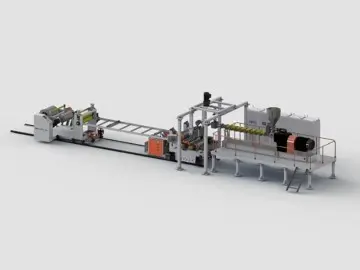
Co-extrudes multi-colored layers for files, stationery, and consumer goods.
Technical Profile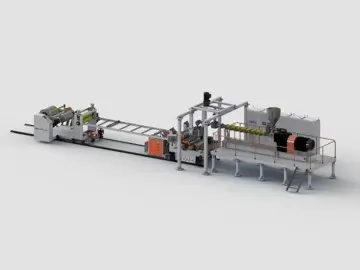
Eco-friendly extrusion systems processing bio-plastics for thermoformed food trays.
Technical Profile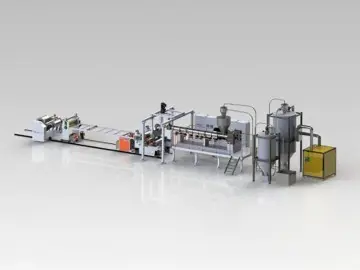
Equipped with vacuum degassing systems to bypass crystallizer requirements.
Technical Profile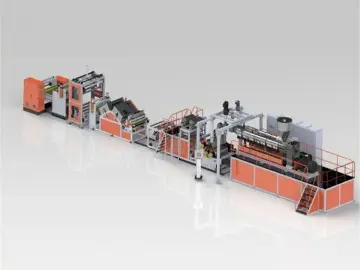
Extrudes low-temperature thermoplastic splinting sheets for orthopedic clinics.
Technical Profile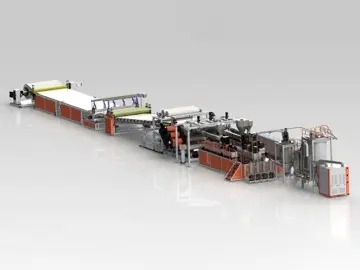
Engineered for light guide plates and optical laminates used in premium displays.
Technical ProfileExpert engineering answers on mechanical configurations, processing parameters, and machinery investments.
The final price is determined by several core factors: (1) Output capacity requirements (kg/h), which dictate screw diameter and motor size; (2) The number of layers (single-layer vs. A/B/A or A/B/C co-extrusion setups, which require additional auxiliary extruders); (3) T-die channel design and automation level (automatic thickness adjustment vs. manual bolts); and (4) Component brand specifications, such as Siemens PLC systems, melt pumps, and high-performance gravimetric feeding systems.
Polycarbonate is highly hygroscopic, meaning it absorbs moisture from the atmosphere. If extruded without adequate drying, moisture causes hydrolytic degradation at processing temperatures (around 280°C to 300°C). This results in micro-voids, bubbles, and brittle points, reducing both optical clarity and impact strength. Gwell integrated dryers run at dew points below -40°C to ensure moisture content stays below 0.02%.
A high-precision gear pump acts as a metering device between the extruder screw and the die block. It isolates the die from pressure fluctuations or surging caused by the screw. By maintaining a constant discharge pressure, it keeps sheet thickness variations very low, increases product yield, and reduces material waste.
For abrasive or highly corrosive formulations (such as flame-retardant PC or mineral-filled composites), Gwell uses premium bimetallic barrels and screws. The bases are made from high-strength steels like 38CrMoAlA, and the screw flights are coated with a wear-resistant tungsten-carbide or cobalt alloy to prevent early wear and maintain consistent output over time.
Yes, our lines offer versatility. By adjusting the flex lip on the T-die and regulating the speed of the three-roll calender stack, the line can switch from thin sheets (e.g., 1.5mm) to thicker panels (e.g., 15mm or higher). For significant changes in thickness, the calendar roll gaps and speed ratios must be synchronized via the Siemens PLC control system.
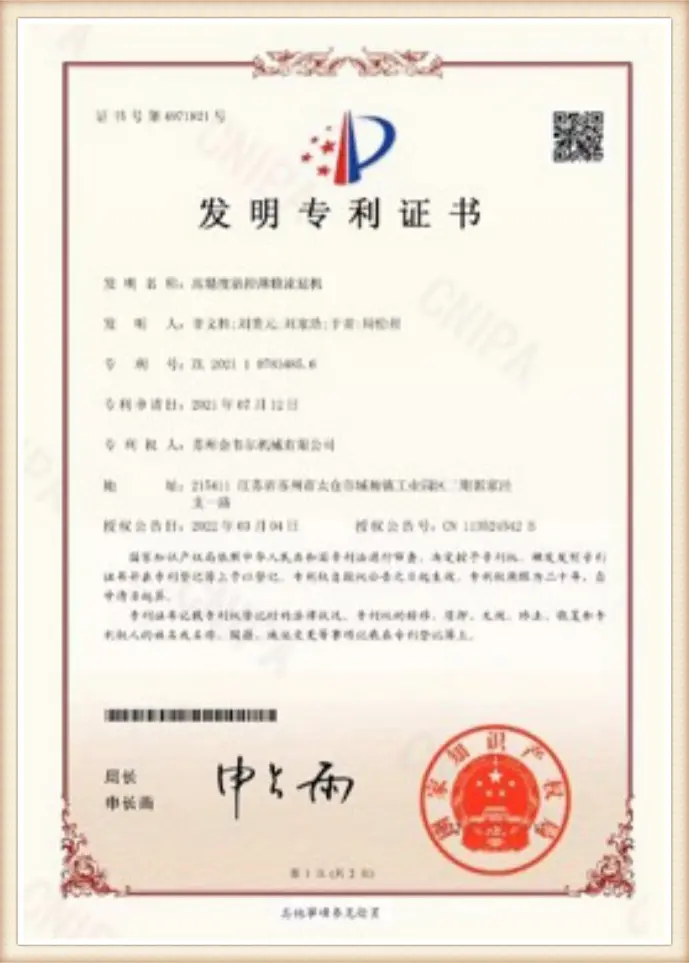
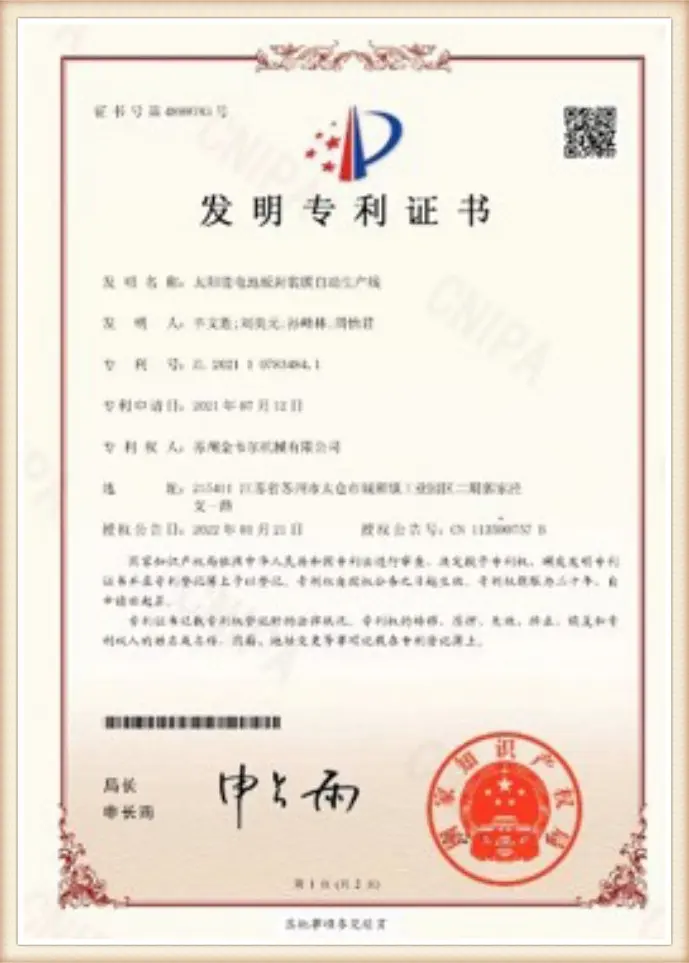
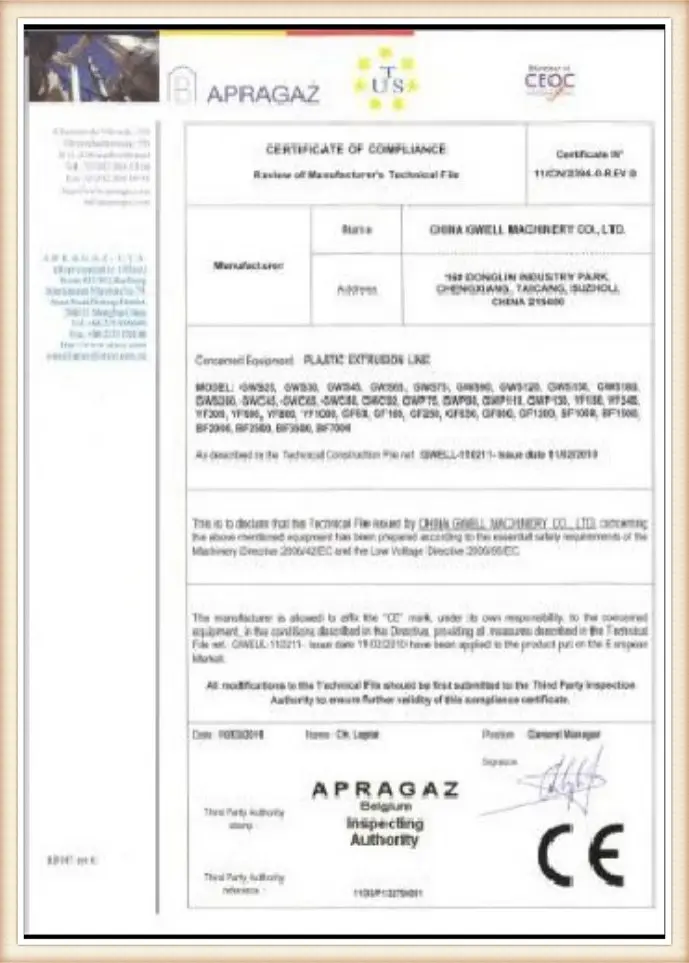
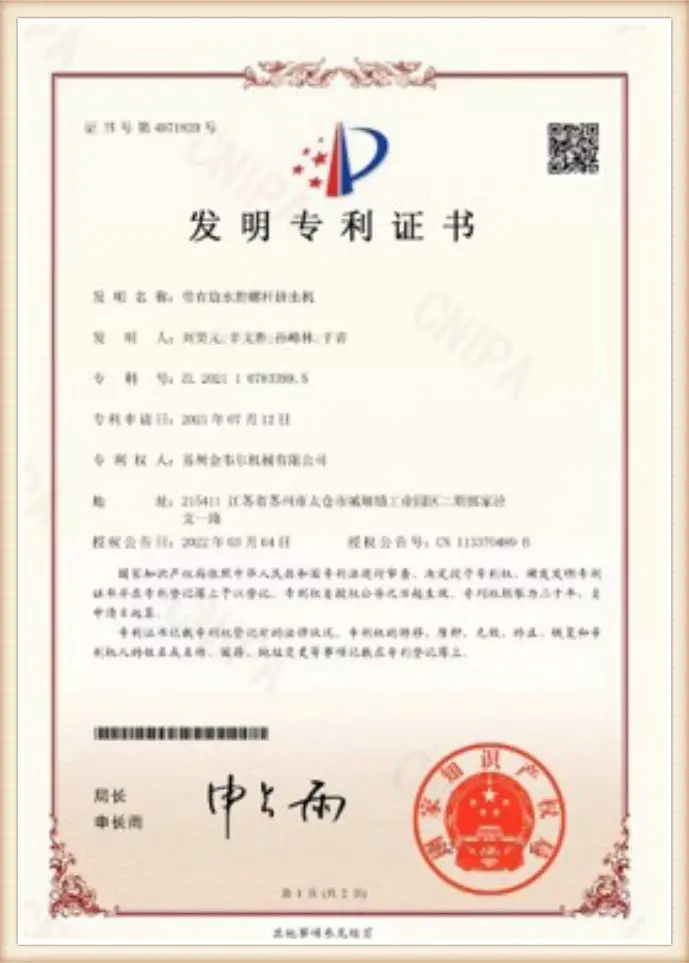
Verifiable compliance with global industrial manufacturing standards.
Stay updated on the latest polymer processing trends and upcoming machinery exhibitions.
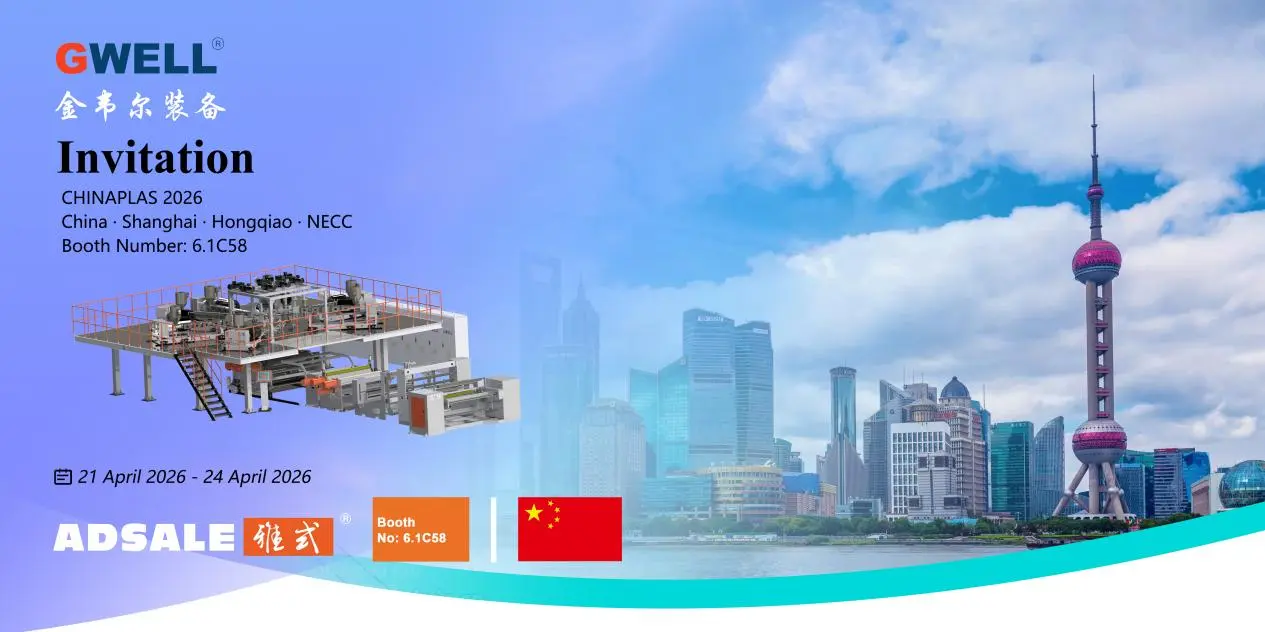
Gwell will display its high-performance sheet production lines and energy-saving extruders at the upcoming industry trade show.
Introducing our POE-based synthetic leather extrusion machinery, offering an eco-friendly alternative to PVC/PU processing.
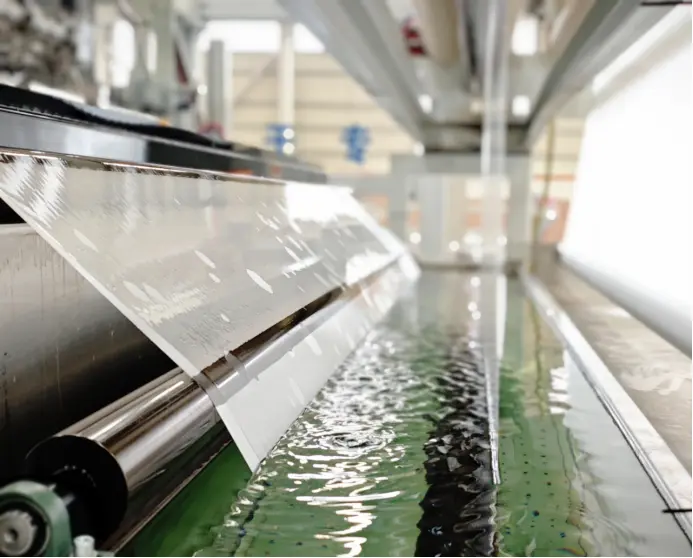
The Gwell PVB wedge-shaped film production line is engineered for high precision, high efficiency, and compatibility with automotive laminating lines.
High-capacity systems engineered for packaging, construction, and photovoltaic applications.
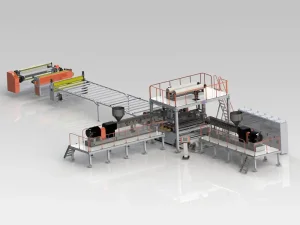
High-stability lines designed for automotive trim, synthetic membranes, and roofing applications.
View Specifications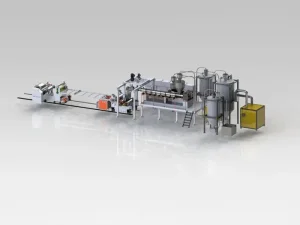
Delivers high-clarity, wear-resistant decorative films for modern laminating applications.
View Specifications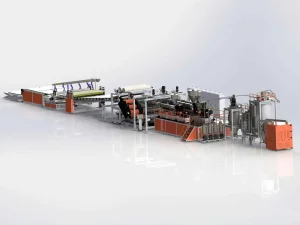
Optimized for producing safety interlayers in building-integrated photovoltaics.
View Specifications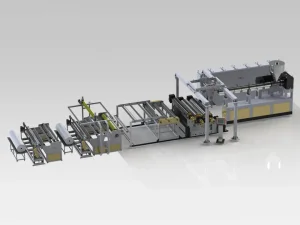
Engineered for solar encapsulation with precise temperature control to manage material shrinkage.
View Specifications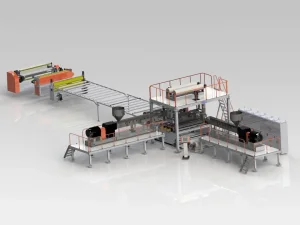
Continuous waterproof membrane extrusion for civil engineering, tunnels, and roofing.
View Specifications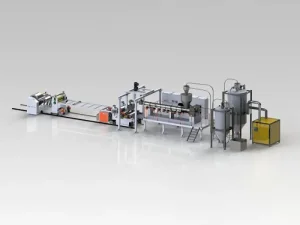
Co-extrusion systems optimized for thermoformed food trays and clear packaging.
View Specifications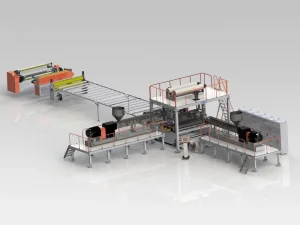
Heavy-duty extrusion equipment producing weather-resistant outdoor membranes.
View Specifications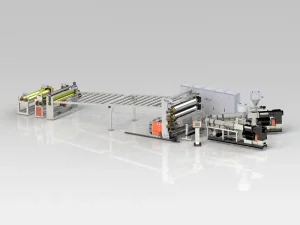
Continuous calender line engineered for high-transparency thermoformed PVC sheets.
View SpecificationsPartnering with global brands to ensure high component reliability and system uptime.



Speak with Gwell’s engineering team to customize a line configuration, discuss technical specifications, or request a detailed quotation.
Send Inquiry Now