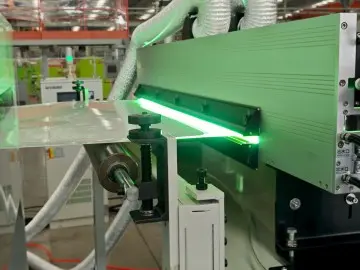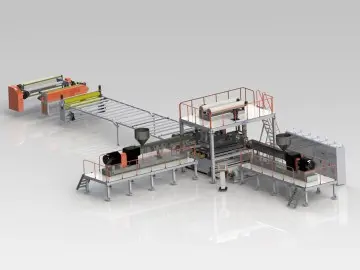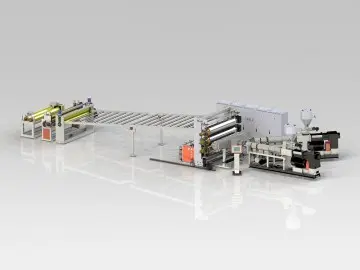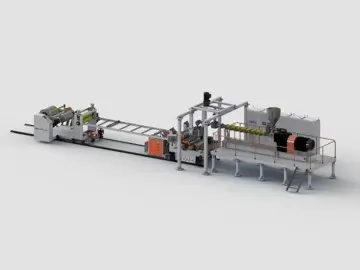
Discover premium production equipment and plastic extrusion lines engineered for global industrial deployment.
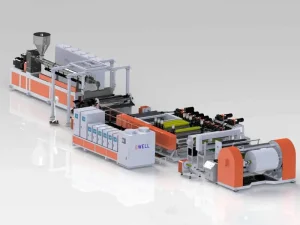
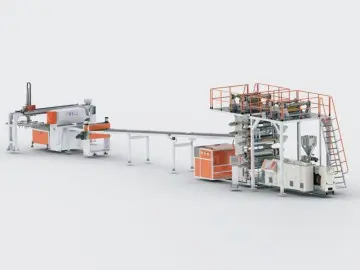
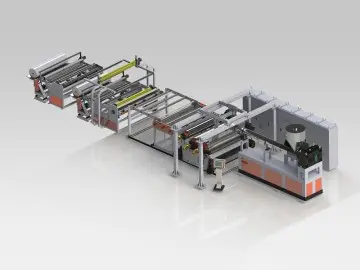
Precision machinery designed for producing calcium carbonate filled stone paper, reducing environmental footprint and saving resources.
Details
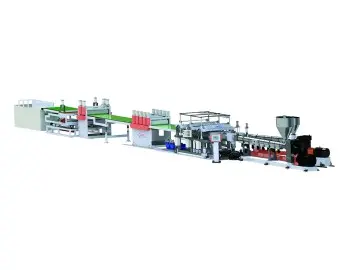
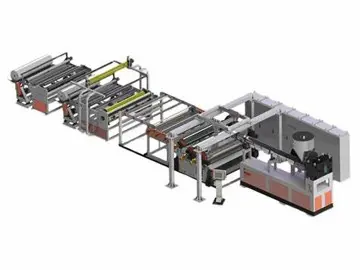
Engineered for optical-grade PCTG films with superior impact resistance, thermal stability, and surface gloss for interior decorations.
Details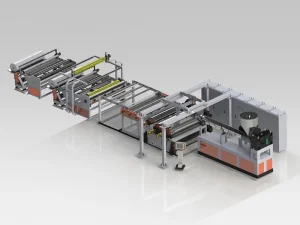
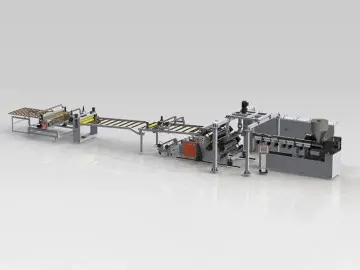
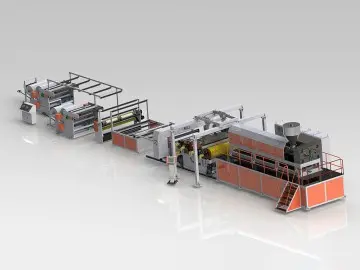
Specially designed screw configurations and downstream systems for manufacturing high-quality PVDF solar backsheets and membrane elements.
Details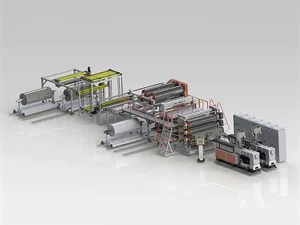
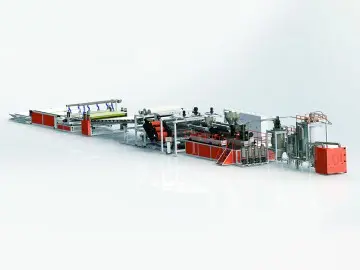
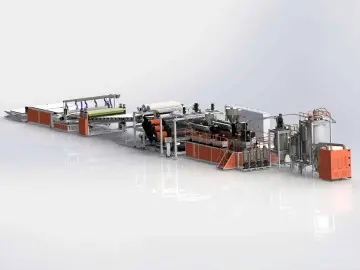
Advanced extrusion solutions for Paint Protection Film (PPF) applications, offering supreme optical clarity and self-healing properties.
Details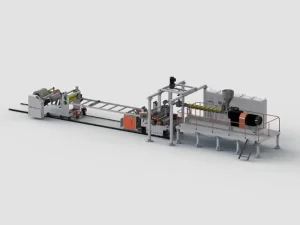
State-of-the-art PLA crystallization and extrusion machinery targeting high-efficiency production of packaging and thermoforming lines.
Details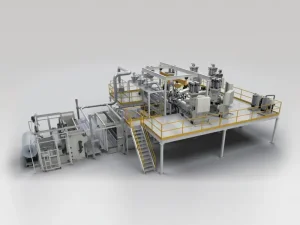
Designed for premium high-performance polymers, ensuring structural integrity and thickness accuracy under severe heat settings.
Details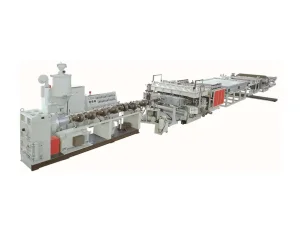
Engineered for construction-grade multi-wall sheets, achieving high thermal insulation metrics and premium UV-coextrusion performance.
Details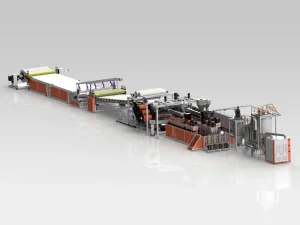
Co-extrusion configurations designed for building components, display systems, and automotive structural interior applications.
DetailsPoly(cyclohexylenedimethylene terephthalate) (PCT) and its glycol-modified derivative, PCTG, represent the apex of copolyester materials. By substituting cyclohexane dimethanol (CHDM) into the polymer backbone, manufacturers restrict polymer chain packing, altering crystallization kinetics. The resulting sheets combine the mechanical rigidity of traditional polyesters with superior heat distortion temperatures, high chemical resilience, and unparalleled optical properties.
For engineering applications, PCT sheets provide transition temperatures (Tg) up to 260°C under load when glass-filled. Unfilled PCTG sheets exhibit premium chemical resistance against ketones, acids, and aliphatic hydrocarbons. Unlike standard PET or polycarbonate (PC), PCT and PCTG materials do not require Bisphenol-A (BPA) components during chemical synthesis, positioning them as the benchmark choice for infant care products, medical fluid components, and medical diagnostic cassettes.
As sustainability regulations intensify across Europe (via the REACH directive) and North America (via FDA and EPA frameworks), sourcing directors are pivoting from traditional polycarbonate and PVC compounds to cleaner, BPA-free copolyester alternatives. Global purchasing profiles indicate that procurement volume for PCT and PCTG sheet systems has registered a 7.2% CAGR from 2021 to 2026, with the medical device and cleanroom packaging industries spearheading this expansion.
Key procurement vectors currently focus on:
In the competitive plastic extrusion machinery sector, China Gwell Machinery Co., Ltd. has pioneered the integration of Industry 4.0 principles to address supply chain vulnerability. Operating across three state-of-the-art production bases covering over 866,000 square meters of total construction area, Gwell has digitalized the manufacturing pipeline for high-performance sheet extrusion machinery.
Gwell's Industry 4.0 strategy rests on three key pillars:
The choice of sheet extrusion technology depends heavily on regional industrial targets and environmental conditions. Here is a breakdown of optimized deployment scenarios:
Strict FDA Title 21 CFR and ISO 10993 requirements demand high-clarity sheets free from heavy-metal catalysts and plasticizers. PCTG sheet extrusion lines configured with multi-component gravimetric dosing systems deliver rigid, clean packaging suitable for surgical instrument trays and pharmaceutical containers.
European markets demand high-gloss interior laminate films that comply with VOC-free initiatives. Modern PCTG film co-extrusion systems produce multi-layer decorative matrices that replace chlorinated vinyl structures, providing premium scratch resistance and UV stability for architectural surfaces.
Fast-turnaround consumer electronics hubs require impact-resistant structural components. Co-extruded sheets integrating PCTG outer layers with flame-retardant PC cores provide structural rigidity, heat deflection resistance, and excellent processing yields during deep-draw thermoforming.
Discover technical configurations across our core extrusion line classes: Cast Film, Board, Sheet, and Solar encapsulations.
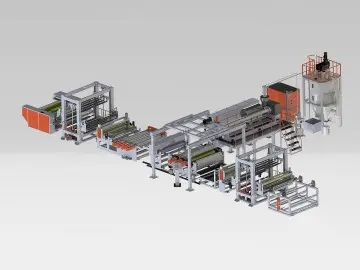
High-efficiency plastic extrusion lines designed to produce weatherable co-extruded films.
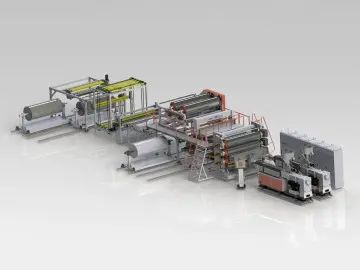
Engineered for high-strength thermoplastic polyurethane adhesion matrices.
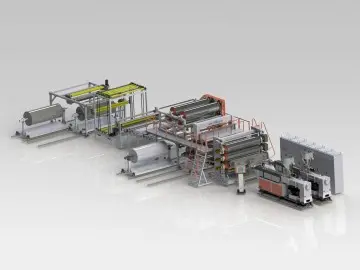
Versatile line suitable for protective, medical, and industrial elastic films.
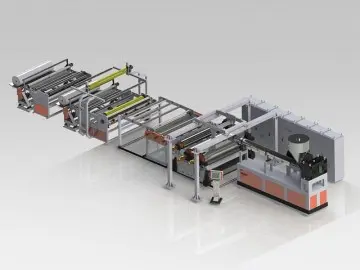
Optimized for photovoltaic backsheet protection membrane systems.
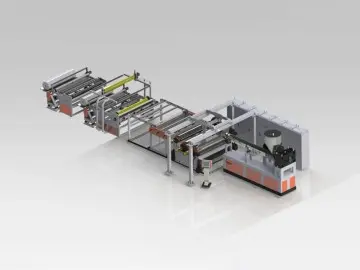
Combines precision gauge control with acoustic laminating properties.
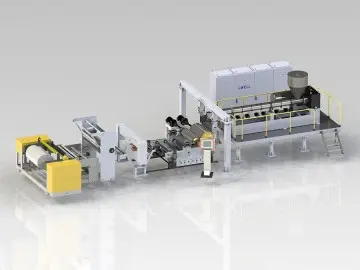
Customized screw and die setups targeting water-dispersible packaging applications.
China Gwell Machinery is a high-tech enterprise dedicated to the manufacture of premium plastic extrusion lines for Film, Sheet and Profile. Relying on the powerful technology and equipment of the group and an innovative spirit, GWELL commits to the development of high-tech products and the international market.
"Expertise creates customers' values" has always been the company's operating philosophy. The brand integrates mechanical precision, material chemistry, and automated controls to supply systems that operate at peak efficiency under demanding industrial schedules.
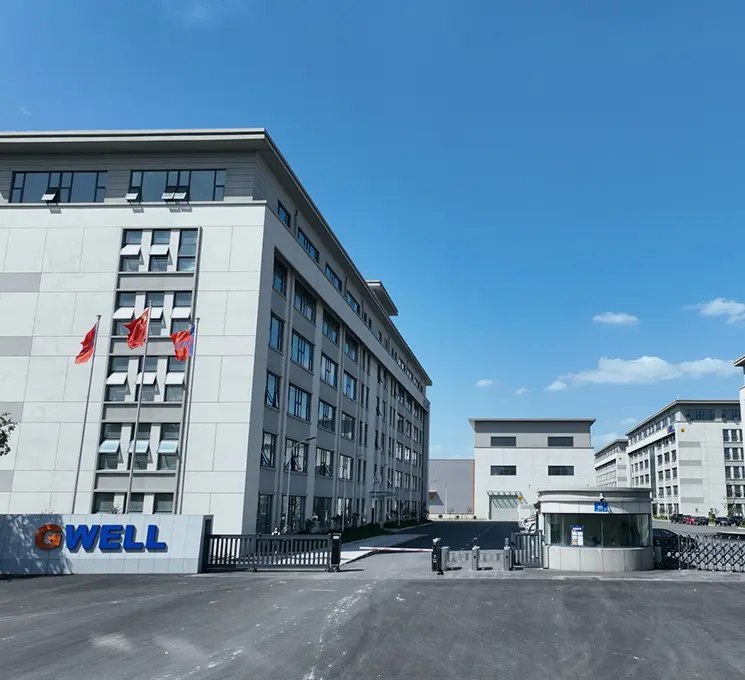
Why global sourcing directors select Gwell extrusion equipment for primary processing plants.

Collaborates with universities and materials research institutes to develop high-speed extruders with specialized screw profiles for complex copolyesters.

Provides complete turn-key solutions, including layout planning, testing, and remote diagnostic systems to minimize operational downtime.

Three heavy machining bases ensure the capability to manufacture and export over 1,000 customized lines per calendar year.

Equipment is deployed worldwide across major production hubs in Europe, North America, Southeast Asia, and the Middle East.

Supported by 500+ employees and over 100 dedicated polymer process engineers focusing on design improvements and structural physics.
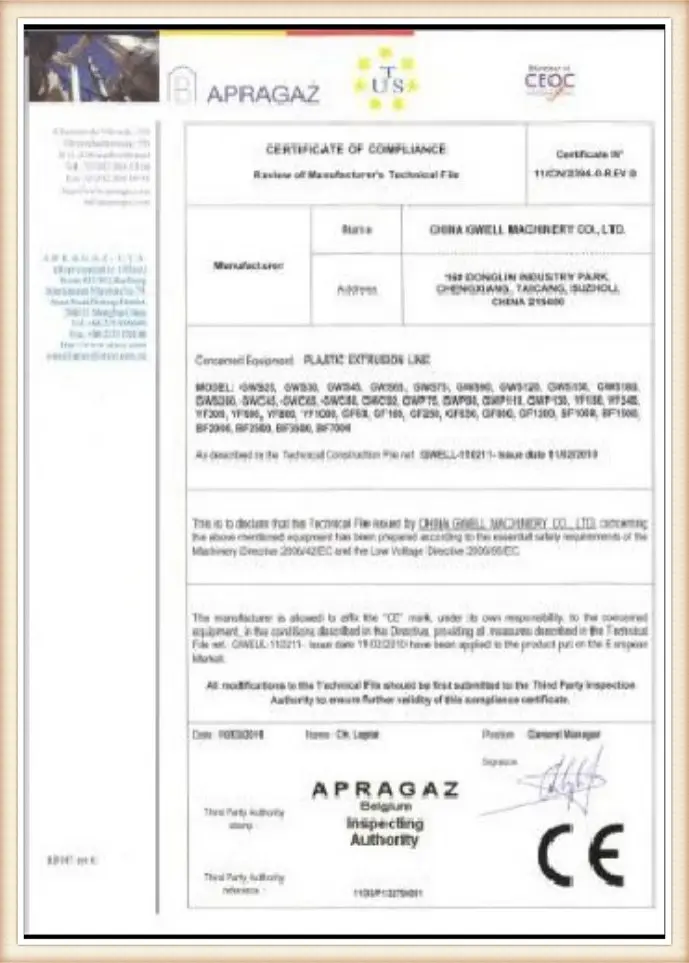
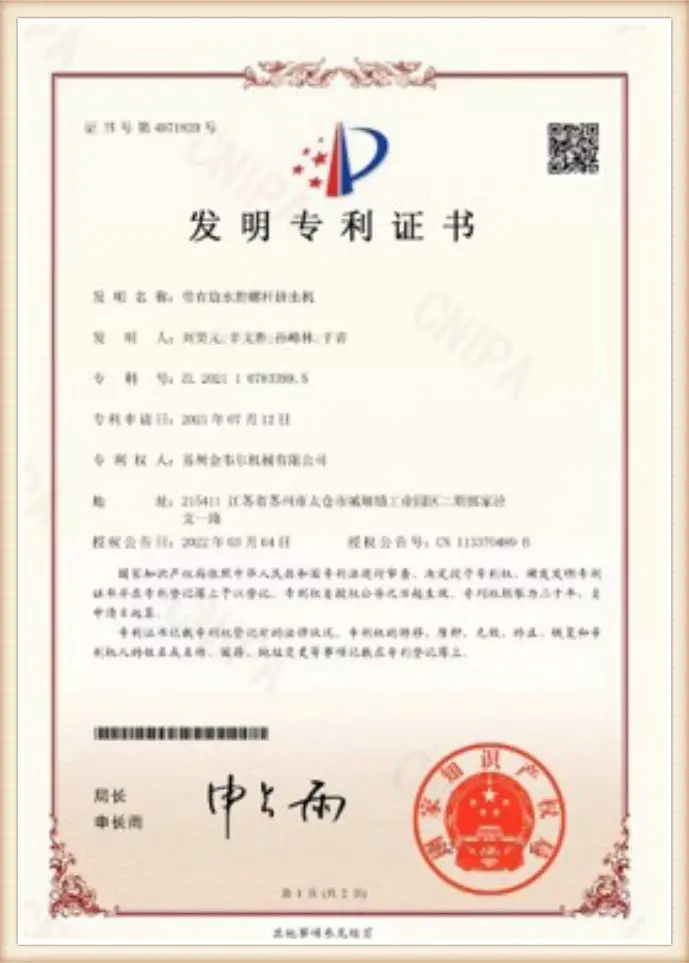
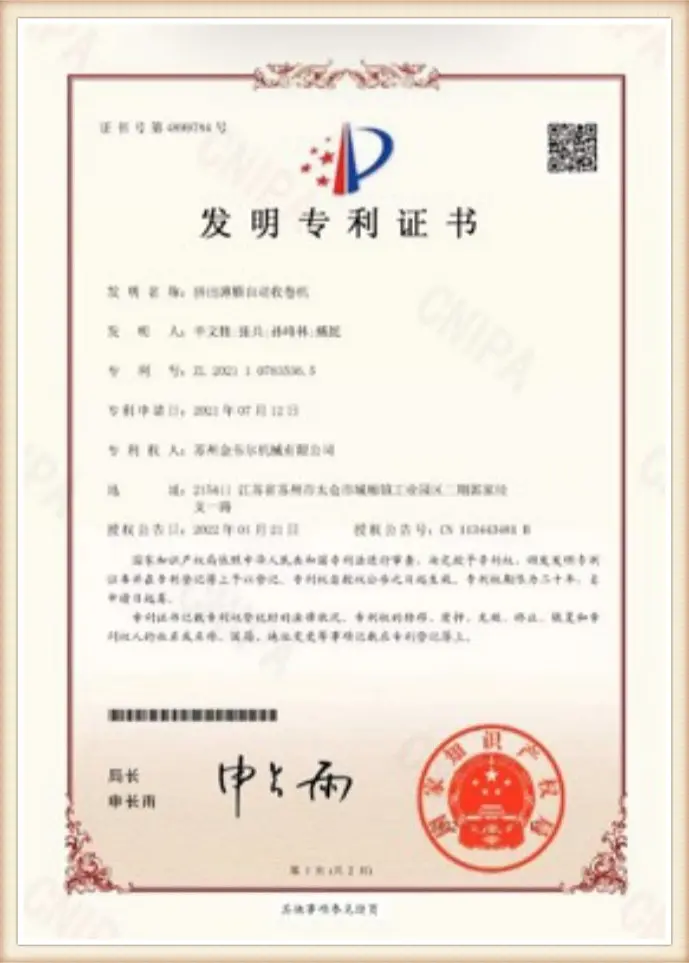
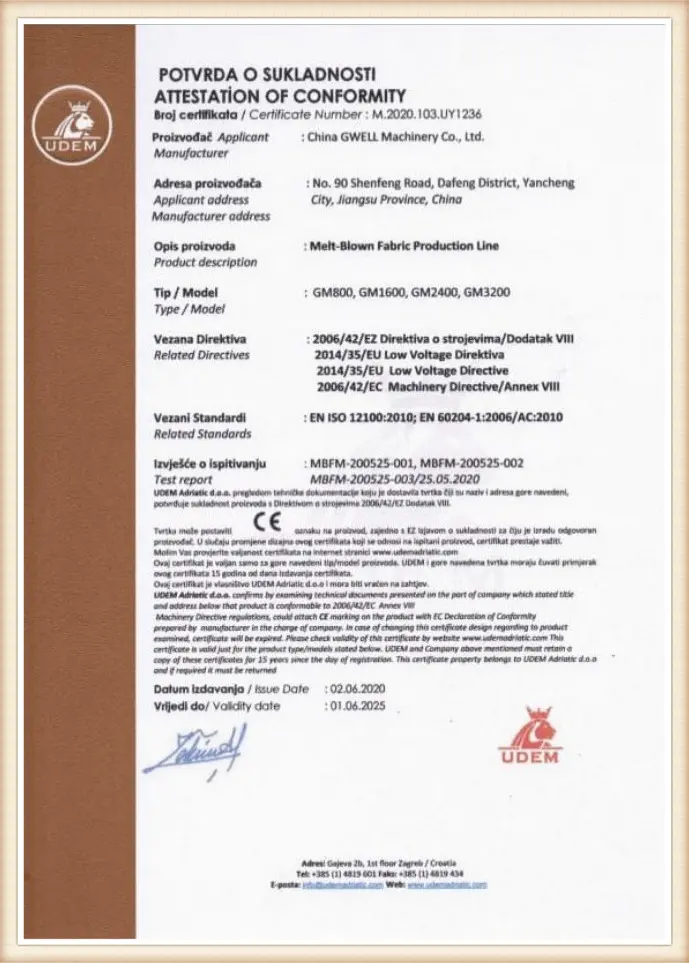
Every line is manufactured in compliance with international industrial safety and quality management frameworks.
Follow Gwell's latest technical developments, global exhibitions, and engineering innovations.
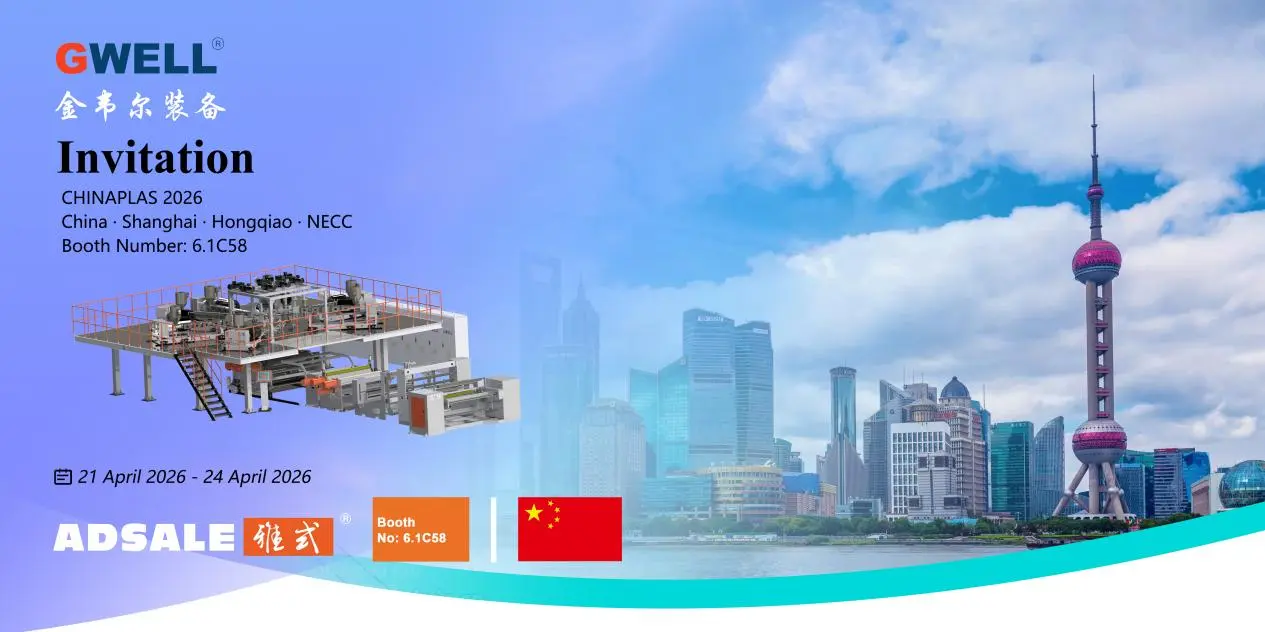
Gwell presents the latest updates to its high-speed co-extrusion technology at the upcoming international plastic and rubber trade fair.
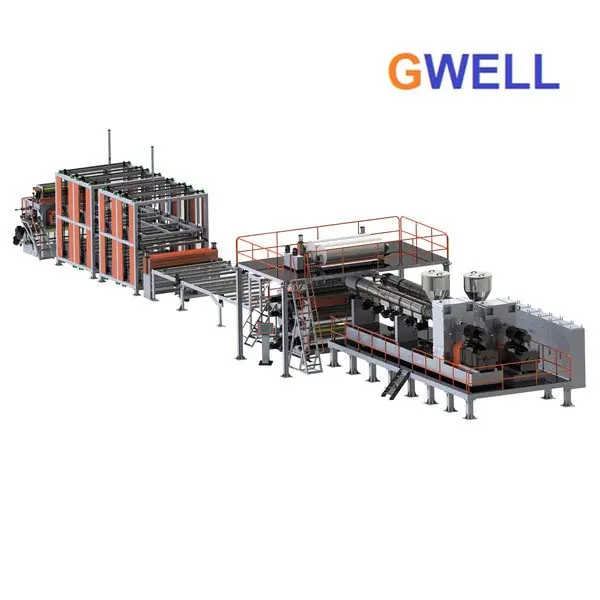
Discover our newly optimized polyolefin elastomer synthetic leather lines, delivering soft-touch, VOC-free surfaces for premium automotive interiors.
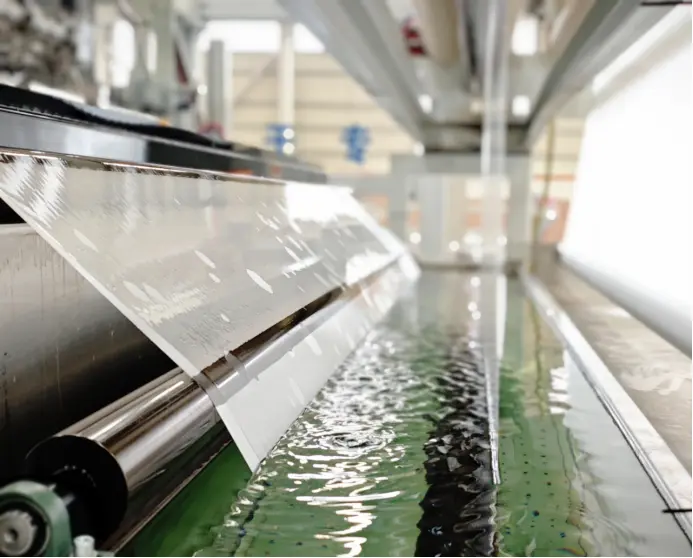
Designed for automotive Head-Up Display (HUD) glass manufacturing, providing high compatibility and precision wedge-angle controls.
Expert technical answers addressing key questions about PCT and PCTG extrusion systems.
PCT (Poly(cyclohexylenedimethylene terephthalate)) contains a higher concentration of the alicyclic diol (CHDM) monomer in its backbone compared to PETG. During extrusion, this gives PCT a higher glass transition temperature (Tg) and melting point. Processing PCT sheets requires extruders with higher heating capabilities and advanced thermal monitoring to maintain polymer melt stability and prevent thermal degradation.
Both materials are highly hygroscopic. If processed with excess moisture, hydrolytic degradation will occur at melt temperatures, leading to chain scission, reduced molecular weight, loss of physical properties, and surface defects like bubbles or silver streaks. Pre-drying in desiccant hopper dryers is required to bring moisture content below 0.02% by weight.
Yes. Using custom feedblock designs and multi-manifold dies, Gwell's PCT and PCTG extrusion systems can be configured for co-extrusion. Common setups include PCTG/Barrier/PCTG structures for medical packaging, or PCTG/PC structures that combine surface chemical resistance with core structural impact properties.
Our Factory 4.0 setups integrate automatic feedback control loops. Dynamic beta-ray or non-contact laser measurement sensors continuously scan the extruded sheet downstream. This data is fed back to the die-lip control CPU, which adjusts heating elements inside the automatic die-lip bolts to correct thickness deviations in real time.
Gwell utilizes barrier screws with high length-to-diameter (L/D) ratios (usually 30:1 to 33:1). They include specialized mixing sections (such as Maddock and pineapple mixers) that ensure uniform melting and prevent high-shear hot spots that could damage the polymer structure.
Review additional engineering configurations for films, sheets, and geotechnical membranes.
Designed for optical-grade sheets used in display panels, light guide assemblies, and touch panels, maintaining low internal stress levels.
Details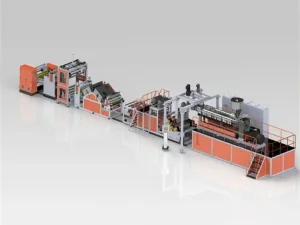
Specially designed for low-temperature thermoplastic splints and orthopedic immobilization materials, with high-precision temperature zones.
Details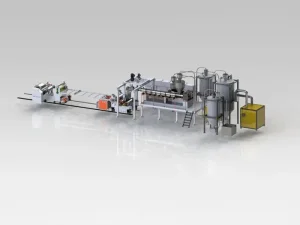
Engineered for clean, high-gloss surface laminates used in modern modular kitchens, vanity units, and commercial wall panel designs.
Details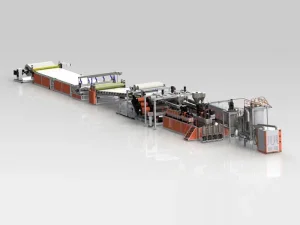
Produces flexible TPE sheets optimized for thermoformed automotive floor liners and heavy-duty protective industrial floor pads.
Details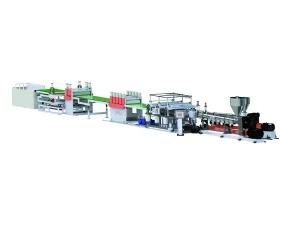
Designed for high-impact PP hollow profile sheets used as concrete shuttering panels in the structural engineering sector.
Details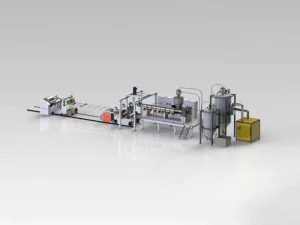
Optimized for high-yield solar encapsulant production, ensuring thermal crosslinking values comply with strict global energy standards.
Details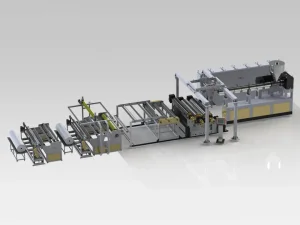
High-precision co-extrusion technology designed to produce co-extruded EPE solar cell encapsulation layers with low shrink ratios.
Details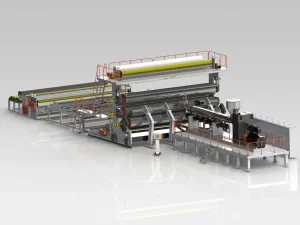
Heavy-duty flat-die systems engineered for manufacturing wide geo-membranes used in landfills, reservoirs, and mining sites.
Details


Our engineering and production capabilities have been widely recognized across the global plastic processing industry. Get in touch with our technical sales division to receive a customized configuration plan and cost analysis.
Send Inquiry Now