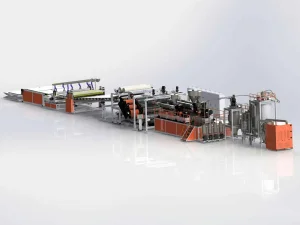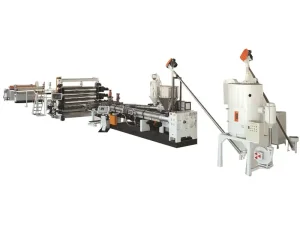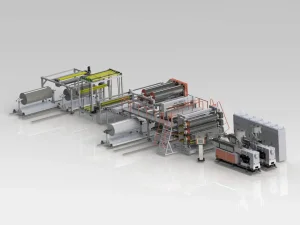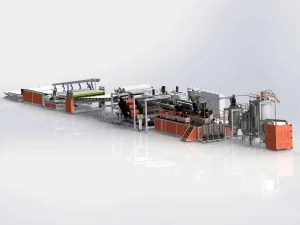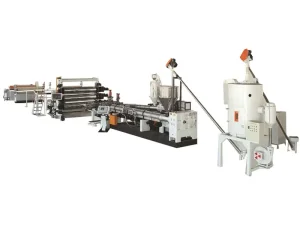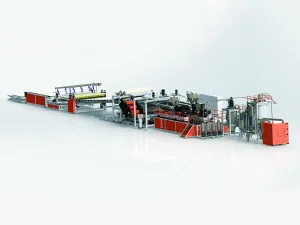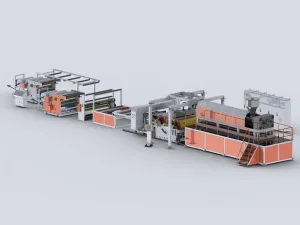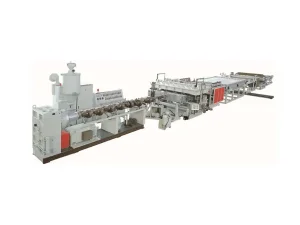
High-Quality PE Waterstop Extrusion Technology
for Critical Rail & Infrastructure Projects
An Industrial Deep Dive into Engineering Specifications, Manufacturing Capabilities, and Global Market Context.
1. Global Industrial Landscape of Tunnel Waterproofing
In modern underground civil works, structural waterproofing represents a primary element of long-term structural integrity. Tunnels built for high-speed rail lines, urban transit systems, and water conveyance networks face prolonged hydrostatic loads, dynamic shear forces, and chemical exposure from soil structures. Polyethylene (PE) waterstops are now widely utilized for deformation, settlement, and construction joints owing to their outstanding elasticity, chemical resistance, and ease of thermal welding.
Exporters of PE waterstop extrusion lines play a key role in supply chains. As global construction projects transition toward durable infrastructures (often requiring a design life of over 100 years), project specifications for waterstop profiles have become more demanding. Basic extrusion techniques are no longer sufficient to produce multi-ribbed, thick-walled profiles with integrated swellable sections. Consequently, demand is increasing for high-performance profile extrusion lines with automated caliber control and optimized polymer melt homogeneities.
2. The Technical Anatomy of PE Waterstop Extrusion Systems
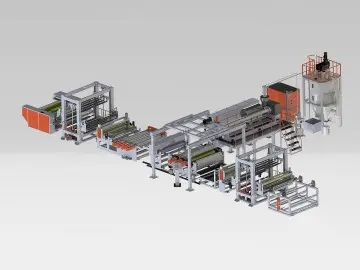
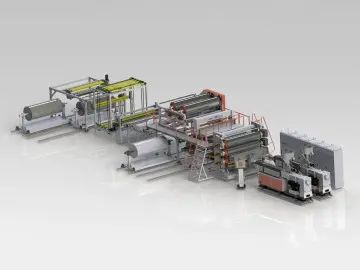
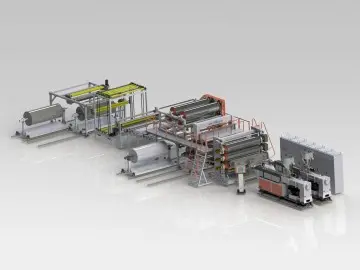
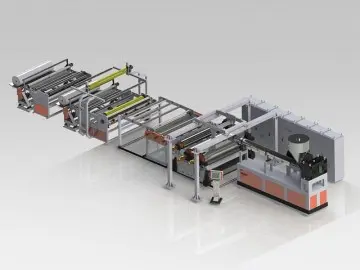
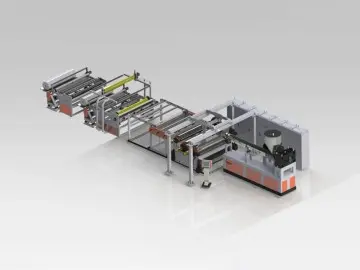
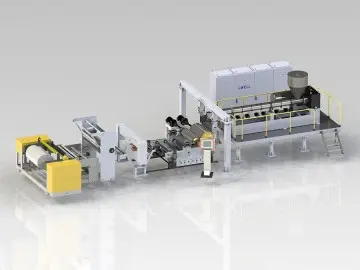
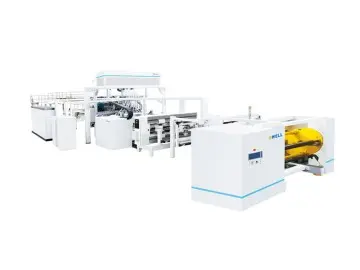
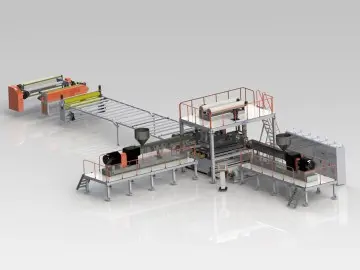
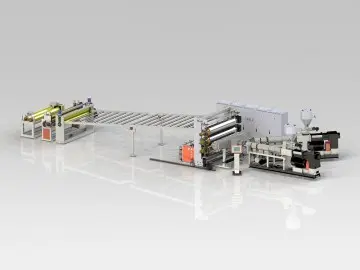
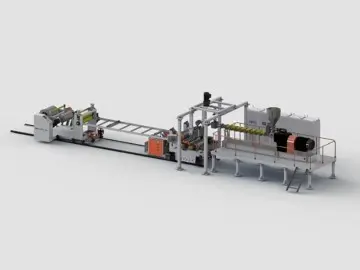
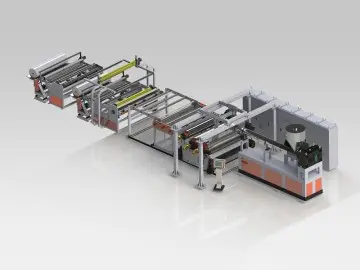
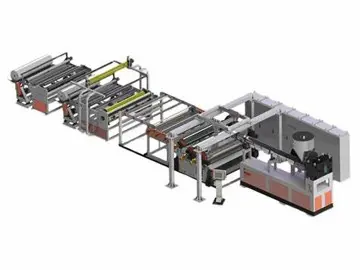
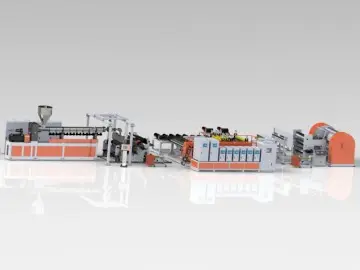
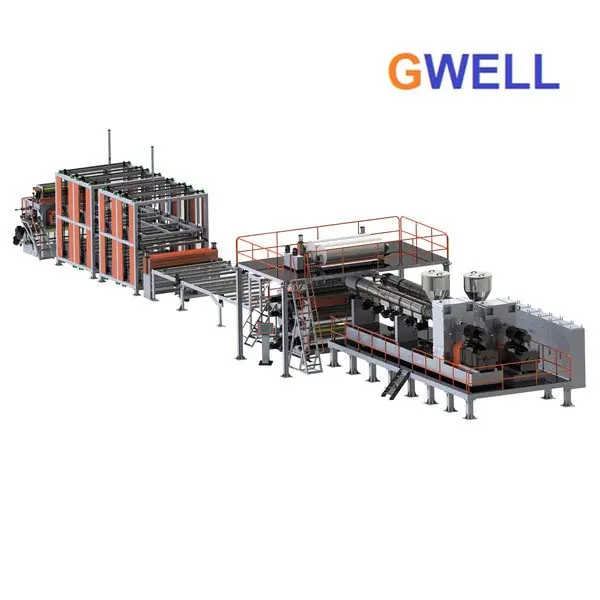
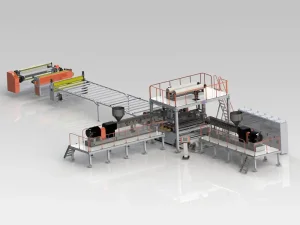
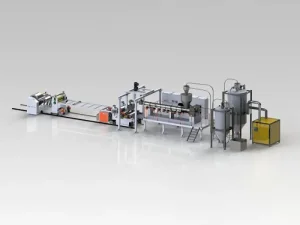
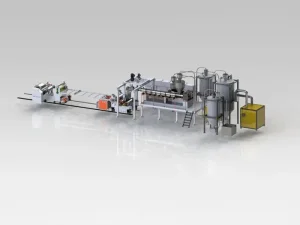
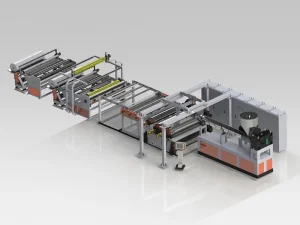
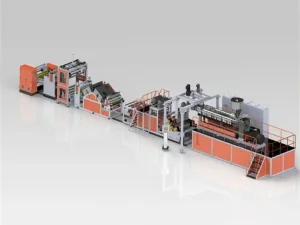
Extruding structural-grade Polyethylene waterstops demands strict processing window controls. Raw materials are high-density, low-density, or thermoplastic elastomeric blends, each exhibiting different rheological properties. The machinery layout must include specific design solutions:
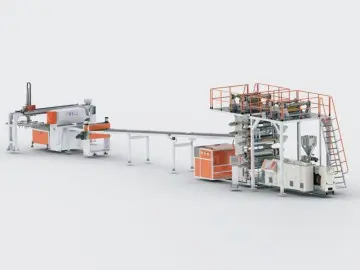
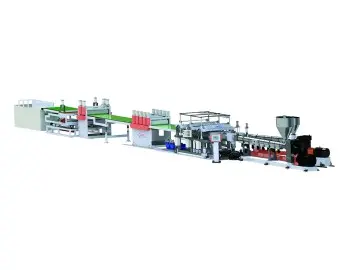
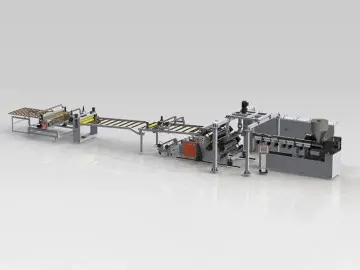
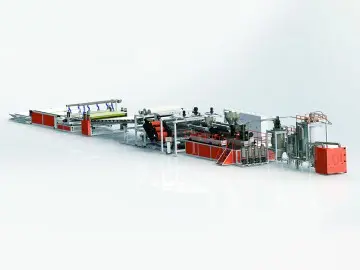
- Single-Screw or Twin-Screw Extruder (L/D Ratio of 30:1 to 33:1): Optimized barrier screw designs prevent mechanical degradation of polymers while achieving uniform plasticization at high outputs.
- Optimized Profile Die Head: A customized flow channel layout prevents internal stress concentration inside the extruded profile, mitigating dimensional warpage during cooling.
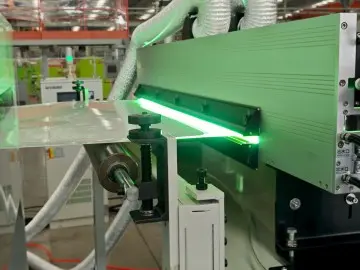
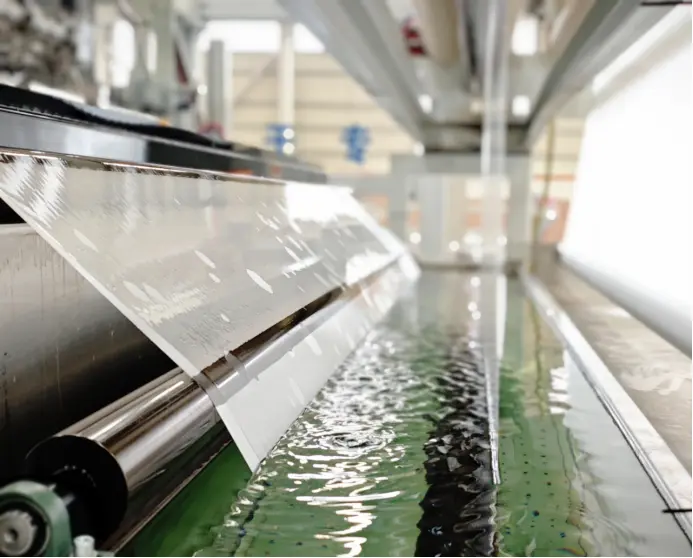
- Vacuum Calibration and Cooling Tanks: Multi-stage calibration systems with precise water-ring vacuum controls maintain the complex multi-rib cross-section configurations.
- Caterpillar Haul-Off Unit: Frequency-regulated speed controls prevent deformation of the profile as it exits the sizing calibrators.
3. Chinese Manufacturing Excellence & Factory Efficiency
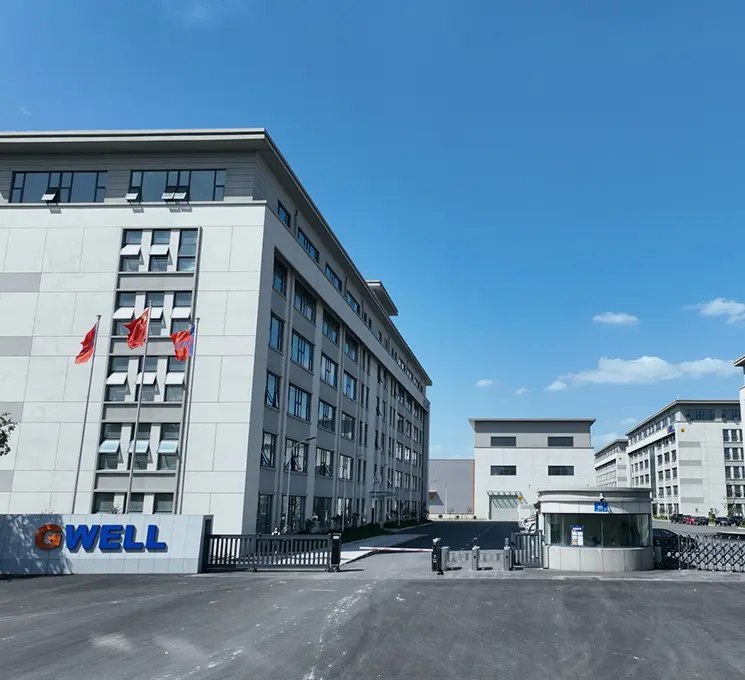
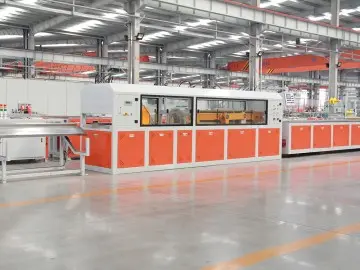
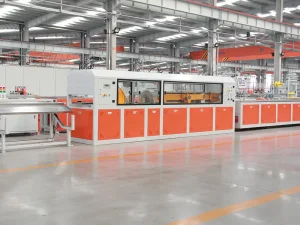
China has become a major supplier of plastic extrusion machinery, offering a compelling combination of manufacturing capacity, research cooperation, and supply chain speed. Chinese manufacturers like GWELL Machinery show how integrated industrial clusters facilitate shorter delivery times and customized machine configurations.
Collaborative partnerships with domestic universities and international materials research institutes have allowed Chinese companies to adopt advanced melt pump controls, automated gravimetric dosing systems, and closed-loop control layouts. This industrial base enables the production of extrusion systems that match European efficiency standards while remaining highly cost-competitive. Crucially, raw material sourcing and local components manufacturing reduce lead times from design to shipment.
4. Localized Application Scenarios
Depending on the climatic zone and civil design parameters, extruded waterproofing components require adjustments in material composition and profile geometry:
- Alpine Railway Tunnels: Sub-zero freeze-thaw cycles necessitate high flexibility in PE waterstops. Low-temperature brittleness must be prevented through exact control of polymer crystallinity during the cooling phase of the extrusion process.
- High-Speed Rail (HSR) Subgrades: The high dynamic loads from high-speed trains require waterstops with superior resilience and shear strength. Modern extrusion lines feature co-extrusion technology to bond high-tensile base materials with elastomeric sealing ribs.
- Subsea and Estuary Subway Lines: Saline soil conditions demand high chemical resistance. Extrusion systems must run pure raw materials without creating thermal degradation points, which could lead to chemical leaks under high hydrostatic pressure.
5. Market Trends & Strategic Procurement Guide for EPC Contractors
The global waterproofing market is transitioning toward integrated monitoring waterstops—profiles that contain sensory channels or co-extruded bentonite strips. Industry leaders recommend that procurement managers evaluate extrusion line purchases on more than just initial costs. Key metrics should include energy usage per output kg, tooling wear life, and the availability of remote diagnostics.
Setting up local production lines is often more cost-effective than importing heavy, bulk waterstop rolls for large rail projects. Investing in a dedicated PE waterstop extrusion line on-site or at a regional factory reduces transportation costs, cuts supply delays, and allows immediate adjustments to changes in tunnel design.