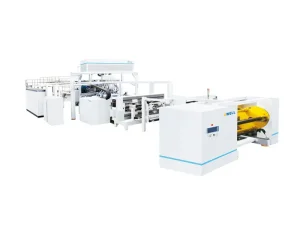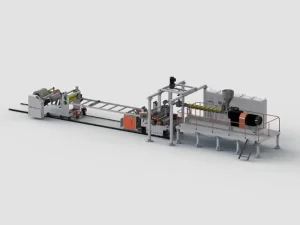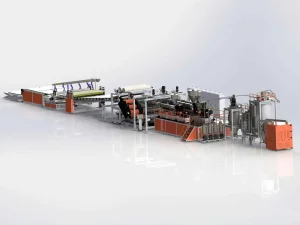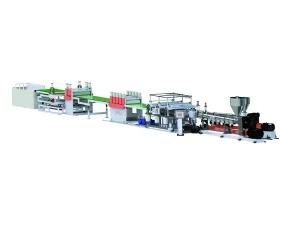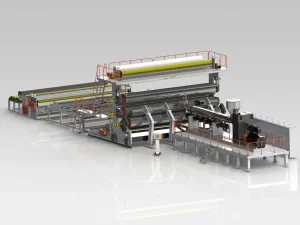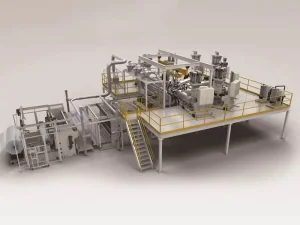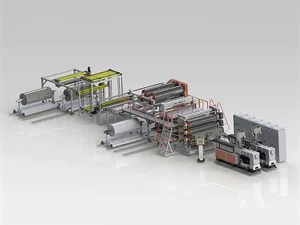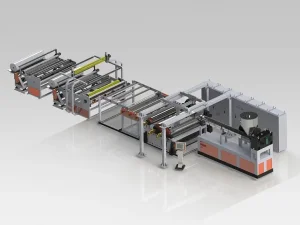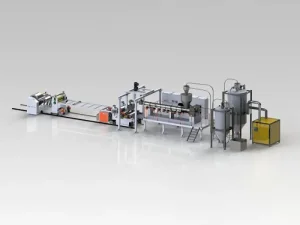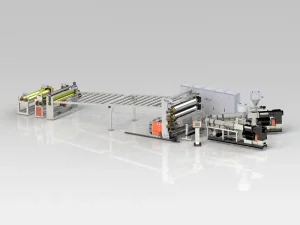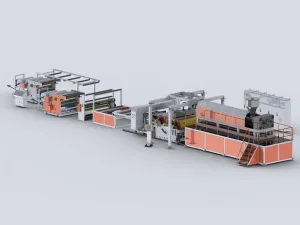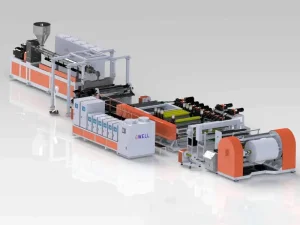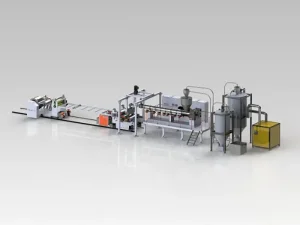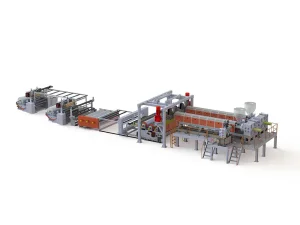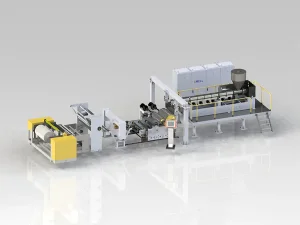
Explore our flagship high-capacity cast film and sheet extrusion machinery engineered for maximum throughput, precision tolerance, and energy efficiency.
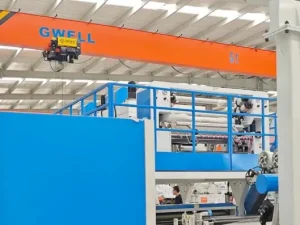
The global demand for polystyrene (PS) and high-impact polystyrene (HIPS) sheets has witnessed exponential growth due to their extensive integration into food packaging, medical diagnostic kits, electronic component carriers, and construction barriers. Importers globally face the critical challenge of sourcing high-reliability extrusion equipment capable of handling variable virgin and recycled material formulations. To maintain competitive operating margins, regional importers in North America, Europe, and Southeast Asia look for customized high-precision co-extrusion machinery that delivers high dimensional consistency, ultra-thin tolerance levels, and minimal energy consumption ratios.
Industrial manufacturing ecosystems require deep integration of process engineering controls. Equipment importers act as crucial technology conduits, linking downstream thermoforming operations with advanced machinery factories. As the market transitions toward strict environmental compliance and material downgauging, modern importers no longer look for simple stock machinery; instead, they demand tailored multi-layer co-extrusion technology platforms capable of incorporating barrier layers such as EVOH, or running eco-friendly degradable alternatives like PLA.
Ensuring steady component logistics and immediate access to critical wear-and-tear parts like screws, barrels, and die-lip heaters.
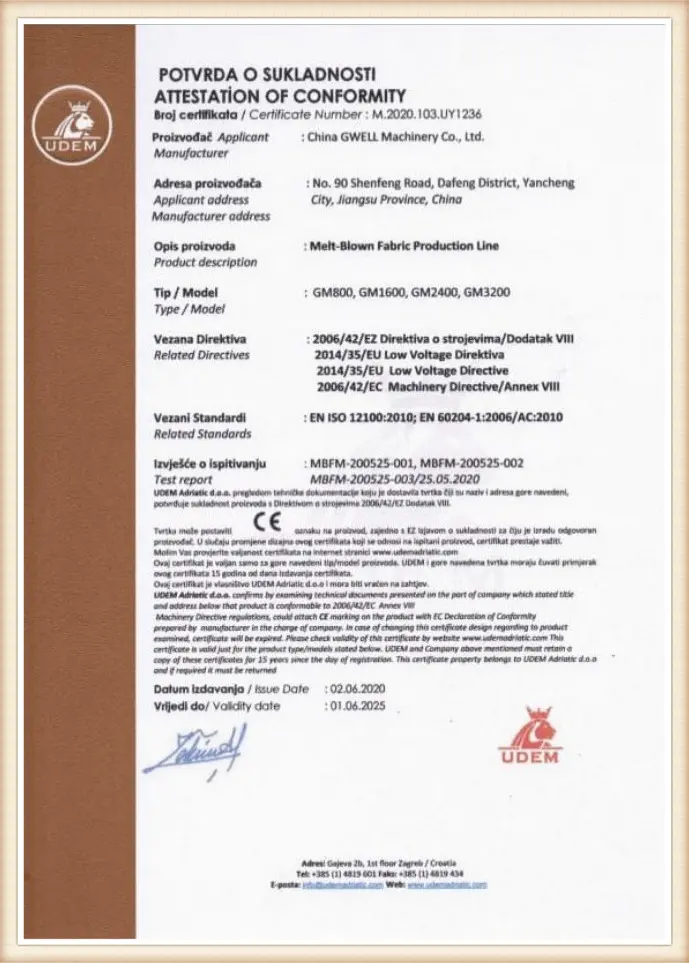
Meeting regional grid codes, safety directives (such as CE, UL, and CSA standards), and strict food-grade manufacturing compliance.
Configuring extrusion screws and T-dies to seamlessly switch between HIPS, GPPS, PP, PET, and bio-based plastics without structural distortion.
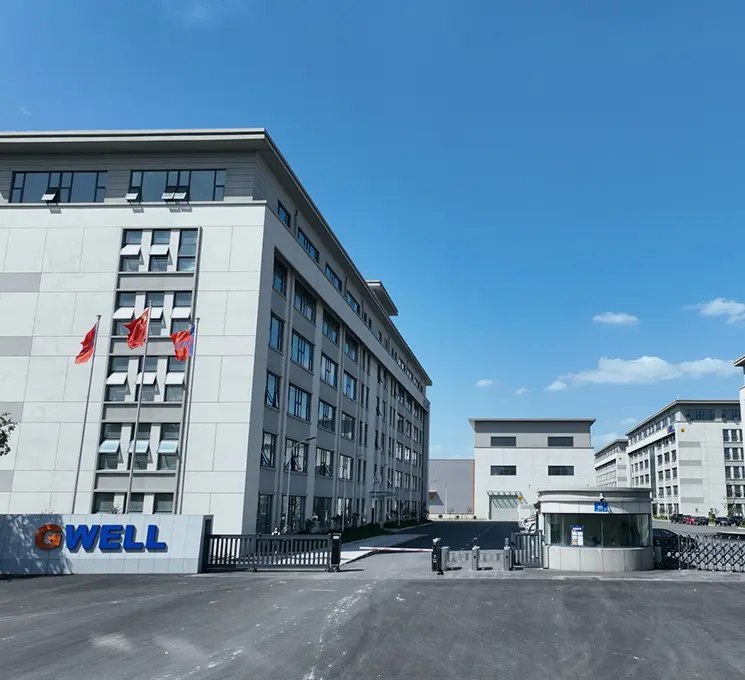
China has solidified its position as the global hub for advanced polymer machinery manufacturing, primarily due to its highly integrated domestic supply chain and engineering clusters. Factories like China Gwell Machinery Co., Ltd. utilize specialized internal components production, advanced metal heat treatments, and precision CNC grinding shops to achieve unparalleled build quality and structural integrity.
By using scale economies and regional supply clusters, Chinese factories can deliver high-capacity sheet extrusion systems at a fraction of the cost of European competitors, while matching or exceeding processing outputs. Gwell leverages its three major production bases spanning an expansive construction area of 866,000 square meters to execute parallel assembly and testing programs. This scale reduces equipment lead times from standard quarters to mere weeks, ensuring that importers bring their lines online ahead of local market opportunities.
Modern Chinese extrusion lines incorporate international industry-standard control brands (such as Siemens, Omron, and ABB) for reliable electrical setups, combined with domestic engineering improvements in melt-pump efficiency and feedblock stability.
The output of high-capacity PS sheet extrusion machinery is crucial for several specialized industries worldwide. In developed markets, HIPS sheets are primarily used in high-speed, automated thermoforming machines to produce disposable food containers, cups, dairy tubs, and lids. These products require clean plasticizing, void-free melt dispersion, and strict thickness profiles to prevent high waste rates during stamping.
For industrial application domains, General Purpose Polystyrene (GPPS) is co-extruded with HIPS to yield high-gloss, scratch-resistant outer layers for refrigerator door liners and inner cabinets. The construction sector uses thick-gauge extruded polystyrene (XPS) boards for high-efficiency thermal insulation cores. The optoelectronics sector utilizes precise GPPS diffuser sheets for LCD/LED TV backlights and panel illumination systems, which require class-10,000 cleanroom manufacturing steps and precise optical calenders.
| Application Sector | Material Configuration | Key Process Parameters Required | Typical Downstream Product |
|---|---|---|---|
| Food & Retail Packaging | HIPS / GPPS Multi-layer Co-extrusion | Low residual monomer levels, FDA certified, co-extruded barrier layers | Yogurt cups, thermoformed clamshells, drink cups |
| Home Appliance Liners | High-Impact PS (HIPS) | Matte finish, uniform thickness tolerance (<1%), chemical resistance | Refrigerator inner door panels, internal structural components |
| Optical Diffuser Panels | GPPS / PMMA Blends | High transparency, zero-dust extrusion environment, precision calendering | LED light diffusers, LCD backlight panels |
| Eco-Friendly Alternatives | PLA / Degradable Polyesters | Precise crystallization controls, dehumidifying dryers, lower temperature profiles | Biodegradable packaging containers, green consumer goods |
Procurement teams within multi-national packaging conglomerates apply complex validation frameworks when selecting an extrusion machinery partner. Factors extending beyond initial CAPEX include total energy consumption per ton of finished product, raw material flexibility, and the integration level of intelligent automation systems. Our lines utilize closed-loop thickness monitoring, integrated melt pumps, and dynamic screw designs that minimize polymer degradation and shear stress.
The Gwell system design focuses on lowering the cost of ownership (TCO). By utilizing precise gravimetric dosing systems and advanced feedblocks, operators can run up to 70% industrial regrind material in the core layer of the sheet without compromising the mechanical integrity of the outer layers. This capability drastically reduces production costs and helps companies meet circular economy targets.
Integrated PLC interfaces that support remote system diagnostics, recipe databases, and real-time power analytics.
Using electromagnetic heating barrels and water-cooled AC motors to lower power consumption by up to 30% compared to legacy setups.
Super-mirrored cooling rollers equipped with independent temperature controllers to ensure accurate sheet surface textures.
Gwell Machinery systematically designs and builds lines across four core industrial applications, integrating modern engineering practices to meet diverse global market needs.
Engineered for high-speed casting of functional membranes. Key products include TPU laminating film lines, high-performance ASA film lines for outdoor siding protection, water-soluble PVA film lines, and PI (Polyimide) lines for flexible electronic substrates.
Designed to produce heavy-gauge construction panels, diffuser sheets, and industrial panels. The category features PP construction boards, PE/HDPE structural panels, PC transparent sheets, and high-specialty materials such as PEEK, PFA, and PVDF board extruders.
The industrial foundation for packaging and thermoforming. Specializations cover PET food packaging sheet lines, PLA biodegradable sheets, transparent hard PVC configurations, and co-extruded multi-layer systems featuring PC flame retardants and PCTG.
The future of sheet extrusion lies in intelligent process controls and closed-loop material recycling. Dynamic co-extrusion technology enables manufacturers to substitute virgin plastic layers with high volumes of recycled polymers without sacrificing aesthetics or tensile strength. Innovations in high-venting twin-screw systems have eliminated the need for complex pre-drying processes for hygroscopic polymers like PET, resulting in substantial savings in energy consumption and plant floor footprints.
In addition, smart manufacturing integration (Industry 4.0) is becoming standard. Extrusion lines now feature high-precision online thickness sensors, automated die adjustments, and predictive AI maintenance algorithms. This digital structure allows global buyers to monitor processing states remotely, minimizing human error and ensuring continuous, stable plant operation.
Clear, direct technical answers regarding Gwell's extrusion technology configurations, installation procedures, and operational capabilities.
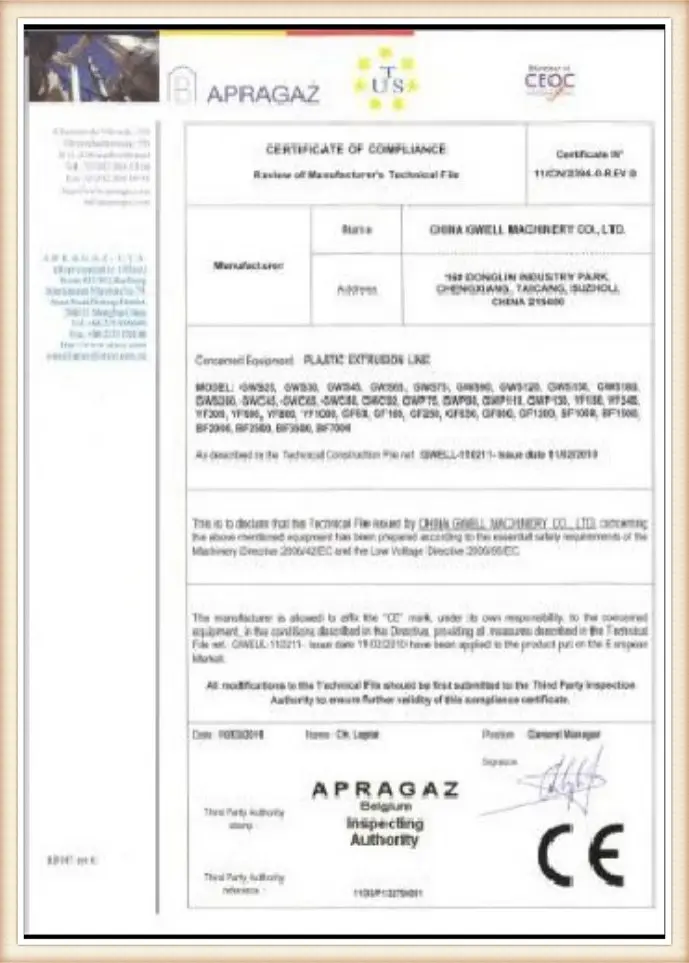
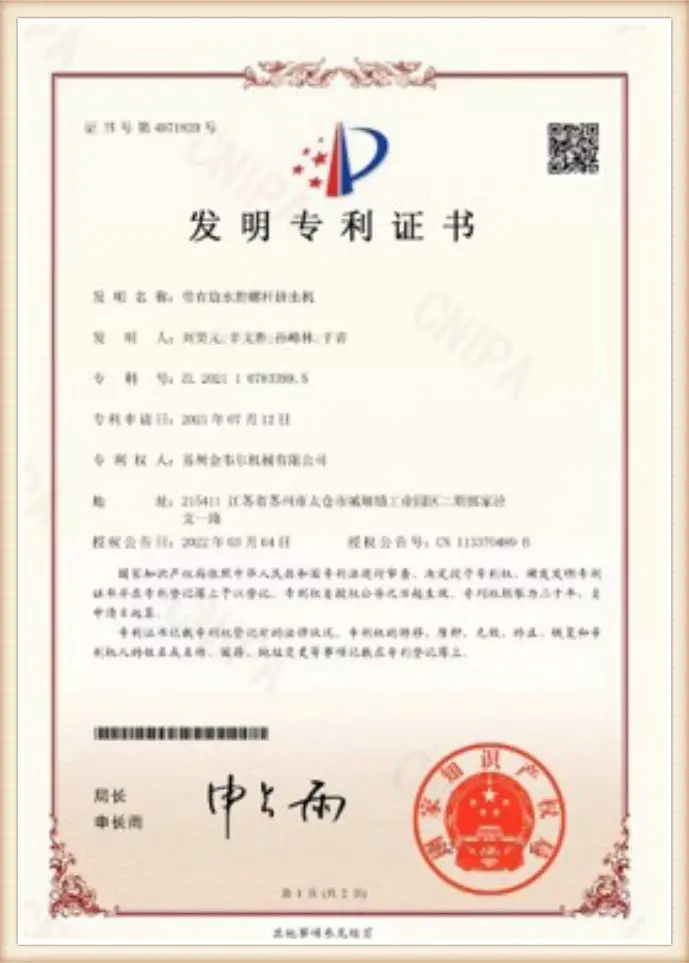
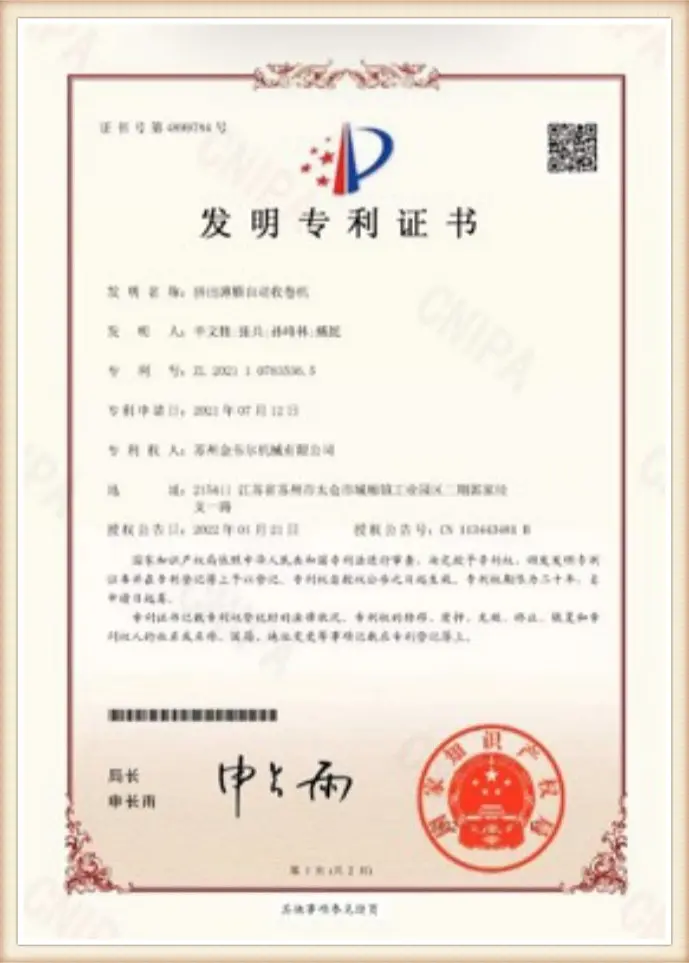
Gwell maintains ISO9001 and CE certifications across all bases. Our precision machinery is widely recognized and trusted by leading companies worldwide.

Explore our industrial range of high-efficiency laminating and cast film production systems for clean energy and automotive applications.
Leverage the design engineering, strong manufacturing capacity, and complete commissioning support of China Gwell. Consult with our engineering experts today to receive custom drawings, material test trials, and comprehensive system quotes.
Request Custom Machinery Quote