Optimized configurations engineered to meet the stringent thickness tolerances, rapid material changes, and high structural properties demanded by Canadian auto, packaging, and energy companies.
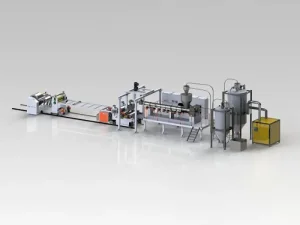
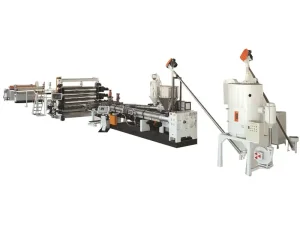
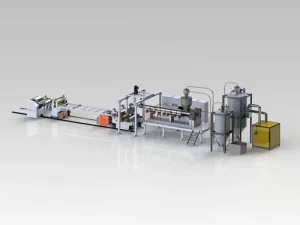
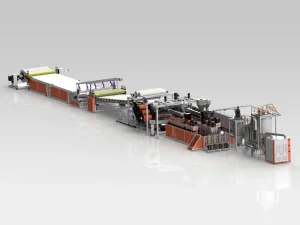
Canada’s manufacturing landscape is undergoing a major evolution. Driven by strict federal sustainability mandates like the Single-Use Plastics Prohibition Regulations (SUPPR) and ambitious net-zero targets, domestic manufacturers in Ontario, Quebec, and British Columbia are modernizing their extrusion facilities. The demand is shifting away from basic single-layer machines toward advanced, multi-layer co-extrusion technology capable of processing high-recycled-content resins (PCR), bio-based polymers (like PLA), and specialized barrier materials.
Our engineering division designs customized sheet extrusion configurations that directly address local challenges. These include fluctuating winter climates affecting raw resin storage humidity, rising electrical consumption costs, and strict provincial safety rules. By integrating precise temperature control systems, energy-efficient screw designs, and closed-loop scrap recycling systems, we help Canadian converters remain competitive in a changing market.
Plastics processing in Canada requires precise raw material conditioning. Sub-zero temperatures in winter lead to condensation on resin pellets inside storage silos. Our extrusion lines come equipped with energy-efficient desiccant air dryers and dehumidifying systems. These systems guarantee that high-hygroscopic resins like PET and PLA reach the extrusion throat with moisture levels below 50 ppm, preventing hydrolytic degradation and maintaining melt strength.
Modern co-extrusion is defined by layers. Multi-layer feedblocks (A/B/A, A/B/C/B/A, or up to 7 or 9 layers) allow processors to sandwich inexpensive recycled core materials (RPET or HIPS) between thin outer layers of virgin polymer. This setup preserves surface properties and food-safe qualities while lowering raw material costs by up to 40%.
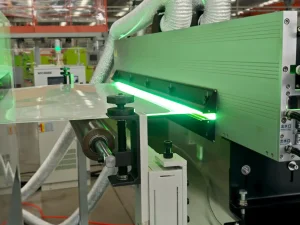
By pairing automatic T-Dies with beta-ray or laser thickness-measuring systems, our equipment automatically adjusts thermal bolts across the die lip. This process keeps transverse thickness variations within a strict ±1% limit, saving material during long production runs.
Different polymers demand distinct thermo-rheological profiles. Our custom screw geometries and downstream processing systems are tailored for highly specific raw material families.
PET and PLA are highly sensitive to thermal degradation and shear stress. Our custom screw profiles ensure gentle plasticization at low temperatures. In addition, multi-vent vacuum degassing ports bypass the need for intensive pre-drying cycles, preserving polymer chain length and maintaining high melt viscosity.
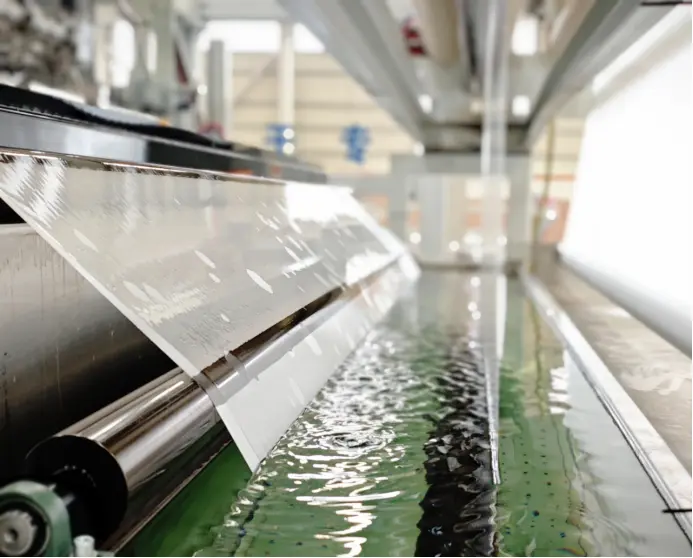
High optical clarity and impact resistance are essential for construction barriers, greenhouse sheeting, and automotive laminates. Our triple-roll calendars feature dedicated hydraulic nip systems and internal water cooling networks to prevent surface defects, cooling lines, and internal stress buildup.
Widely used by automotive Tier-1 part suppliers in southern Ontario, these elastomeric matrices require precise shear dispersion. We utilize twin-screw co-rotating compounding systems that blend mineral fillers, rubbers, and polymers in a single step, cutting capital costs and energy use.
| Polymer Class | Target Applications in Canada | Critical Extrusion Technology Applied | Expected Line Throughput (kg/h) |
|---|---|---|---|
| PET / APET / PETG | Thermoformed thermo-cup lids, blister clamshell packaging, fresh food trays | Infrared rotary drum crystallization, twin-screw degassing (no pre-dry), hydraulic screen changer | 400 - 1200 kg/h |
| PLA / Bio-polymers | Compostable food service containers, agricultural mulching covers | Low-shear barrier screw design, ultra-precise temperature control zones (±0.5°C) | 300 - 800 kg/h |
| ABS / HIPS / PVC | Refrigerator liners, heavy industrial trays, construction cladding, luggage panels | A/B/A co-extrusion feedblock, double-sided embossing rolls, corona discharge system | 500 - 1500 kg/h |
| PC / PMMA / Optic | Soundproofing highway barriers, structural skylights, clear optical display screens | Class-100 clean-room calender housing, ultra-precise roll hydraulic loading, dust-free shear cutting | 200 - 600 kg/h |
Beyond sheet systems, we engineer matching downstream machinery, thin film lines, and green solar encapsulation systems designed for high uptime in northern industrial environments.
Designed for high-speed production of stretch films, breathable membranes, and barrier films (e.g., PVDF, TPU, and PEVA formulations).
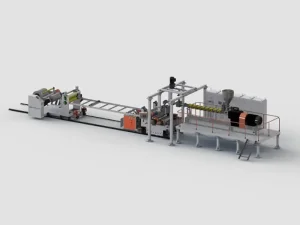
Heavy-duty systems for thick sheets (up to 50mm) used in building panels, marine plastic plywood, and structural structural parts.
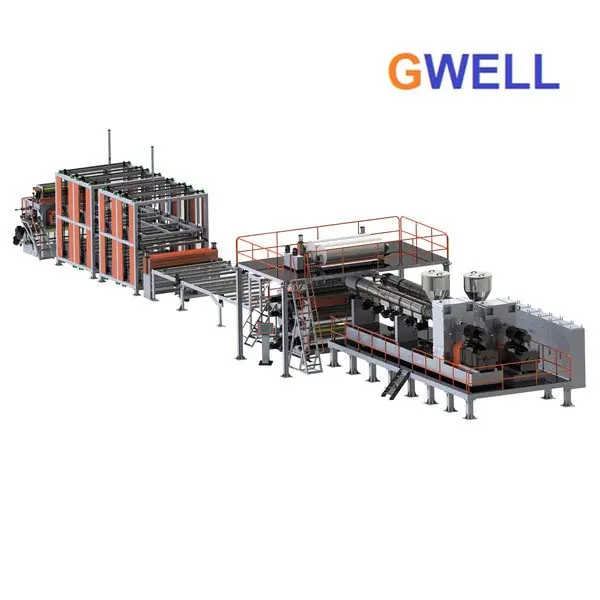
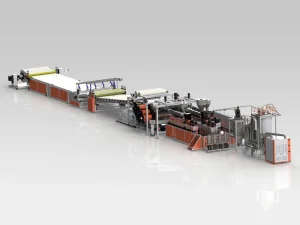
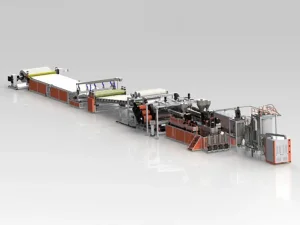
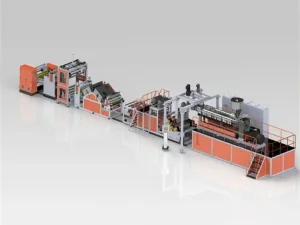
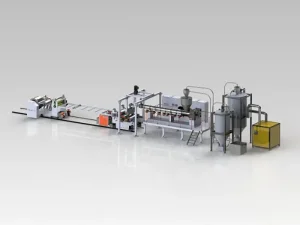
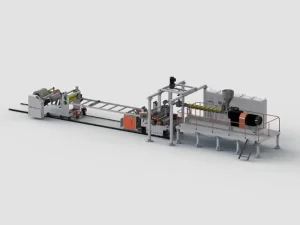
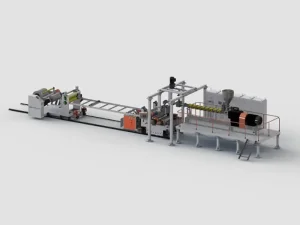
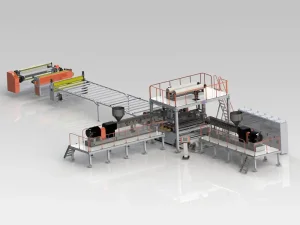
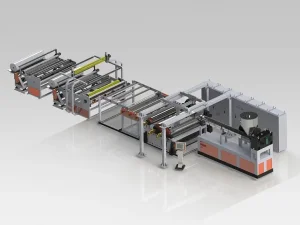
Multi-layer precision sheet equipment for packaging thermoforming, automotive interiors, and optical sheet markets.
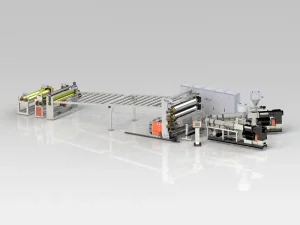
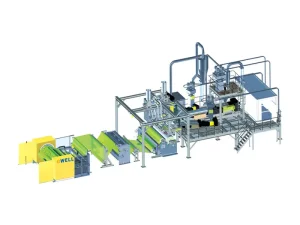
Advanced lines for producing EVA, POE, and PVB thin films used in solar modules and architectural safety glass.
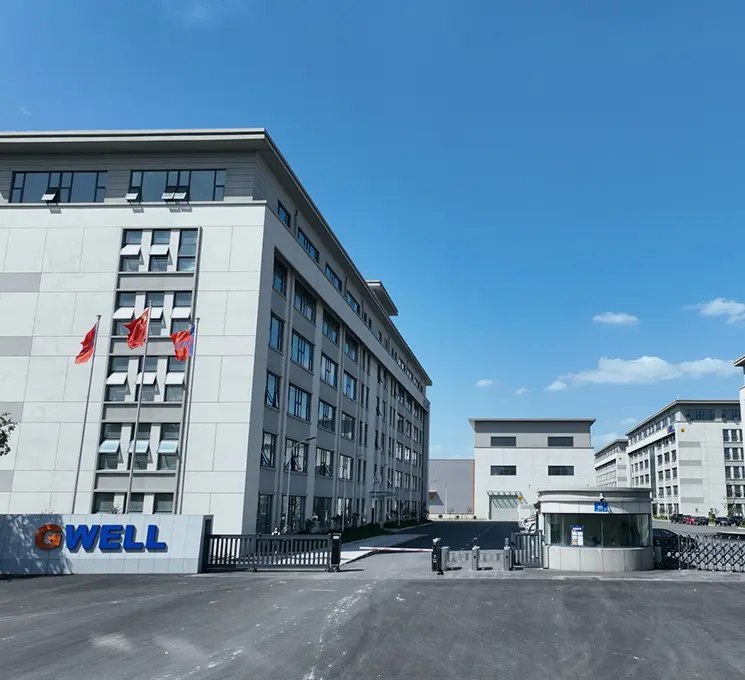
China Gwell Machinery is a high-tech enterprise dedicating to the manufacture of plastic extrusion lines for Film, Sheet and Profile. Relying on the powerful technology and equipment of group and innovative spirit , GWELL commits to the development of high-tech products and international market. “Expertise creates customers’ values” has always been the company’s operating philosophy.
We operate three production bases, producing over 1,000 advanced extrusion lines each year. For our Canadian partners, this means reliable delivery, high manufacturing capacity, and customizable screw and barrel setups designed to process specific local resin brands.
Procuring high-value assets across borders requires strict technical coordination. We align our manufacturing processes with Canadian standards to ensure seamless operations.

Collaborative projects with leading universities and research institutes keep our screw designs, thermal distribution models, and automation platforms at the forefront of the industry.

From factory layout design and mechanical drawings to on-site assembly, commissioning, and operator training, we provide complete lifecycle support.

Three advanced manufacturing bases ensure we can build and deliver even complex, multi-extruder co-extrusion configurations on schedule.

Our machinery operates in Europe, North America, Southeast Asia, and South America, giving us deep experience with local power systems and safety rules.

With over 100 dedicated R&D engineers, we customize feedblock geometry, calender roller configurations, and mechanical structures to fit your factory layout.
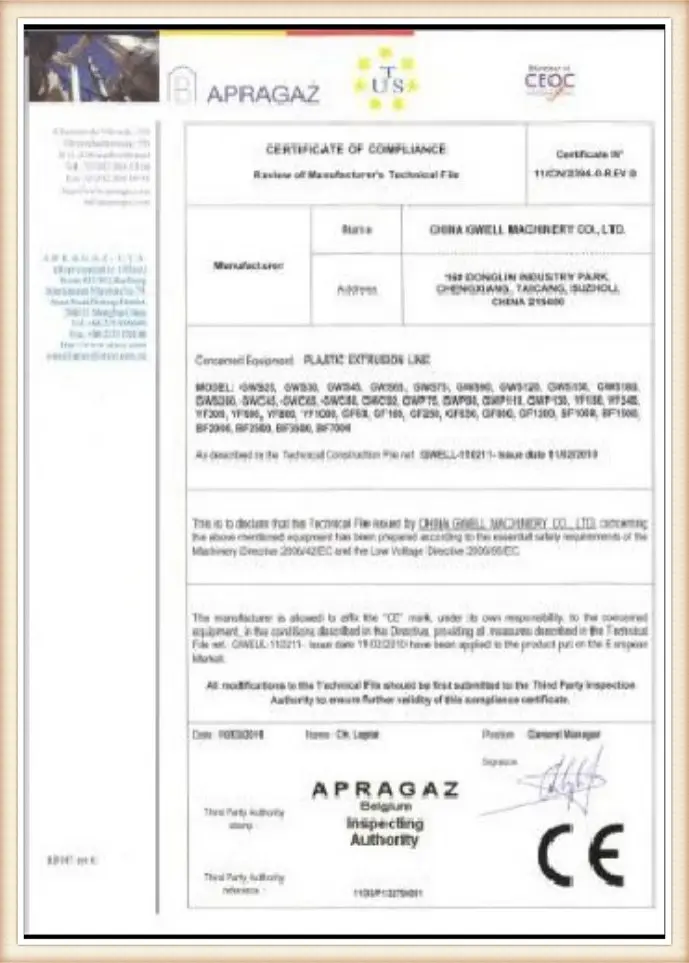
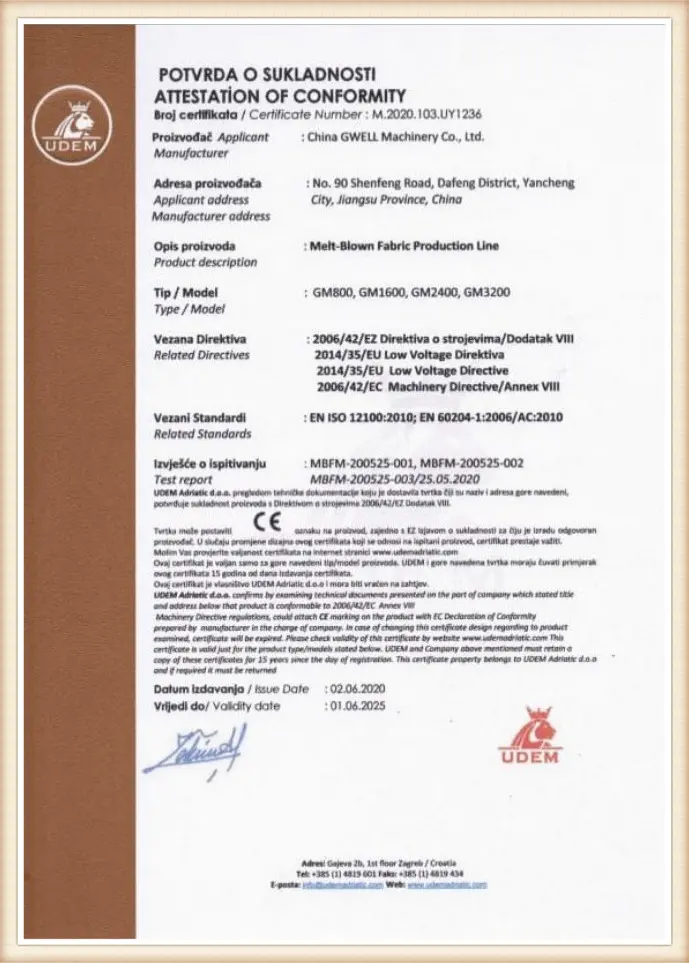
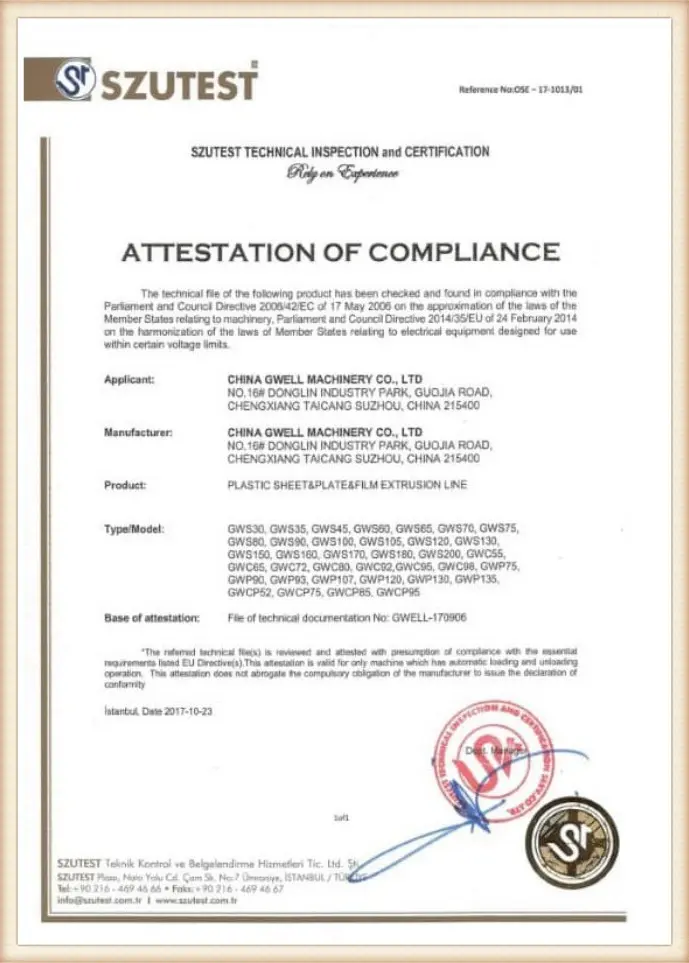
Deploying major industrial equipment in Canada requires strict adherence to local safety and electrical standards. Industrial extruders draw substantial currents and use high-wattage heating zones. Because of this, importing machinery without the correct certifications can lead to failed local inspections, delayed commissionings, and voided property insurance.
All machinery destined for Canada can be pre-configured and documented to comply with the Canadian Electrical Code (CSA C22.1). We work with accredited third-party field inspection agencies to inspect, test, and apply safety approvals (such as SPE-1000 labels) prior to shipping or directly on-site during installation. This covers:
Provinces like Ontario, Quebec, and British Columbia offer energy-efficiency rebates to manufacturers upgrading to modern machinery. Our extruders feature high-efficiency AC motors, optimized screw profiles that minimize heat friction, and insulated ceramic heating jackets. These features help cut energy use and make installations eligible for local utility incentives.
Our automation systems are built on standard industrial Ethernet protocols (EtherNet/IP, PROFINET, Modbus TCP). This allows our engineers in China to securely access control systems remotely, troubleshoot software settings, analyze roll speeds, and update control parameters without waiting for field technicians to travel on-site.
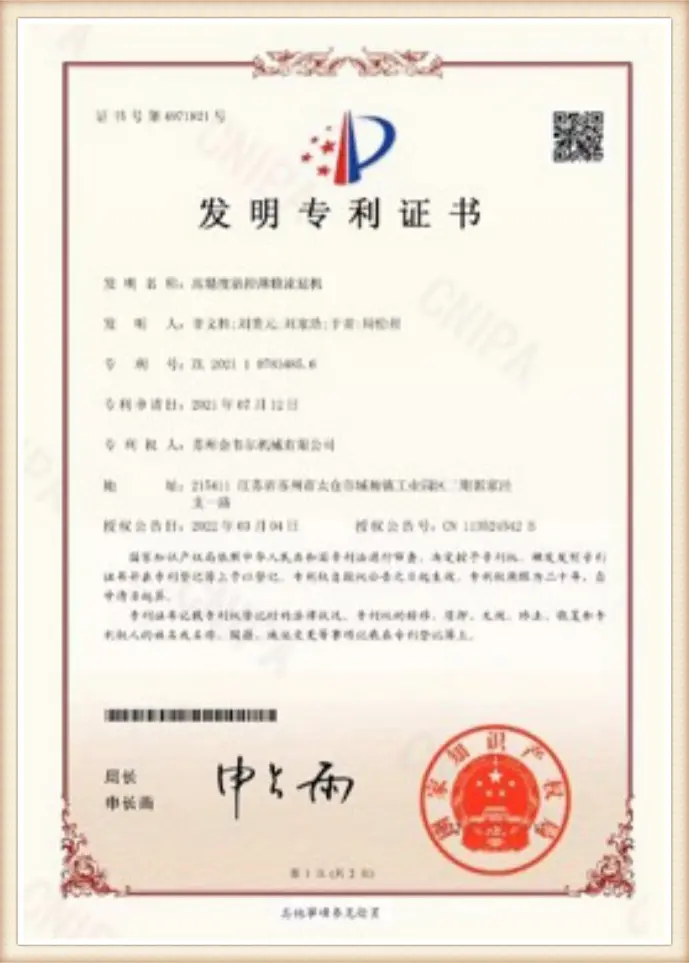
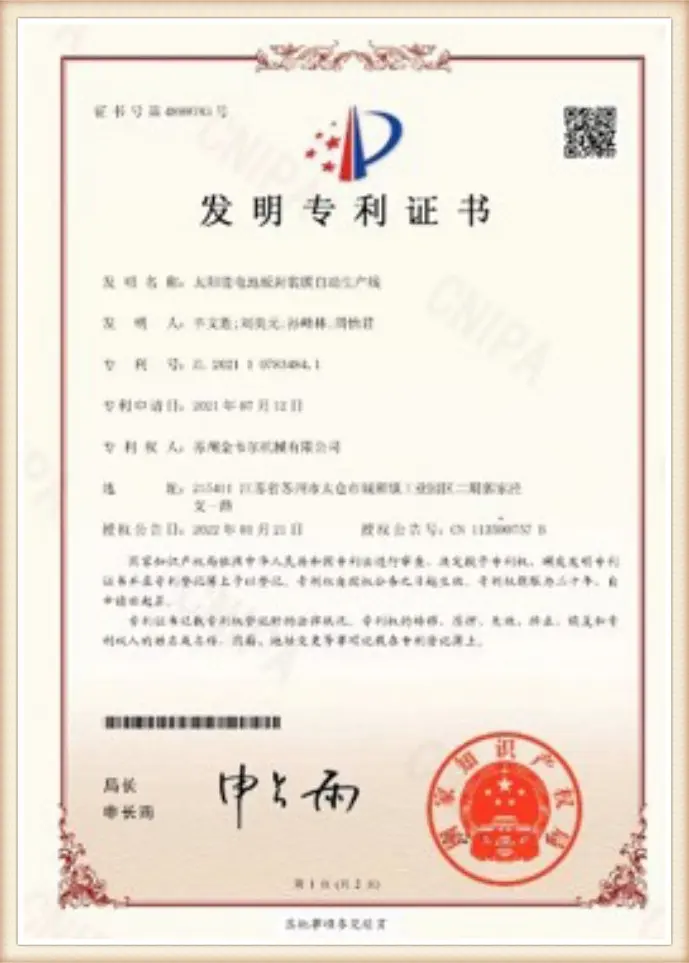
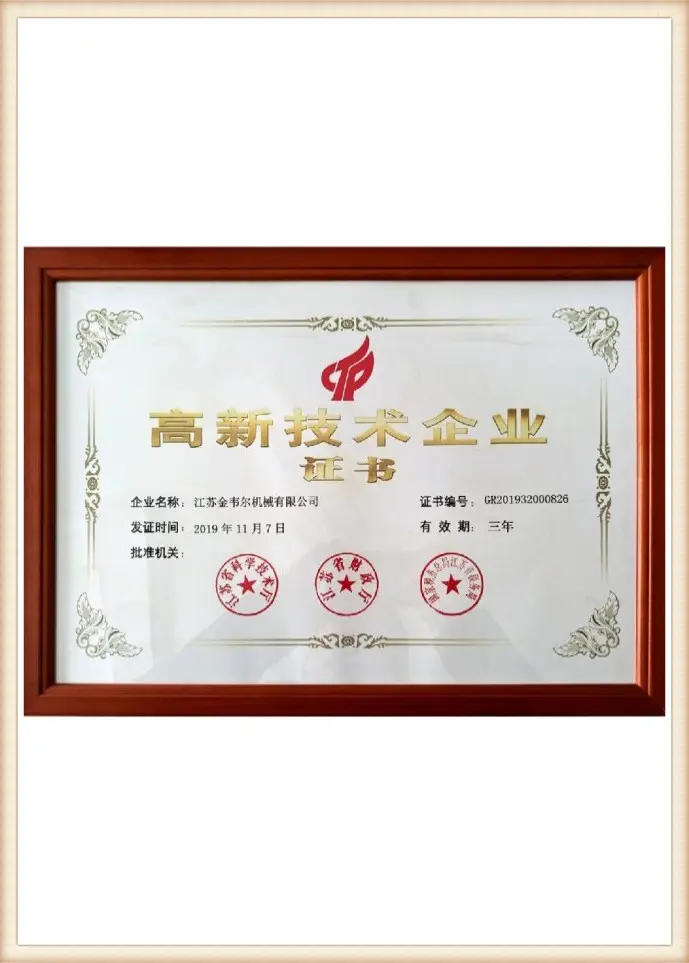
Our manufacturing sites operate under strict quality management systems to ensure consistent performance, durability, and safety across all delivered machinery.
Stay informed on the latest trends in polymer extrusion, material developments, and dynamic processing configurations.
Discover our latest co-extrusion feedblock designs engineered to handle high-recycled-content polymer matrices with minimal layer thickness variation.
A close look at processing polyolefin elastomers for high-durability, VOC-free automotive interior coatings and synthetic materials.
Explaining the precision controls required to extrude non-uniform profiles for automotive Head-Up Display (HUD) interlayer applications.
From medical-grade bio-compatible polymers to heavy-duty building materials and automotive safety glass films, we manufacture specialized systems that meet strict industrial standards.
Common operational and procurement questions asked by plant managers, project engineers, and procurement directors in the Canadian plastics sector.