
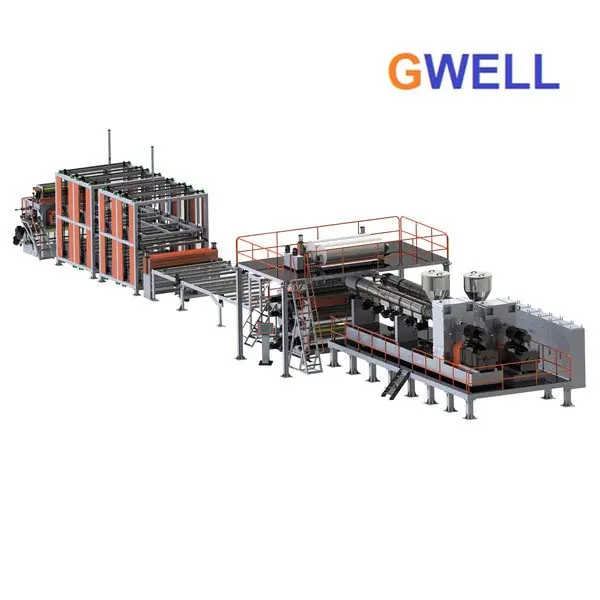
Premium specialized manufacturing equipment engineered to deliver precise thickness, maximum throughput, and compliance with strict Japanese automotive quality standards.
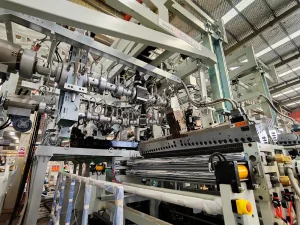
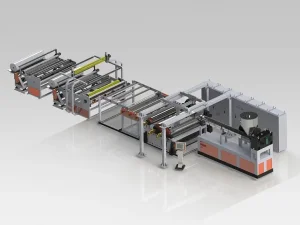
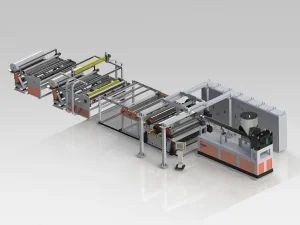
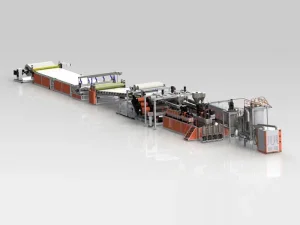
The Tokyo automotive cluster, encompassing surrounding prefectures such as Kanagawa, Saitama, and Tochigi, remains a global powerhouse for automotive engineering and supply chain design. As Japanese original equipment manufacturers (OEMs) aggressively transition toward electric vehicles (EVs) and zero-emission goals under the national Green Growth Strategy, the demand for high-performance, lightweight, and low-VOC (volatile organic compound) interior materials has reached unprecedented heights.
Traditional manufacturing paradigms are being replaced by co-extrusion technology capable of processing advanced thermoplastic elastomers (TPE/TPO), polyurethane (TPU), and multi-layer functional composite sheets. These materials form the basis of next-generation instrument panels, door trims, acoustic barriers, floor mats, and window interlayers. To maintain cost competitiveness and rapid development cycles, Tokyo-based tier-1 automotive suppliers are increasingly partnering with leading specialized Chinese extrusion line exporters like Gwell, leveraging world-class machinery customization and robust supply chain integration.
Designing and running a vehicle interior sheet extrusion line requires deep metallurgical knowledge and flow channel simulation expertise. Different interior components rely on specialized chemical matrices to achieve distinct physical and mechanical properties:
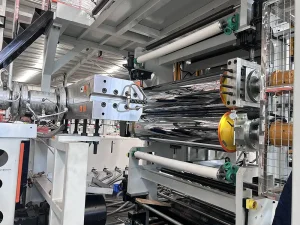
Automotive cabin air safety standards in Japan (complying with JAMA guidelines) demand minimal VOC emissions. Gwell's vehicle interior sheet extrusion lines feature high-vacuum venting systems with multi-stage liquid-ring vacuum pumps to strip residual monomers and volatile compounds from the polymer melt. Additionally, our chrome-plated three-roller calenders feature independent temperature control and micro-gap adjustments (accurate to 0.005mm) to secure uniform cooling and embossed grain consistency.
Sourcing large-scale extrusion machinery from China offers substantial economic and technical advantages when backed by an enterprise of Gwell's scale. Our operations translate directly into measurable value for global procurement departments:
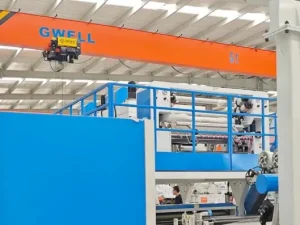
1. Unmatched Scaling and Vertical Integration: Spanning three modern manufacturing facilities in Jiangsu and Zhejiang provinces, Gwell possesses the machine tools, heat treatment chambers, and heavy assembly halls needed to construct complex lines from raw castings to finished automation software. We do not rely on third-party sub-contractors for critical line elements like screws, barrels, and T-dies.
2. Cost-to-Performance Ratio: By sourcing raw steel locally and streamlining machining flows in our 866,000 sqm facilities, we deliver extrusion lines at a highly competitive capital cost compared to domestic Japanese or European equipment suppliers. This allows Tokyo-based Tier-1 and Tier-2 manufacturers to allocate capital budgets more effectively, lowering project payback times and increasing operational margin buffers.
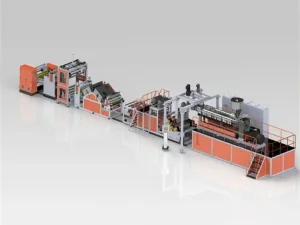
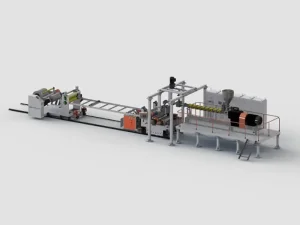
3. Deep Technical Customization: Every automotive manufacturer maintains proprietary compound formulations. Gwell’s R&D department works directly with client engineering teams to build custom screws, adapt venting structures, and design customized downstream handling gear (such as cutting, stacking, and surface lamination units) to fit into existing production floor footprints.
Exporting machinery to Japan requires strict adherence to local industrial standards and rigorous engineering practices. Gwell has structured its engineering and export practices to align with Japanese expectations:
For procurement officers in major automotive manufacturing hubs, investing in a vehicle interior sheet extrusion line represents a long-term capital commitment. Maximizing Return on Investment (ROI) depends on optimizing both initial capital expenditure (CapEx) and long-term operating costs (OpEx):
By integrating high-efficiency induction heaters, optimized thermal insulation jackets, and energy-recovery motor drives, Gwell lines consume 15% to 20% less energy than standard models. Advanced PLC software tracks real-time power consumption, roll speeds, pressure spikes, and material yield metrics, giving floor managers the data needed to reduce scrap rates and run continuous, automated production shifts.
Explore our specialized range of plastic extrusion lines engineered for automotive, packaging, solar, and construction applications.
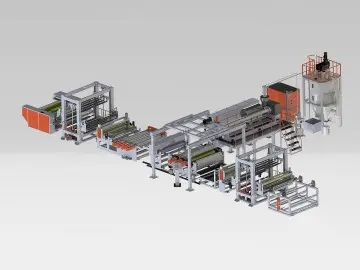
Designed for high weatherability film production, ideal for outdoor panels and automotive exterior applications.
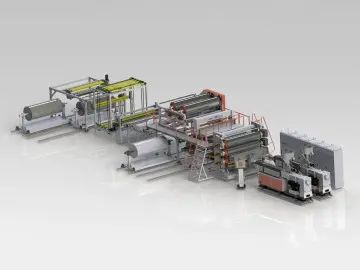
Highly precise extrusion system for medical, fabric lamination, and automotive protective films.
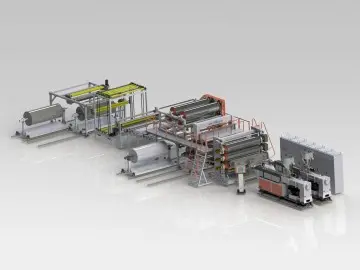
Produces versatile, high-stretch TPU films with precise thickness control and surface tension.
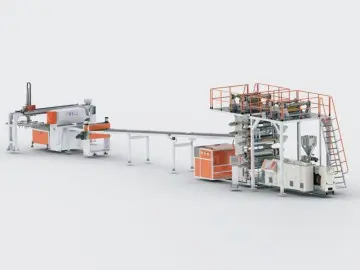
Robust extrusion systems for structural, construction, and high-density composite flooring panels.
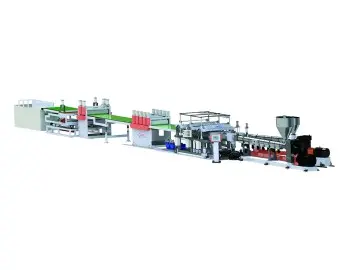
High-efficiency system producing reusable, high-strength construction formwork boards.
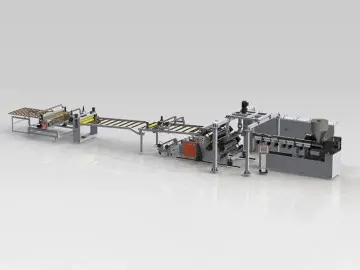
Specialized high-temperature extruder engineered for high-performance fluoropolymer materials.
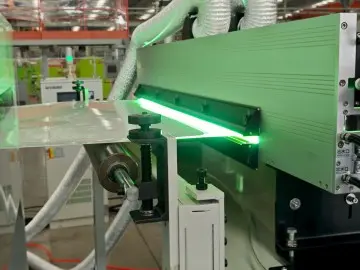
Excellent clarity and impact resistance for packaging, architectural panels, and device housings.
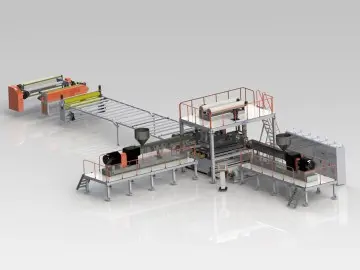
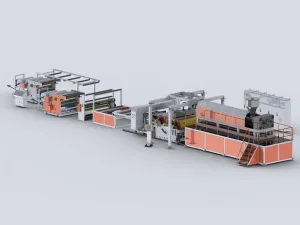
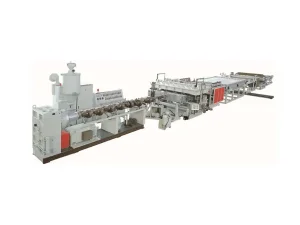
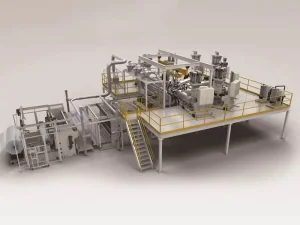
Designed for the automotive interior parts market, focusing on vacuum thermoforming applications.
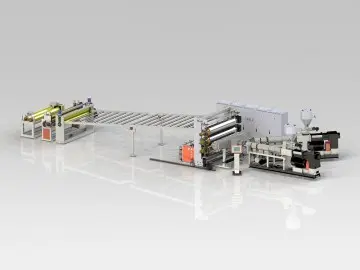
Optical grade sheet extrusion for shielding, screens, and window glaze materials.
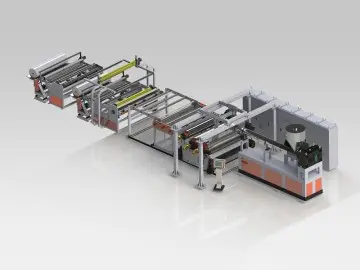
High structural integrity ionoplast film line for hurricane-resistant safety glass and solar modules.
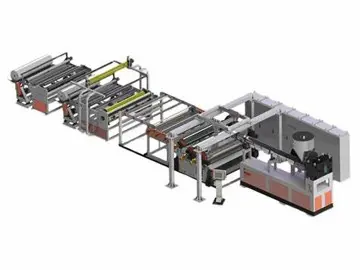
Advanced film lines optimized for high encapsulation performance and longevity in photovoltaics.
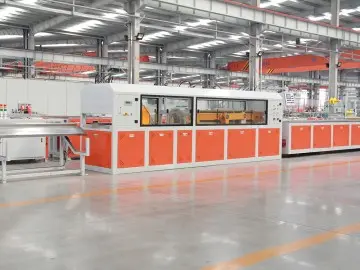
High strength composite frames replacing aluminum in modern, lightweight PV setups.
China GWELL Machinery is a high-tech enterprise dedicating to the manufacture of plastic extrusion lines for Film, Sheet, and Profile. Relying on the powerful technology and equipment of our group and an innovative spirit, Gwell commits to the development of high-tech products and global industrial markets. "Expertise creates customers' values" has always been the company's operating philosophy.
Connect with an Engineer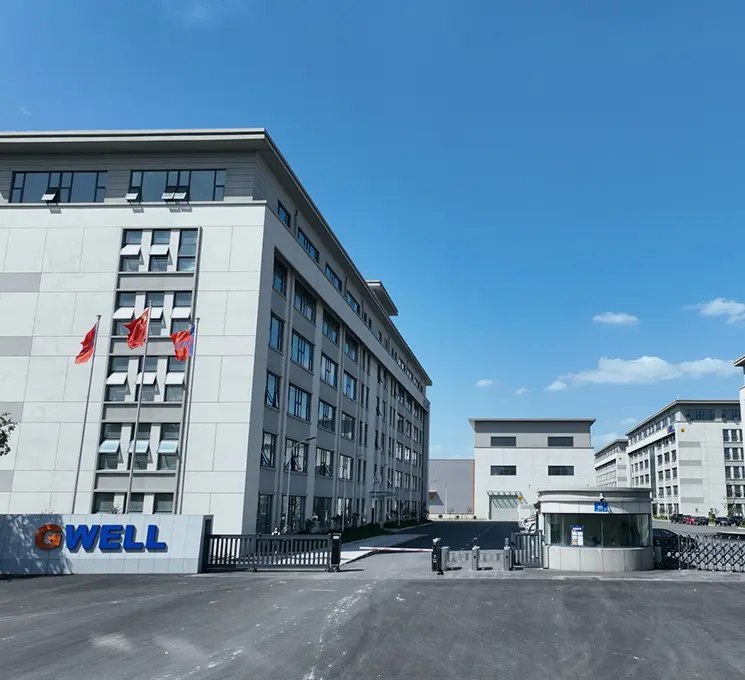
Gwell extrusion equipment meets international safety, energy efficiency, and operational standards required for global automotive supply integration.
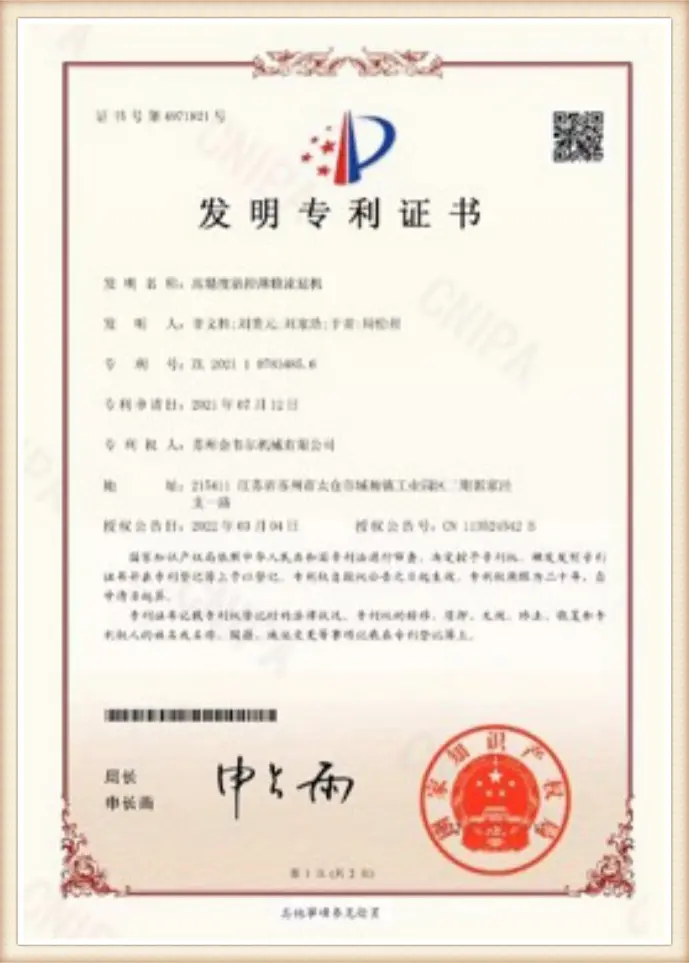
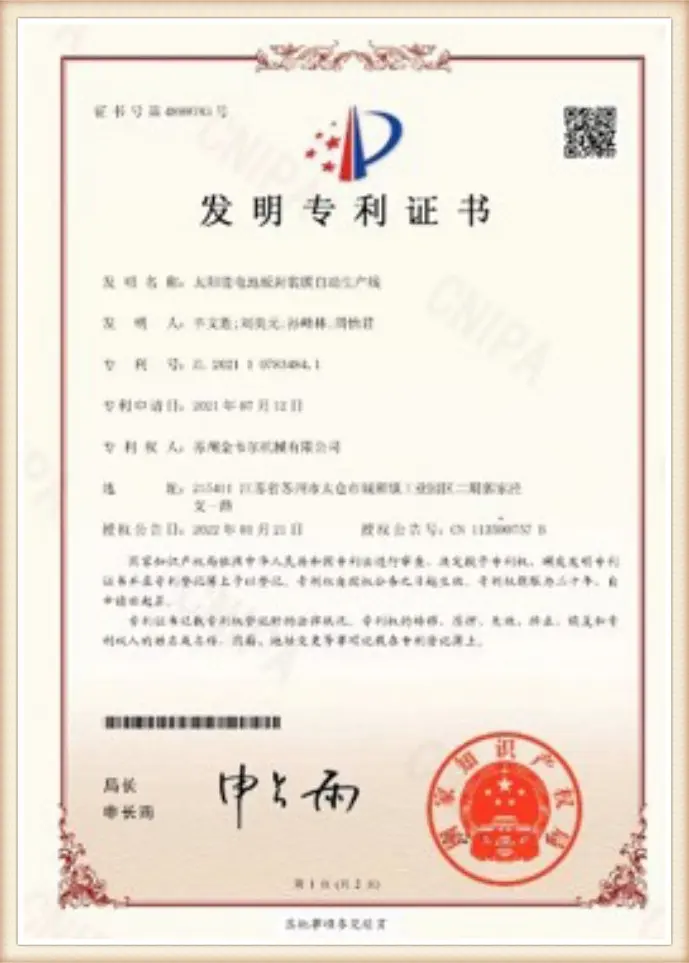
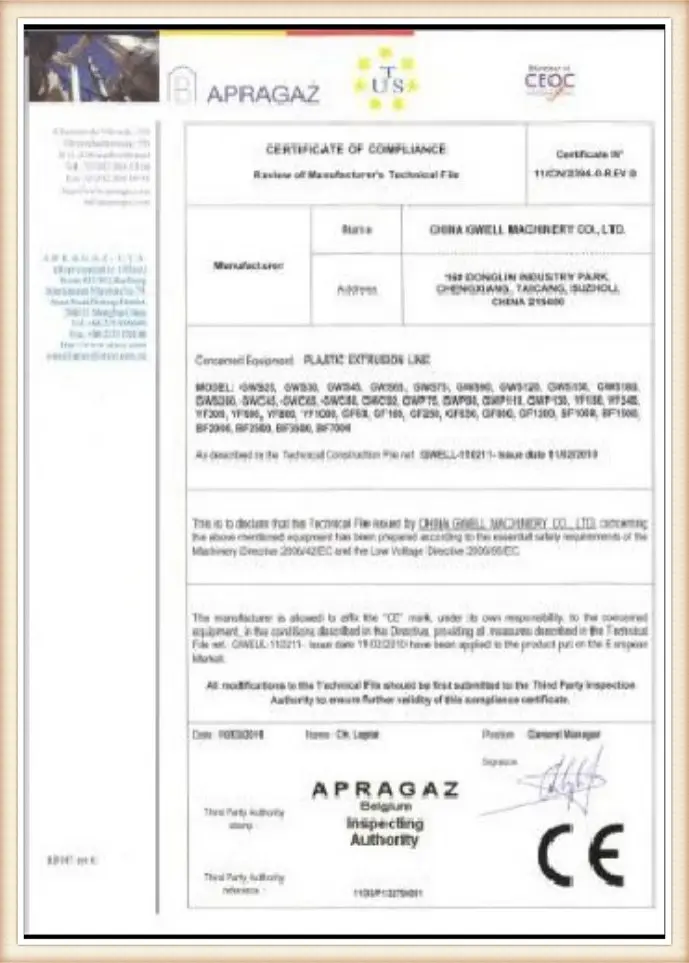
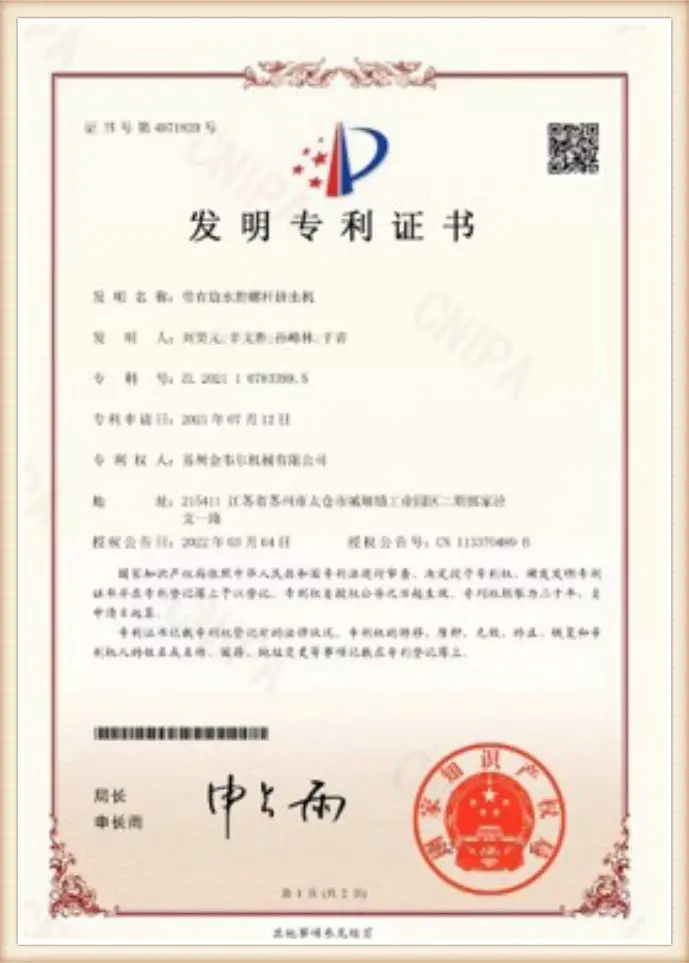
Combining world-class engineering, high capacity, and responsive global after-sales support.

Collaboration with top universities and research institutes to develop cutting-edge machinery.

Providing end-to-end service including design, layout optimization, installation, and tuning.

Three major production bases with an annual output capacity of over 1000 lines.

Over 500 total employees, backed by 100+ dedicated mechanical and process engineers.
Stay informed on machinery innovations, product launches, and updates on automotive interior processing trends.
Gwell showcases its brand-new POE leather extrusion line, designed for solvent-free, highly durable automotive seating material.
Read Article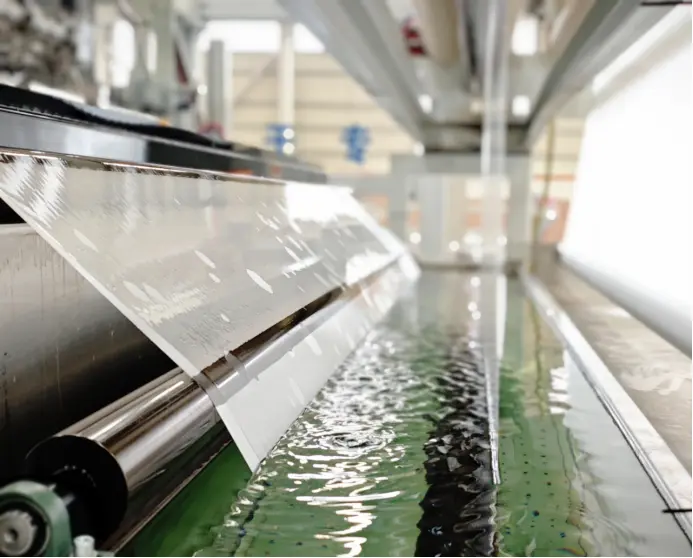
Addressing HUD display demands, Gwell optimizes PVB wedge thickness distribution, ensuring zero-defect optics for automotive glass.
Read Article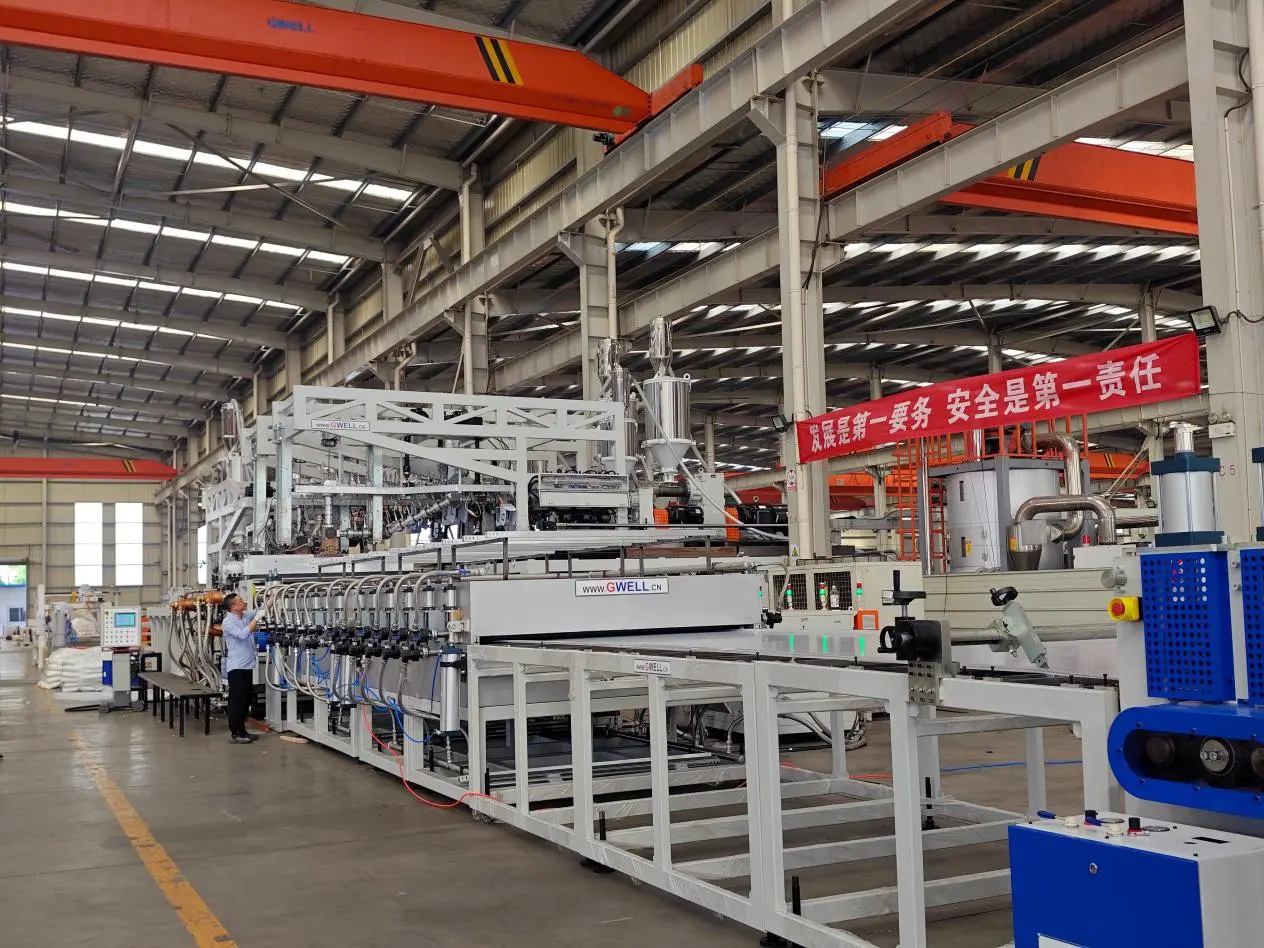
Discover our structural composite lines delivering high-strength, low-weight backing panels for vehicle trunks and headliners.
Read ArticleA: Our extrusion lines utilize automatic T-dies coupled with non-contact online thickness measurement systems (beta-ray or laser scan sensors). The closed-loop control system automatically adjusts the thermal expansion bolts of the die lip to correct deviation, keeping thickness tolerance under ±1% on a standard sheet of 1.5mm thickness. This is crucial for down-stream vacuum forming and lamination processes.
A: Yes. The screws are designed with specialized mixing zones and flight profiles to process up to 100% recycled scrap or regrind materials without compromising structural properties. We also supply gravimetric dosing systems that blend virgin resin, color masterbatches, and recycled materials accurately.
A: We install deep-vacuum venting systems with multi-point exhaust vents along the barrel. This design extracts moisture, monomers, and low-molecular-weight volatile organic compounds from the polymer melt prior to entering the die, meeting the strict interior air quality specifications mandated by Japanese OEMs.
A: For customized automotive sheet extrusion lines, the manufacturing period is between 90 and 120 days. Once factory-tested and approved by client inspectors, the line is disassembled, packed in heavy-duty maritime containers with anti-corrosive vacuum wrapping, and shipped directly to Yokohama, Tokyo, or Nagoya ports, with shipping transit times averaging 5 to 7 days from Shanghai or Ningbo.
A: We provide localized technical support through local field service agents in Japan and direct remote diagnostic assistance over secure VPN industrial gateways. If needed, mechanical and control engineers can be dispatched within 48-72 hours to help with maintenance, recipe tuning, and system upgrades.
Gwell collaborates with leading global raw material suppliers and electrical hardware providers to ensure equipment reliability.

Browse our additional industry-leading film and sheet machinery built for performance and durability.
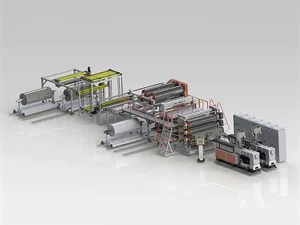
Get professional engineering designs, customized project calculations, and a comprehensive quote within 24 hours.
Send Inquiry Now