
Explore our leading industrial-grade extrusion technologies, custom engineered for global energy, composite sheet, and specialized packaging markets.
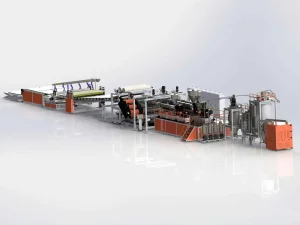
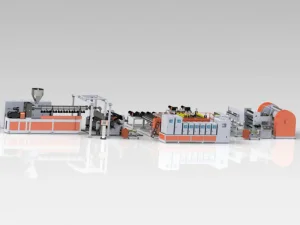
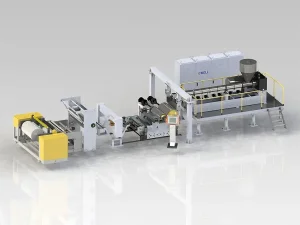
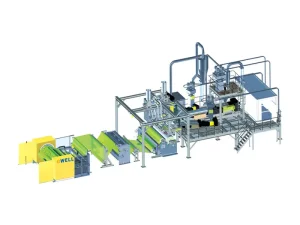
Understanding cost structures, thermodynamic parameters, and industrial scaling calculations.
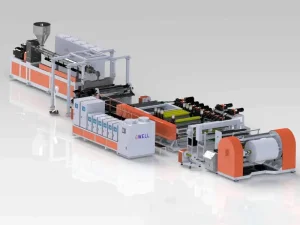
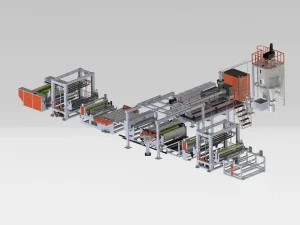
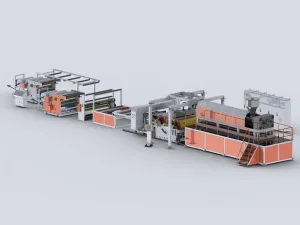
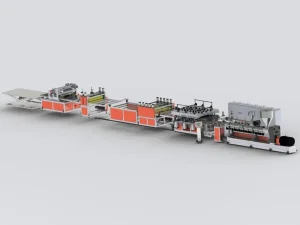
For modern plastics processors and thermoforming operations, purchasing a PET (Polyethylene Terephthalate) sheet machine represents a significant capital investment. The price of a PET sheet machine is determined not merely by steel tonnage and motor size, but by the complex mechanical engineering, controls integration, and structural output efficiencies configured within the line.
The total cost of ownership (TCO) relies heavily on operational parameters. Modern high-output lines utilize either a crystallization dehumidifying system coupled with a single screw extruder, or a direct twin-screw degassing/venting system. While a twin-screw system demands a higher initial capital expenditure (CapEx), it eliminates the energy consumption of crystallizing raw PET virgin resins or regrind material, saving up to 35% in utility costs (OpEx) annually.
A global procurement reference grid linking machinery size, structural output, component tiers, and estimated price ranges.
| System Capacity Class | Typical Extruder Configuration | Output Range (kg/h) | Sheet Thickness / Width | Key Component Tiers | Est. Price Bracket (FOB China) |
|---|---|---|---|---|---|
| Entry / Specialty Level | Single Screw (75-90mm) with Dryer | 150 - 350 | 0.15 - 1.2 mm / 800 mm | Siemens PLC, Domestic Melt Pump, JC-Times Die | $95,000 - $140,000 |
| Standard Production | Co-rotating Twin-Screw (75/28D) | 400 - 600 | 0.20 - 1.5 mm / 1000 mm | ABB Drives, Maag Melt Pump, JC-Times Auto-Die | $180,000 - $260,000 |
| Industrial High-Volume | Twin-Screw Venting (90/36D) | 800 - 1200 | 0.20 - 2.0 mm / 1200 mm | Siemens S7-1500, Dynisco Transducers, Nordson Die | $320,000 - $480,000 |
| Ultra-Speed Co-Extrusion | Multi-Extruder GAG/APET (A/B/A) | 1200 - 1500+ | 0.15 - 2.0 mm / 1500 mm | Total Automation closed-loop gauge, High-Vac venting | $500,000 - $750,000+ |
Analyzing precision engineering clusters, upstream raw material integration, and domestic component synergies.

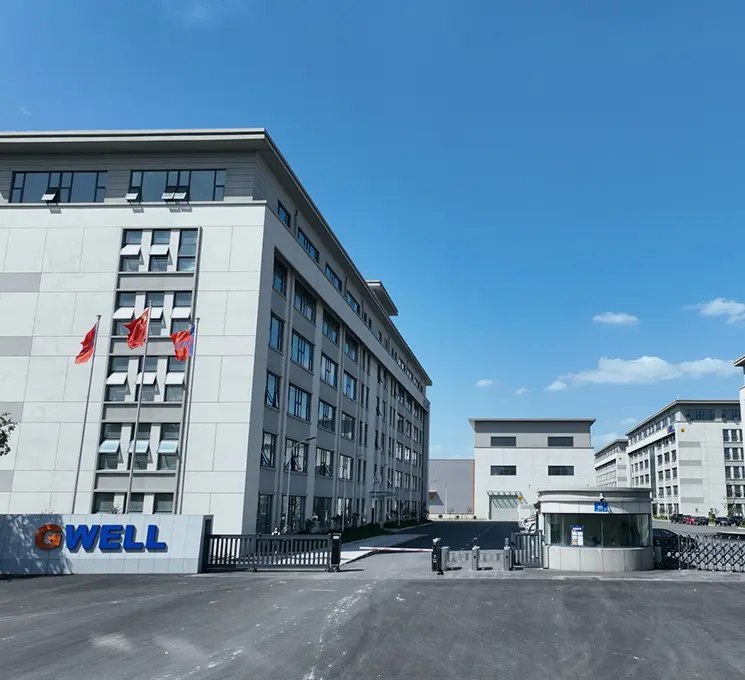
For international buyers calculating procurement dynamics, the geographic concentration of polymer processing machinery plants in East China (principally across Jiangsu and Zhejiang provinces) provides massive logistics and pricing efficiencies. China Gwell Machinery utilizes three advanced production bases spanning over 866,000 square meters to produce up to 1,000 extrusion lines annually.
This scale creates deep procurement cost-reduction effects for critical inputs like special nitrided steel, heavy calender rolls, and advanced electrical layouts. By collaborating with regional engineering universities and international chemical laboratories, Gwell bridges the gap between cost-effective execution and high-level material science research.
Operational frameworks configured to support global polymer processors and custom high-output installations.
Collaborating with universities and state labs to design specialized high-barrier co-extrusion feedblocks.
Direct, end-to-end commissioning support, standard layout design, and operational team training.
Three manufacturing bases with extensive tooling capabilities to ensure swift container delivery schedules.
Strategic coastal positioning provides direct container routes to Europe, North America, and ASEAN hubs.
Over 100 dedicated technical engineers specialized in multi-layer structures and custom downstream setups.
Navigating factory compliance, engineering installations, safety certifications, and localized maintenance protocols.
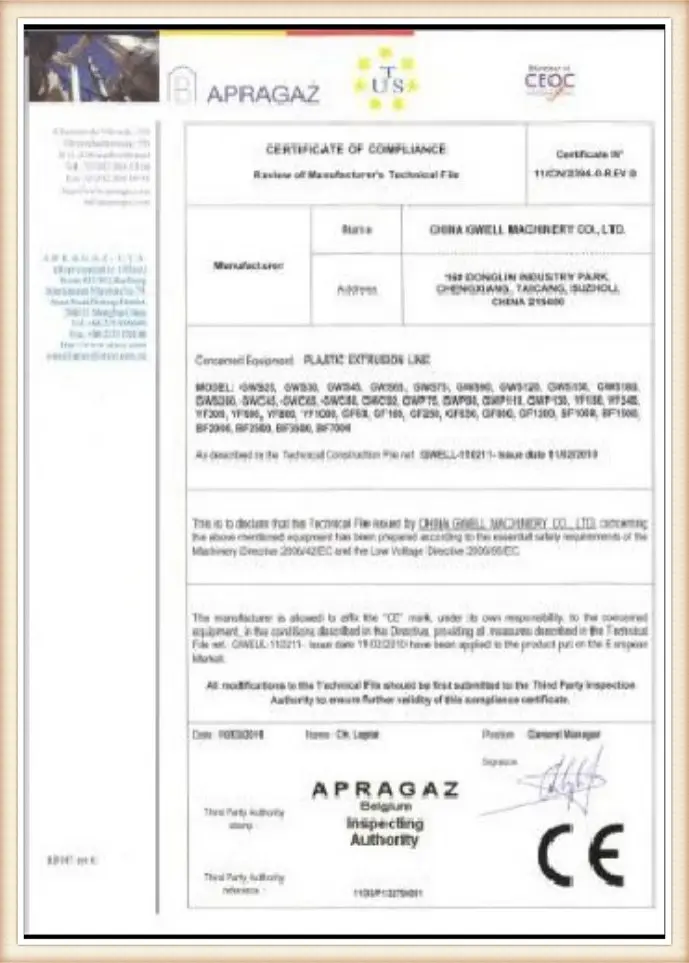
For industrial purchasing directors located in the European Union, North America, or Japan, purchasing machinery involves satisfying strict regulatory frameworks. Heavy equipment like plastic extruders, vacuum pumps, calender stations, and high-frequency cutters must align with localized machinery directives. Safety of electrical and thermal systems is essential to pass municipal workplace site checks.
Global operations require reliable support structures. Gwell addresses safety and performance through targeted compliance and remote technical monitoring systems.
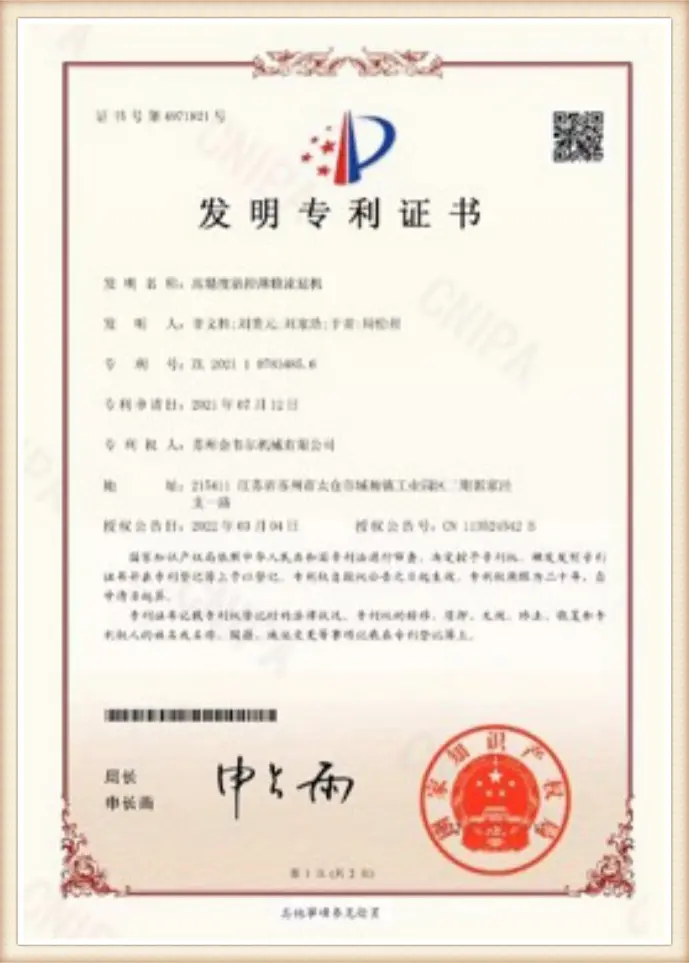
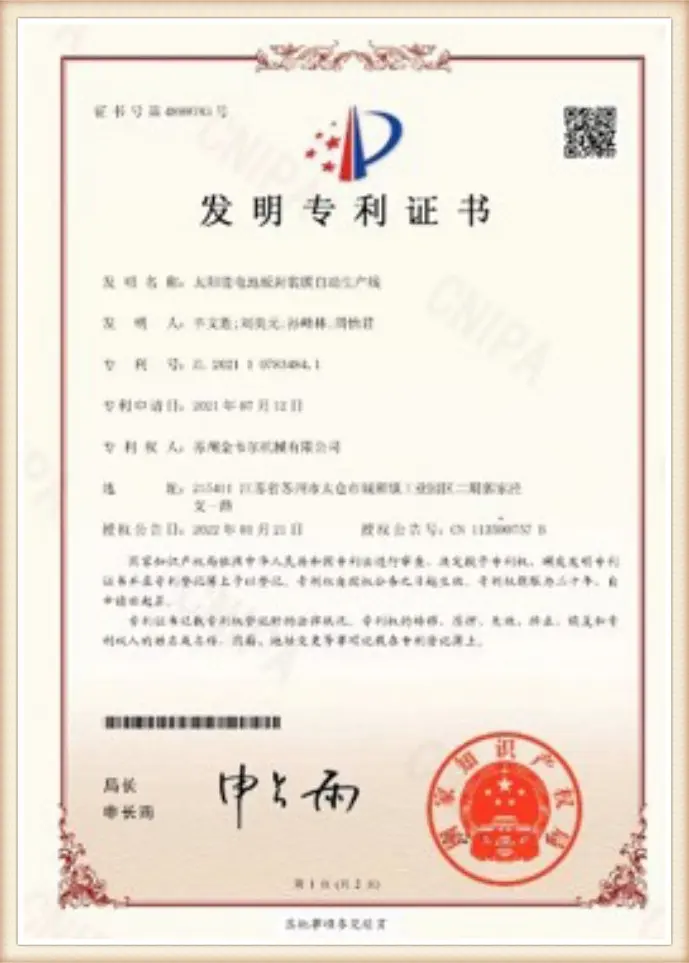
Our production facilities maintain strict quality management to ensure high machine precision and robust operations.
How the market is changing with bio-plastics, high-speed thermoforming, and new barrier films.
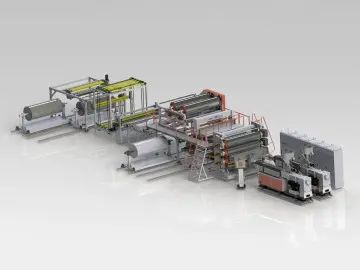
The applications for high-grade PET, APET, GAG, and PETG sheets extend across major packaging and industrial sectors. Clean-room food packaging demands rigid sheet profiles with low internal stress and consistent thickness, allowing high-speed thermoformers to cycle efficiently without producing pinholes or structural distortion.
Additionally, the shift toward sustainable packaging has driven investment in eco-friendly alternatives. Companies are upgrading standard PET lines to process biodegradable Polylactic Acid (PLA) sheets, or incorporating co-extrusion feedblocks to layer recycled PET between thin outer layers of virgin APET.
Expert answers addressing the primary technical, operational, and commercial questions raised during procurement.
Twin-screw venting systems use co-rotating screw assemblies alongside a high-vacuum venting zone (often pulling down to <100 Pa). This allows moisture and monomer gases to escape directly from the melt, eliminating the need for a separate, high-energy pre-crystallization dryer. This approach cuts energy consumption by up to 35%, while keeping IV (intrinsic viscosity) drop minimal. Single-screw systems, conversely, require the material to be thoroughly dried and crystallized beforehand to avoid hydrolysis during extrusion.
When running up to 100% recycled PET flakes, sand, metal particles, and structural contaminants will accelerate wear on standard components. Gwell addresses this by using nitrided screw barrels or bimetallic treatment options (cobalt/nickel-based alloys). Under typical conditions with proper filtration and magnetic separation, a bimetallic screw will process 8,000 to 12,000 tons of material before requiring re-sleeving or replacement.
High-precision extrusion lines use automatic T-dies fitted with thermal expansion bolts. These bolts are linked to a downstream beta-ray or laser thickness-measuring system. As the system identifies thickness variations, it adjusts power to the heater bolts to dynamically expand or contract the die lip, keeping thickness variations within a margin of ±1.5%.
Gwell offers complete factory setup support. Once the machine is built, we conduct testing with raw materials at our base. After shipment, our field engineers travel to the customer's site to manage assembly, commission electrical and water systems, calibrate the dies, and train the local operations team on safe start-ups and daily maintenance.
Explore our industrial configurations designed for PV modules, lightweight boards, and functional barrier applications.
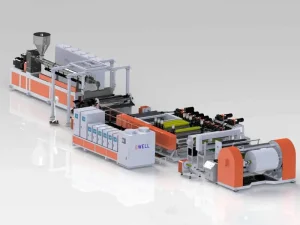
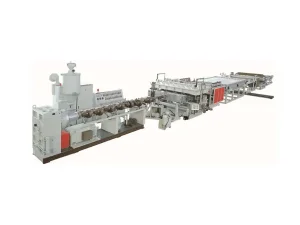
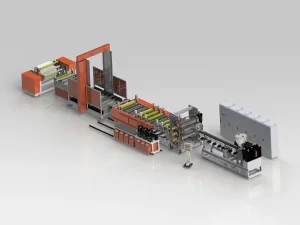
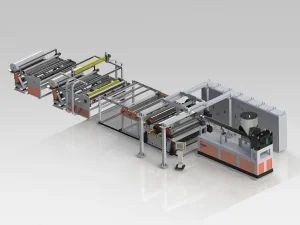
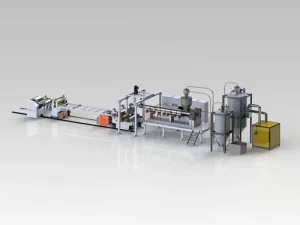
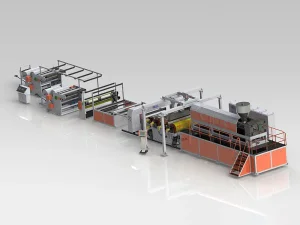
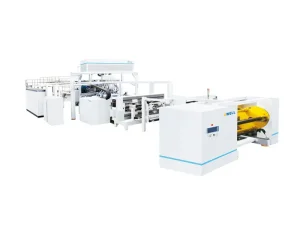
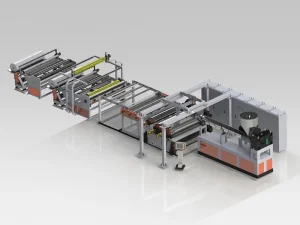
Discuss your direct extrusion line specifications, custom width configurations, layer layouts, and price requirements with Gwell's engineering team.
Send Technical Inquiry