
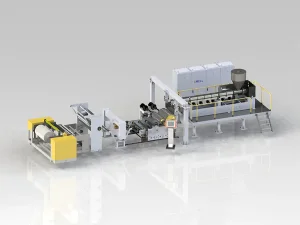
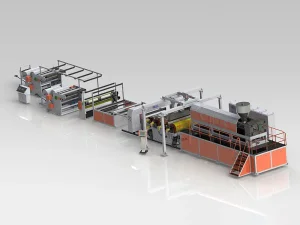
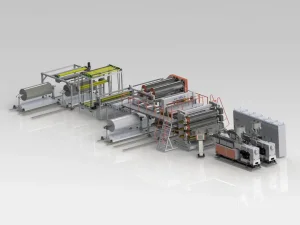
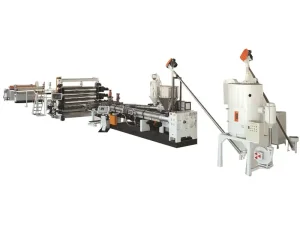
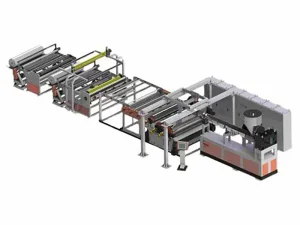
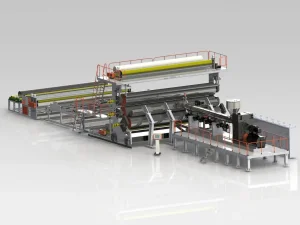
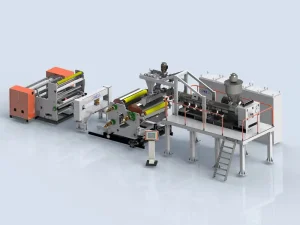
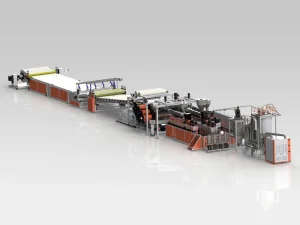
Polyvinyl Butyral (PVB) is the industry-standard polymer resin utilized extensively for structural glazing applications, photovoltaic encapsulation, and automotive safety glass. Because of its outstanding optical clarity, extreme adhesion toughness, high tensile elasticity, and impact energy absorption characteristics, PVB film has become indispensable in safety requirements globally.
Increasing demands for passenger comfort, high-safety criteria (ECE R43, ANSI Z26.1), and Head-Up Display (HUD) integrations dictate precise PVB wedge-shaped profiles to prevent double-image projections.
Modern commercial structural designs mandate laminated glass for structural windload compliance, UV protection, acoustic insulation, and thermal efficiency. Multi-layer extrusion delivers high architectural grade sheets.
Building Integrated Photovoltaics (BIPV) require encapsulation media like solar PVB that guarantee long-term UV resistance, absolute damp-heat insulation properties, and continuous adhesive strength under environmental loads.
The manufacture of high-grade PVB sheets is a complex, multi-phase thermal-mechanical polymer processing operation. Producing film that conforms to strict optical criteria requires eliminating raw material impurities, avoiding polymer degradation, maintaining constant gauge distribution, and managing internal stresses.
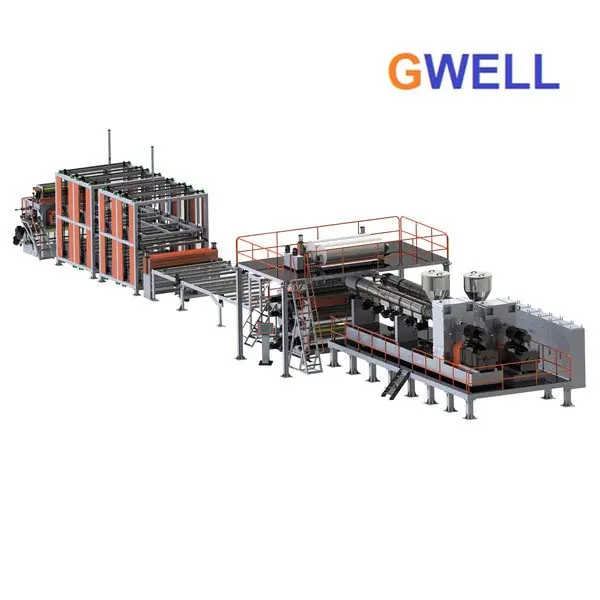
At the front end, precise combinations of PVB dry resin, plasticizer (commonly Triethylene glycol bis(2-ethylhexanoate) or 3G8), and processing stabilizers are dosed through a continuous gravimetric multi-component feeding system. Achieving high transparency requires exact ratio control, preventing color shifts, haze anomalies, or bubbles inside the molten profile.
Our processing lines utilize single-screw or co-rotating twin-screw extruders featuring optimized L/D ratios of 28:1 to 36:1. Low shear geometry prevents polymer degradation, while closed-loop barrel temperature zones, controlled by PID microprocessors, keep melt temperatures within strict limits. Melt pump systems guarantee a constant pressure delivery, shielding the flat-die face from hydraulic pulsations.
The extrusion die defines the initial dimension of the sheet. GWELL machinery features high-alloy clothing-hanger T-dies with automatic lip thermal-expansion bolt control linked to non-contact thickness scanner loops. For wedge-shaped automotive films (HUD applications), the die lips are custom-engineered to form a tapered thickness gradient across the width of the film, meeting high tolerance standards.
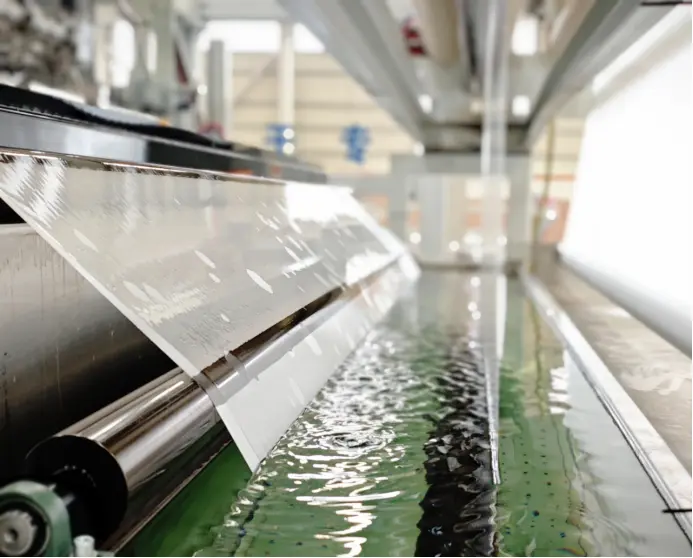
The molten sheet is cooled through structured calendering rollers that emboss a pattern onto both sides of the PVB film. This embossed micro-structure is critical: it prevents the sheets from blocking (sticking together) during storage and aids air escape during industrial glass lamination. The cooling system controls thermal stress, preventing shrinkage during transportation and warehousing.
| Performance Parameter | Architectural Grade Line | Automotive Grade Line | Acoustic / Solar Grade Line |
|---|---|---|---|
| Film Thickness Range | 0.38 mm - 1.52 mm | 0.76 mm - 1.14 mm | 0.38 mm - 1.52 mm |
| Thickness Accuracy | ± 0.015 mm | ± 0.005 mm (Wedge profile precision) | ± 0.010 mm |
| Roll Width Max | Up to 3600 mm | Up to 2400 mm | Up to 3000 mm |
| Cooling Mode | Water chilling / Calender roll | High-precision chill roll (Stress-free) | Dual-zone tempering roll |
| Line Speed Range | 3 - 15 m/min | 2 - 12 m/min | 3 - 12 m/min |
We provide specialized machinery solutions designed for distinct structural film applications, ranging from high-performance industrial sheets to advanced barrier films.
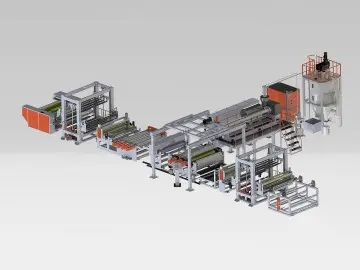
Designed by GWELL Machinery for high-performance weatherable polymers, delivering films with exceptional UV resistance and thermal stability.
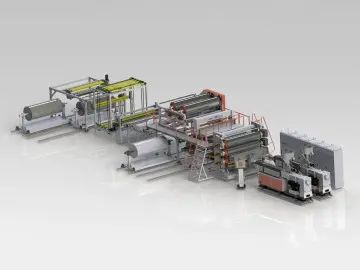
Processes thermoplastic polyurethane (TPU) for technical textile bonding, protective composites, and medical-grade barriers.
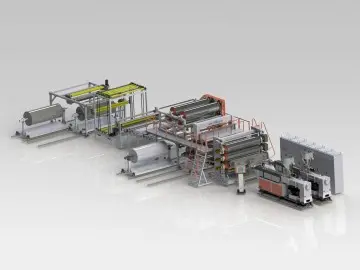
Engineered for high elasticity, clarity, and tear resistance across flexible industrial and consumer applications.
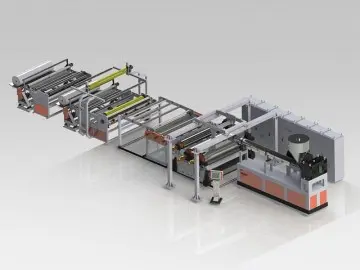
Optimized for processing fluoropolymer PVDF backplane membranes, providing an alternative to traditional PV films.
GWELL's advanced system for automotive windshield HUD layers, featuring precise taper control to prevent double images.
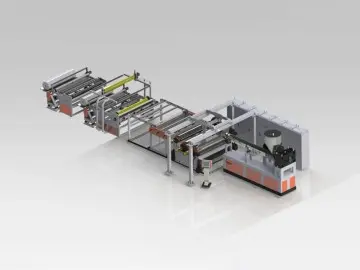
Integrates robust extrusion technology to produce safety interlayers for automotive and architectural laminated glass.
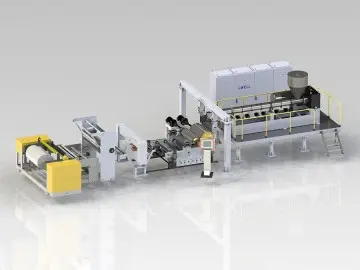
A specialized processing setup tailored for packaging single-dose laundry pods and agricultural chemicals safely.
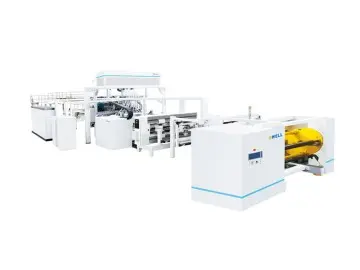
Processes polyimide (PI) materials for high-temperature electrical insulation and flexible electronics application.
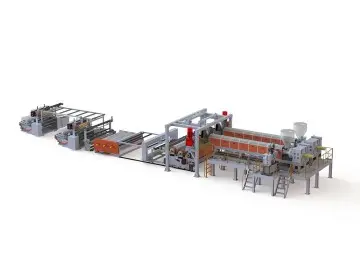
Designed by GWELL to process PEVA copolymers for flexible waterproof layers, consumer packaging, and industrial liners.
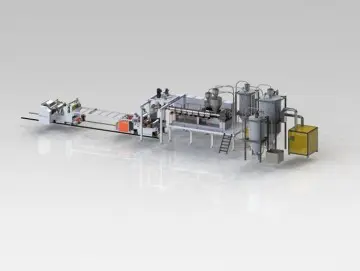
Delivers high-clarity decorative films, offering excellent printability and weather resistance for indoor panels.
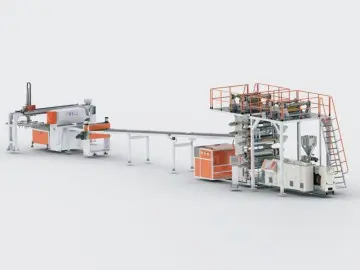
GWELL's advanced technology for wood-plastic and stone-plastic composite flooring and structural boards.
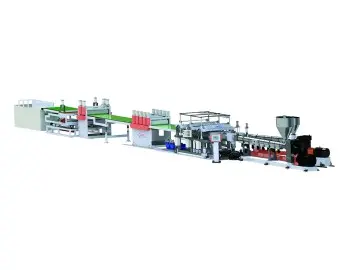
Delivers high productivity and automated controls to manufacture reusable concrete formwork construction sheets.
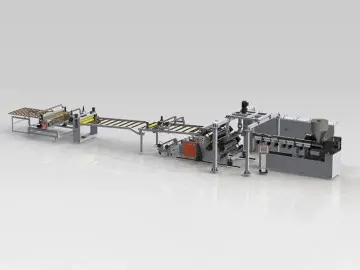
Designed by GWELL for engineering thermoplastics, producing high-performance, chemical-resistant sheets.
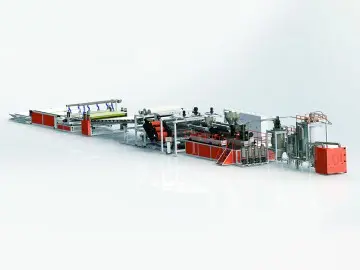
Dedicated to manufacturing industrial packaging boards and geo-membranes with reliable thickness control.
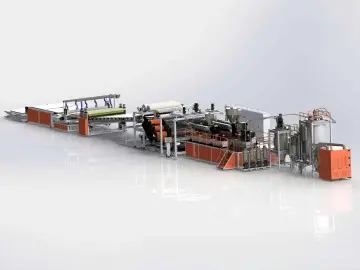
Engineered to produce high-clarity sheets for electronic displays, sound barriers, and protective glazing.
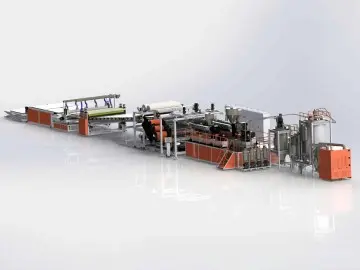
Highly advanced and efficient equipment designed for high-throughput light diffusion plate manufacturing.
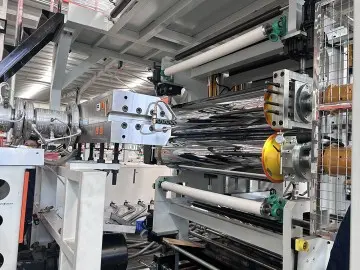
Custom-engineered to process composite matrix sheets with thermal management properties for industrial seals.
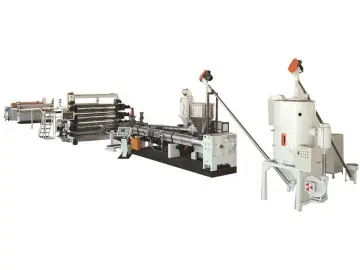
Optimized for thermoforming domestic and industrial refrigerator inner liners, ensuring precise thickness control.
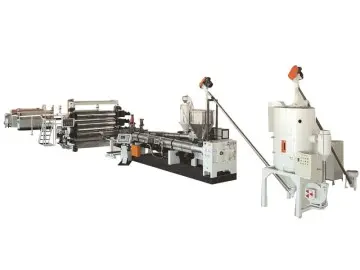
A multi-purpose polymer sheeting system, providing quick product switchovers for consumer electronics housings.
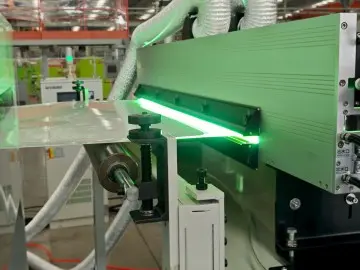
Processes co-polyester PCTG materials, combining stiffness, impact strength, and optical clarity for high-end applications.
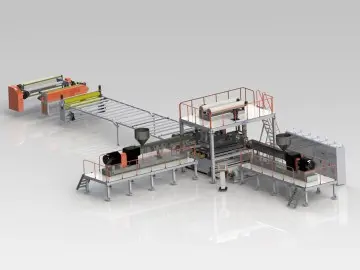
Produces elastomer-modified sheets, widely used in automotive interiors and flexible industrial applications.
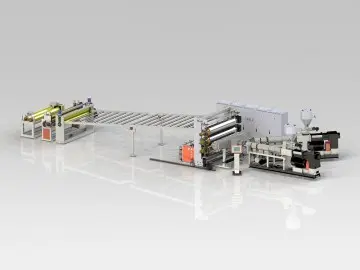
Designed for packaging and shielding components, maintaining clear optics and rigid structural performance.
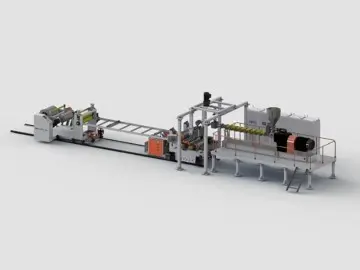
State-of-the-art system designed for co-extruding dual-color folders, file covers, and thermoformed packaging.
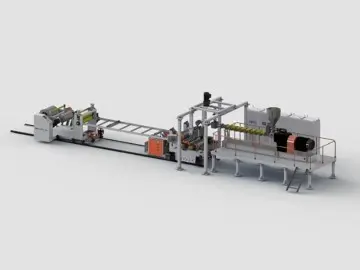
Utilizes multi-layer feedblocks to produce barrier packaging sheets for high-speed blister thermoformers.
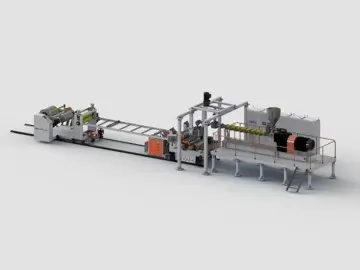
Designed by GWELL to process biodegradable polylactic acid (PLA) resins, addressing eco-friendly packaging needs.
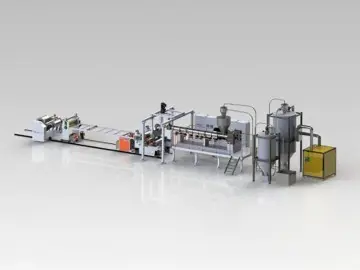
Features vacuum venting to process food-grade PET sheets directly from recycled bottle flakes without pre-drying.
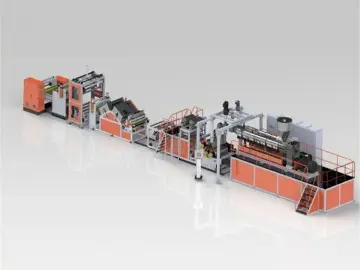
A specialized clean-room grade system designed for polycaprolactone orthopedic splint sheets and medical supports.
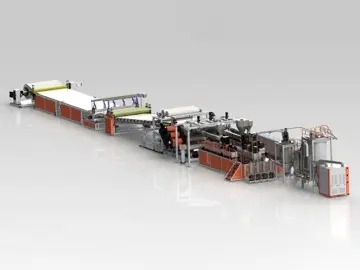
Utilizes ultra-clean extrusion processing for manufacturing liquid crystal light guides and optical displays.
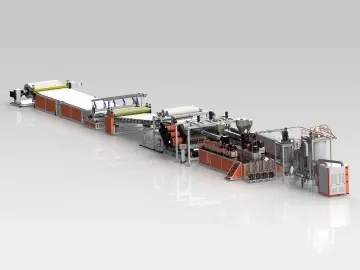
Equipped with precision die tempering and automation to ensure consistent retardant additive dispersion.
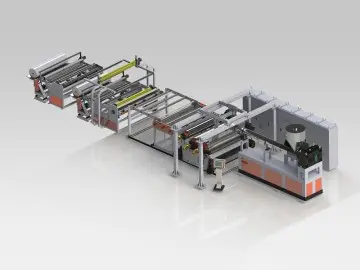
Designed to produce ionoplast interlayers, offering five times the tear strength of traditional PVB under structural loads.
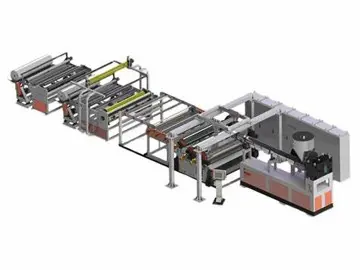
GWELL's premier solution for high-efficiency solar module encapsulation, providing reliable sealing properties.
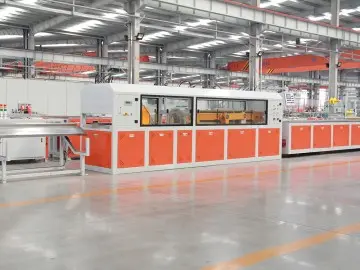
Features precision structural profiling to replace aluminum solar module framing with durable polyurethane composites.
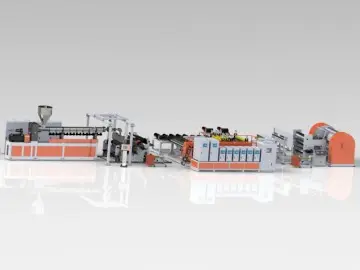
Processes polyphenylene sulfide (PPS) micro-porous films, serving as battery and hydrogen water-electrolysis cell separators.
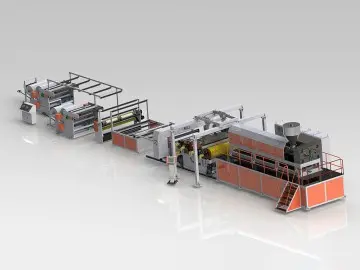
GWELL's high-efficiency solution for encapsulation films, featuring precise tension control and cooling loops.
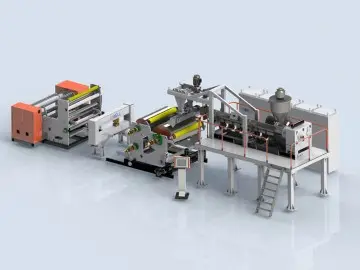
Optimized for processing cross-linkable resins, maintaining stable low-tension winding to prevent shrinkage.
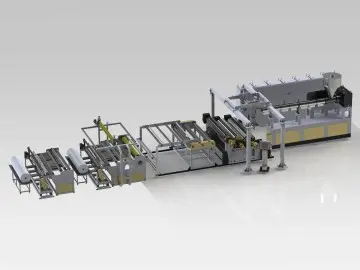
Co-extrudes multi-layered EVA-POE-EVA (EPE) composite films, combining POE's electrical resistance with EVA's adhesion.
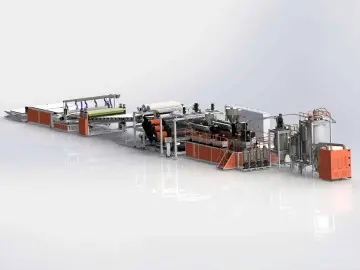
Designed for solar integration, yielding films that meet long-term weatherability standards for structural building envelopes.
Different markets mandate specific engineering and raw material standards to comply with regional building codes and safety regulations. A high-quality PVB interlayer line must be adaptable to meet these varied compliance frameworks.
Laminated structural safety glass installed in the EU must conform to strict thermal, impact, and acoustic standards. GWELL lines produce PVB sheets with controlled adhesive chemistry to pass European boiling tests and radiation exposure trials without delaminating.
For US and Canadian markets, safety glazing in buildings and vehicles must meet impact performance testing (impact test bag drop). The mechanical consistency and thickness uniformity delivered by our machinery assist laminators in satisfying SGCC and IGCC specifications.
Architectural developments in the APAC region require laminated configurations resistant to high-humidity environments. Our precise processing lines produce low-moisture absorption films, preventing edge haze under tropical weather conditions.
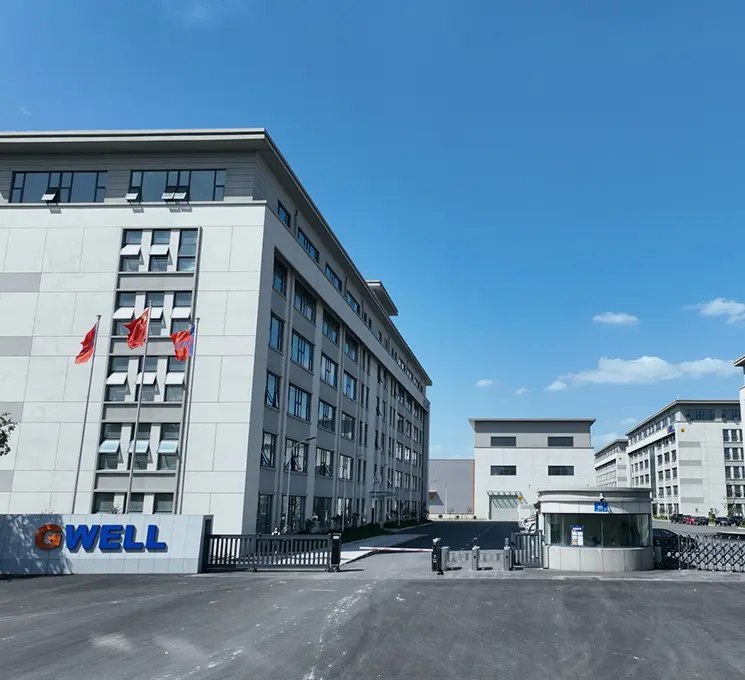
China Gwell Machinery is a high-tech enterprise dedicating to the manufacture of plastic extrusion lines for Film, Sheet and Profile. Relying on the powerful technology and equipment of group and innovative spirit , GWELL commits to the development of high-tech products and international market. "Expertise creates customers' values" has always been the company's operating philosophy.
Our commitment to quality is backed by comprehensive in-house machining facilities, metallurgical analysis labs, and an engineering team specializing in polymer flow dynamics. GWELL's design philosophy prioritizes energy efficiency, mechanical durability, and operator safety.
Production Bases
Square Meters Construction Area
Skilled Employees
Annual Line Capacity

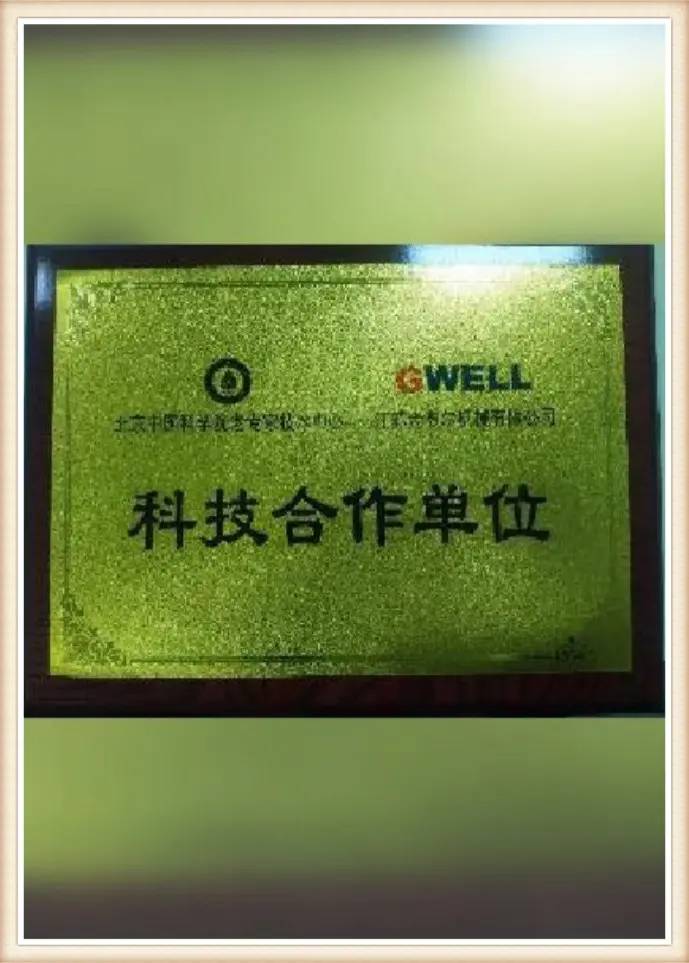
We collaborate with universities and research institutes to develop high-tech machinery, keeping our designs aligned with processing advancements.

Providing end-to-end commissioning, mechanical installation, operator training, and process support with high efficiency and quality.

Three major production bases equipped with precision machinery enable the delivery of complex co-extrusion systems.

Our processing lines sell worldwide, serving architectural laminators, automotive suppliers, and solar packaging manufacturers.

With 500 employees, including over 100 mechanical and control engineers, we deliver reliable machine builds.
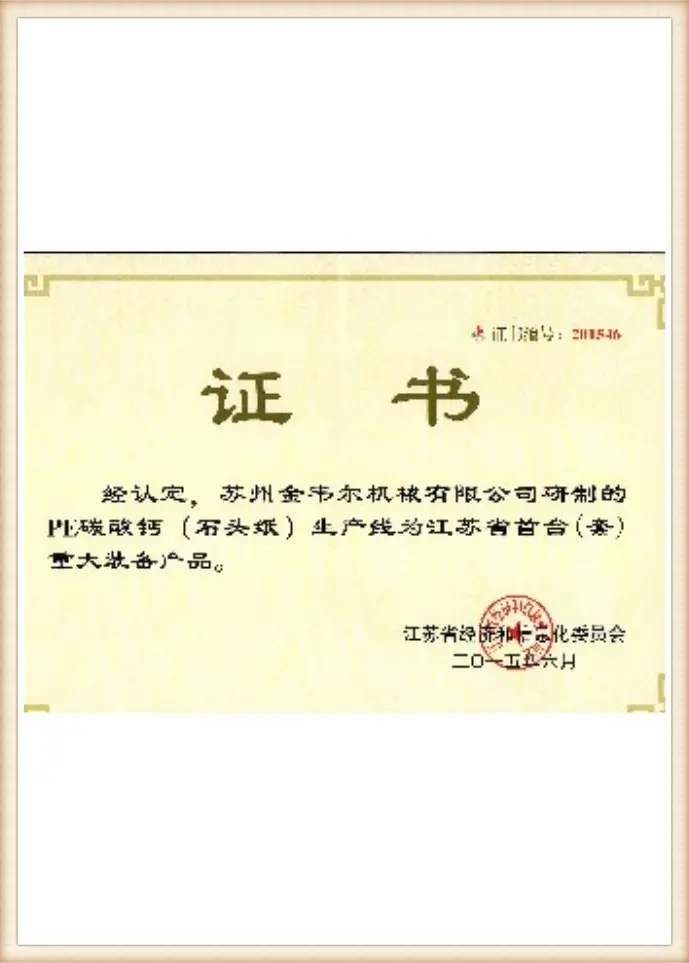
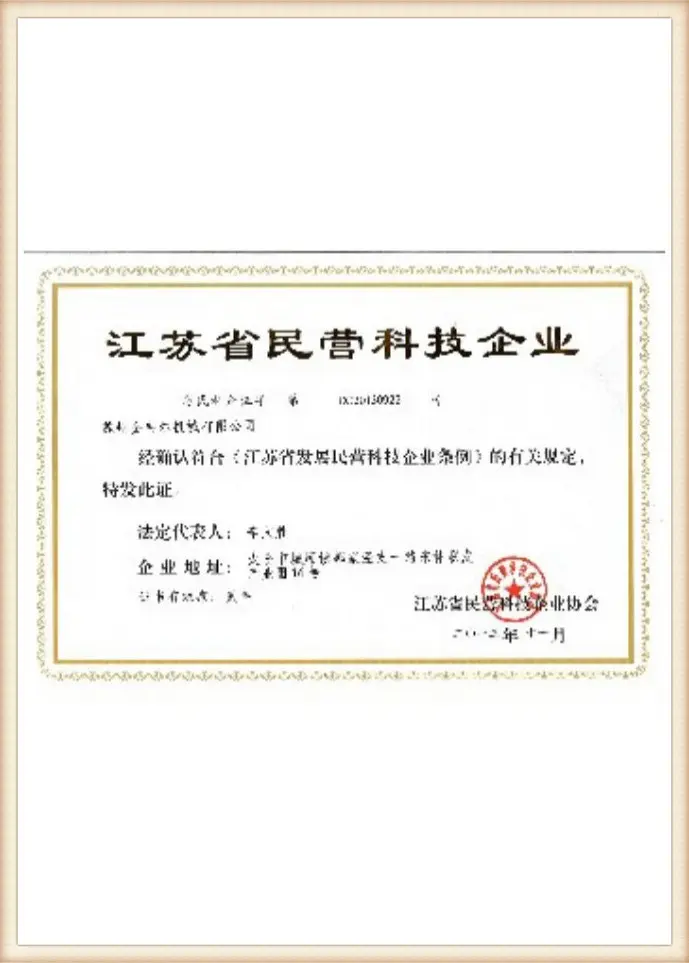
Our quality control systems are certified according to international manufacturing standards, ensuring reliable structural safety.

To support plastic processing operations in shifting toward sustainable and energy-efficient systems, GWELL is investing in development initiatives focused on mechanical design and automated process control.
Raw material costs remain a major factor in interlayer extrusion. We are optimizing our screw geometries and degassing zones to process recycled trimmed edges and recovered PVB materials, helping reduce scrap rates without impacting optical performance.
Using sensor feedback loops, GWELL extrusion setups adjust thermal die bolts automatically to correct thickness profile deviations in real time, reducing scrap and maintaining product consistency during long production runs.
We are expanding multi-layer co-extrusion technology (such as A/B/A or A/B/C configurations) to produce specialized soundproofing interlayers, combining soft acoustic barrier cores with rigid outer structural skins.
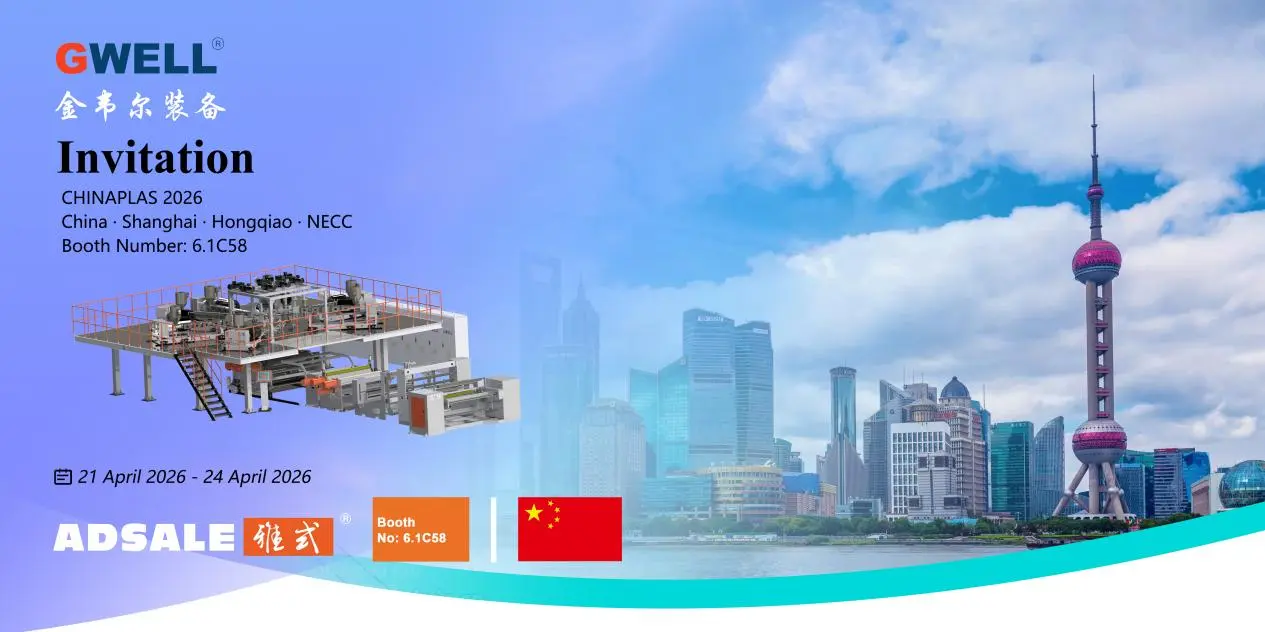
Date: Apr 14, 2026
Gwell continues to exhibit international engineering solutions, showing how our extrusion line configurations support processing performance.
Date: Feb 11, 2026
Responding to requests for sustainable synthetics, GWELL has launched an extrusion line tailored for POE-based synthetic leather.
Date: Jun 25, 2025
The GWELL PVB wedge-shaped film production line addresses the high precision, efficiency, and compatibility requirements of HUD manufacturers.


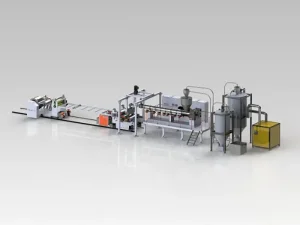
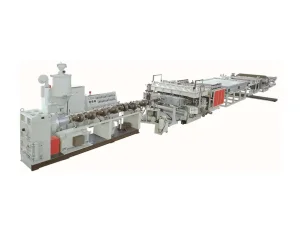
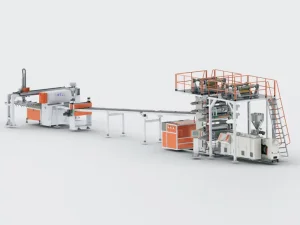
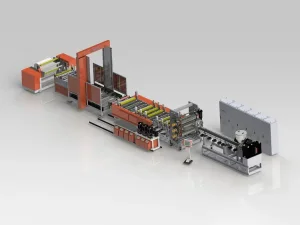
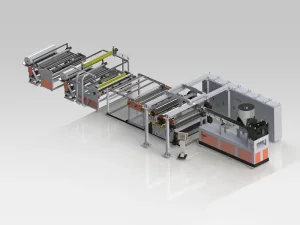
GWELL's R&D capabilities and precision machining support are recognized across the polymer processing industry. Connect with our engineering sales team to request customized design drawings, equipment configurations, and pricing specifications.