Explore our core engineering portfolio designed for industrial-grade plastic and optical sheet manufacturing.
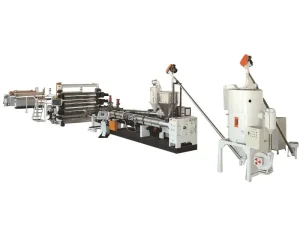
High-speed system for processing structural and packaging boards with absolute melt stability.
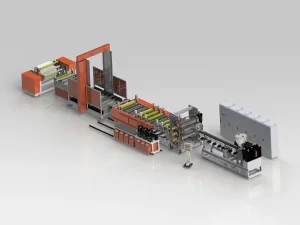
State-of-the-art PET film lines designed for commercial packaging and stretch wrapping applications.
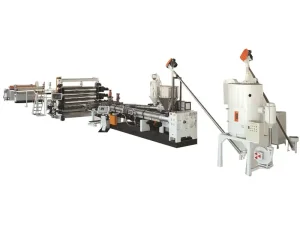
Engineered for highly durable multi-layer composite sheets with exceptional scratch and flame resistance.
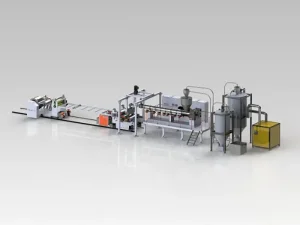
FDA-compliant sheet extrusion systems ensuring clean, food-safe thermoformed tray manufacturing.
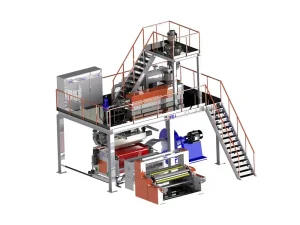
Precision fiber-forming technology for medical-grade filtration media and respiratory mask layers.
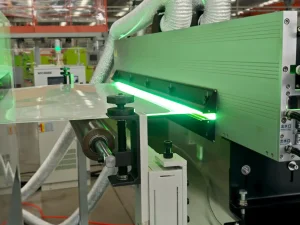
High-clarity copolyester sheet lines delivering impact resistance and chemical endurance.
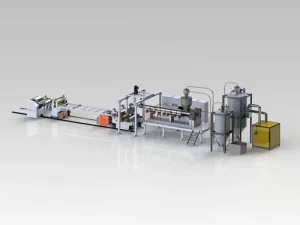
Multi-layer configuration designed for high-aesthetic interior panels and consumer packaging.
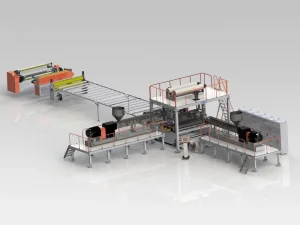
Heavy-duty construction membrane extrusion lines built to produce weatherable roofing systems.
In high-security and ballistic protection sectors, material science dictates survival parameters. The co-extrusion and lamination of Polycarbonate (PC) and Polymethyl Methacrylate (PMMA) represent the absolute peak of modern structural transparency engineering. Bulletproof sheet materials require a precise balance of mechanical energy absorption, structural rigidity, and optical integrity.
Polycarbonate (PC) acts as the ductile backbone. Exhibiting phenomenal impact strength (up to 250 times greater than standard float glass) and excellent yield elongation, it deforms elastically and plastically under localized kinetic threats. When a high-velocity projectile strikes the composite sheet, the PC layer dampens the shockwave by transferring the energy across its molecular grid, preventing catastrophic fragmentation.
Polymethyl Methacrylate (PMMA), known as acrylic, introduces structural surface rigidity and supreme optical properties. While PC is prone to abrasion, UV degradation, and chemical etching, PMMA contributes a hardness shield, offering superior weatherability, scratch resistance, and an impressive light transmission rate of 92%. Crucially, PMMA prevents the bulletproof laminates from bending excessively upon initial impact, ensuring that the kinetic energy is localized and converted into heat through micro-fracturing of the outer acrylic layer before the inner PC core absorbs the remaining force.
Traditional bulletproof transparent sheets rely on autoclave lamination using polyurethane (PU) adhesives. However, modern machinery setups have shifted toward direct online multi-layer co-extrusion. By utilizing highly specialized co-extrusion feedblocks (such as Cloeren or EDI systems), custom extrusion lines integrate PC and PMMA melt streams with precision micro-layer tolerances, eliminating the weight, labor cost, and delamination risks associated with separate film laminating procedures.
To produce sheets capable of passing ballistic certifications (such as UL 752 or EN 1063), the custom extrusion line must be engineered to prevent molecular stress. Any internal stress locked in the sheet manifests as optical birefringence, which distorts vision and creates weak structural boundary points prone to cracking under ballistic stress.
Maintaining raw technical data, catalog configurations, and equipment classifications across primary processing categories.
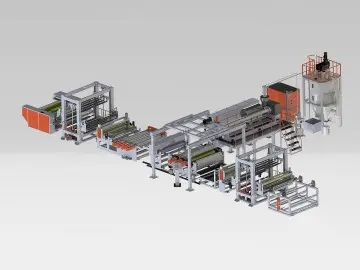
Specialized in producing weather-resistant and UV-stable film layers for outdoor co-extruded applications.
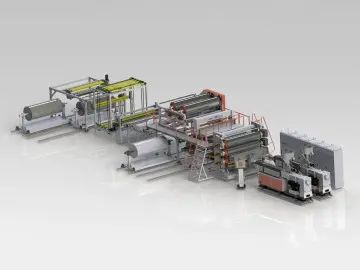
High elasticity and adhesion films widely applied in textile bonding, safety glass interlayers, and apparel.
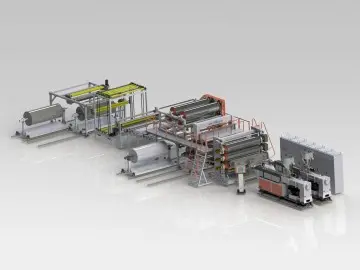
Configured for medical packaging, waterproof membranes, and protective optical layers with high gauge consistency.
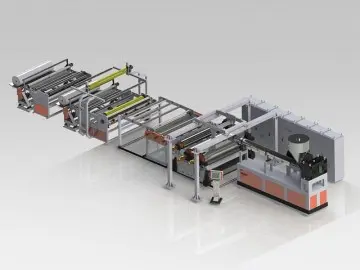
Core solution for solar backplane membranes, replacing Tedlar structures for exceptional weatherability.
Engineered for automotive Head-Up Displays (HUD), demanding highly precise thickness gradient wedges.
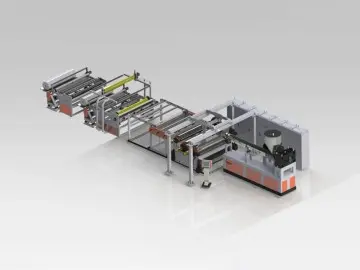
Essential for structural architectural safety glass and automotive laminated windshield lines.
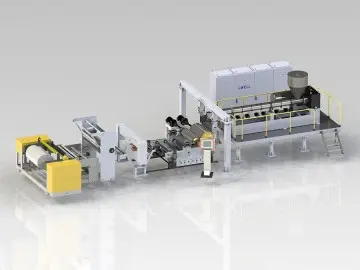
Clean, highly automated lines processing packaging films for unit-dose detergents and medical laundry bags.
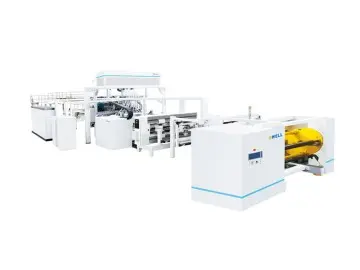
Ultra-high temperature resistant polyimide film line optimized for flexible printed circuit boards (FPC).
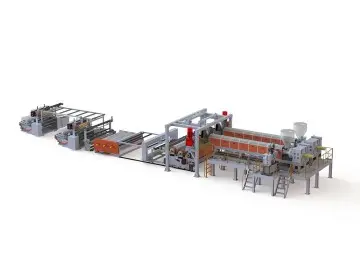
Eco-friendly cast film line delivering highly flexible, non-toxic barriers for consumer drapery and packaging.
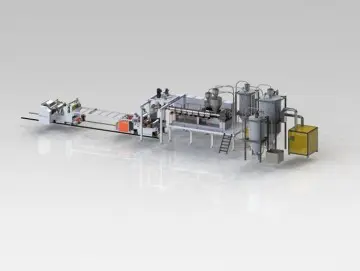
Engineered for architectural laminates, furnishing veneers, and high-gloss packaging finishes.
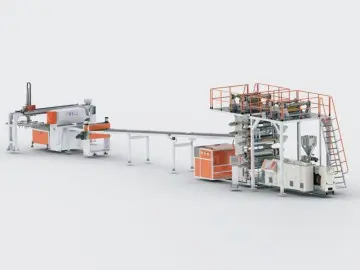
Industrial-scale line for composite flooring, architectural boards, and interior decoration moldings.
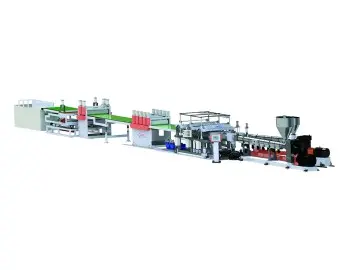
Produces hollow or solid formwork boards designed to replace traditional plywood in concrete shaping.
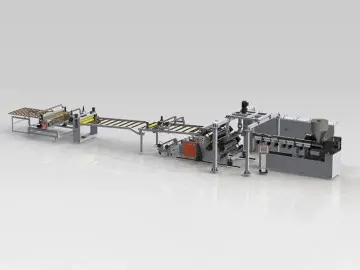
High-temperature engineering plastic board line serving semiconductor and chemical processing equipment.
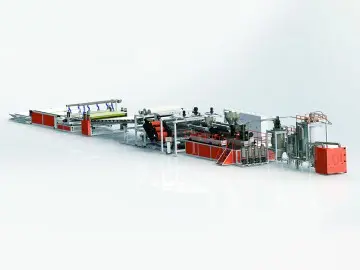
Heavy-gauge board line for chemical tanks, container backings, and engineering wear strips.
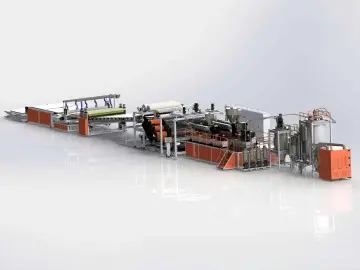
Engineered for thick, high-clarity sheets for industrial guards, structural glazing, and architectural panels.
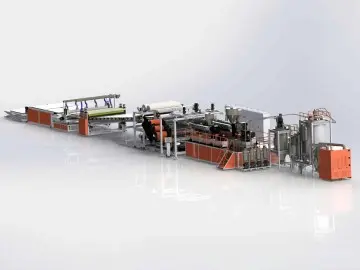
Specialized micro-patterned calendering lines for flat-panel TV backlights and general LED fixture lenses.
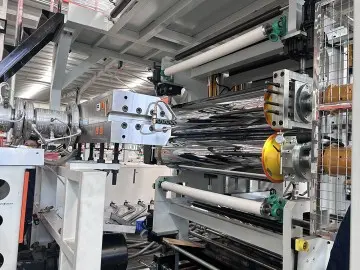
Highly custom material handling line optimized for manufacturing thermal interface gaskets and heat sinks.
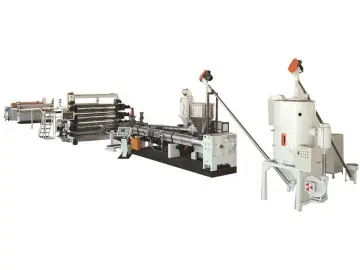
Co-extrusion setup with specialty layers, configured for rapid vacuum thermoforming of domestic refrigerator liners.
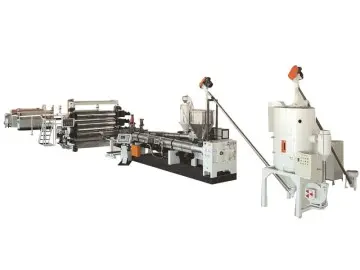
Highly versatile board manufacturing setup configured for sanitarium shells, suitcases, and automotive trim.
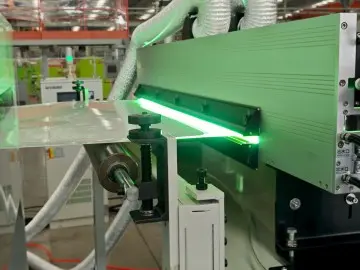
Heavy-impact, food-grade transparent copolyester sheet system for high-end cosmetic and retail displays.
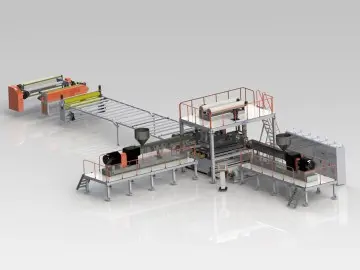
Flexible elastomeric sheets widely integrated into automotive floor mats, weather seals, and vibration dampers.
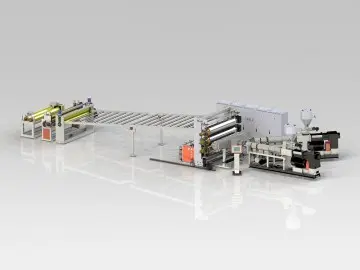
Engineered for clean optical sheets with custom polymer blends and precise thickness calibration.
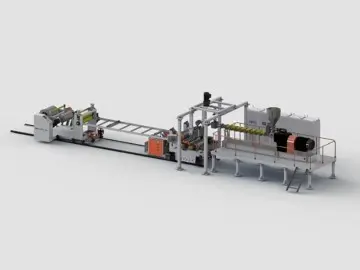
Designed for premium office stationery, organizing boxes, and dual-colored promotional packaging elements.
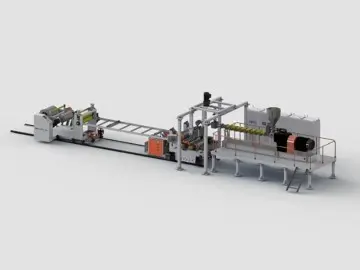
High-speed, multi-layer thermoforming sheet line equipped with online recycling shredder feeds.
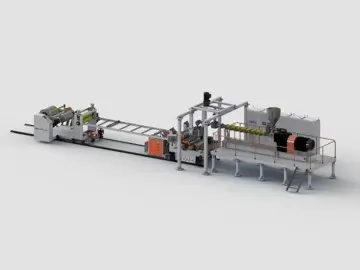
Eco-friendly plant-based polymer sheets designed to substitute traditional fossil plastics in catering supplies.
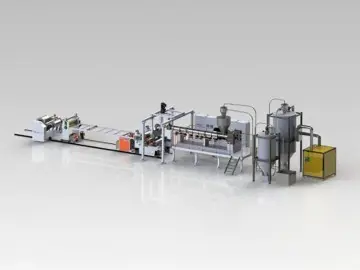
Features crystallizing systems to produce high-transparency thermoform sheet rolls from virgin or rPET flakes.
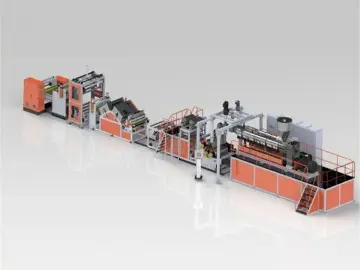
Specialized in low-temperature thermoplastic splint boards used in orthopedic positioning and oncology shields.
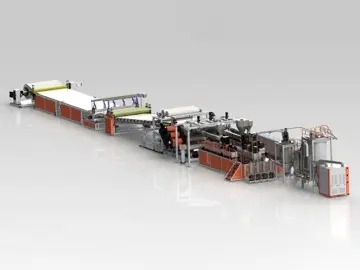
The foundation for cleanroom-grade optical components, lightguide panels (LGP), and high-security security glazing.
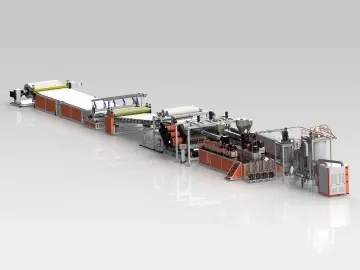
Engineered to produce UL94 V-0 flame-retardant structural panels for electric vehicle batteries and rail interiors.
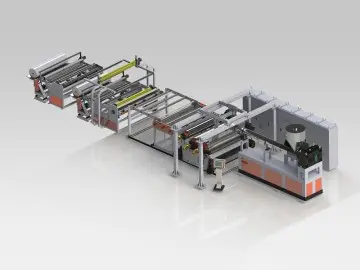
Ionoplast structural safety interlayers showing five times the tear strength of traditional PVB under impact.
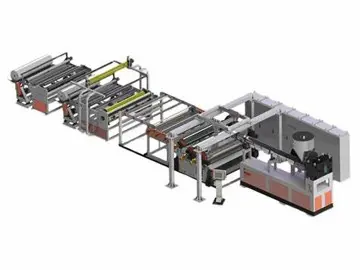
High-adhesion crosslinking films designed for crystalline silicon solar cell encapsulation.
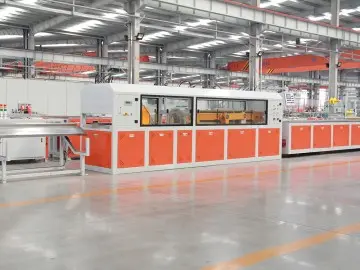
Innovative pultrusion/extrusion hybrid lines for manufacturing composite non-metallic PV mounting modules.
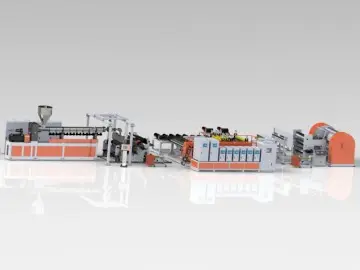
Advanced separation membrane extrusion for alkaline water electrolyzer stacks in clean energy systems.
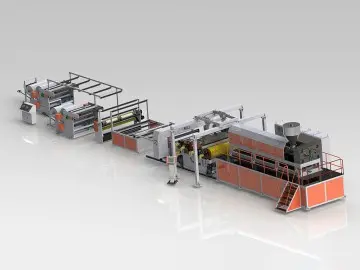
Industry-standard line for producing high-transparency PID-resistant encapsulation films.
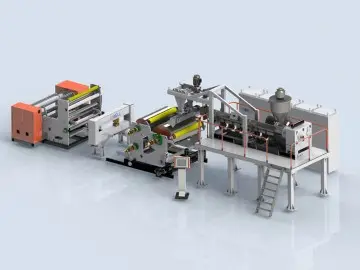
Built with high-efficiency cooling rollers and anti-shrinkage winding configurations for solar panel manufacturing.
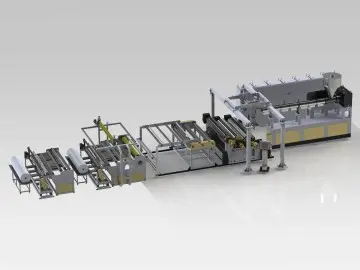
Co-extrudes multi-layered solar film structure (EVA/POE/EVA) to combine cost efficiency with extreme barrier properties.
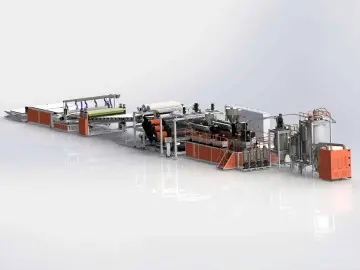
Engineered for Building Integrated Photovoltaics (BIPV) requiring exceptional long-term structural safety.
The manufacturing ecosystem for high-precision extrusion machinery in China, spearheaded by pioneers like Gwell, has transformed from a regional provider to the primary supplier for global plastic extrusion plants. This industrial transition is powered by three main pillars:
1. Full-Scale Supply Chain Integration: Within key industrial zones in Jiangsu and Zhejiang, machinery manufacturers have direct access to specialized metallurgical casting shops, precision screw cutting centers, and advanced chemical treatment facilities. This close geographical integration slashes assembly and component transit timelines, allowing lines to be customized, manufactured, and factory-tested within a fraction of the time required by traditional Western machinery builders.
2. Advanced Metallurgical & Mechanical Engineering: Chinese manufacturers utilize premium alloys, including 38CrMoAlA, treated with gas nitriding and bimetallic spray-coating. This process produces screws and barrels with surface hardness values exceeding HV950, which is critical for handling highly abrasive engineering polymers like PMMA and PC containing flame-retardant or glass-filled additives.
3. Advanced Automation at Competitive Price Points: By combining robust heavy machinery structural frames with high-end, universally serviceable electrical and control architectures (such as Siemens PLC systems, Beckhoff EtherCAT systems, ABB drives, and Dynisco pressure sensors), factories secure equipment that matches European operational specifications at a highly competitive capital expenditure rate.
PC/PMMA composite sheets engineered on Gwell lines are integrated into demanding industrial, structural, and civil applications worldwide:
When extruding high-thickness polycarbonate, the raw melt must be protected against thermal shock. Our modern calendering lines utilize inclined or vertical configuration rollers containing internal spiral flow channels. By circulating heated oil through these channels, the rolls transfer heat evenly across the cooling sheet profile. An inline tempering oven or continuous annealing chamber follows the calendering process to release any residual mechanical stress, ensuring the sheets remain flat and optical properties remain undistorted.
Procuring a custom PC/PMMA extrusion line requires detailed project engineering. Elite suppliers deliver comprehensive turnkey solutions that mitigate operational risk from concept to production:
1. Raw Material Handling & Pre-Drying: PC and PMMA are highly hygroscopic polymers. Any residual moisture causes hydrolytic degradation during processing, resulting in bubbles and mechanical failure. Gwell integrates desiccant dryer networks capable of lowering dew points to below -40°C, feeding the dry polymer directly into closed-hopper extruders.
2. Continuous Co-Extrusion Tooling: The die is engineered using chrome-plated, mirror-polished alloy steels. Internal flow-distributor channels are optimized using finite element analysis (FEA) to maintain uniform shear rates, preventing weld lines or stagnation spots in the optical path.
3. Inline Masking and Automated Stacking: High-grade sheets require immediate surface protection. Standard lines include automatic double-sided laminators applying protective PE films, followed by precise crosscutting flying saws and vacuum stacking robots to handle sheets without marking the polished optical surface.
China Gwell Machinery is a high-tech enterprise dedicating to the manufacture of plastic extrusion lines for Film, Sheet and Profile. Relying on the powerful technology and equipment of group and innovative spirit , GWELL commits to the development of high-tech products and international market. “Expertise creates customers’ values” has always been the company’s operating philosophy.
Our R&D capability and precision machining capability have been widely recognized by the industry, allowing us to supply complex co-extrusion machinery to markets in Europe, North America, and South America.
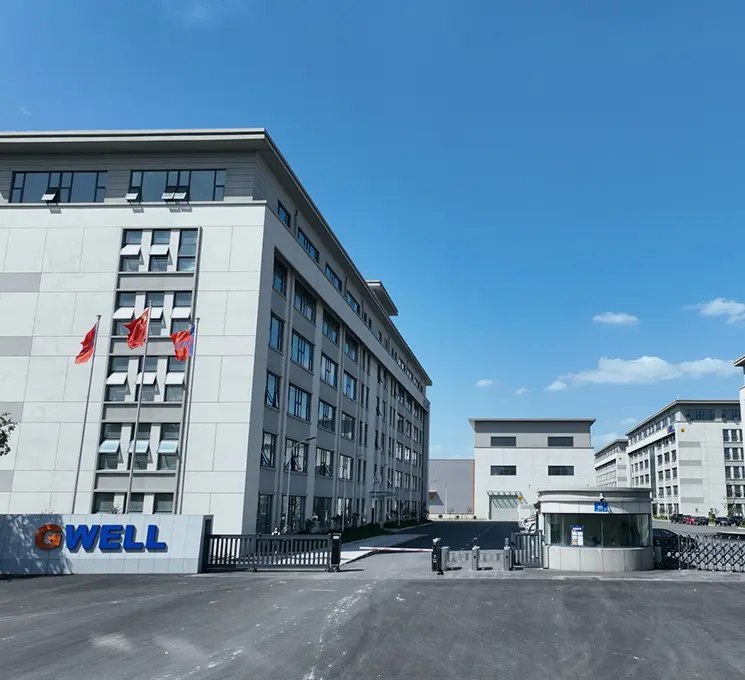
Leveraging high-tech modern techniques to drive consistent manufacturing excellence.
Collaborating with top-tier technical universities and research institutes to consistently develop cutting-edge machinery configurations.
Providing end-to-end commissioning, technical training, and remote diagnostic services with high efficiency and premium quality.
Three major production bases in China, housing advanced CNC machines, ensuring an annual capacity of over 1000 extrusion lines.
Our extrusion lines sell well worldwide, establishing stable processing plants in more than 60 countries and regions.
Over 500 dedicated employees, including more than 100 professional engineers specializing in mechanical and electrical control systems.
Complying with strict CE and ISO quality control guidelines to guarantee absolute operational safety on the factory floor.
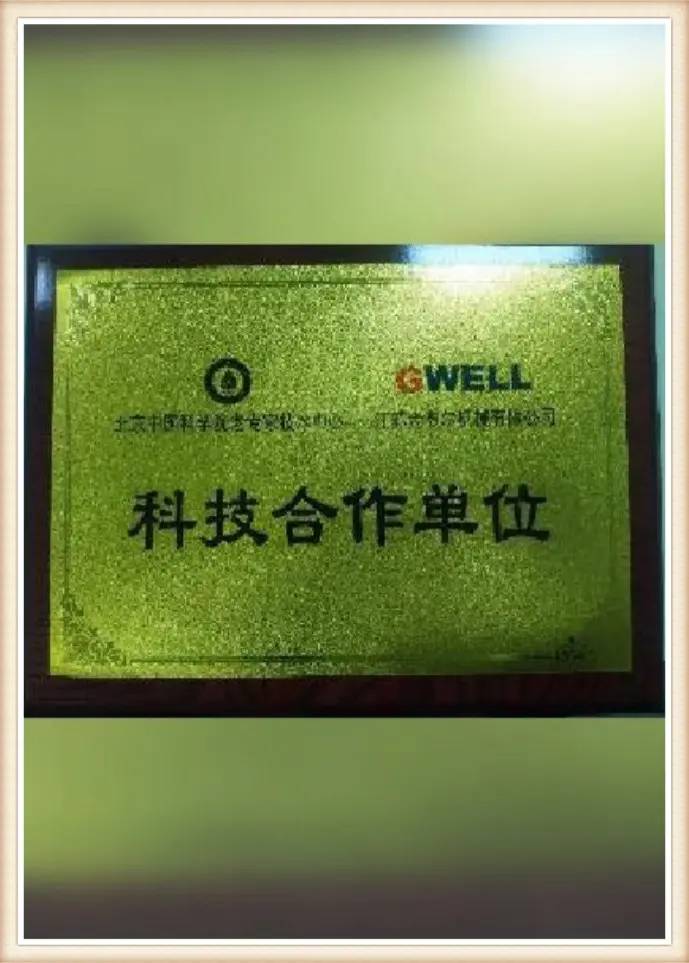
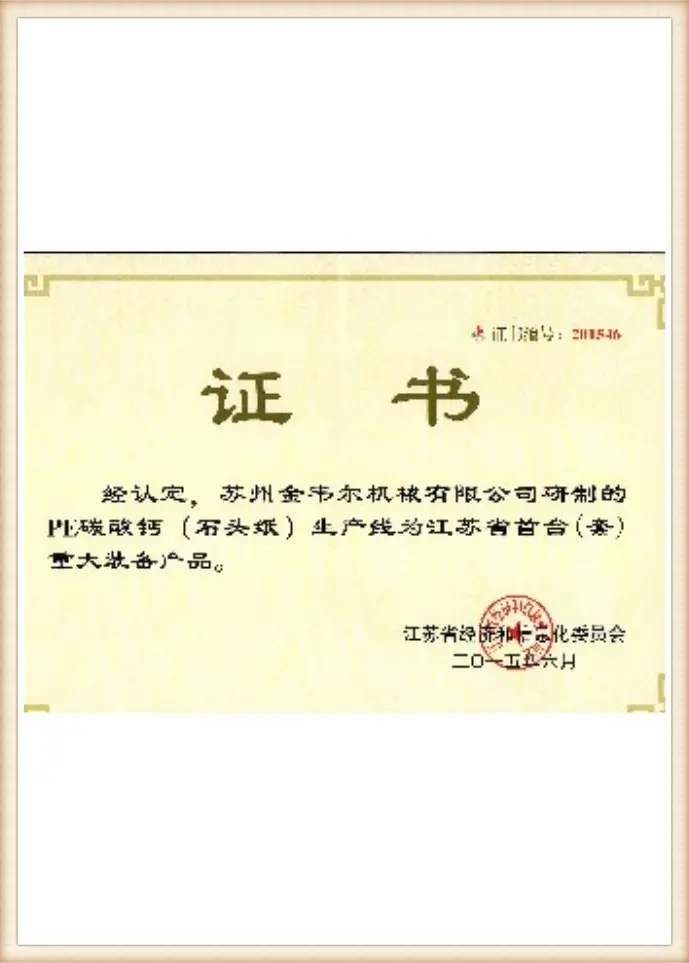
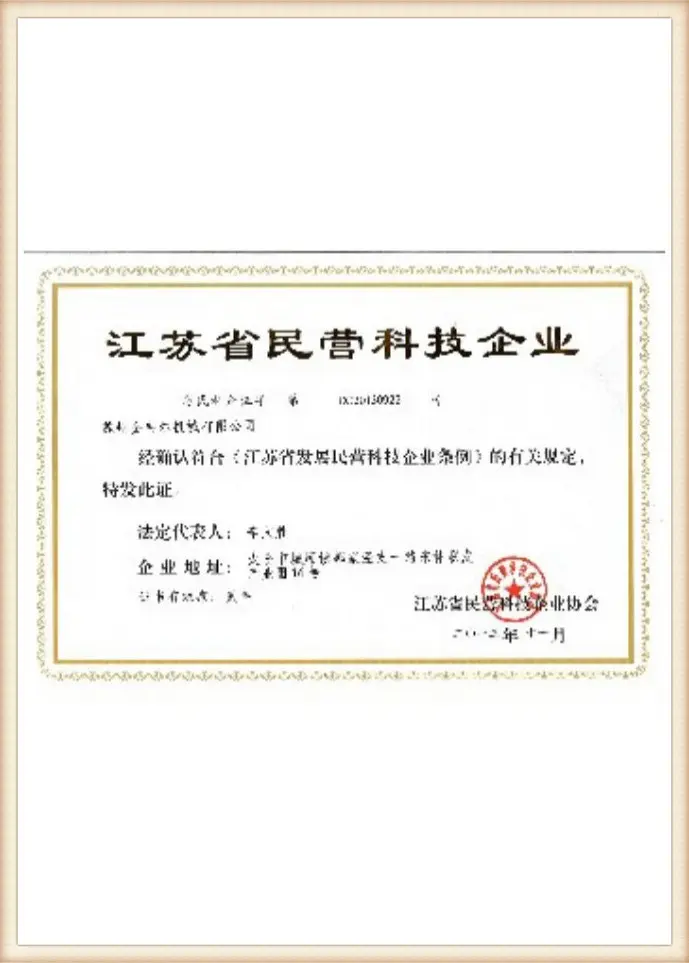
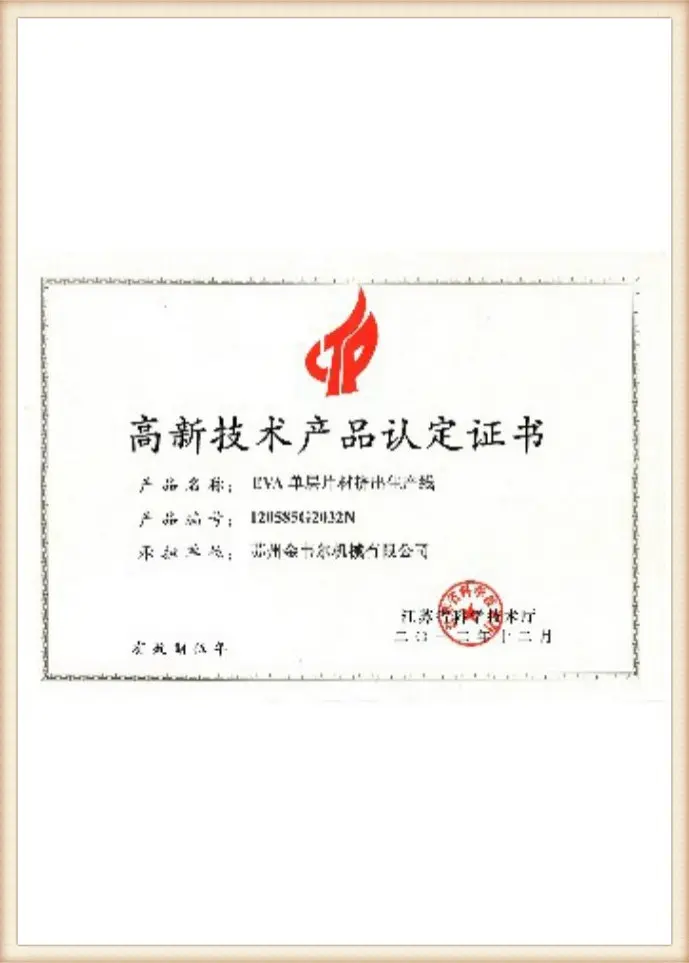
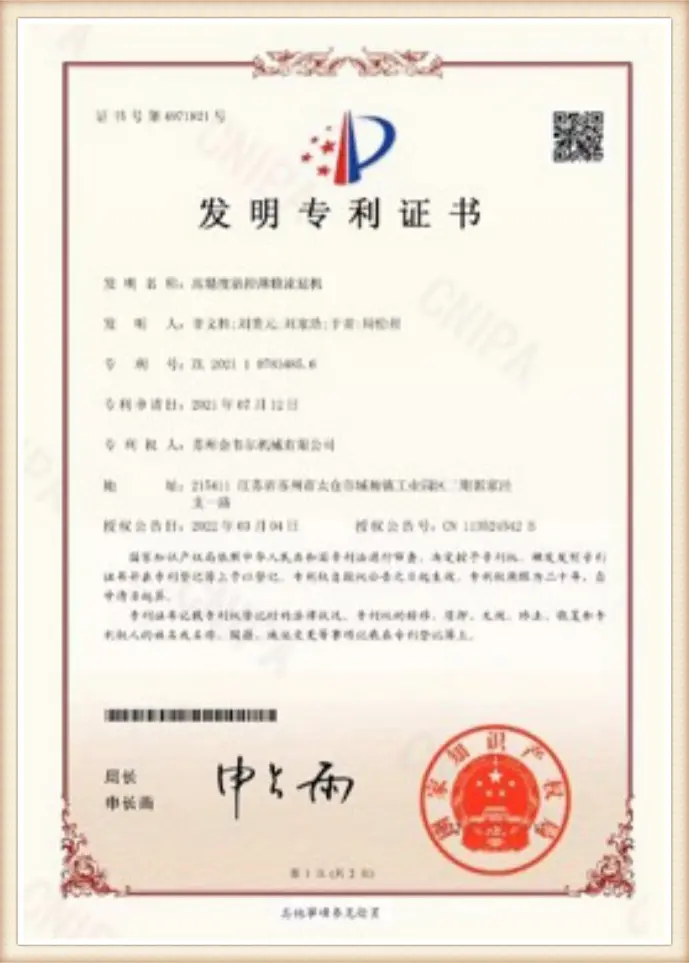
Our commitment to manufacturing safety and operational precision is certified by international inspection organizations.

Keep track of technological progress, upcoming exhibitions, and new extrusion lines deployed worldwide.
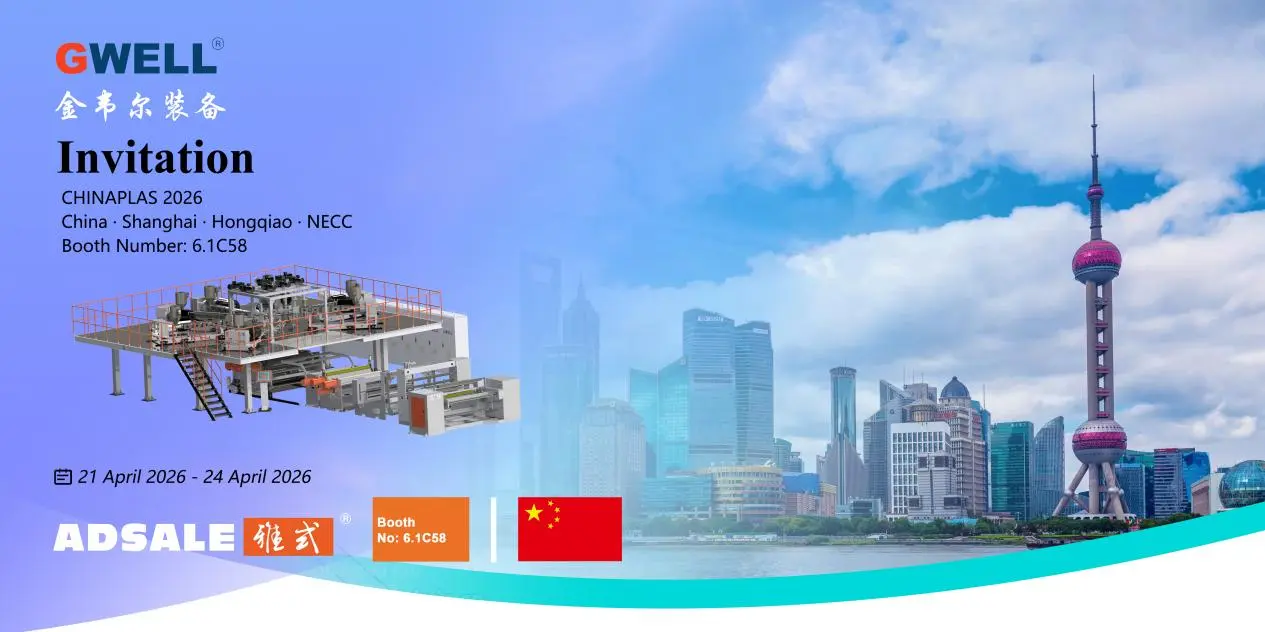
Join us at the upcoming international plastics expo to see live demonstrations of high-performance film and sheet lines.
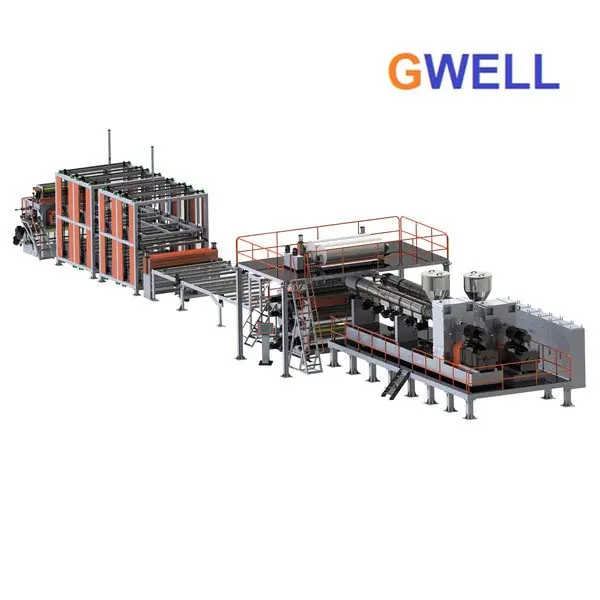
Introducing our highly advanced POE synthetic leather line, featuring excellent recyclability and zero VOC emissions.
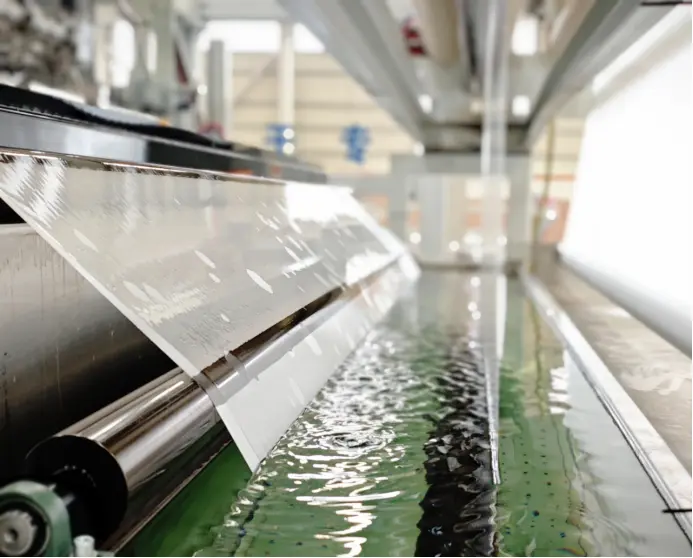
The GWELL PVB wedge-shaped film production line integrates high precision, high efficiency, and high compatibility profiles.
Get answers to common technical queries about the production of optical-grade bulletproof sheet lines.
GWELL's R&D engineering and precision manufacturing systems help leading factories build state-of-the-art extrusion plants worldwide. Request technical specifications or get a custom quotation now.
Send Inquiry NowPreserving raw links and original technical image assets for global procurement managers.
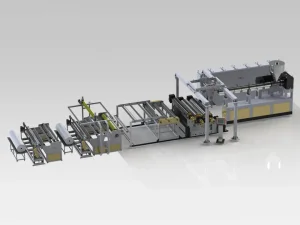
Integrated multi-layer cast line for photovoltaic module encapsulation with high water barrier properties.
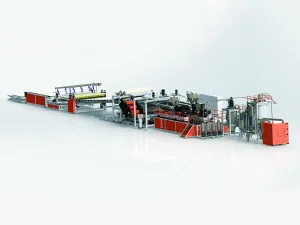
Heavy-gauge board systems configured for chemical tanks, container linings, and engineering applications.

Specialized copolyester lines producing decorative veneer layers for architectural panels.
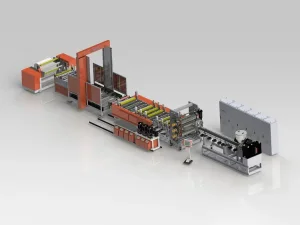
High-tensile stretching systems designed to improve mechanical and optical properties of extruded films.
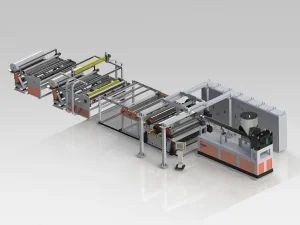
Automotive interlayer PVB wedge film lines for advanced head-up display windshield manufacturing.
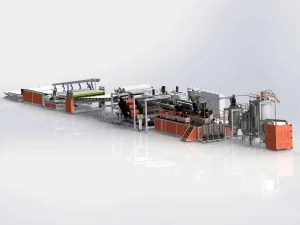
High-volume micro-embossed plate lines serving global display backlighting markets.
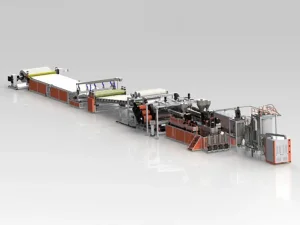
The production standard for optical grade sheets, offering low stress and high light transmission properties.
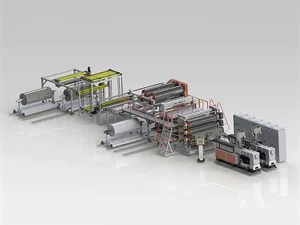
Produces paint protection film (PPF) with high optical clarity and self-healing elastomer coatings.