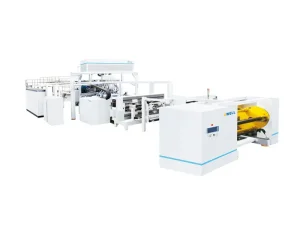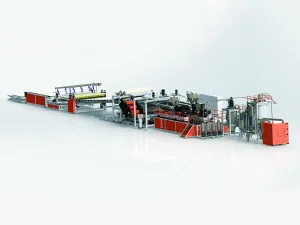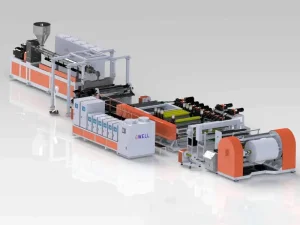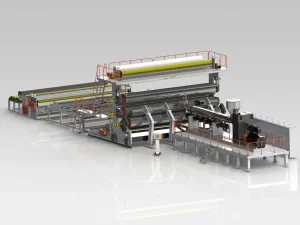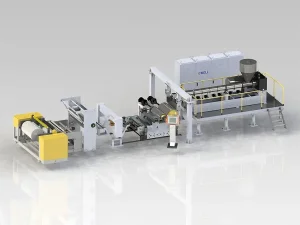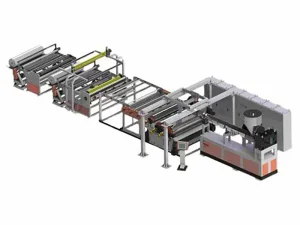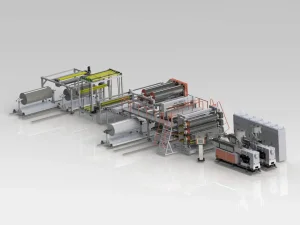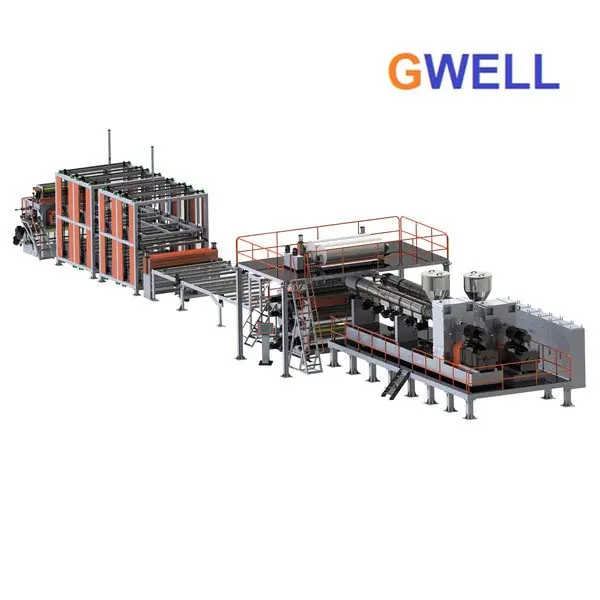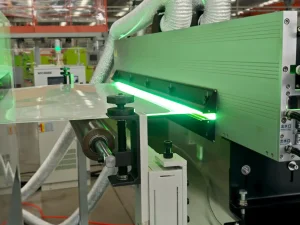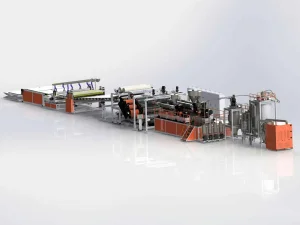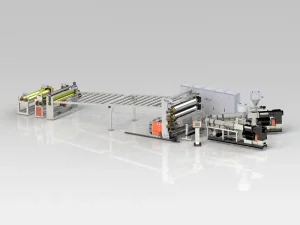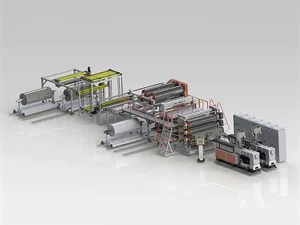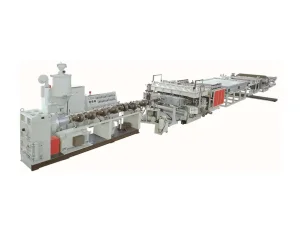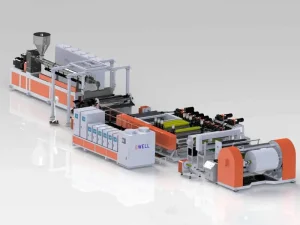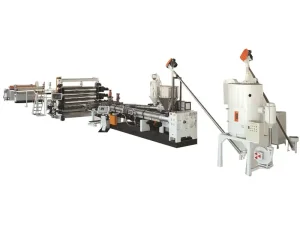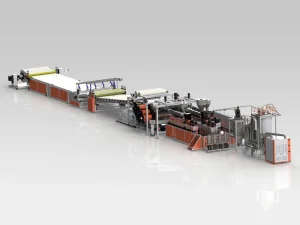
Polymethyl Methacrylate (PMMA) sheets represent the apex of transparency, durability, and weatherability in the commercial polymer sector. However, the requirements of modern industries demand far more than standard single-layer acrylic formulations. The development of multilayer co-extrusion technology enables the combination of distinct functional layers (such as PMMA/MS, PMMA/ABS, or PMMA/PC) to deliver synergistic properties: UV blockages, high impact resistance, optical clarity, anti-scratch coatings, and balanced internal stress distributions.
As a globally celebrated multilayer PMMA sheet line manufacturer and exporter, our engineering blueprints target critical extrusion parameters, such as melt viscosity matching, feedblock geometric configurations, and temperature profiles. The molecular alignment during structural co-extrusion dictates the mechanical performance of the final sheet. By deploying advanced feed distribution units, we ensure that thickness deviations across multi-layered sheets are kept below ±1.5%, satisfying stringent optical and aerospace specifications.
The progression of heavy-duty extrusion machinery is steered toward higher degrees of automation, closed-loop feedback systems, and absolute stability. Our technological pipeline for multilayer PMMA and PC-PMMA composite sheets leverages IoT architecture, digital twins, and energy recovery mechanisms.
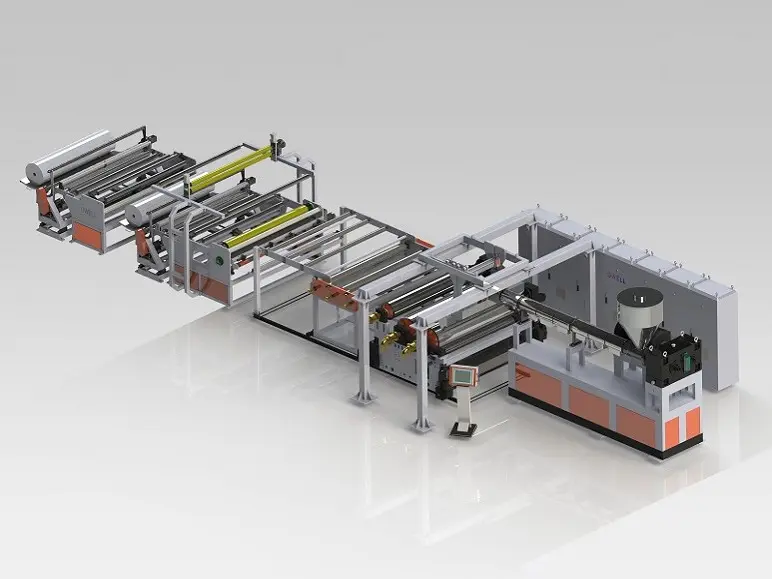
Coordination of distinct single-screw and co-rotating twin-screw extruders through a unified PLC automation platform. This ensures synchronized output matching under fluctuating melt pressures.
Closed-loop feedback systems continuously monitor thickness distributions via online beta-gauge scanners, dynamically adjusting selector plates inside the co-extrusion feedblock.
High-efficiency multi-vent degassing blocks strip away moisture and residual monomer volatiles without structural polymer thermal degradation, eliminating visual micro-bubbles.
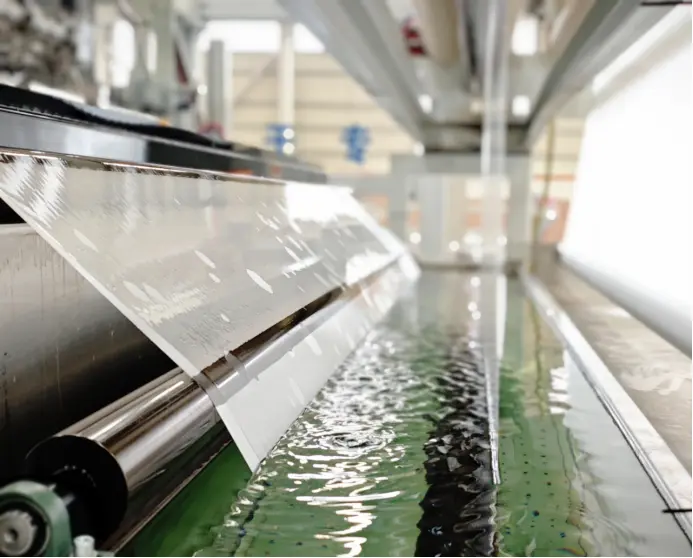
Horizontal, vertical, or inclined 3-roll calenders featuring independent tempering circuits keep surface roughness parameters below the nanometer barrier, guaranteeing crystal-clear optical outputs.
Our multilayer sheet lines do not operate in isolation; they are built as comprehensive solution blueprints. Industrial shifts toward decarbonization and light-weighting require raw materials that excel in strength-to-weight ratios. The integration of PMMA with high-impact ABS (via co-extrusion) has emerged as a cornerstone for thermoformed sanitary ware, recreational vehicle body skins, and heavy machinery cabins.
By offering customized auxiliary integrations such as high-precision cross-cut saws, double-side protective lamination units, and robotic palletizing lines, we reduce factory-floor labor requirements by up to 40% while preserving the pristine surface quality of extruded optical-grade sheets.
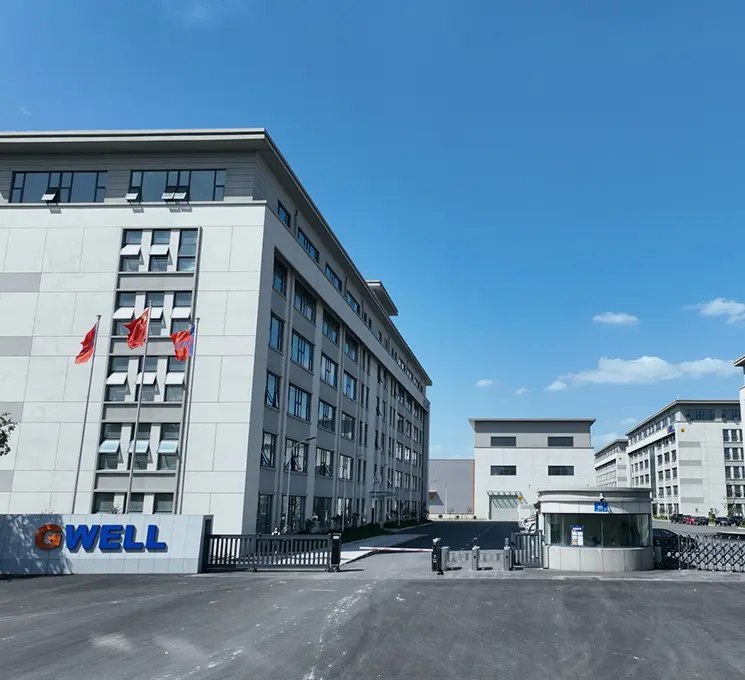
Operating from three highly integrated production bases spanning a total construction area of over 866,000 square meters, Gwell stands at the forefront of China's intelligent extrusion machinery development. Our Factory 4.0 initiative couples advanced manufacturing execution systems (MES) with high-capacity CNC machining centers to process raw castings, heavy calender rolls, and complex hanger-style sheet dies under strict quality parameters.
This deep vertical integration insulates our clients from international supply chain disruptions. With over 500 dedicated employees, including more than 100 research and development engineers, we achieve an annual output value exceeding 1,000+ high-end extrusion lines. This massive manufacturing capacity ensures rapid delivery cycles and swift engineering design alterations without sacrificing product consistency or quality control.
Global procurement teams evaluation criteria for heavy machinery have shifted from simple capital expenditure metrics to total cost of ownership (TCO), lifetime reliability, and technical compatibility. Our structural design philosophy addresses these procurement vectors through modular engineering options, high energy-efficiency ratings, and standard wear-resistant metallurgy selections. We work alongside global giants to build production configurations customized to their specific regional voltages, safety regulations, and automation architectures.
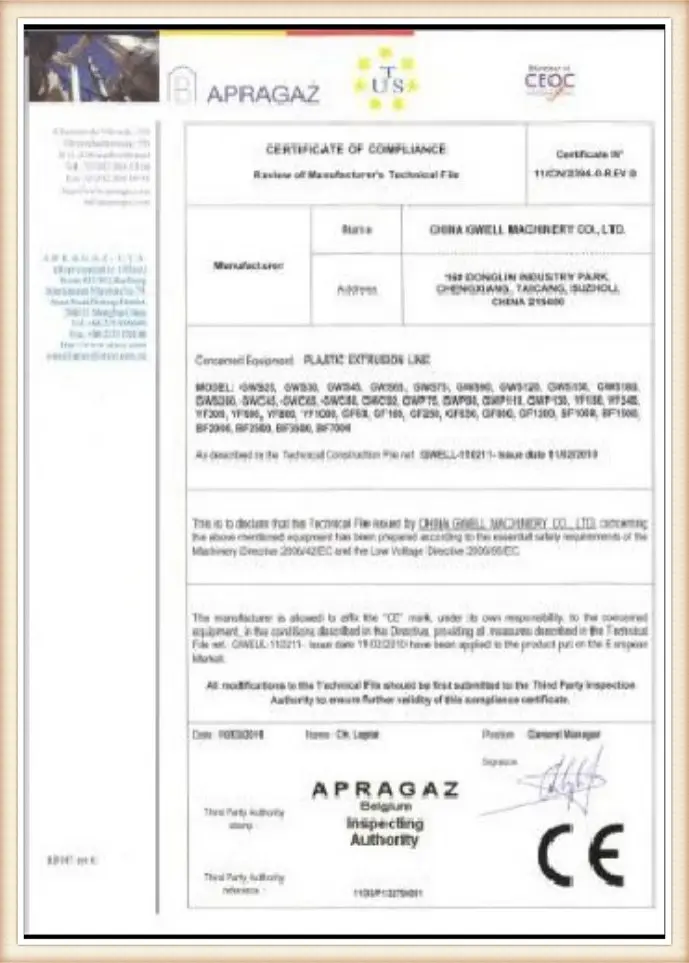
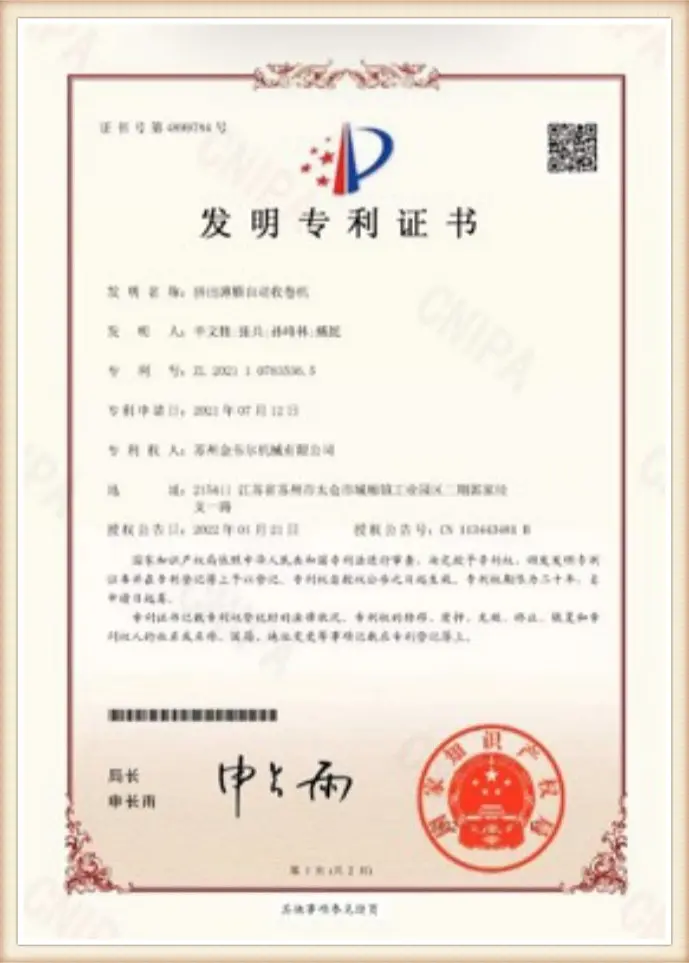
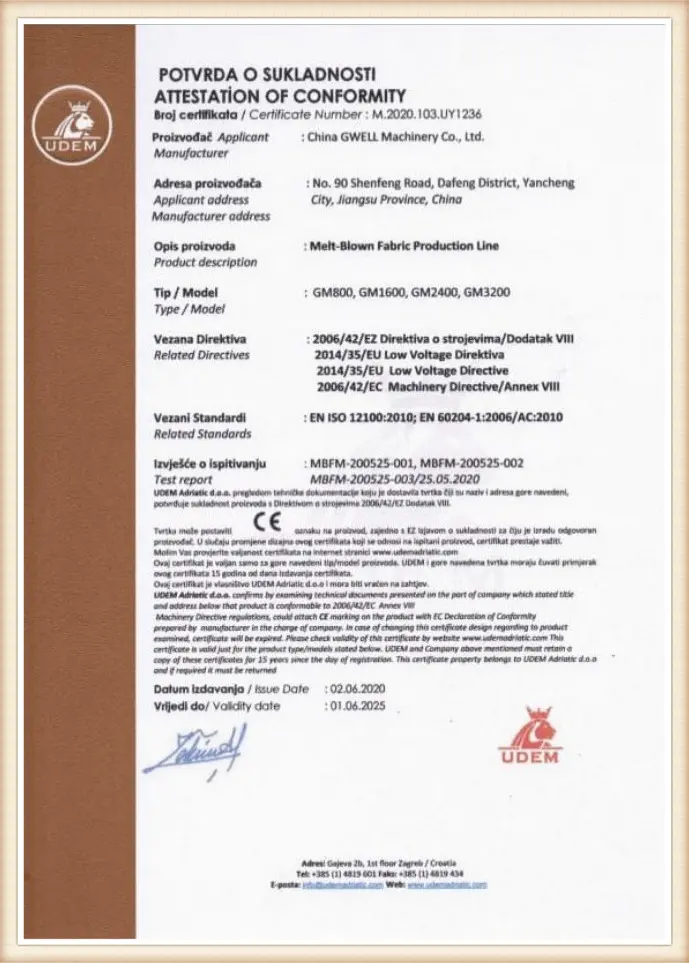
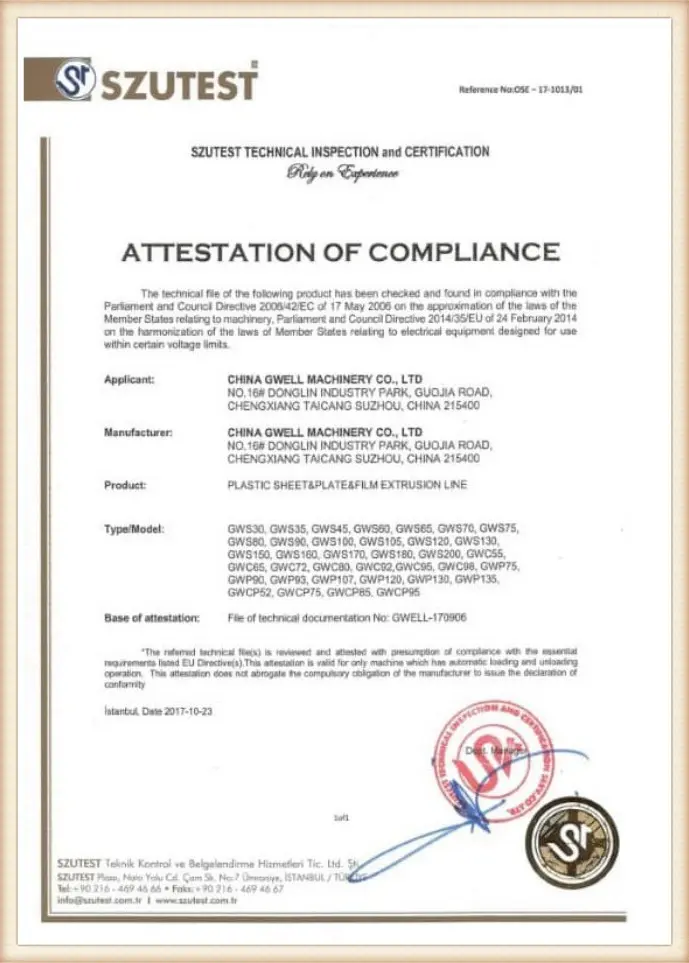
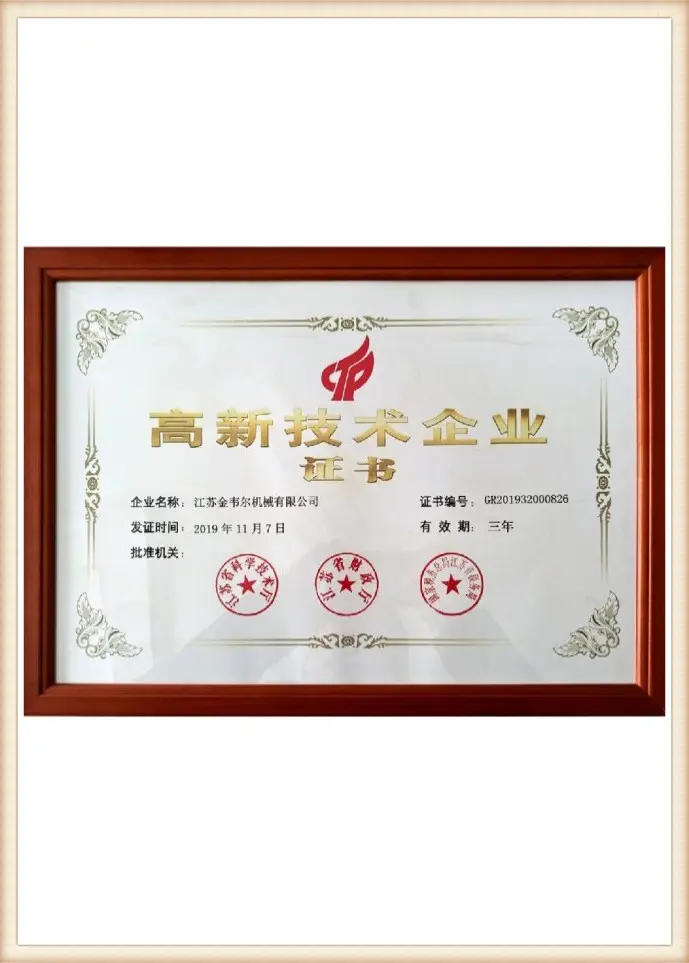
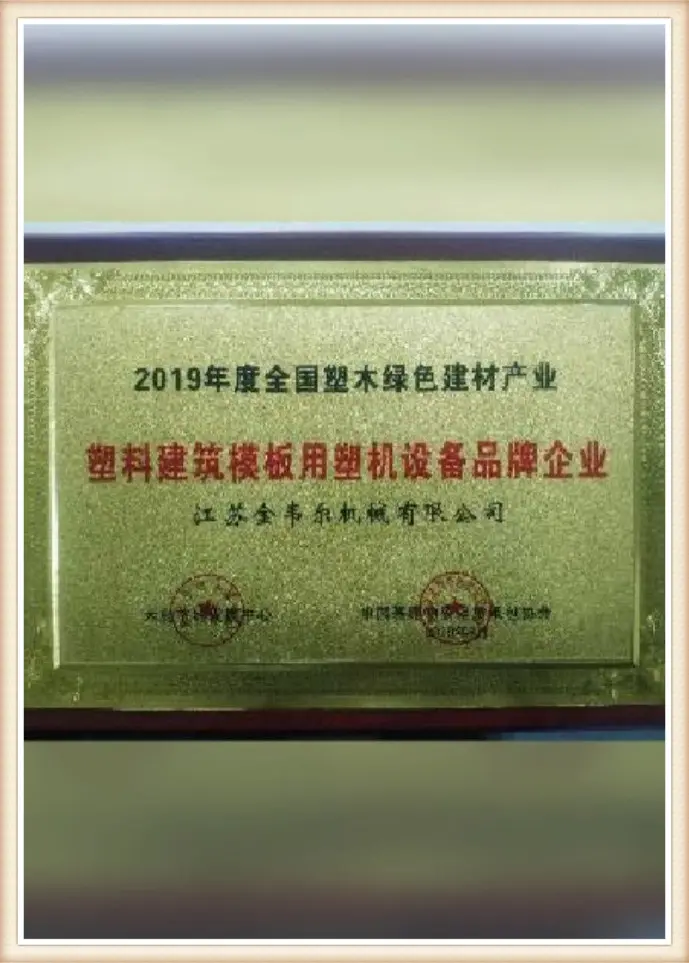
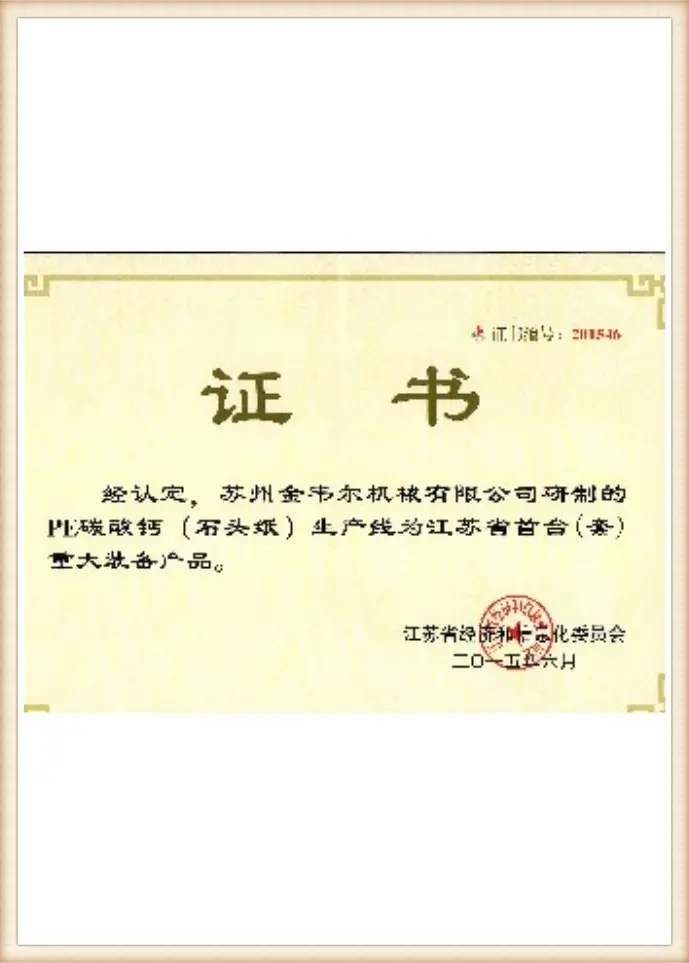
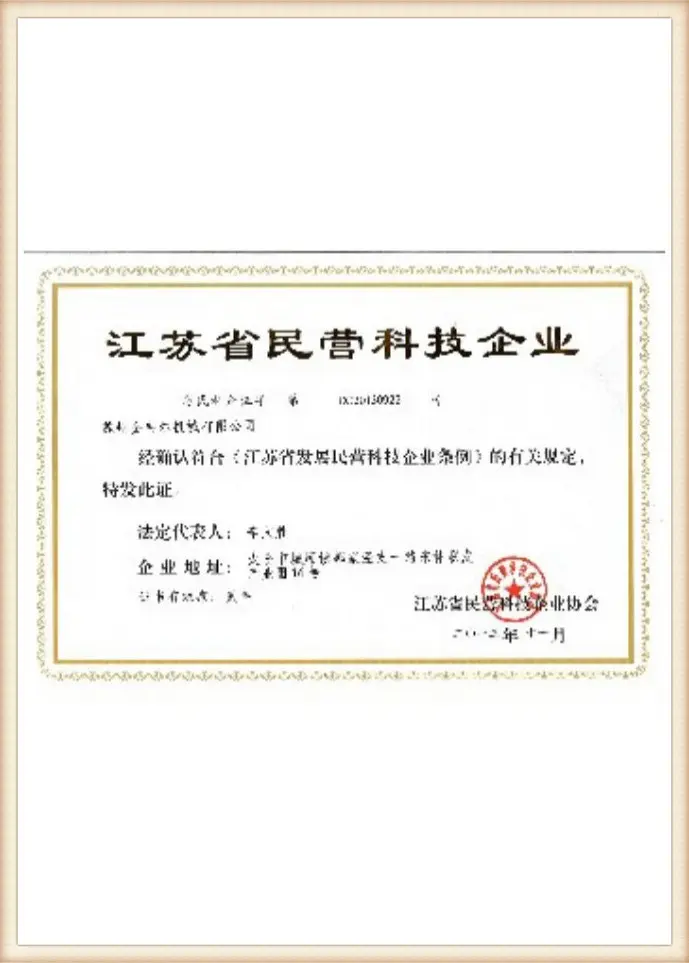

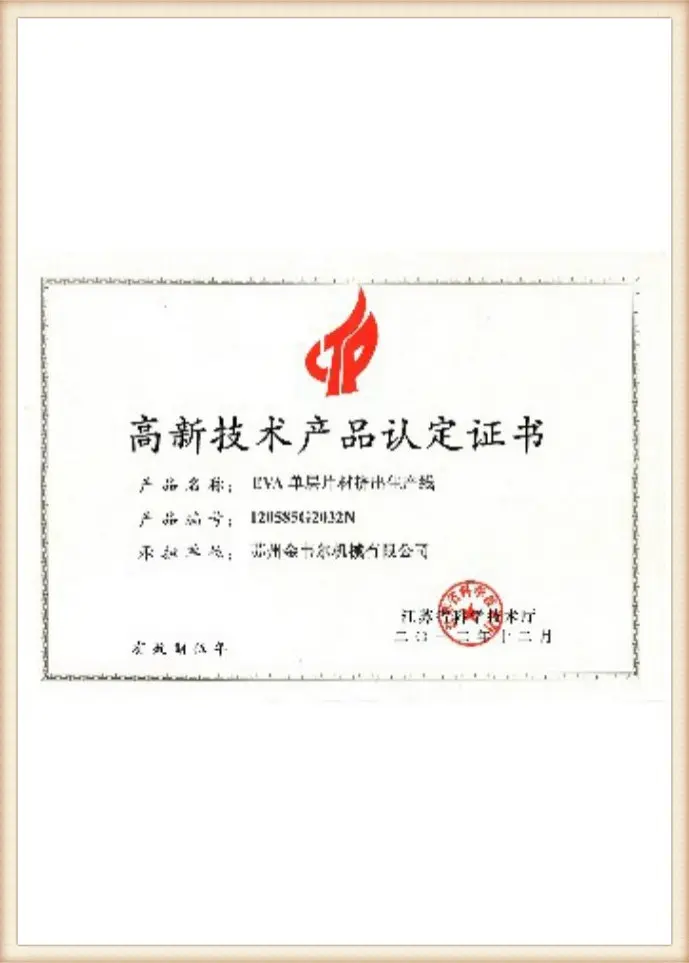
Deploying large-scale machinery across different regions demands complete compliance with local technical standards. All Gwell extrusion lines conform to CE (European Conformity) and UL certifications. Our structural engineering, pressure piping designs, and electrical controls are audited to match international standards.
Our localized service strategy spans key global regions, providing commissioning support, physical installation audits, and preventative maintenance schedules. Our remote service center handles PLC diagnostics, programming adjustments, and control modifications via secure VPN access, minimizing machine downtime and eliminating the need for onsite service visits.
Experienced field engineers stationed worldwide to support regional startups, routine maintenance, and team training.
Every extrusion system undergoes factory testing under design load conditions to verify compliance with local safety standards before shipping.
Advanced variable-frequency drives (VFD) and heat recovery setups help keep factory operations highly efficient.
Our co-extrusion feedblocks utilize automated selector systems configured with fine-tuning profiling bars. This enables us to maintain individual layer distribution accuracies down to ±1.5% of overall thickness. The melt channel geometries are optimized using CAD flow simulation software to balance shear rates and prevent interfacial instability across different viscoelastic layers.
Optical performance relies on surface tempering. We configure our calender units with heavy-wall chromium-plated rolls featuring internal spiral flow distributors. These rollers are powered by individual servo motors and tempered using pressurized water or thermal oil circuits to prevent thermal banding, ensuring the absolute optical smoothness of the co-extruded sheet surface.
Yes, our screw and barrel configurations are designed to handle up to 30%-40% clean PMMA regrind without loss of clarity or mechanical degradation. We recommend adding high-efficiency melt filtration systems (double-piston screen changers) to remove micro-contaminants and maintain the pristine structural integrity of the co-extruded product.
Our extruders feature high-vacuum venting ports connected to multi-stage condensation trap systems. This setup efficiently captures residual methyl methacrylate monomers and volatiles directly from the melt stream, preventing them from escaping into the facility's atmosphere while keeping the extruded polymer free of internal stress fractures and micro-bubbles.


Discuss your multilayer co-extrusion parameters, output requirements, or compliance needs with our senior machinery engineers.
Send Technical Inquiry