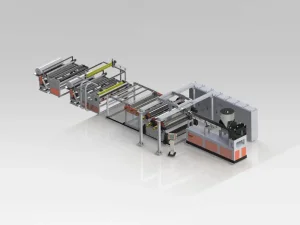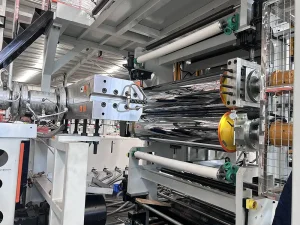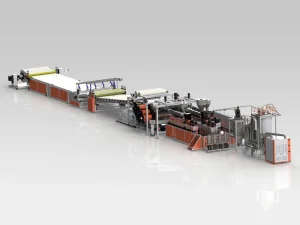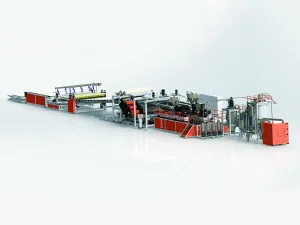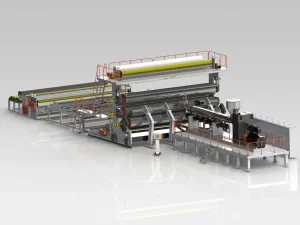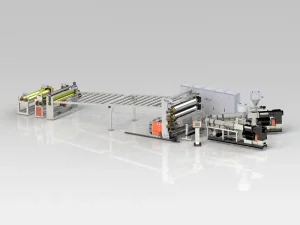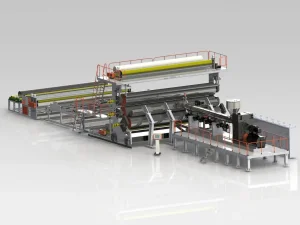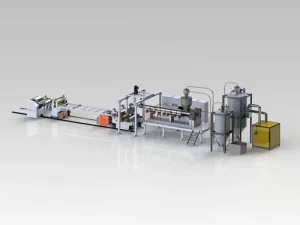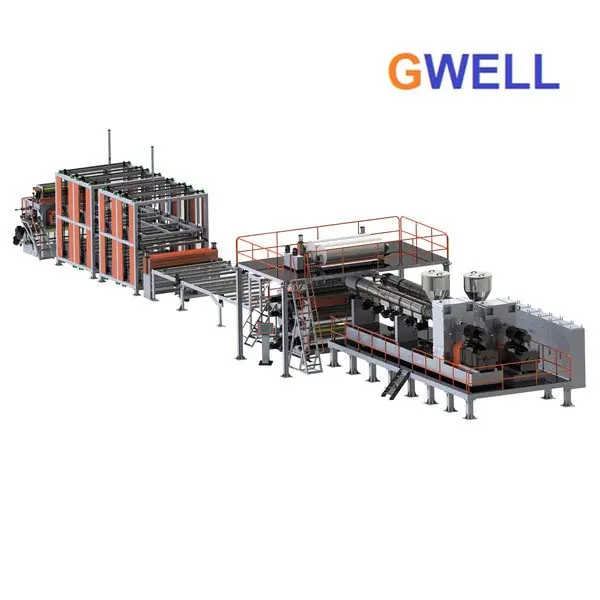
Explore our state-of-the-art extrusion technologies designed for high capacity, precision, and reliable manufacturing yields.
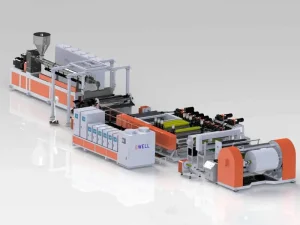
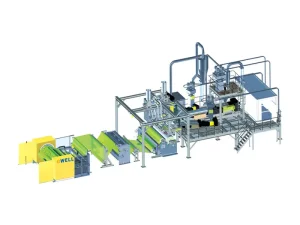
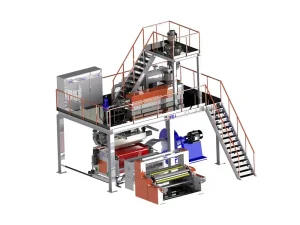
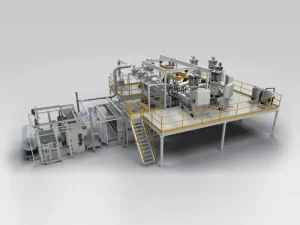
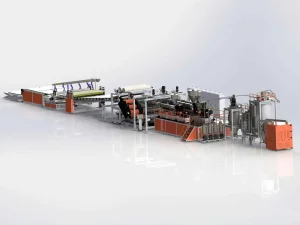
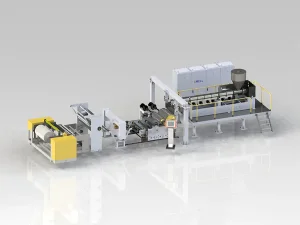
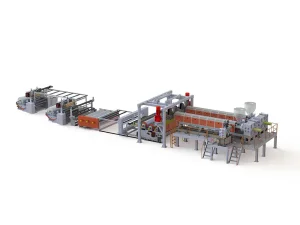
In the contemporary global plastics landscape, Polystyrene (PS) sheet extrusion plays an indispensable role. Marketed primarily as General Purpose Polystyrene (GPPS) and High Impact Polystyrene (HIPS), PS sheets remain the material of choice for complex thermoformed food packaging, internal refrigerator liners, medical trays, and electronic ESD protection panels. Over the past five years, the global demand for reliable, high-yield PS sheet production lines has experienced a significant structural shift. As packaging regulations clamp down on single-use plastics, manufacturing firms are looking for ultra-efficient, co-extrusion technology capable of incorporating multi-layer configurations—specifically A-B-A and A-B-C models—where up to 70% of recycled post-consumer or post-industrial scrap (PCR/PIR) can be fed back into the core layer without deteriorating the mechanical and visual traits of the outer surfaces.
Leading international buyers across regions like North America, Western Europe, and Southeast Asia are shifting their attention away from low-cost, single-layer extruders toward intelligent multi-layer setups. The primary objective is cost reduction through structural formulation adjustments. Co-extruded HIPS/GPPS sheets allow packers to offer glossy finishes on the outside using virgin polymers, while keeping raw material costs at bay by using high-density filled recycled material internally. These high-capacity setups demand precision dosing, advanced vacuum venting, and automated gear pump melt systems.
For global buyers analyzing the PS sheet machine price, a deep understanding of the mechanical and control specifications is paramount. Every line comprises critical sections that determine thickness uniformity, sheet toughness, energy consumption, and overall factory uptime. Let's explore the key components:
| Extrusion Sub-System | Engineering Standards & Materials | Performance Impact on Output |
|---|---|---|
| Screw & Barrel | 38CrMoAlA Nitrided Steel / Bimetallic coatings (L/D ratio 30:1 to 33:1) | Guarantees complete melt homogenization and high plasticization quality at lower shear stress. |
| Melt Gear Pump | Alloy steel with high-precision internal heating (Nordson / custom equivalent) | Maintains consistent head pressure, minimizing thickness variation down to ±1.5%. |
| Calender Stack | Three-roll chrome-plated mirror finish (Individual servo motor controls) | Accurately defines sheet surface texture, flatness, and cooling rates. |
| Co-Extrusion Feedblock | Adjustable multi-channel design (A-B, A-B-A structures) | Ensures even distribution of co-extruded material ratios across the entire sheet width. |
| System Control | Siemens PLC with Ethernet connectivity & closed-loop feedback loop | Improves operational efficiency, monitors energy usage, and enables remote troubleshooting. |
Moreover, venting technologies have evolved. In high-output systems, multi-stage vacuum degasification is implemented. When processing recycled PS flakes, moisture and residual monomer volatiles must be removed online. Without this, surface defects such as fish-eyes or blistering occur, rendering the sheets unusable for medical or food-contact packaging.
The deployment of PS sheet machinery is heavily localized to match regional market demands:
Understanding the PS sheet machine price structure requires dissecting CAPEX (Capital Expenditure) vs. OPEX (Operational Expenditure). The initial machinery cost is driven by:
1. Output Volume: Systems designed for 300 kg/h vs. massive 1200 kg/h high-speed lines represent distinct investment levels. Higher throughput demands larger screw diameters, larger calender diameters, and heavy-duty gearboxes.
2. Automation Level: Automatic die lip adjustment, online thickness measurement systems (using beta-ray or laser gauges), and fully automatic winders significantly increase initial machine costs but dramatically reduce labor and raw material waste.
3. Brand of Core Components: Using European components (e.g., ABB converters, Omron heaters, SKF bearings) adds a premium to the initial price tag but pays dividends in machine lifespan, reliable operation, and local parts availability.
Chinese plastic machinery factories, led by pioneers like China GWELL Machinery Co., Ltd., have established a dominant global footprint. This leadership is not built on low cost alone, but on structural supply chain advantages:
By operating multiple specialized production bases with a total construction area exceeding 866,000 m², companies like GWELL control the entire manufacturing value chain. From in-house CNC heavy machining of barrels and calender rollers to advanced heat-treatment processes, vertical integration cuts out middleman costs and guarantees quality control. Additionally, being situated in industrial hubs near steel manufacturing and key electrical supply chains enables Chinese factories to deliver high-quality, customized lines within 60 to 90 days—compared to 6 to 9 months for European competitors.
The future of PS sheet extrusion lies at the intersection of energy conservation, digital integration, and circular materials:
We are currently witnessing a shift toward energy-efficient electromagnetic heating bands, which reduce energy loss by 30-40% compared to traditional ceramic heaters. Furthermore, modern calender stacks now feature individual direct-drive servo motors, completely eliminating the gearbox backlash that causes surface micro-variations. In terms of software, Industry 4.0 integration allows plant operators to monitor energy consumption per kg of extruded sheet, log melt temperature deviations, and feed data directly to Enterprise Resource Planning (ERP) databases for accurate manufacturing costing.
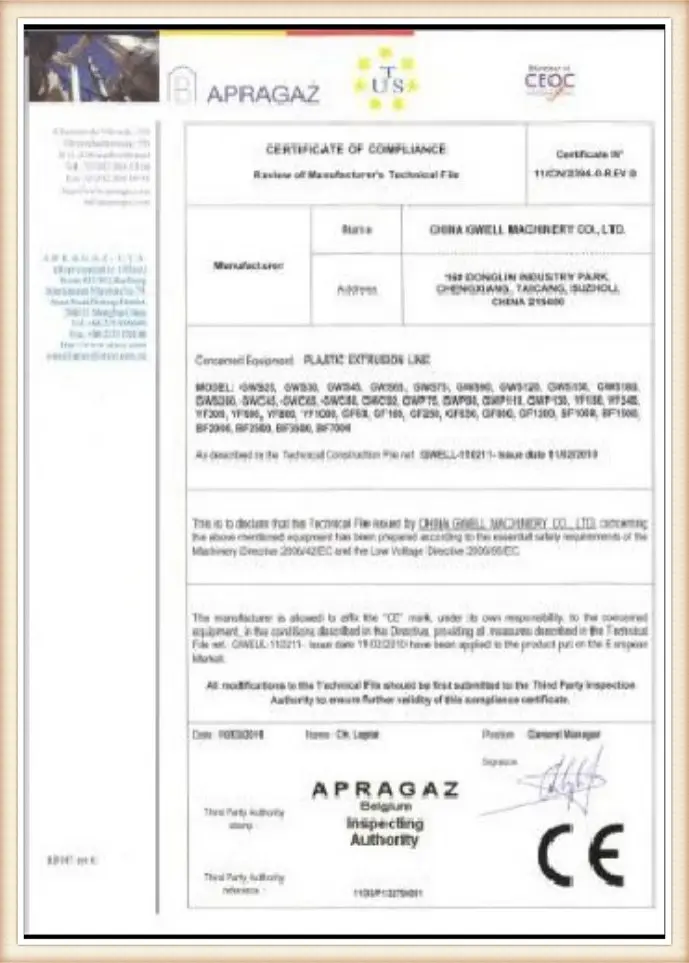
For global exporters, establishing technical authority is only half the battle; maintaining post-sales reliability is what secures long-term partnerships. High-quality exporters ensure that their machinery complies fully with international standards (CE, UL, CSA certification) and offer comprehensive local commissioning services:
This includes dispatching factory-trained field engineers for on-site calibration, raw-material testing, and training local staff in optimal temperature profiling, emergency stops, and maintenance intervals. Coupled with remote diagnostic access via the cloud, problems can be analyzed online within minutes, drastically reducing potential downtime.
Intelligent solutions classified by industrial application ranges
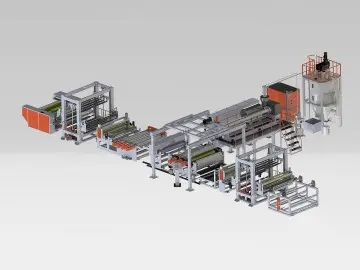
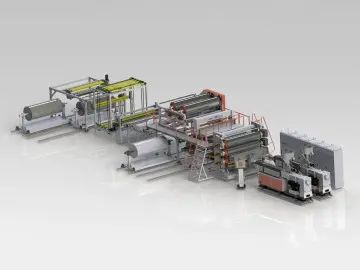
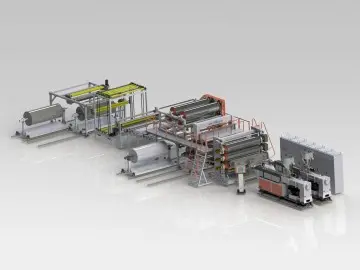
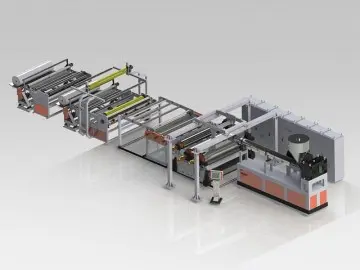
China GWELL Machinery is a high-tech enterprise dedicating to the manufacture of plastic extrusion lines for Film, Sheet and Profile. Relying on the powerful technology and equipment of the group and an innovative spirit, GWELL commits to the development of high-tech products and international markets. “Expertise creates customers’ values” has always been the company's operating philosophy.
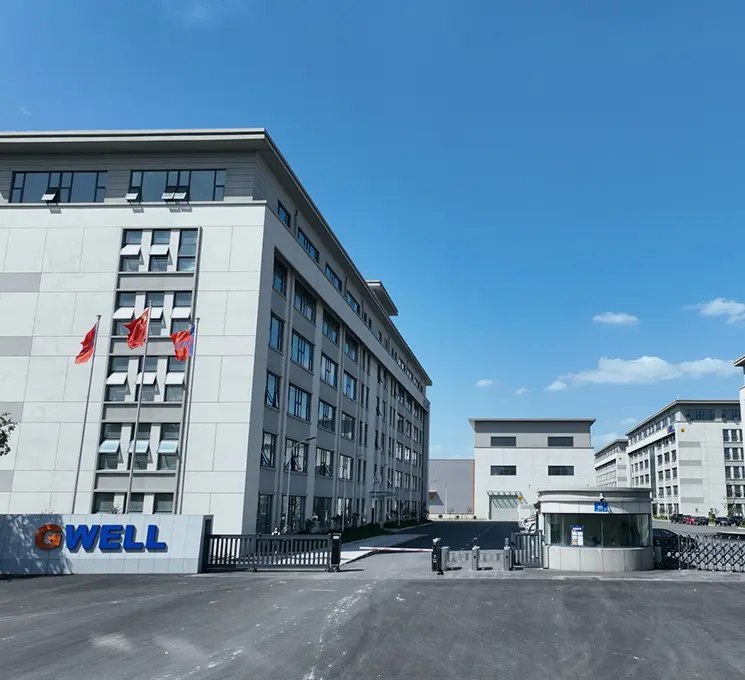
Geographical excellence, structural strength, and reliable technology





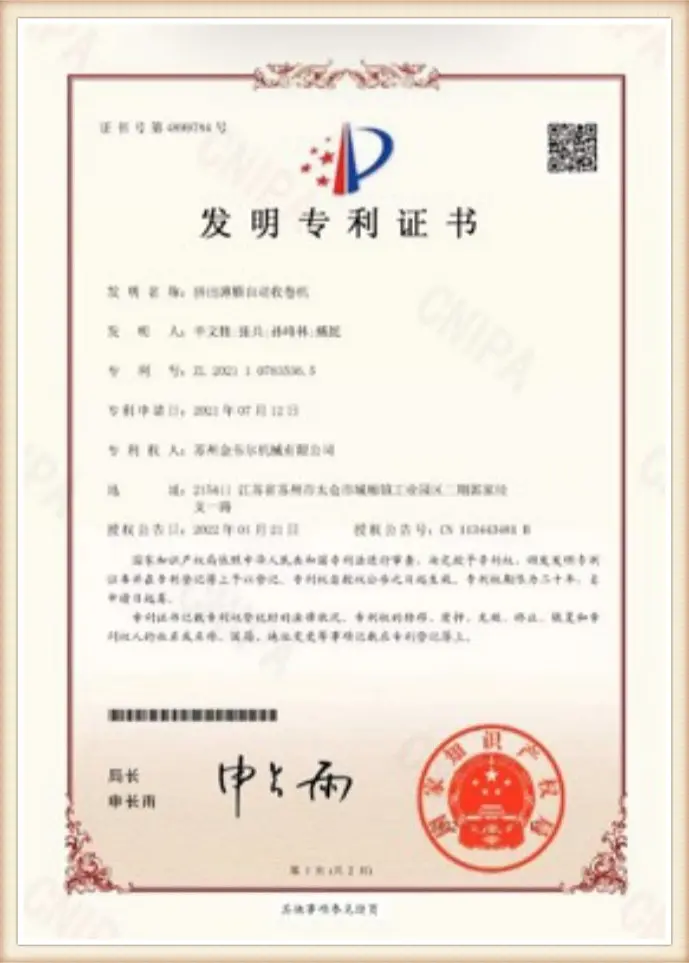
Verified quality compliant with major global industrial guidelines
Stay updated with our latest technology showcases and product launches
Collaborating with global industry leaders to deliver performance

GWELL's R&D capability and high-precision machining systems are recognized globally.
Send Inquiry NowHeavy-duty systems optimized for commercial-grade sheet manufacturing